


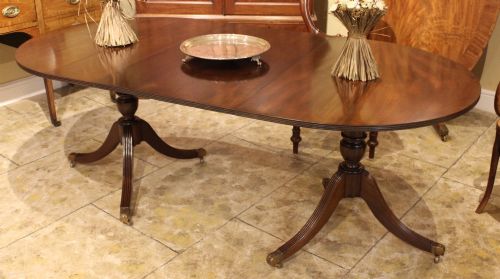

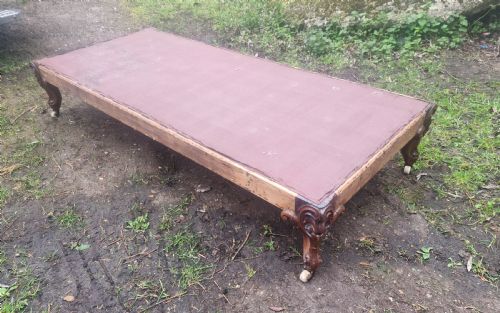


Victorian Brass Castor Table
A victorian brass castor table brings nineteenth-century mobility and rich timbers together for practical daily use.
Victorian Brass Castor Table
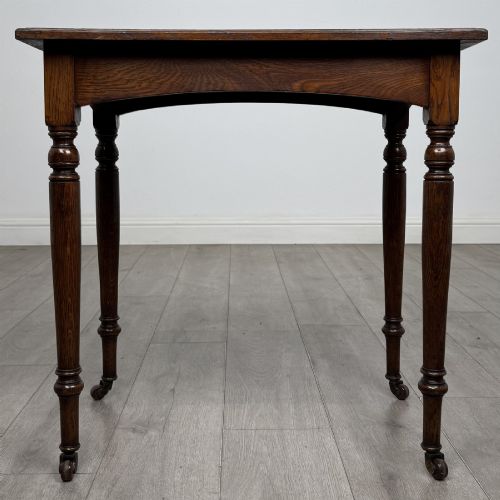
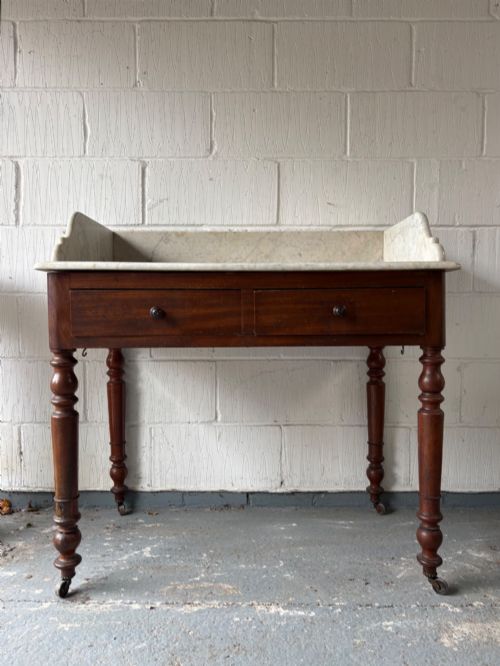
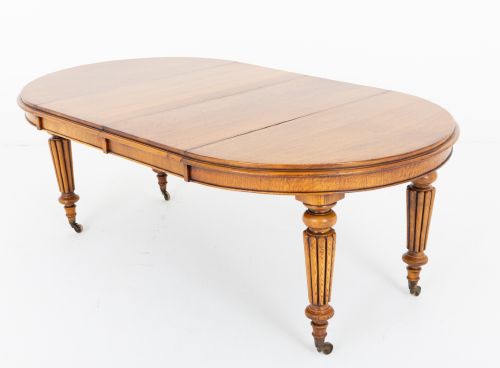
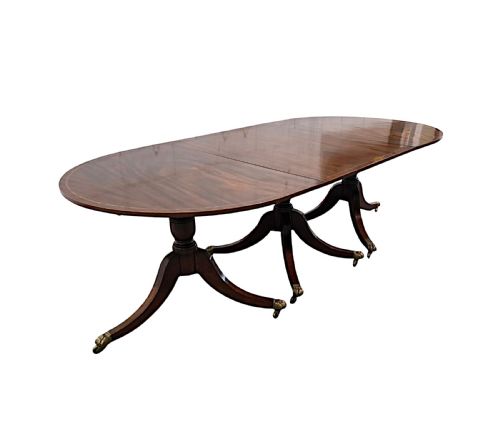
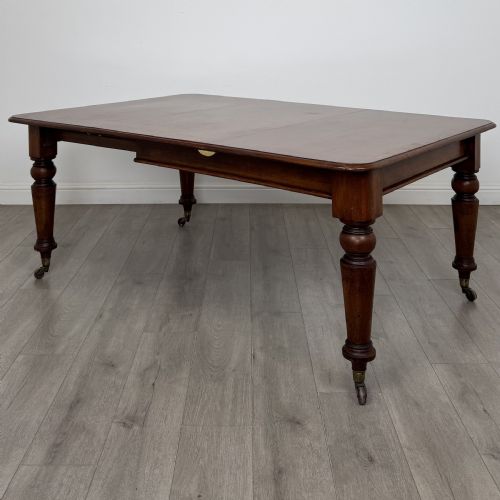
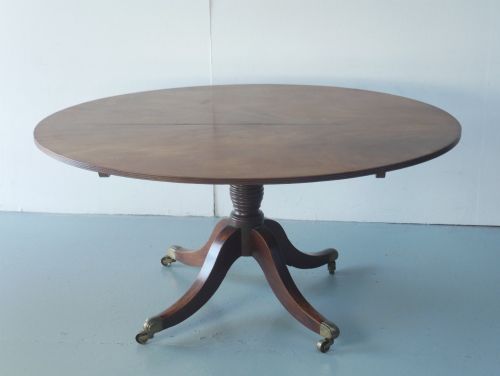
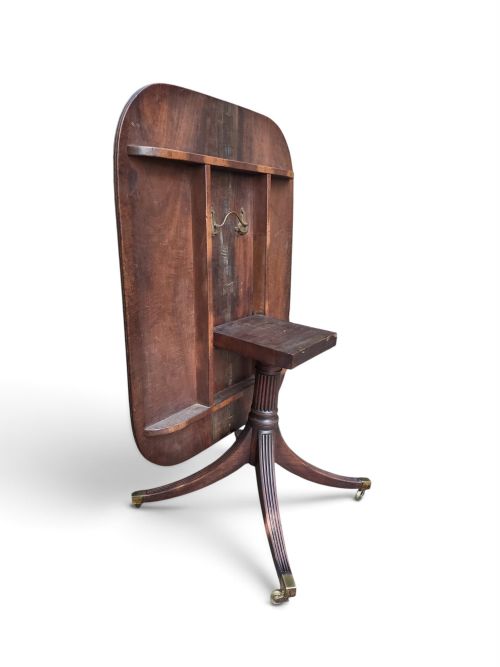
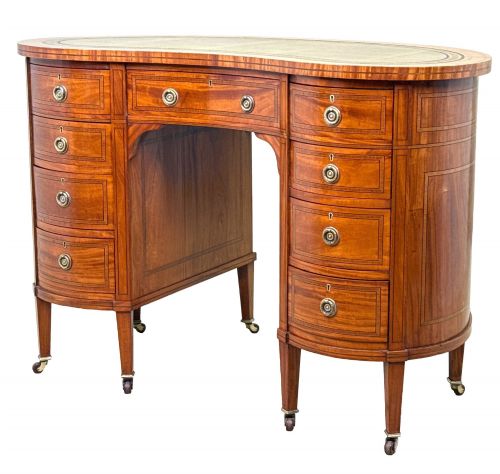
A victorian brass castor table encompasses diverse nineteenth-century formats ranging from large mahogany dining pieces and tilt-top breakfast tables to compact writing desks, side tables, and multi-tiered étagères. Buyers searching this phrase most frequently encounter mahogany dining and writing tables supported on turned legs fitted with brass castors for ease of movement.
The selection extends across the nineteenth century, incorporating Regency styles and revivals alongside pieces dated from the eighteen-fifties through the eighteen-nineties. Alongside tables, the listings include occasional items and stools mounted on castors, demonstrating how nineteenth-century makers applied wheel mountings to varied domestic furniture.
Materials and Construction
Cabinet makers utilised dense primary timbers such as mahogany, rosewood, walnut, oak, and amboyna, frequently incorporating secondary woods and leather writing surfaces. Construction methods relied on solid timber framing, turned columns, and substantial framework designed to bear weight while accommodating folding leaves, tilt mechanisms, and drawers.
Cast brass fittings and wheel castors were securely affixed to legs and feet, providing durability and smooth relocation across nineteenth-century floor coverings. Surface finishes were hand-polished to highlight the natural grain figures of blonde oak, birdseye maple, and figured walnut.
Victorian Brass Castor Table Retail Price Guide 2026
Typical asking prices for victorian brass castor table among the pieces listed under this phrase on Sellingantiques today, from the lower quarter to the upper quarter. They describe what is for sale here now, not the wider market.
Evaluating Quality and Detail
Quality separates through the selection of timber figures, such as highly figured walnut, amboyna, or premium mahogany grain, alongside the precision of cabinet joinery and inlaid details. Superior examples exhibit substantial construction, crisply turned columns, and well-cast original brass mechanisms that operate smoothly.
Makers' signatures or stamps elevate certain pieces, demonstrating workshop provenance and documented craftsmanship from makers like W Williamson and Sons or Holland and Sons. The integration of functional elements, such as smoothly sliding drawers and stable tilt-top actions, further defines the upper tier of surviving examples.
W Williamson and Sons·Lamb of Manchester·Holland and Sons
The Victorian Brass Castor Table Glossary
- Castor
- A small wheel mounted on a swivel attached to the foot of a piece of furniture to allow easy rolling. These brass fittings are characteristic of nineteenth-century mobility.
- Étagère
- An open tiered piece of furniture used for displaying ornaments or holding books. These items frequently incorporate multiple shelves and delicate supports.
- Pembroke table
- A small rectangular table with hinged drop flaps on either side supported by folding brackets. They commonly include a single working drawer.
- D-end table
- A dining table whose end sections form a semicircular shape resembling the letter D. These sections can stand alone or combine with central leaves to extend the surface.
Victorian Brass Castor Table: Frequently Asked Questions
What is a victorian brass castor table?
A victorian brass castor table is a nineteenth-century item of furniture, such as a dining table, desk, or side table, fitted with brass wheels on the feet.
These wheels allowed heavy timber furniture to be repositioned easily across carpets and floors within period homes.
How do I identify a period piece?
Period identification relies on observing traditional timber varieties like mahogany and rosewood, hand-cut joinery, and period-appropriate turning styles.
Examining the construction methods and the wear on the brass castors helps confirm nineteenth-century origin.
Were these tables used for dining?
Many of these tables served as dining or breakfast furniture, often featuring extending mechanisms or tilt-top designs for daily versatility.
Smaller formats functioned as writing desks, side tables, or occasional pieces for parlours and libraries.
How do I care for the brass castors?
Keep the brass clean using appropriate metal care while avoiding harsh abrasives that could damage the surrounding wooden legs.
Check the fixings periodically to ensure the castors remain secure and roll smoothly without straining the wood.