



Victorian Brass Basin
These victorian brass basin pieces bring solid nineteenth-century weight and domestic utility into modern rooms.
Victorian Brass Basin
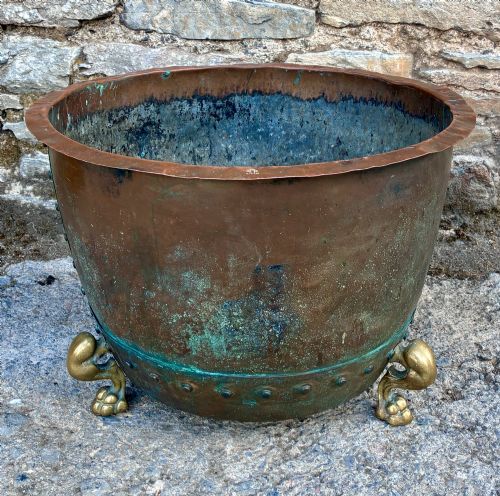
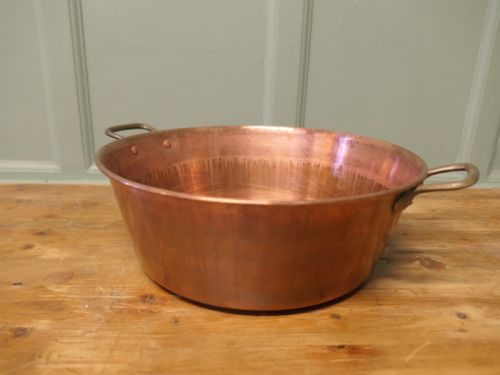
When you search for a victorian brass basin, you find heavy utilitarian vessels and display bowls spanning the nineteenth century. These items include kitchen preserving pans, decorative jardinieres, and fitted washstands incorporating brass components.
The pieces on this page lean heavily towards copper and brass jardinieres, preserving pans, and occasional campaign washstands. They reflect both domestic service and decorative arts of the period, ranging from plain utility wares to ornate revival styles.
Materials and Construction
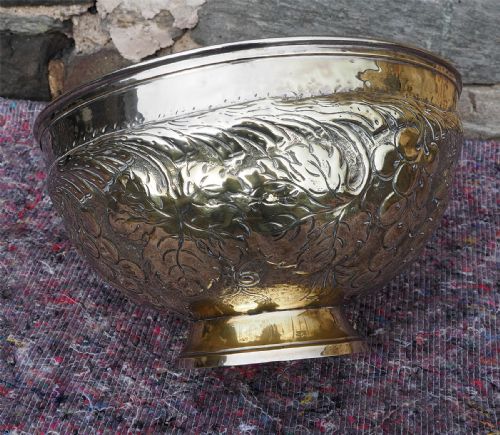
The construction relies on beaten copper, sheet brass, and mixed metals, often joined with visible riveted seams or heavy rolling. Makers shaped these domestic and decorative vessels using traditional hammering, repoussé embossing, and turning techniques.
Secondary materials such as mahogany, satinbirch, and teak appear in the washstands and cellarer frames that house the metal basins. Silver plating and bronze also occur across the diverse selection of planters and punch bowls.
Listings span the nineteenth century, incorporating materials like brass, copper, mahogany, bronze, and silver plate across utilitarian and decorative forms.
Distinguishing Quality
Quality rests on the thickness of the metal sheet, the crispness of any repoussé hammer work, and the integrity of the structural joints. Substantial gauge brass and copper command attention through their sheer heft and resilience.
The refinement of decorative details, such as cast animal heads or intricate cairoware mixed metal inlay, separates standard utilitarian vessels from exceptional high-status objects.
The Victorian Brass Basin Glossary
- Repoussé
- A metalworking technique where the metal is hammered from the reverse side to form a raised design in relief. This method creates tactile surface patterns on planters and bowls.
- Jardiniere
- A decorative pot or stand designed to hold a plant or floral arrangement inside the home. They appear frequently in brass and copper during the Victorian era.
- Cairoware
- Metalwork originating from or inspired by Islamic metal vessels of Cairo, typically featuring intricate mixed metal inlay. It represents the Victorian taste for orientalism.
- Jam Pan
- A wide, shallow domestic cooking vessel usually fashioned from solid copper with sturdy handles. These were essential kitchen items before becoming decorative display pieces.
- Campaign Washstand
- Portable folding furniture designed for travel, combining mahogany or teak woodwork with metal basins. They offer ingenious space-saving utility.
Victorian Brass Basin: Frequently Asked Questions
What were these brass basins originally used for?
These vessels served practical roles in nineteenth-century homes, ranging from kitchen preserving pans for jam to washstands for personal grooming.
Other examples, such as jardinieres and planters, were specifically manufactured to hold indoor plants and display floral arrangements in Victorian reception rooms.
How do I clean an antique brass basin?
Most collectors prefer to maintain a warm, aged patina rather than polishing the metal to a bright shine. Gentle dusting and occasional light cleaning preserve the historic character.
Avoid harsh chemical abrasives that strip away the natural oxidation accumulated over the nineteenth century.
Are these basins suitable for holding plants?
Many of these items, particularly the jardinieres and planters, were made precisely to hold greenery and floral displays. Using a discreet inner liner protects the historic metal from prolonged moisture.
Ensure stagnant water does not sit directly against the antique brass or copper for extended periods.
How can I tell the period of a brass basin?
Dating relies on observing manufacturing marks, such as hand-beaten hammering versus later machine rolling, alongside material choices. Stylistic indicators like Art Nouveau motifs or Mamluk revival patterns also point toward specific decades.
Associated wooden washstands often feature period-specific timbers like mahogany, satinbirch, or teak that help narrow down the date.