


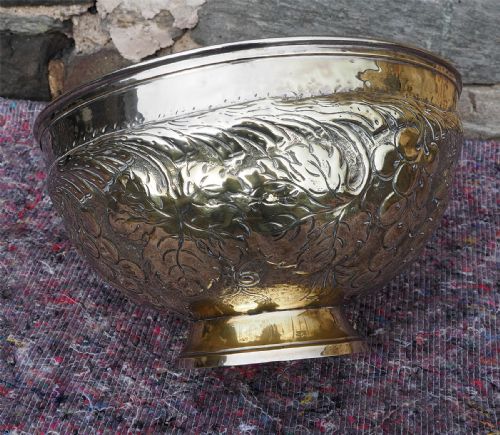

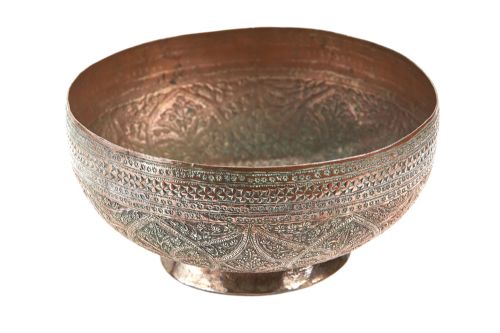

Antique Brass Fruit Bowl
These antique brass fruit bowl examples span diverse global traditions, offering robust metalwork and decorative centrepieces for the modern table.
Antique Brass Fruit Bowl
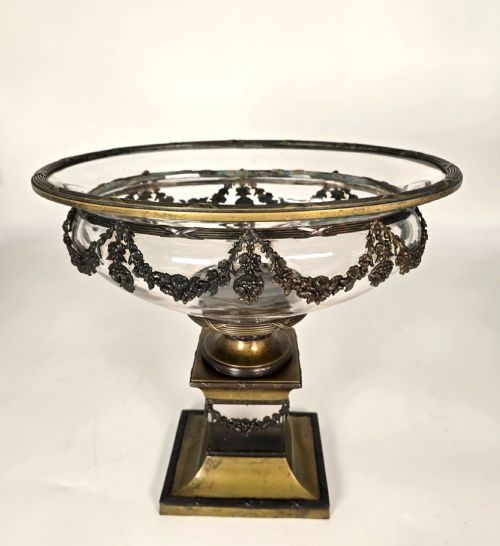
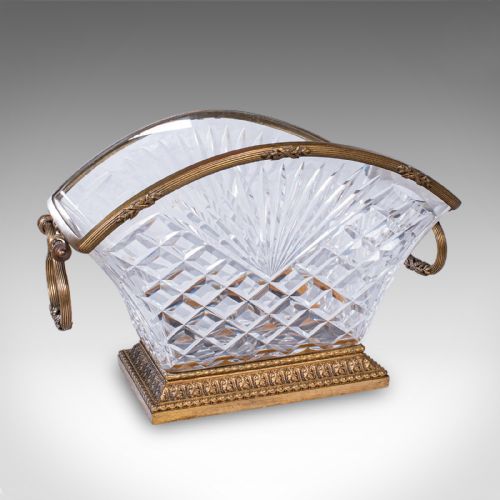
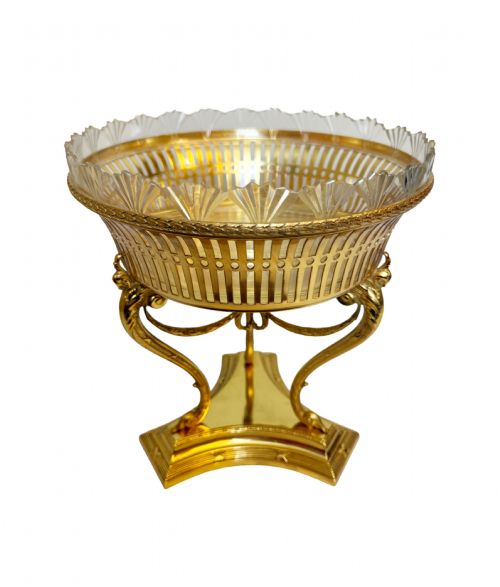
When you search for an antique brass fruit bowl, you encounter a surprisingly broad array of decorative and utilitarian vessels spanning the nineteenth century. These objects include heavy nineteenth-century copper pans, intricate mixed-metal cairoware, and grand European centrepieces mounted with glass or porcelain inserts.
The pieces originating from nineteenth-century France and Victorian Britain dominate the selection, often drawing on Empire, Neoclassical, or Mamluk Revival styles. Alongside pure brass and copper, you frequently find combinations involving cut glass, gilt bronze, ormolu, and cloisonné enamel.
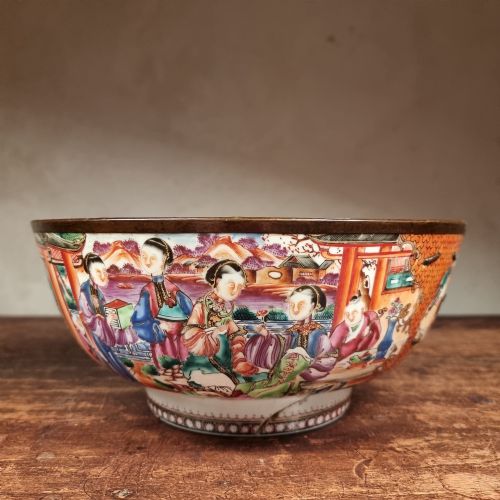
Beyond standard domestic vessels, the category encompasses tazzas, punch bowls, and grand pedestal bowls intended for display. Whether simple Indian copper or elaborate French gilt bronze, each item reflects the metalworking and decorative standards of its specific period.
How they were made
Makers utilised traditional foundry and smithing techniques, shaping sheet and cast brass, copper, and bronze into sturdy vessel forms. Heavier items relied on cast gilt bronze mounts or ormolu to frame glass and porcelain inserts securely.
Surface decoration involved varied artisanal methods, from the cloisonné enamelling seen on Japanese vessels to the mixed-metal inlay characteristic of nineteenth-century cairoware. Cut glass bowls were frequently paired with metal stands, combining heavy glasscutting craft with metal casting.
Several bowls double as heavy-duty culinary pans, proving that nineteenth-century cooks appreciated good metalwork as much as the dining room did.
What varies in quality
The standard of execution in cast metalwork determines much of the distinction between ordinary vessels and finer examples. Crisp detailing in chased gilt bronze or complex mixed-metal inlay points to superior craftsmanship.
The integrity of composite pieces, where glass inserts or porcelain bowls meet metal mounts, dictates overall success. A secure, well-fitted frame and unclouded glass inserts elevate a piece above simpler utilitarian cookware.
Hodges And Sons
The Antique Brass Fruit Bowl Glossary
- Ormolu
- Gilded bronze used extensively for decorative mounts on furniture and decorative bowls during the nineteenth century. The technique involves applying a finely ground gold-mercury amalgam to bronze.
- Tazza
- A shallow bowl or cup mounted on a stem and foot, designed for serving fruit or sweetmeats. These elevated vessels became prominent display pieces in nineteenth-century dining settings.
- Cairoware
- Nineteenth-century European and Middle Eastern revival metalwork featuring intricate silver and copper inlay on brass grounds. The style draws inspiration from medieval Islamic metalwork traditions.
- Cloisonne
- An ancient technique for decorating metal object surfaces, using wire compartments filled with enamel paste and fired. Japanese examples from the late nineteenth century demonstrate exceptional mastery of this method.
- Centrepiece
- A large decorative bowl or plateau placed in the middle of a dining table for display or service. Nineteenth-century examples often combined glass and gilt bronze.
Antique Brass Fruit Bowl: Frequently Asked Questions
How were these bowls originally used?
These vessels served functional roles on dining tables for holding fruit, punch, or sweetmeats during formal meals. Many functioned primarily as decorative centrepieces to display wealth and taste in Victorian and continental households.
Larger pedestal bowls and tazzas were particularly suited to prominent placement in dining rooms and parlours.
How do I clean brass and bronze?
Preserving the historical surface requires gentle dusting and minimal interference with natural ageing. Aggressive metal polishes can strip original patination and damage delicate gilt or mixed-metal inlays.
Consult a conservator if the metalwork requires deeper intervention, especially on pieces incorporating enamel or porcelain.
How do I date an antique bowl?
Dating relies on stylistic clues, manufacturing techniques, and material combinations typical of periods like the Victorian era or French Second Empire. Stamped marks or regional decorative motifs often provide clues to the origin and decade of manufacture.
Comparing construction methods with dated archival examples helps narrow down the timeframe.