




Victorian Bowfront Cabinet
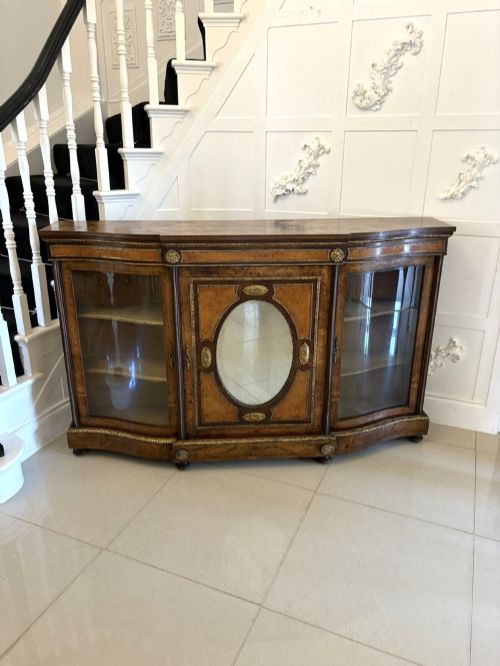
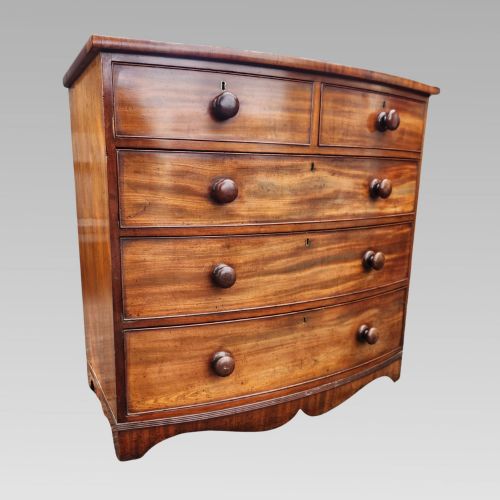
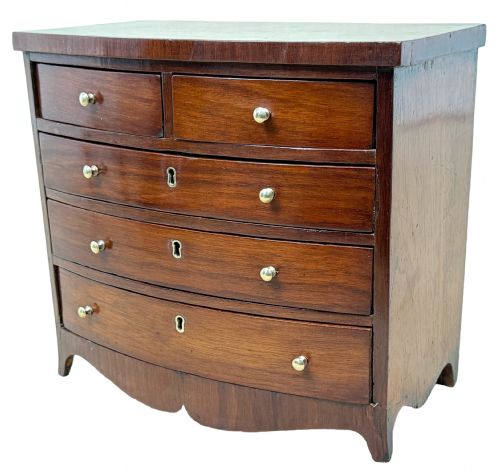
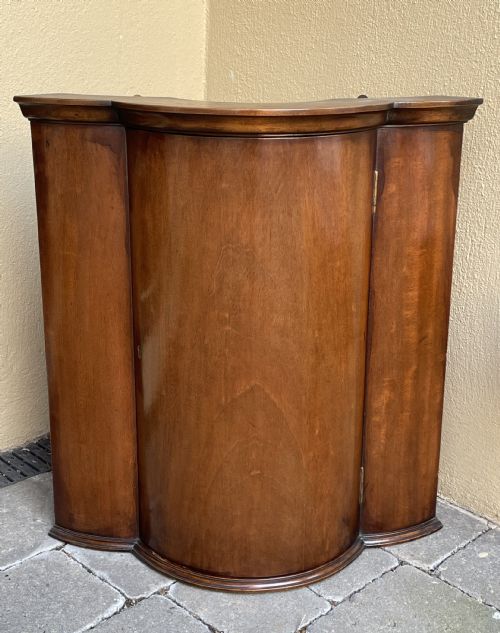
A victorian bowfront cabinet brings together curved timber and generous storage, offering a distinct nineteenth-century silhouette that suits both period and modern interiors.
Victorian Bowfront Cabinet
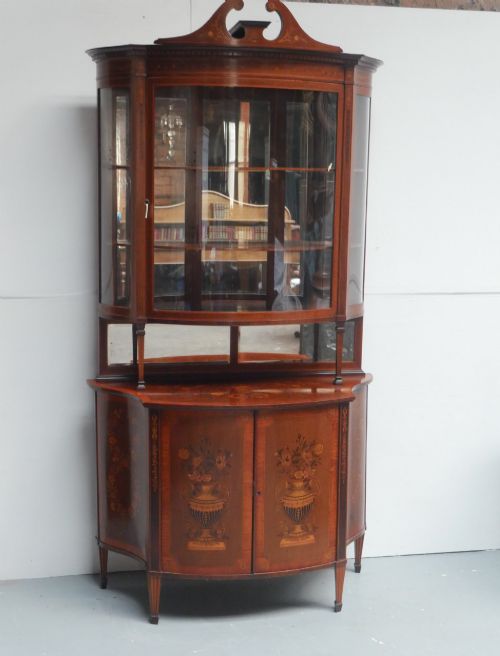
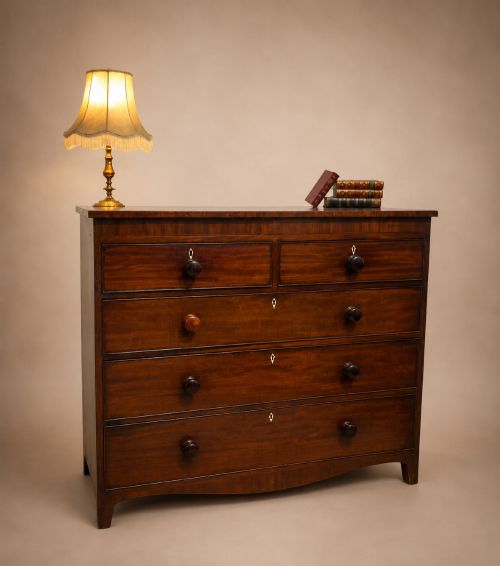
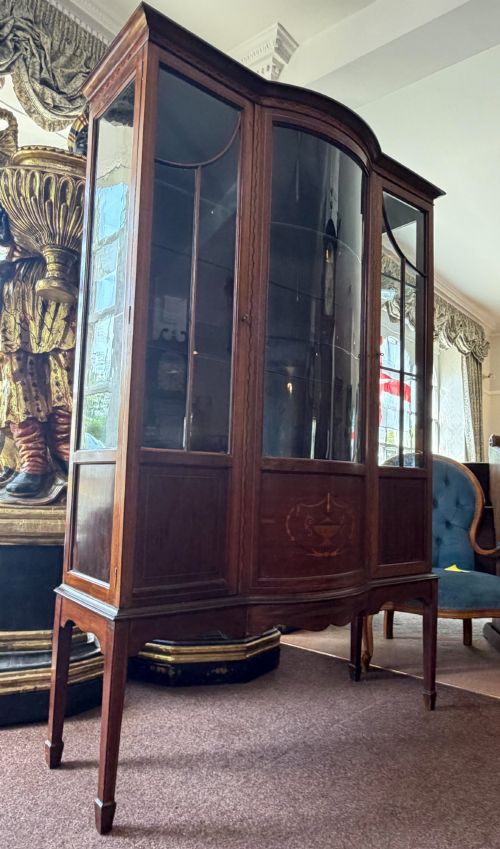
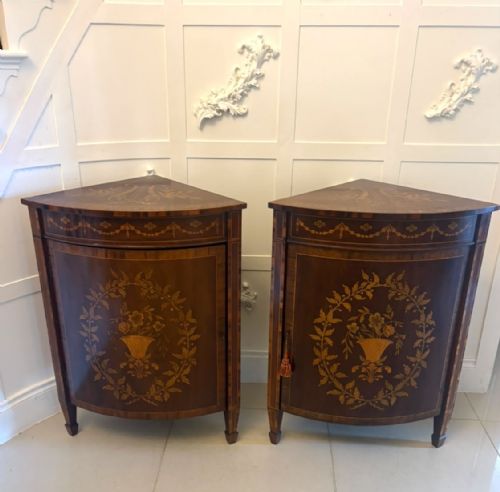
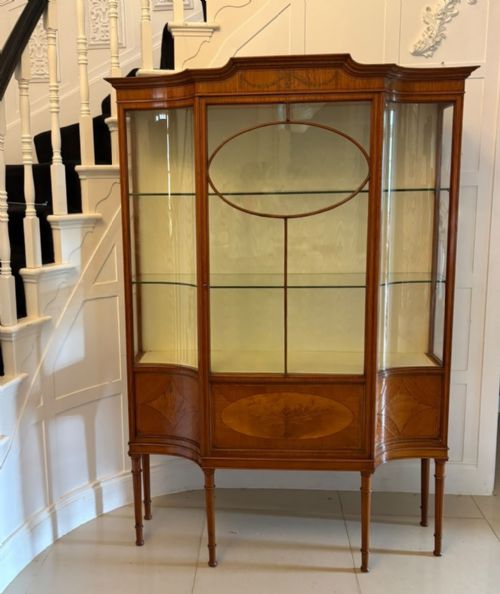
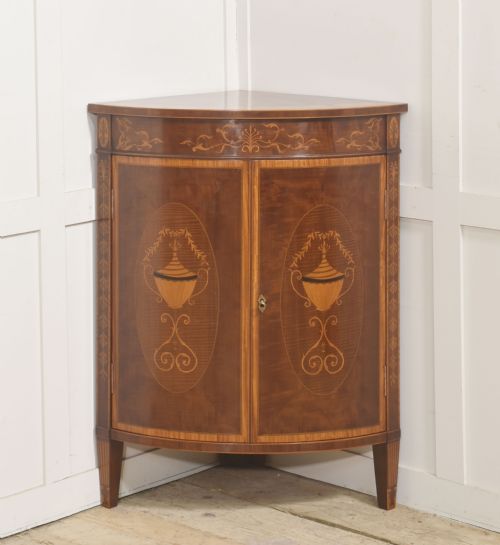
A victorian bowfront cabinet encompasses diverse domestic forms including display pieces, corner cupboards, bedside lockers, and chests of drawers. These pieces date from the nineteenth century, ranging through the middle and late decades up to nineteen hundred.
The curved profile defines the group, appearing on mahogany, walnut, and satinwood carcases. Buyers most frequently encounter corner cabinets and bedside chests displaying this characteristic rounded front.
Materials and Techniques
Cabinet makers utilised dense hardwoods such as mahogany and walnut as the primary structural timbers, often applying burr walnut or satinwood veneers to prominent surfaces. Marquetry inlay, floral painted details, and delicate stringing frequently decorate the exterior panels.
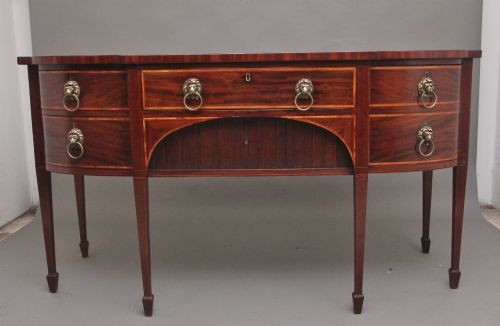
Mounts in brass and ormolu add metallic contrast to the timber, while glazed doors enclose display sections. Joinery relies on traditional carcase construction paired with hand-cut dovetails for drawer boxes.
Listings feature nineteen-century periods including Victorian, Sheraton Revival, and late nineteenth-century eras alongside Edwardian pieces.
Assessing Quality
Quality rests upon the selection of timber veneers and the precision of the marquetry work. Finer examples display symmetrical grain patterns and meticulously executed floral or geometric inlays across the curved doors and top surfaces.
The integration of the curved front into the overall carcase structure reveals the maker's skill. Superior items maintain smooth drawer operation, intact glass panels, and well-fitted original hardware without excessive timber shrinkage.
Edwards & Roberts
The Victorian Bowfront Cabinet Glossary
- Bowfront
- A convex, curved front profile typical of certain nineteenth-century case furniture. This shape softens the corners of a room and requires advanced woodworking skill to construct accurately.
- Marquetry
- Decorative patterns formed by fitting together small pieces of veneer into timber panels. Craftsmen use varied wood types to produce floral and pictorial designs.
- Ormolu
- Gilded bronze mounts applied to furniture for decorative effect. These metallic elements enhance the visual richness of nineteenth-century cabinetwork.
- Credenza
- A large side cabinet or sideboard often featuring glazed doors and elaborate inlay. They served as important display and storage pieces in Victorian reception rooms.
- Satinwood
- A light-coloured, lustrous timber frequently used for veneers and inlay work during the Sheraton Revival period. It provides a bright contrast against darker background woods.
Victorian Bowfront Cabinet: Frequently Asked Questions
What is a bowfront cabinet?
A bowfront cabinet is a nineteenth-century storage or display piece featuring a convex, outward-curving front facade. This curved design softens the rigid angles typically found in case furniture.
Cabinet makers applied this silhouette to various forms, including bedside lockers, corner cupboards, and chests of drawers, utilising timbers like mahogany and walnut.
How do I style a Victorian cabinet?
These cabinets suit both traditional and contemporary interiors as focal points for display or storage. Their curved timber profiles and marquetry details add warmth and texture to neutral rooms.
Use corner cabinets to utilise unutilised angles, or place bedside lockers and side cabinets in living spaces to showcase small collections behind glass doors.
How do I date a Victorian cabinet?
Dating relies on observing timber choices, construction techniques, and decorative styles across the nineteenth century. Earlier pieces often feature solid mahogany or figured walnut, while late nineteenth-century items frequently display Sheraton Revival satinwood and elaborate marquetry.
Construction details, such as drawer dovetails and backboard thickness, further help distinguish mid-nineteenth-century examples from later revival pieces.
Were these cabinets used in bedrooms?
Many bowfront cabinets served domestic bedroom functions, appearing as bedside lockers, compact chests of drawers, or washstands. Their modest proportions suited private sleeping quarters.
Larger variations, such as display cabinets and credenzas, were designed for public reception rooms to store and exhibit valuable household items.