




Victorian Bound Volumes
Victorian bound volumes are period book sets and single editions clad in leather and cloth, offering traditional shelf presence for study and display.
Victorian Bound Volumes
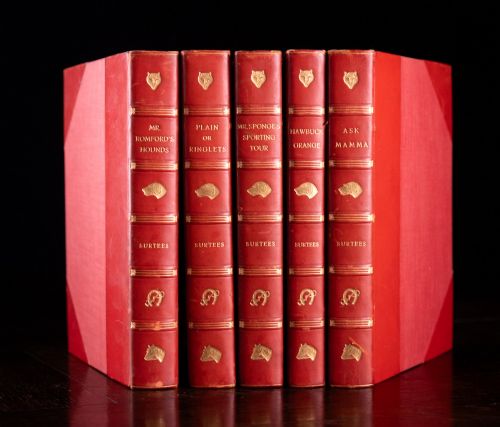
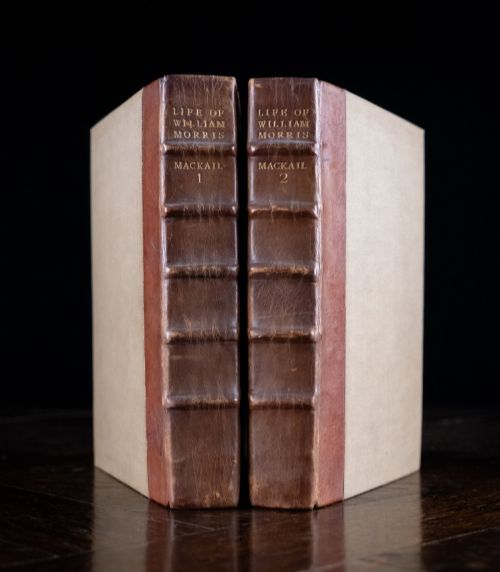
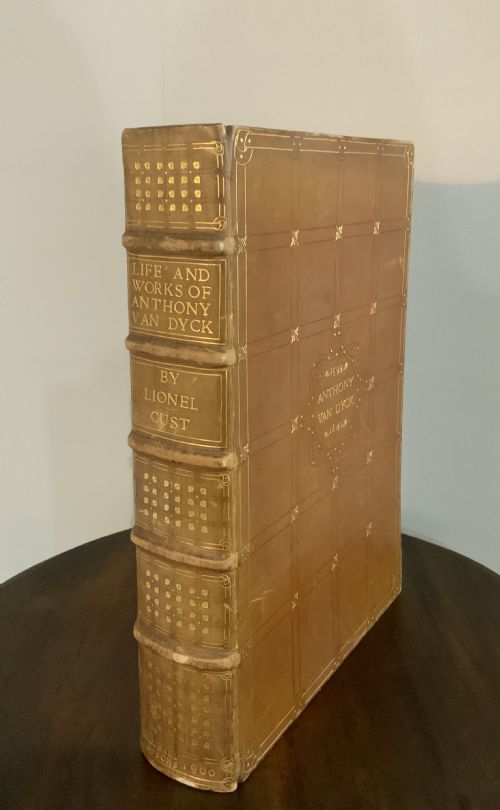
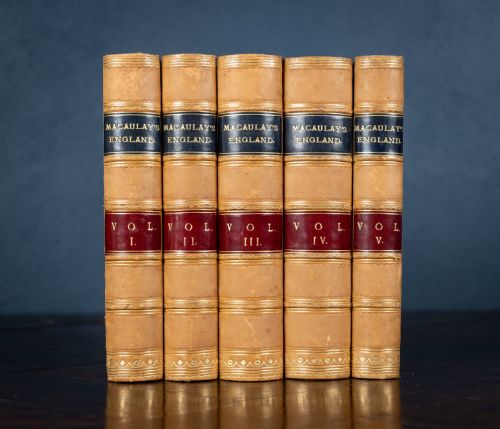
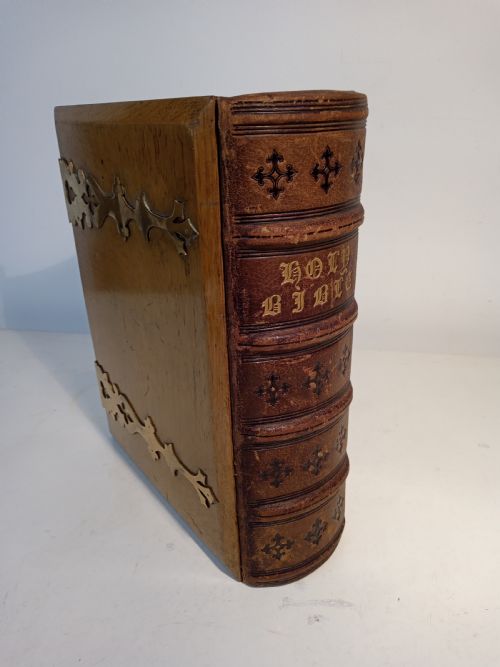
Victorian bound volumes encompass multi-volume book sets, reference works, novels, and historical texts produced primarily during the nineteenth century. These items range from single leather-clad biographies and illustrated poetry to extensive multi-volume sets covering poetry, natural history, and national chronicles.
The selections encountered here reflect the Victorian appetite for serious reading and handsome home libraries. Publishers and binders produced matched sets alongside individual titles, housing works by notable authors and historians in durable covers.
How they were made
Craftsmen utilised durable materials including calfskin leather, full leather, cloth, and marbled paper to construct these bindings. Pages comprised high-grade paper, often stitched securely before being encased in wooden or stiff board covers.
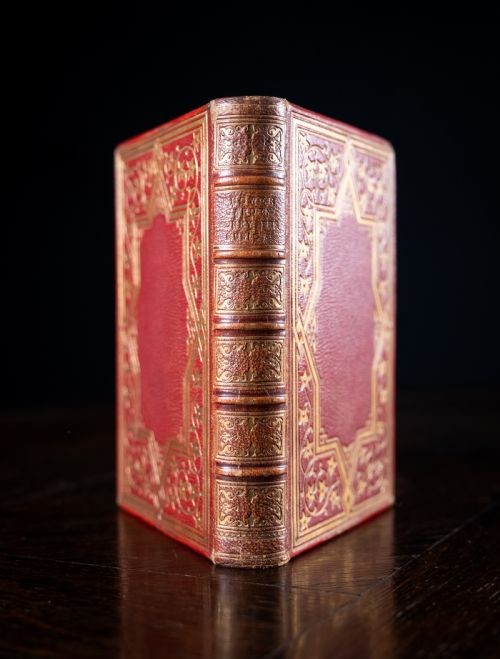
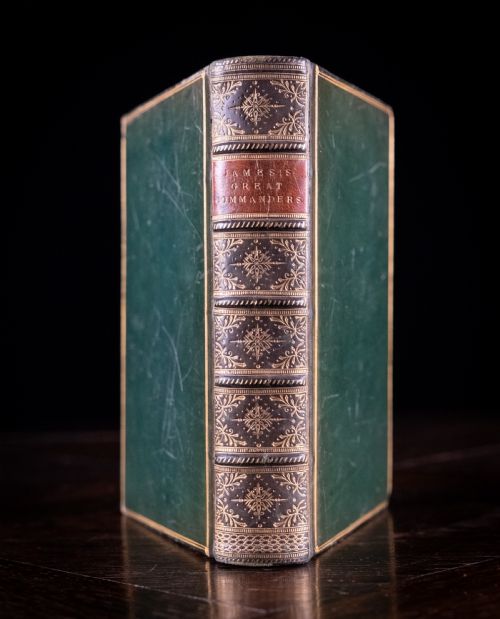
Finishing techniques relied heavily on gold leaf application for tooling and lettering along spines and boards. Binders also incorporated blind stamping and decorative cloth weaves to distinguish the exterior appearance of individual volumes and sets.
Discover volumes dedicated entirely to birds, bees, and the meandering walk from London to John O'Groats.
What varies in quality
Execution of the binding work dictates the primary division in quality among these volumes. Finer examples display precise gold leaf tooling, robust joint construction using premium calfskin, and harmonious matching across multi-volume sets.
Condition of the internal paper and plates also influences overall standard. Intact illustrations, clean margins, and firm bindings elevate copies above those exhibiting heavy wear, split hinges, or faded spine lettering.
Henry Young & Son
The Victorian Bound Volumes Glossary
- Calfskin
- A fine, smooth leather derived from the skin of a calf, frequently utilised for superior nineteenth-century book bindings. It accepts gold tooling particularly well.
- Gilt tooled
- A decorative technique applying gold leaf onto leather or cloth using heated metal tools. This creates bright metallic impressions along spines and board edges.
- First edition
- The earliest published appearance of a specific text. Collectors often seek these out for literary and historical significance.
- Marbled paper
- Paper decorated with a patterned, multi-coloured swirling design resembling marble. Binders commonly applied this material to endpapers and book covers.
- Book set
- Multiple bound volumes published as a single cohesive collection or series. They typically share uniform bindings and typography across all parts.
Victorian Bound Volumes: Frequently Asked Questions
How do I care for leather bound books?
Keep these volumes away from direct sunlight and damp environments to prevent leather desiccation and paper foxing. Maintain stable room temperatures to preserve the structural integrity of the bindings.
Dust them gently with a dry, soft cloth rather than chemical cleaners. Handle the spines carefully when removing books from crowded shelves to avoid tearing the headbands.
Are these book sets complete?
Completeness depends entirely on the specific listing description and the original publication structure. Many offerings comprise multi-volume sets housed together.
Verify the stated volume count against the publisher's original issue details where applicable. Some historical sets span several matched books built to sit together on a shelf.
What styles define Victorian book design?
Nineteenth-century binding styles shifted from plain boards toward elaborate Victorian Gothic Revival aesthetics and heavily decorated gilt covers. Publishers embraced ornate blind stamping and contrasting cloth textures.
Spines frequently featured raised bands accompanied by detailed gold leaf titling and decorative compartment panels. These visual elements aimed to showcase literary status within a home.
Can I read these antique books regularly?
Gentle reading is entirely possible with sturdier volumes, provided you support the book block and avoid forcing bindings open flat. Fragile or fully leather-bound antiquarian works benefit from careful handling.
Use bookmark ribbons rather than folding page corners to protect the paper. Storing volumes upright prevents undue pressure on the spine joints.