




Collectible Books
Collectible antique books encompass bound volumes, miniature editions and sets spanning from the seventeenth century through the Edwardian era.
Collectible Books
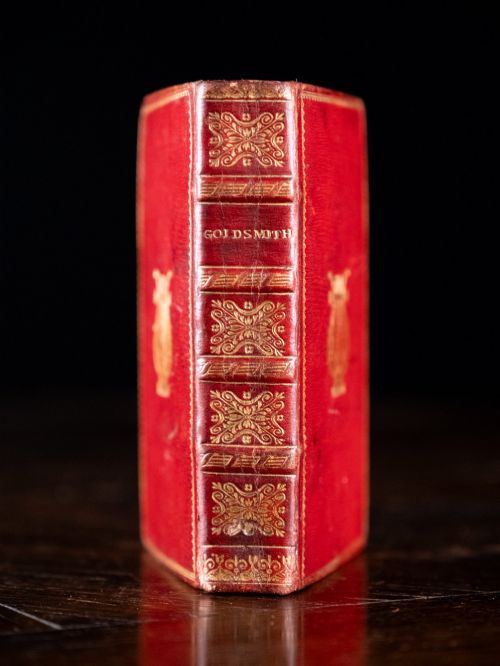
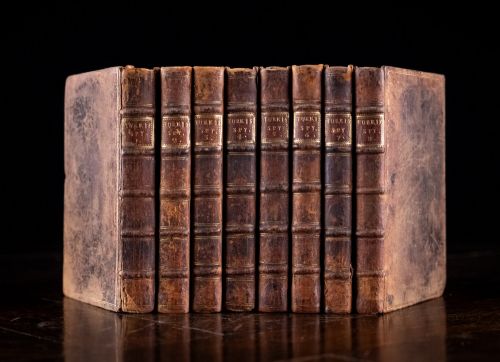
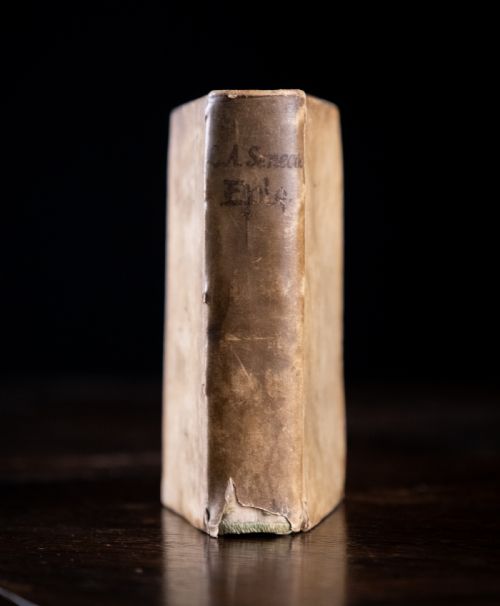
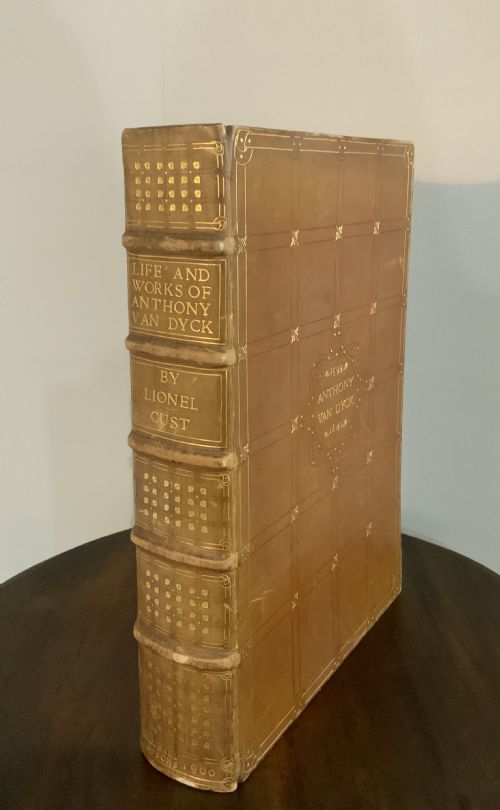
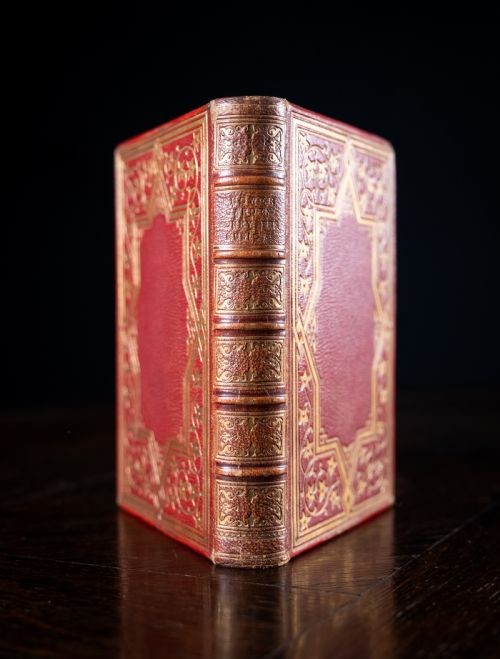
When you search for collectible antique books, you encounter volumes spanning several centuries, including seventeenth-century philosophical works, eighteenth-century letter sets and nineteenth-century poetry. These objects take the form of single books, multi-volume sets, miniature editions and specialised book-form containers like cheroot cases.
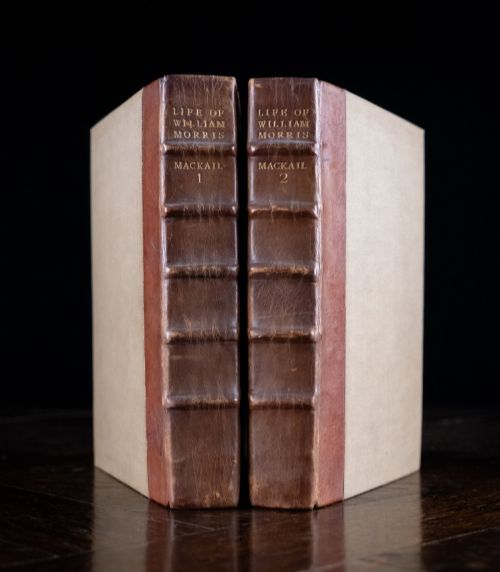
The selections on this page range from early modern editions to Victorian poetry and Edwardian biographies. Alongside traditional leather-bound volumes, the category extends to related paper and card items such as notebooks, journals and bookmarks.
Materials and construction
The physical construction of these volumes relies on traditional bookbinding materials including leather, vellum, cloth, paper and cardboard. Text blocks are sewn and bound within protective covers, often accented with gold leaf tooling on the spines and boards.
Beyond standard bookbinding, certain items incorporate alternative materials such as brass, straw, and silver. Decorative elements include gilt edges, engraved plates and specialised presentation bindings.
Materials represented in the current selection include leather, vellum, cloth, paper, cardboard, brass, straw, and gold leaf.
Assessing quality and condition
Quality in these volumes is determined by the integrity of the binding, the uniformity of sets, and the presence of original tooling or illustrations. Full leather bindings with crisp gold leaf and complete multi-volume sets occupy the upper tier of the range.
The distinction between standard reading copies and higher-tier editions often rests on publication status, such as first editions, and the preservation of delicate materials like vellum or early paper.
The Collectible Books Glossary
- Miniature Book
- A small-format book produced in a reduced scale, often measuring just a few inches in height. These volumes require specialised printing and binding techniques.
- Vellum
- A fine parchment material prepared from calfskin, frequently utilised for durable historical book bindings. It offers a smooth, cream-coloured surface that ages distinctly.
- First Edition
- The initial published appearance of a text from a specific typesetting. Collectors value these for their direct connection to the author's original release.
- Gilt Tooled
- A decoration method applying gold leaf into impressed designs on leather or cloth covers. This technique enhances the visual richness of the spine and boards.
- Book Set
- Multiple bound volumes comprising a complete work or collection of writings. They are often uniformly bound to sit cohesively on a shelf.
Collectible Books: Frequently Asked Questions
How do I date an old book?
Dating relies primarily on title page publication dates, printer colophons, and contextual historical clues within the text. Bindings and typography styles also offer strong indicators of the period.
Printers and publishers often included explicit publication years, though earlier volumes may require comparison with known historical editions and typographic conventions.
What is a miniature book?
Miniature books are exceptionally small volumes produced across various centuries for practical portability or novelty. Despite their diminutive scale, many contain complete texts.
Publishers utilised fine printing types and specialised miniature bindings to create legible texts scaled down to fit in the palm of a hand.
How should leather bound books be stored?
Leather bindings require stable environmental conditions away from direct sunlight and excessive humidity to prevent drying and cracking. Proper airflow around the volumes helps preserve organic materials.
Upright shelf storage with adequate support prevents structural distortion of the text block and spine over extended periods of time.
What does uniform binding mean?
Uniform binding refers to a multi-volume set where every book shares identical leather, cloth, or paper covers, tooling, and spine lettering. This ensures visual harmony across the entire set.
Publishers or private binderies executed these matched sets so that multi-volume histories or complete works presented a cohesive appearance on library shelves.