




Victorian Botanical Vase
A victorian botanical vase brings the colour and detail of the natural world indoors through delicate hand painted floral motifs.
Victorian Botanical Vase
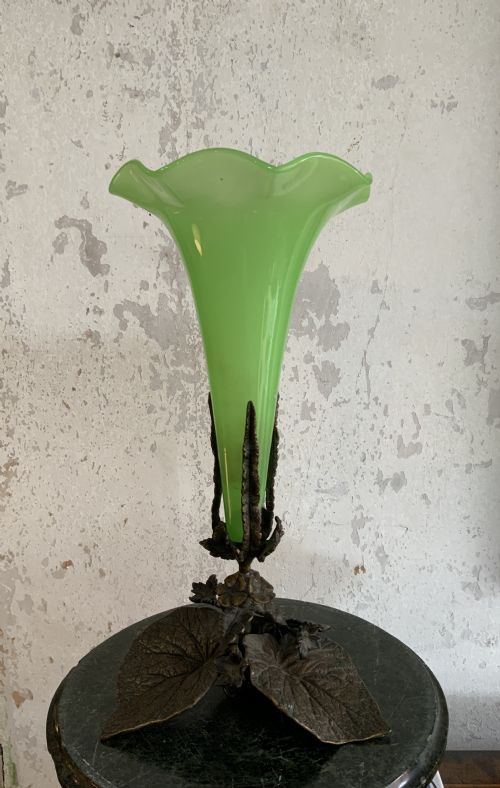
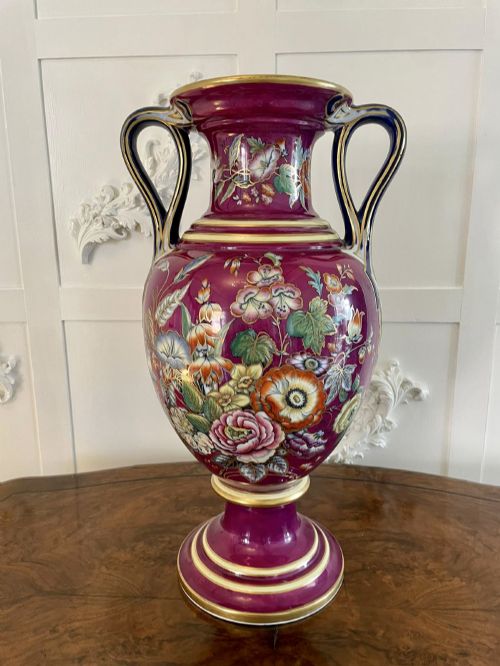
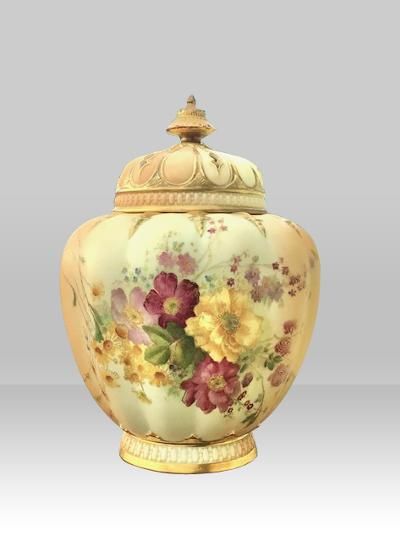
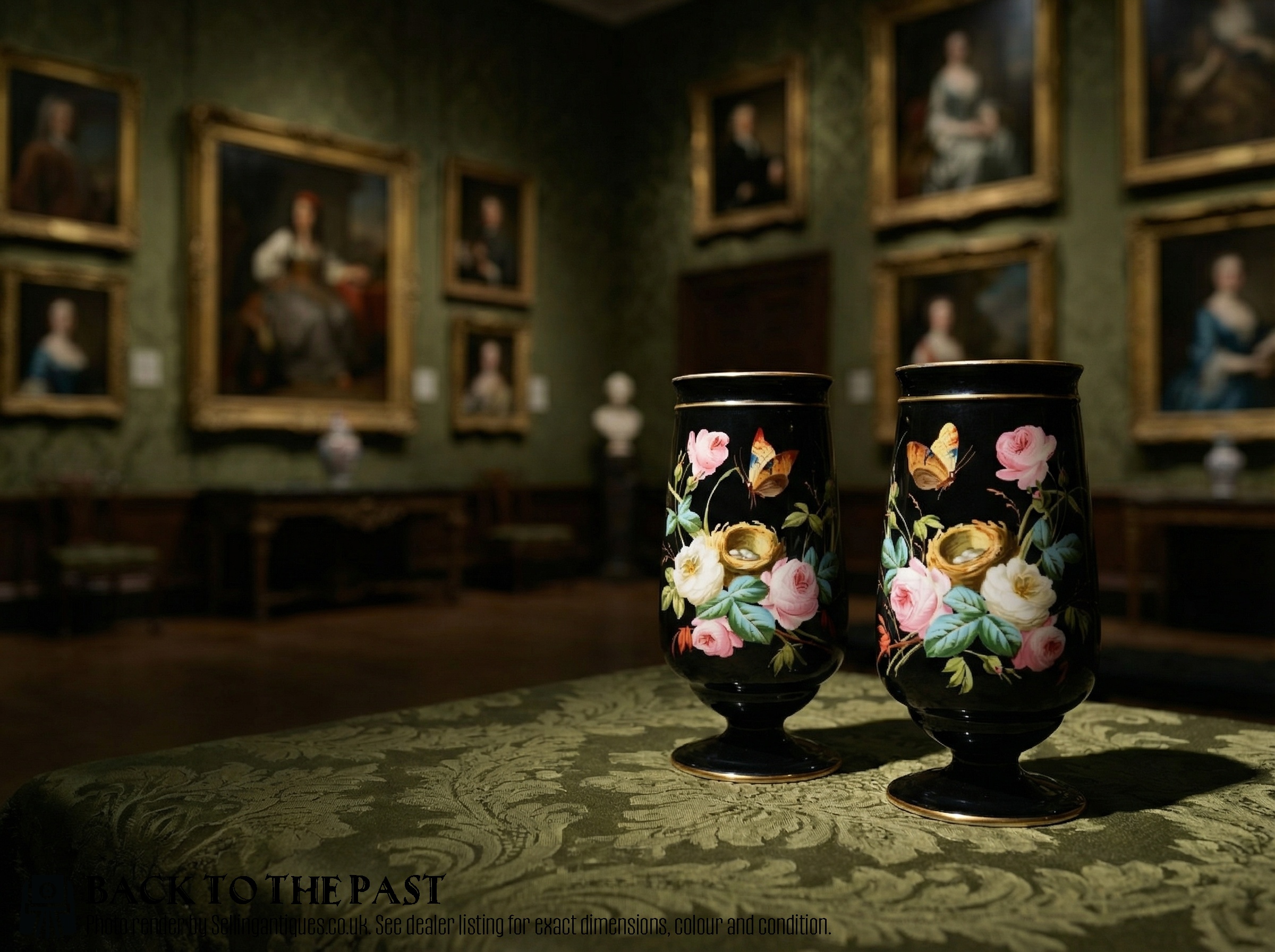
When you search for a victorian botanical vase, you are looking at ceramic and glass vessels that celebrate flowers, foliage and natural forms from the nineteenth century. The pieces you are most likely to meet on this page include porcelain urns, earthenware jugs and glass vases decorated with hand painted floral scenes, botanical studies or studio pottery designs. These objects reflect the nineteenth century fascination with natural history and garden flora, rendered in media ranging from porcelain to opaque glass.
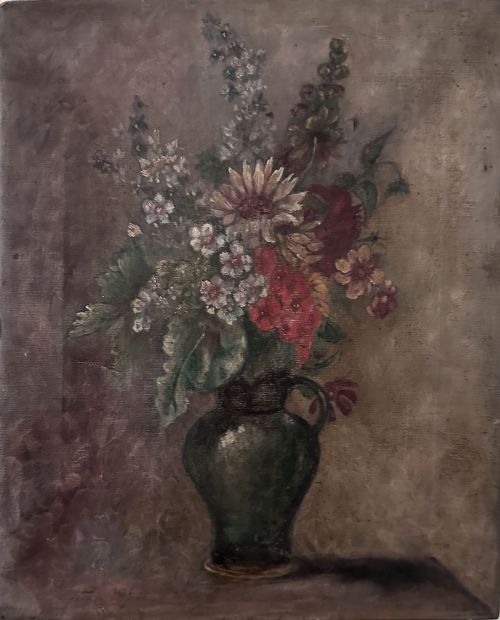
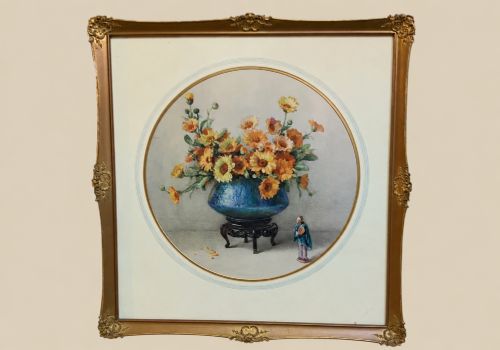
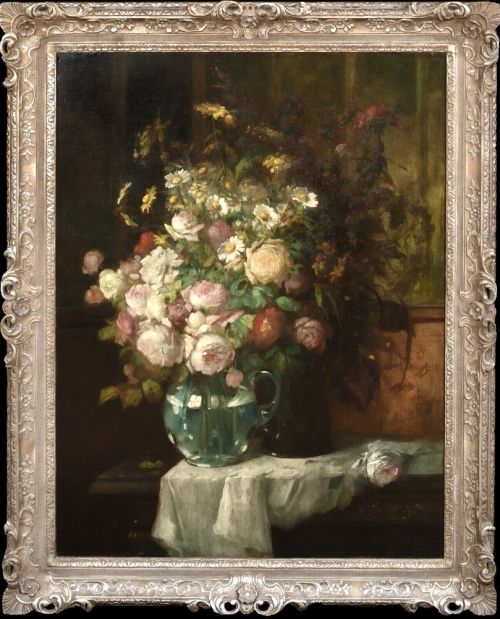
The selection ranges from Staffordshire porcelaneous bodies and Doulton Lambeth faience to Royal Worcester blush ivory wares and Thomas Webb Burmese glass. Alongside ceramic vessels, the listings capture related expressions of botanical and vase subjects in watercolours and oil paintings. Buyers will find that many items combine traditional floral painting with the decorative movements of the late nineteenth century, such as Art Nouveau and the Aesthetic Movement.
How they were made
Makers utilised fine porcelain, earthenware and specialised glass formulations like uranium and Burmese glass as the base for these botanical works. Artisans applied hand painted enamel decoration, often accented with gilding or gold leaf, to depict petals and stems directly onto the fired body. Techniques such as Slaters Patent introduced textured surfaces, while cameo glass involved carving through layered glass to reveal contrasting botanical colours.
Potteries employed slip casting and manual throwing methods to shape the vessels, followed by multiple firings to set the intricate overglaze enamels. In the studios, artists worked with mineral pigments directly on prepared ceramic grounds or utilised specialised glazes that reacted during the kiln process to create organic variations.
Victorian Botanical Vase Retail Price Guide 2026
Typical asking prices for victorian botanical vase among the pieces listed under this phrase on Sellingantiques today, from the lower quarter to the upper quarter. They describe what is for sale here now, not the wider market.
Listings feature works in porcelain, oil on canvas, watercolor pigment, and copper, spanning from the sixteenth century through the Edwardian period.
What varies in quality
The division between standard production and the top of the range rests on the skill of the hand painting and the ambition of the ceramic form. Master botanical decorators achieved botanical accuracy paired with fluid brushwork, whereas lesser pieces relied on transfer printing or stiff, repetitive floral motifs. The crispness of applied gilding and the balance of the vessel proportions also set exceptional pieces apart.
Material innovation and factory pedigree further separate the tiers. Pieces from recognised makers featuring complex experimental glass techniques or signed artistic execution command greater interest than anonymous factory wares. The depth of the enamel work and the preservation of the original hand painted surface define the enduring appeal of the better examples.
Spode China·Doulton Lambeth·Sir Edmund Elton·Ernst Wahliss·Baccarat·Thomas Webb·Royal Worcester
The Victorian Botanical Vase Glossary
- Porcelaneous
- A ceramic body that sits between earthenware and true porcelain, offering a dense and durable white surface suitable for detailed enamel painting.
- Epergne
- A central table centrepiece featuring multiple detachable vases or branches, often rendered in coloured glass and bronze.
- Faience
- Tin glazed earthenware that allows for rich painted decoration beneath or over the glaze, frequently utilised in late nineteenth century art pottery.
- Blush Ivory
- A specialised porcelain finish developed by Royal Worcester that mimics the soft, matte tone of ivory, typically decorated with tinted floral sprays.
- Cameo Glass
- An art glass technique where multiple layers of glass are fused and carved away to create raised white botanical designs against a contrasting background.
Victorian Botanical Vase: Frequently Asked Questions
How were these vases used?
In nineteenth century homes, these vessels served both a functional purpose for holding fresh garden stems and a purely decorative role on mantelpieces and cabinets. Many were designed as ornamental showpieces rather than everyday flower holders.
Larger pedestal ewers and pot pourri jars were often placed in reception rooms to add colour, display wealth and diffuse dried floral scents throughout the interior spaces.
How do I care for antique glass?
Antique glass requires gentle handling and should be washed by hand in lukewarm water using a mild, non abrasive detergent. Avoid sudden temperature changes to prevent thermal shock to older glass formulas.
Keep these pieces out of direct sunlight for extended periods to protect any delicate enamel decorations or gilded highlights from fading over time.
How do I distinguish periods?
Distinguishing periods involves looking at the combination of ceramic body, colour palette and stylistic influences such as Aesthetic Movement symmetry or Art Nouveau asymmetry. Factory marks on the underside often provide precise clues to the decade of production.
Earlier nineteenth century pieces tend towards formal classical shapes with rich gilding, while items from the late Victorian and Edwardian eras embrace organic studio pottery forms and pastel blush ivory grounds.