
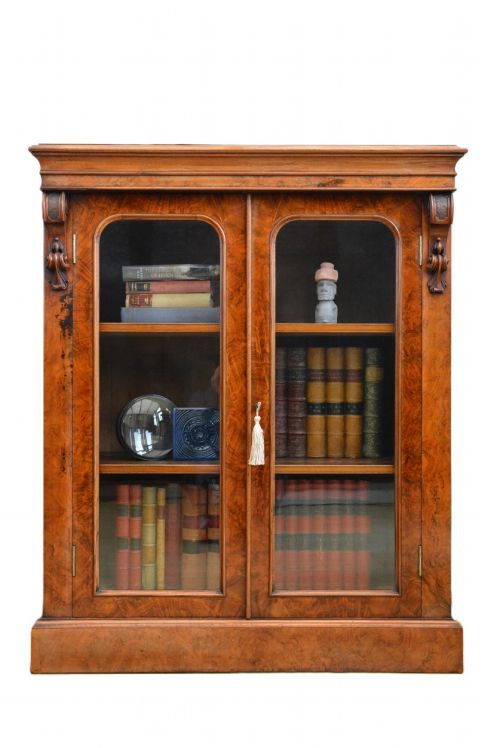
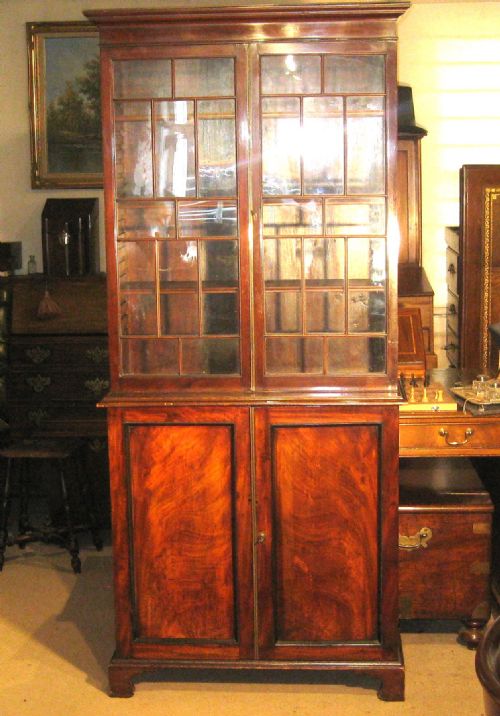
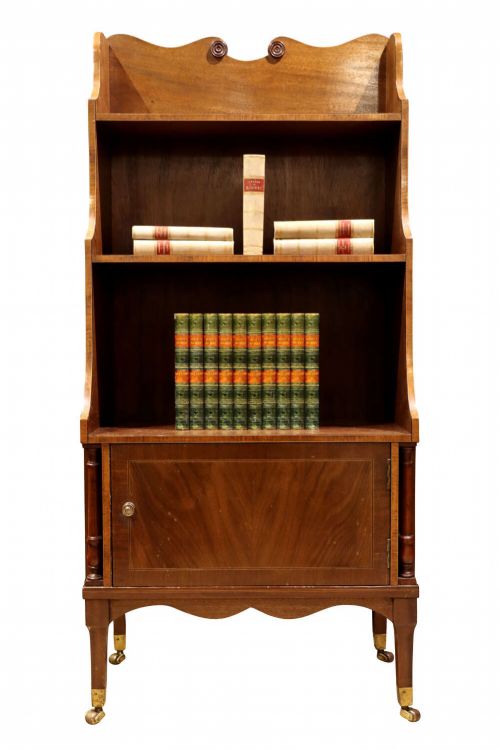

Victorian Book Cupboard
When you search for a victorian book cupboard, you are looking at solid timber repositories designed to house libraries while concealing ledgers or volumes behind lower doors.
Victorian Book Cupboard
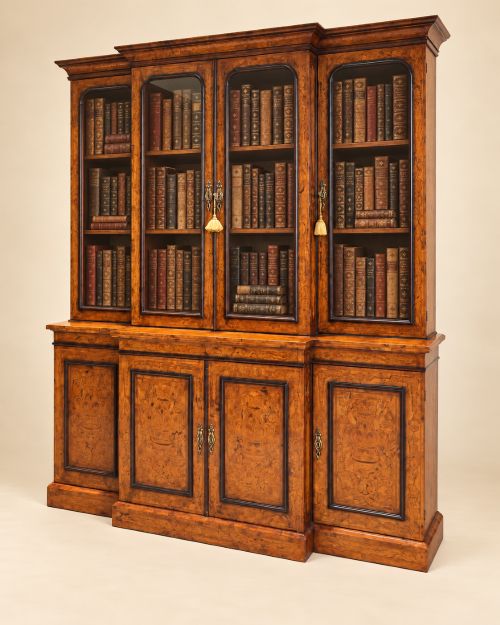
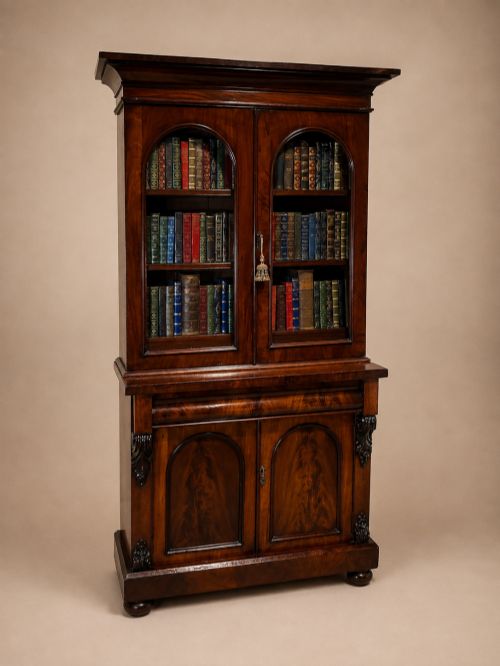
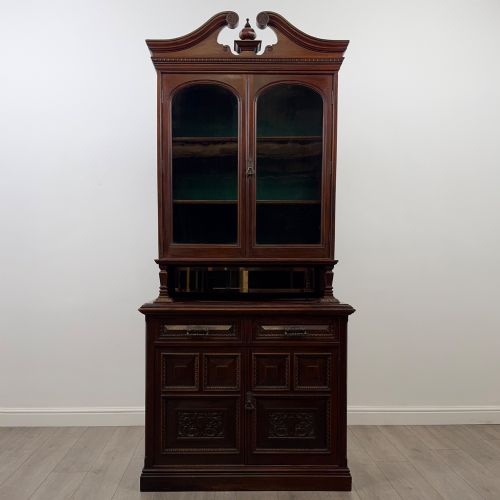
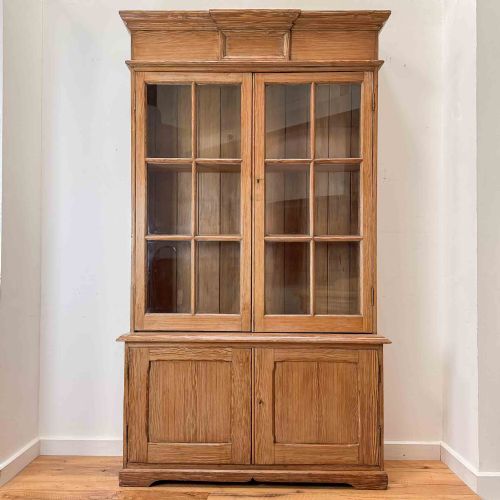
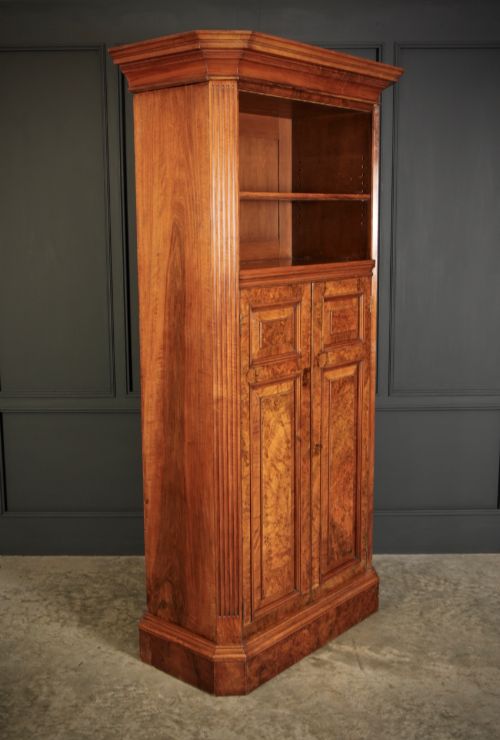
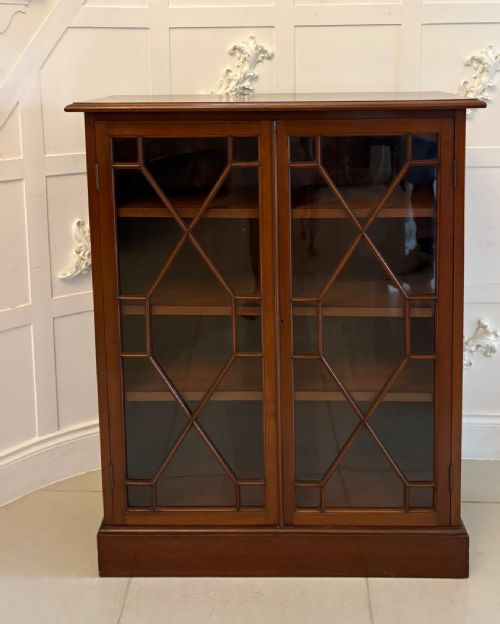
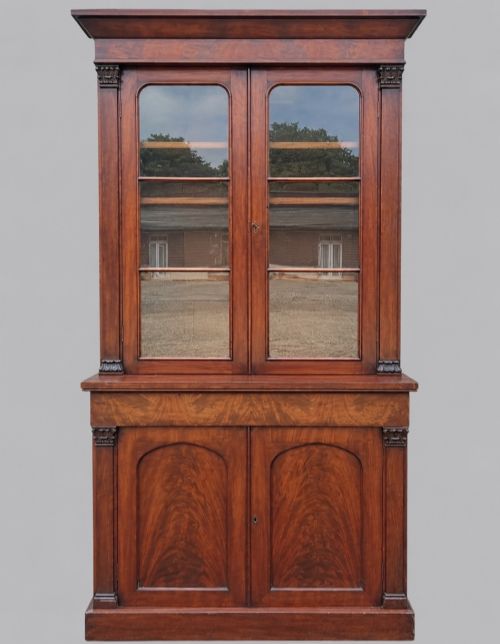
A victorian book cupboard typically combines open or glazed shelving above with panelled wooden doors below, creating a dual-purpose storage unit for the home library or study. These items originate predominantly from the nineteenth century, reflecting the domestic appetite for organised reading material and private collections.
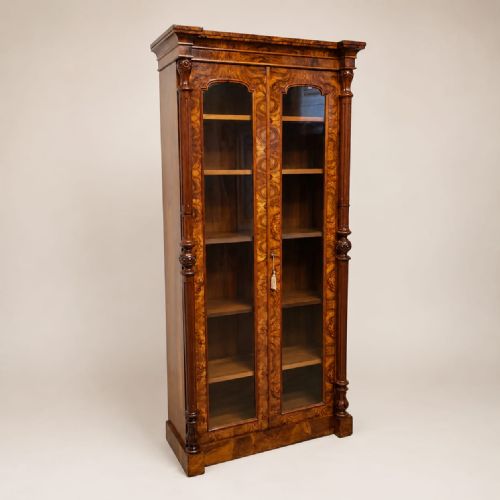
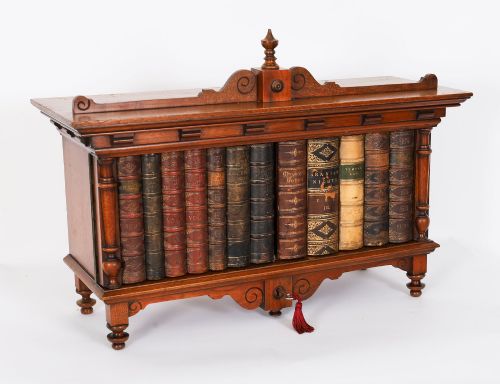
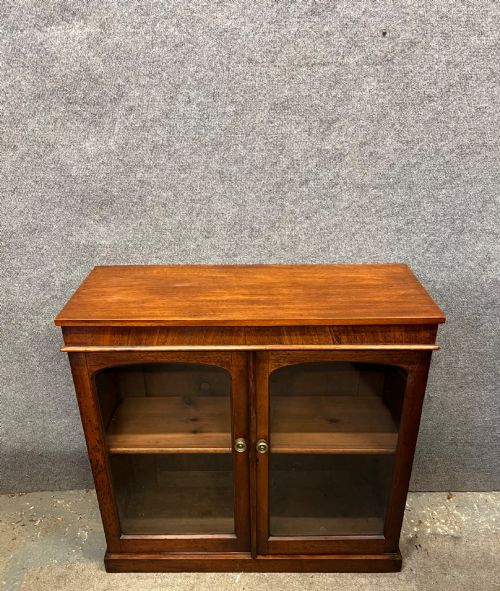
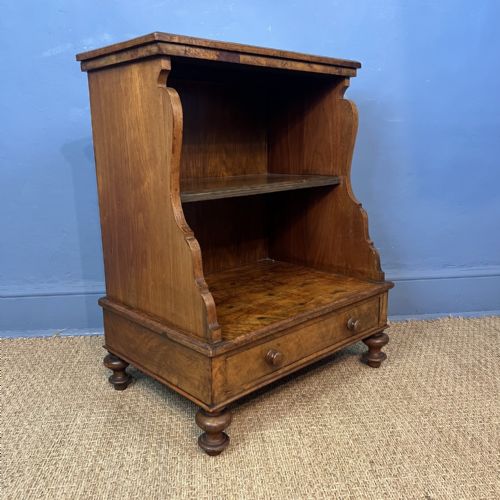
The version most commonly encountered on this page is the mahogany or walnut library bookcase resting on a cupboard base, frequently dated towards the middle and later decades of the nineteenth century. Alongside these full-sized library pieces, one finds smaller tabletop cabinets, waterfall shelves, and occasional pitch pine or oak variations from Irish and English workshops.
How they were made
Cabinet makers utilised dense hardwoods such as mahogany, walnut, and rosewood, often selecting figured veneers like burr walnut or pollard oak for the principal display surfaces. Secondary timbers like pine appear in internal shelving and carcase backs, while brass is common for handles, hinges, and castors.
Construction relies on traditional joinery techniques, combining pegged mortise and tenon frames with hand-dovetailed drawer boxes and panelled doors. Glazed upper sections use wooden astragals to hold individual panes of glass, and surfaces are finished with hand-applied polish that highlights the natural grain of the wood.
Listings feature woods spanning mahogany, walnut, burr walnut, rosewood, oak, pollard oak, pitch pine, and brass-mounted fixtures across the nineteenth century.
What varies in quality
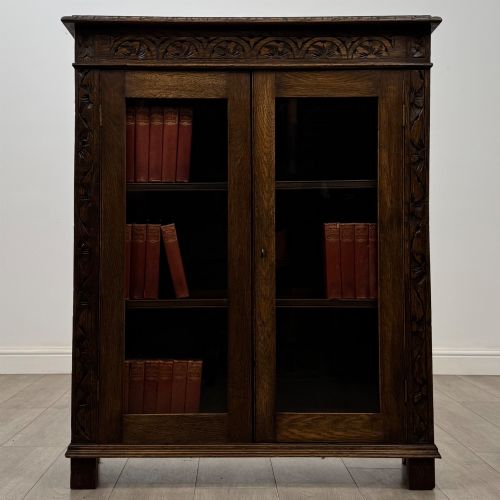
The standard of a victorian book cupboard depends heavily on the selection of timber veneers and the precision of the cabinet work. Pieces featuring book-matched figured walnut or finely carved oak mouldings sit at the higher end of the range, showing careful attention to visual continuity across the doors and drawer fronts.
Structural integrity also dictates quality, visible in the snugness of door closures, the weight of the brass hardware, and whether internal shelves remain fully adjustable. Simpler utilitarian pieces constructed from pitch pine or plain mahogany represent a more modest standard of domestic utility rather than grand library display.
The Victorian Book Cupboard Glossary
- Breakfront
- A cabinet design where the central section projects forward from the flanking wings. This architectural arrangement creates depth and shadow across the front elevation of large library pieces.
- Astragal
- The narrow wooden moulding that divides and holds the individual panes of glass within a glazed cabinet door. Fine astragals indicate careful craftsmanship in display furniture.
- Secretaire
- A desk drawer fitted with a drop-front writing flap and internal pigeonholes or small drawers. It allows a bookcase to function simultaneously as a writing station.
- Pollard oak
- Timber taken from oak trees that have been pollarded, producing a dense, knotty grain pattern with rich figuring. It was favored by makers working in revival styles.
- Waterfall bookcase
- A shelving unit with receding tiers that step back as they rise, creating a stepped profile resembling cascading water. These pieces are typically smaller and more portable than standard library bookcases.
Victorian Book Cupboard: Frequently Asked Questions
How do I care for a wooden bookcase?
Keep the timber away from direct heat sources and sudden humidity changes to prevent the wood and veneers from splitting. Regular dusting with a soft, dry cloth maintains the polished finish.
Apply a traditional beeswax polish occasionally to nourish the timber and preserve its natural lustre. Avoid using modern silicone sprays, which can penetrate the old polish and damage the surface over time.
How do I distinguish between periods?
Early pieces from the 1830s and 1840s often display simpler architectural lines or heavy mahogany solids associated with the late Georgian and William IV eras. Pieces from the 1880s frequently incorporate more elaborate carvings, burr walnut veneers, or Gothic revival motifs.
Examining the interior construction, drawer linings, and secondary woods helps confirm the era of manufacture. Regional variations, such as Irish country pieces, often use locally sourced timbers like pine alongside traditional hardwood facades.
Can the shelves be adjusted?
Many nineteenth-century library bookcases feature adjustable shelving systems supported by wooden ratchets, brass studs, or metal strip tracks. This allowed owners to alter shelf heights to accommodate books of varying sizes.
Simpler or earlier vernacular pieces may have fixed shelves secured directly into the carcase sides. Checking the interior uprights reveals whether the shelving height can be modified.