



Victorian Bonbonniere Bowl
A victorian bonbonniere bowl is a small, decorative receptacle designed for holding sweets and sugar confections, prized for its craftsmanship and historical charm.
Victorian Bonbonniere Bowl
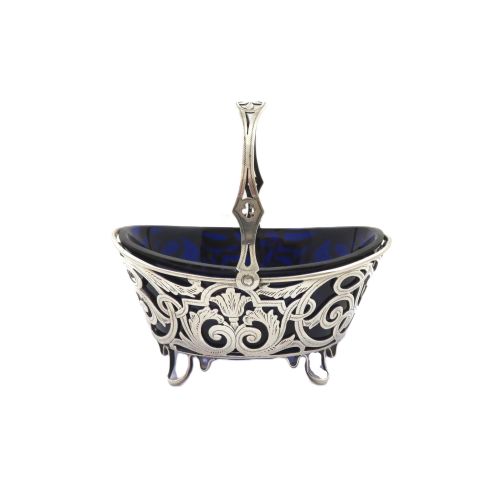
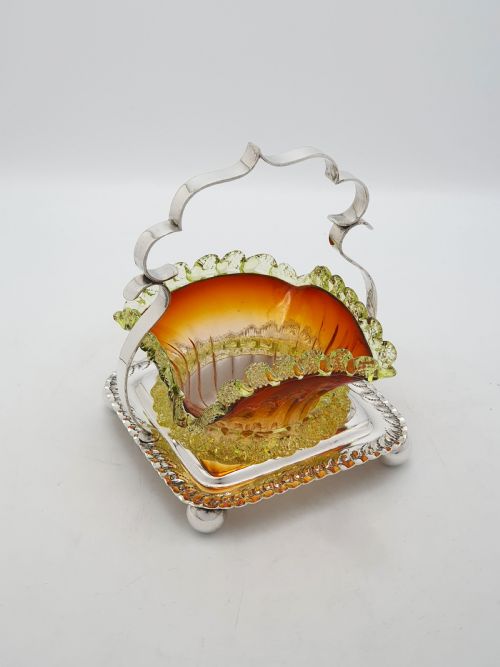
When you search for a victorian bonbonniere bowl, you encounter a variety of small decorative vessels designed to hold sweets and confectioneries on the dining table or drawing room surface. These pieces generally span the nineteenth century and the early twentieth century, incorporating periods from the Victorian era through to the Edwardian period. The forms vary from open baskets and sweet bowls to covered jars and handled dishes.
The objects frequently appear in silver, silver plate, and various types of glass including cobalt, amber, cranberry, and pink opaque glass. Styles range from straightforward Victorian designs to more elaborate Rococo Revival pieces and flowing Art Nouveau creations. Buyers often find pairs of pierced silver baskets alongside single cut glass jars and handled sweet dishes.
How they were made
Makers utilised traditional metalworking techniques such as piercing, casting, and plating to produce the silver and silver-plated frames, baskets, and mounting hardware. Silversmiths worked precious metals into intricate openwork patterns or shaped them into solid oval and round vessels.
Glass components were created using hand-blown and cut crystal methods, resulting in vibrant colours like cranberry and amber, as well as opaque pink finishes. Liners and glass inserts were then fitted precisely into metal baskets and swing-handled frames.
Victorian Bonbonniere Bowl Retail Price Guide 2026
Typical asking prices for victorian bonbonniere bowl among the pieces listed under this phrase on Sellingantiques today, from the lower quarter to the upper quarter. They describe what is for sale here now, not the wider market.
What varies in quality
The distinction between ordinary and superior pieces rests on the weight of the metal, the clarity and depth of the glass cutting, and the crispness of any pierced or chased ornamentation. Solid silver and heavy cut crystal demonstrate a higher grade of material use than silver-plated alternatives with thin glass liners.
Design execution and maker attribution also influence the character of the object, with recognised workshops delivering more refined detailing on handles, rims, and swing mechanisms. The overall preservation of original glass inserts and the crispness of hallmarks add further weight to the standing of an individual piece.
William Comyns·W M F
The Victorian Bonbonniere Bowl Glossary
- Bonbonniere
- A small ornamental box or bowl specifically made for holding bonbons or sweets. These items were popular social accessories in the nineteenth century.
- Pierced
- A decorative technique where metal is cut through to create openwork patterns and designs. This method lightened the visual weight of silver baskets.
- Cranberry glass
- A type of transparent red glass coloured with gold oxide during manufacture. It frequently appears in nineteenth-century tableware.
- Sterling silver
- An alloy containing a high proportion of pure silver combined with other metals for durability. It is standard for quality British tableware.
- Art Nouveau
- A stylistic movement characterised by organic, flowing lines and natural motifs. It influenced decorative arts around the turn of the twentieth century.
Victorian Bonbonniere Bowl: Frequently Asked Questions
What were bonbonniere bowls used for?
These bowls served as elegant table receptacles for holding sugared almonds, small sweets, and bonbons during formal gatherings and afternoon teas.
Hostesses displayed them on sideboards or dining tables as both functional tableware and decorative conversation pieces.
How do I clean silver and glass bowls?
Silver components require gentle cleaning with a specialised cloth or polish to maintain the finish without removing thin plating. Glass liners should be washed by hand in warm soapy water rather than submerged in harsh chemical solutions.
Careful handling prevents damage to fragile hand-blown edges and delicate swing handles.
How can I tell the period?
Dating relies on examining hallmarks stamped into the silver, stylistic indicators such as Art Nouveau curves or Rococo Revival scrolls, and manufacturing methods. Comparing the type of glass and colour variations also helps narrow down the decade of production.
Consulting maker marks provides a precise confirmation of origin and date.
Are liners original to the bowls?
Determining originality involves checking whether the glass insert fits the exact contours of the metal basket without excessive movement. Consistent wear patterns between the metal frame and the glass often indicate they have remained together since manufacture.
Replacements are common in glassware due to breakage over time.