




Victorian Boardroom Table
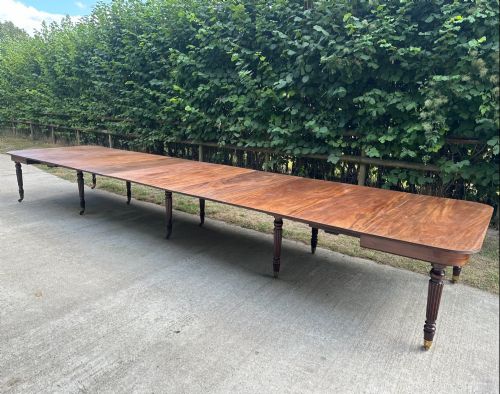
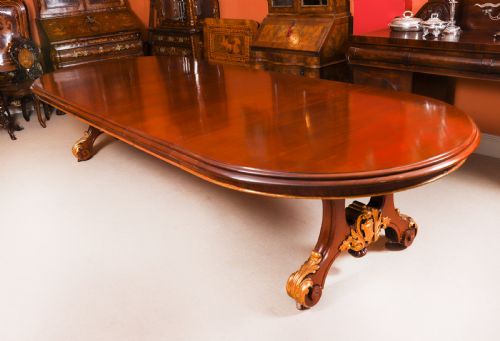
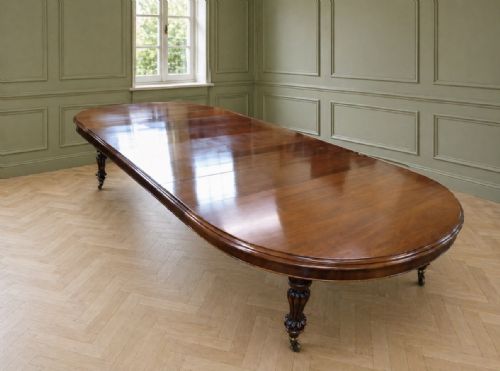
A victorian boardroom table is a substantial piece built to anchor a large room, offering generous proportions and timber construction.
Victorian Boardroom Table
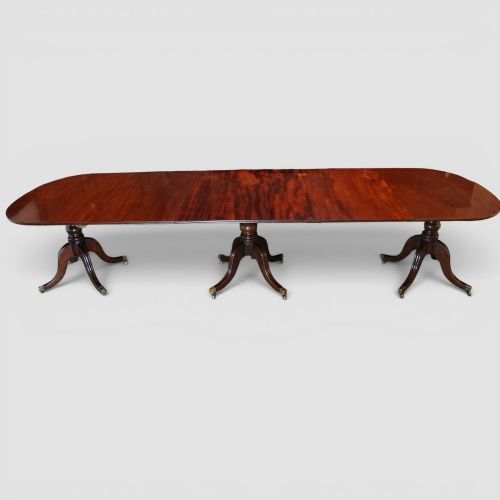
A victorian boardroom table usually appears as an extending mahogany dining table or a heavy oak table suited to large gatherings, often measuring twelve feet or longer.
The selection ranges from twin and triple pedestal dining tables to massive extending formats designed to seat sixteen to twenty people or more.
Makers and styles span from Regency-influenced designs to Elizabethan Revival and Reformed Gothic pieces, alongside related boardroom items like clocks.
Materials and construction
Makers relied primarily on mahogany and oak, supplemented by timber, brass fittings, and occasional leather or fabric inserts.
Extension systems utilised multiple pillars, pedestals, and leaves to accommodate large seating capacities without losing stability.
Some boardroom clocks feature musical movements to ensure meetings ended promptly with a tune.
Judging quality
The distinction lies in the grade of figured timber, the complexity of the carving, and whether the construction bears attribution to known makers.
Proportion and mechanism reliability dictate value, where superior extending systems operate smoothly despite supporting immense lengths of wood.
Gillows·Wylie and Lochead
The Victorian Boardroom Table Glossary
- Pedestal table
- A table supported by one or more central pillars rather than four corner legs. This construction allowed greater legroom for seated guests.
- Extending table
- A table fitted with a mechanism and removable leaves to increase its length. These allowed rooms to adapt from daily use to large assemblies.
- Fusee clock
- A clock driven by a spring acting through a fusee cone to maintain even power. They were built for precision in formal interiors.
- Gothic Revival
- A style drawing on medieval architectural motifs such as pointed arches and heavy tracery. It appeared frequently in mid-nineteenth-century oak furniture.
- Figured mahogany
- Timber showing distinctive natural grain patterns like flame or curl. Cabinet makers selected these boards for prominent table surfaces.
Victorian Boardroom Table: Frequently Asked Questions
How many people do these seat?
These tables frequently accommodate anywhere from ten up to twenty-six people depending on their length and the addition of extra leaves.
Larger formats designed for institutional or corporate settings often require substantial rooms to allow adequate space for chairs all around.
Are these tables good for daily dining?
Their heavy timber construction and generous proportions make them exceptionally durable for everyday meals as well as formal gatherings.
Protecting the polished timber surface with appropriate coverings prevents daily wear while preserving the finish.
How do I identify the period?
Dating relies on observing the timber choice, construction techniques, and stylistic markers such as Victorian Gothic details or Regency influences.
Makers' stamps or brass mechanisms can also offer precise clues to the date of manufacture.
What is the difference between mahogany and oak versions?
Mahogany examples often feature warm reddish-brown tones and fine figuring suited to refined dining and boardroom spaces.
Oak variants typically appear in heavier Revival styles, displaying prominent grain and robust construction.