



Victorian Blue Glass Carafe
A Victorian blue glass carafe brings rich cobalt colour and hand-blown character to a table, offering both utility and a distinct nineteenth-century aesthetic.
Victorian Blue Glass Carafe
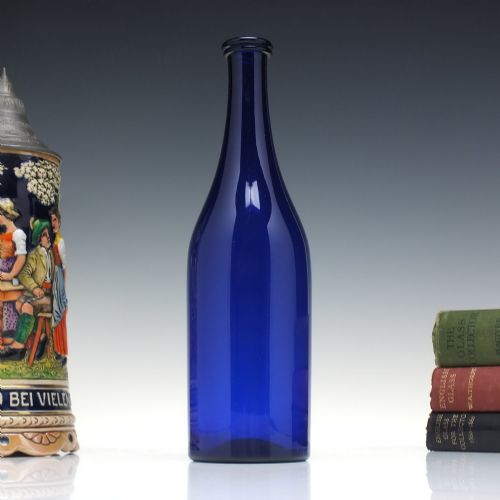
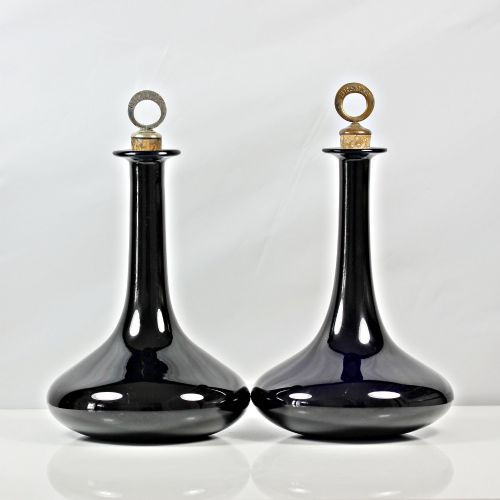
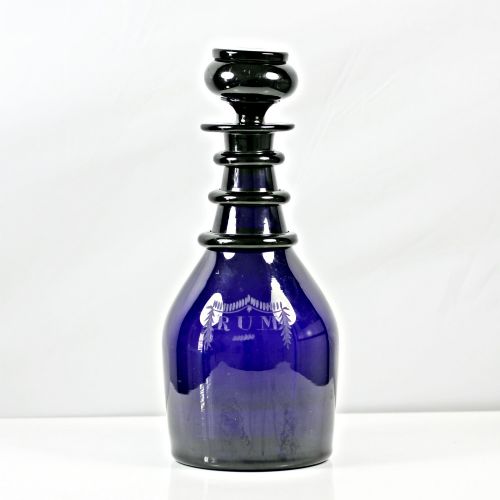
When you search for a victorian blue glass carafe, you are looking at nineteenth-century vessels designed for serving water, wine, and spirits. These range from functional three-ring rum decanters and mell decanters to serving bottles and water jugs.
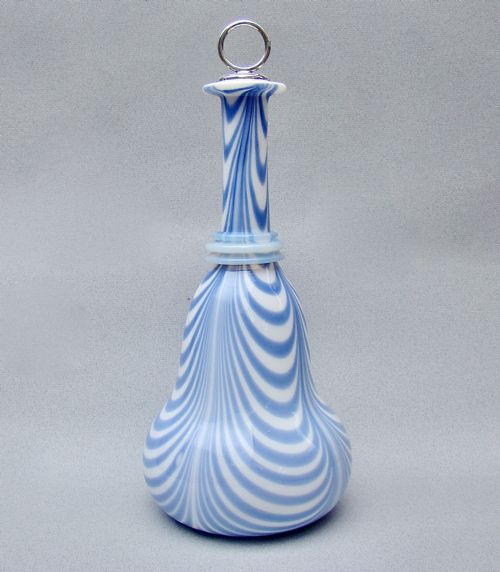
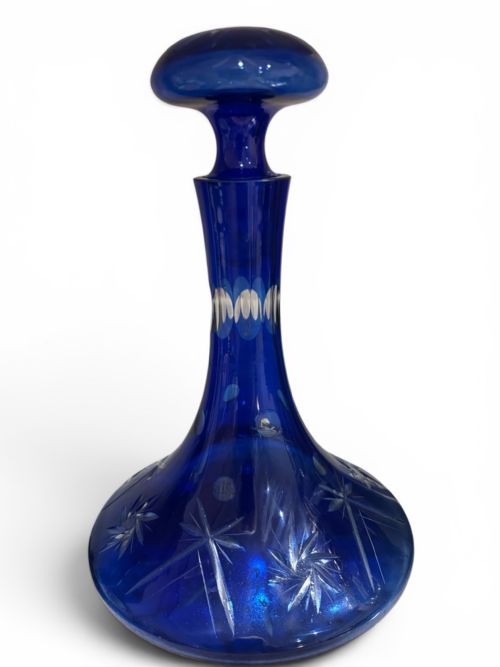
You are most likely to meet Bristol blue glass pieces alongside Bohemian export works and Nailsea examples on this page. The forms span the Victorian era, William IV periods, and around nineteen hundred, reflecting diverse British and continental glassmaking traditions.
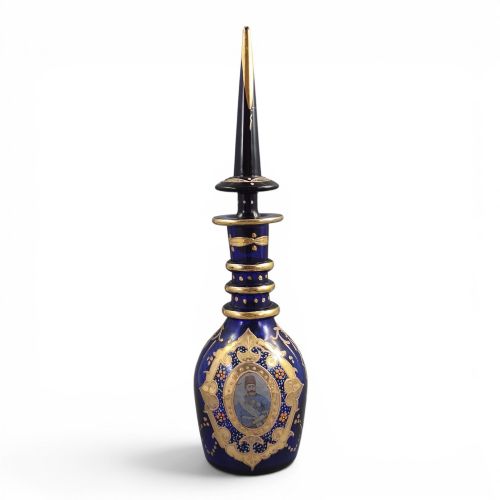
The styles encompass classic British Victorian and Scottish Victorian designs, as well as Bohemian interpretations made for the Persian Qajar market. Each object serves as a tangible piece of nineteenth-century domestic serving culture.
How they were made
Makers utilised free-blown and hand-blown glass techniques to shape the rich cobalt and Bristol blue material into decanters and bottles. Surface decoration often involved delicate enamel work, gold leaf application, and trailed glass details.
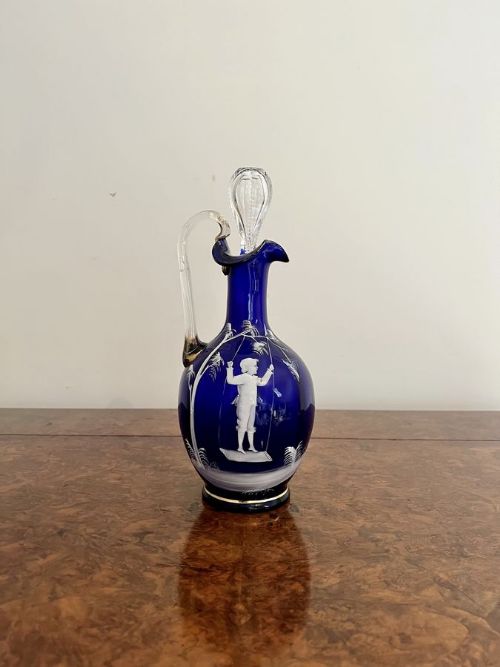
Many vessels incorporated fitted elements such as silver plate mounts, original corks, and metal or silver necks to complete the design. Artisans also employed traditional Mary Gregory painting styles to depict white figural scenes upon the dark blue glass.
Victorian Blue Glass Carafe Retail Price Guide 2026
Typical asking prices for victorian blue glass carafe among the pieces listed under this phrase on Sellingantiques today, from the lower quarter to the upper quarter. They describe what is for sale here now, not the wider market.
Some nineteenth-century makers evidently decided that serving rum required three distinct rings on the neck to ensure a secure grip.
What varies in quality
The distinction between ordinary and superior pieces lies in the depth of the glass colour and the precision of the hand-blowing. Heavier, well-balanced vessels with clean pontil marks demonstrate superior craftsmanship.
Surface embellishments reveal differences in artistry, where crisp enamel painting, intricate gold leaf detailing, and high-grade silver plate or metal mounts elevate the visual and tactile appeal of the piece.
The Victorian Blue Glass Carafe Glossary
- Bristol blue glass
- A deep cobalt-coloured glass traditionally produced in the Bristol area during the eighteenth and nineteenth centuries. This intense hue remains a defining characteristic of many British decanters.
- Mell decanter
- A specific decanter shape featuring a rounded body and a tapering neck, often associated with nineteenth-century serving vessels. The form provides a stable base for the storage of wine and spirits.
- Nailsea glass
- Glassware characterised by looped, trailed, or splashed opaque white threads embedded within a coloured glass body. It takes its name from the Nailsea glassworks near Bristol.
- Pontil mark
- The rough scar left on the base of a glass vessel where the pontil rod was detached after blowing. Its presence indicates traditional hand-blown manufacturing methods.
- Old Sheffield plate
- A composite material formed by fusing a thin sheet of silver to a thicker copper base, common in nineteenth-century mounts and hardware. This technique predates modern electroplating.
Victorian Blue Glass Carafe: Frequently Asked Questions
What is a victorian blue glass carafe used for?
These vessels were primarily created to serve water, wine, and spirits at the dining table or in the parlour. Their vibrant colour also made them decorative display items on sideboards and in cabinets.
Today, collectors use them to serve beverages or display them as examples of nineteenth-century glassmaking artistry.
How do I distinguish Bristol blue from Bohemian glass?
Bristol blue pieces typically align with British manufacturing traditions, often featuring classic shapes like mell or three-ring decanters. Bohemian examples frequently incorporate distinct export styling, such as elaborate enamel work tailored for specific international markets.
Examining the weight, hue, and decorative motifs helps identify the likely regional origin of the glass.
How should I clean my antique glass carafe?
Antique glass requires gentle handling, so hand washing in lukewarm water with mild soap is recommended. Avoid sudden temperature changes to prevent thermal shock and potential cracking of the historical material.
Care should be taken around fitted metal necks, silver plate mounts, and delicate enamel or gold leaf decorations.
Are these carafes safe for serving drinks?
Most nineteenth-century carafes were manufactured for domestic serving purposes and remain suitable for holding water or wine. However, owners should check for any internal residue or damage to the glass before use.
Fitted components like corks or metal mounts should also be assessed for cleanliness and stability.