


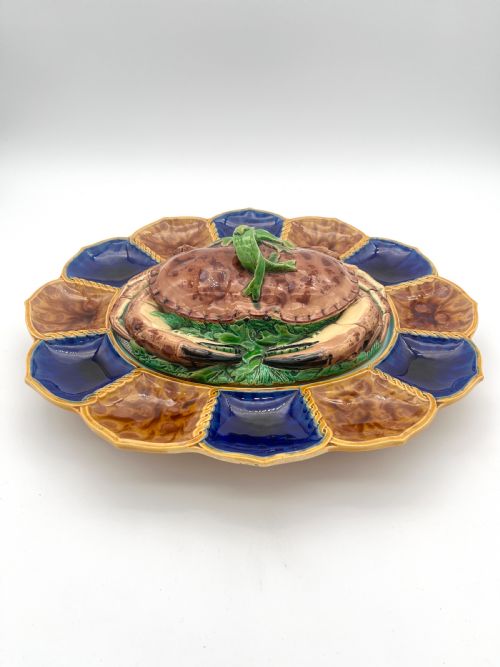


Victorian Blue Ceramic Platter
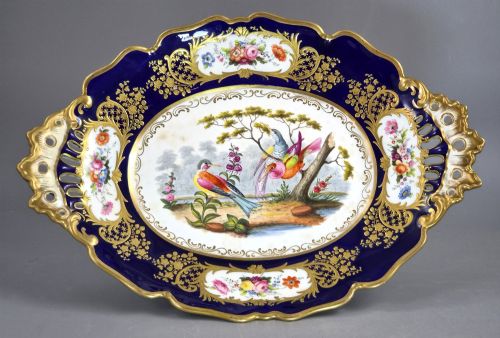
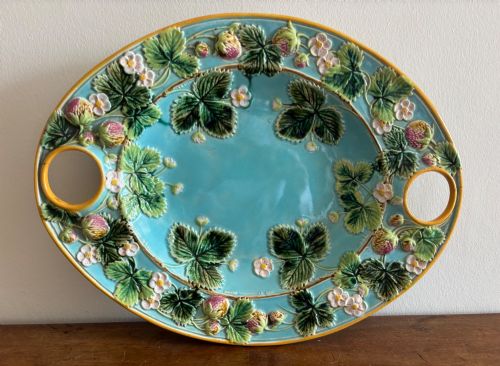
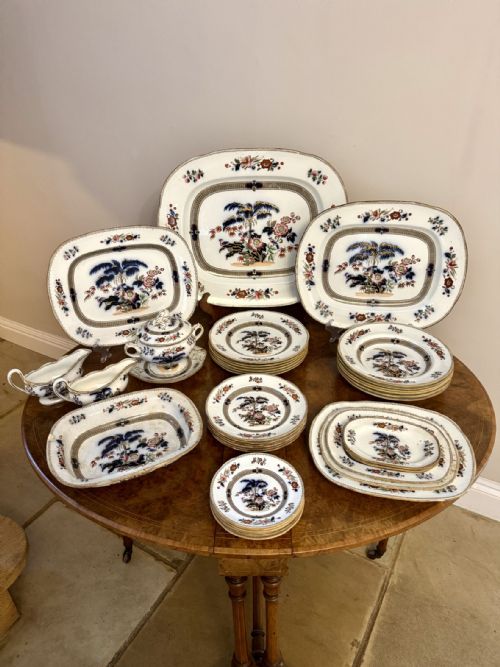
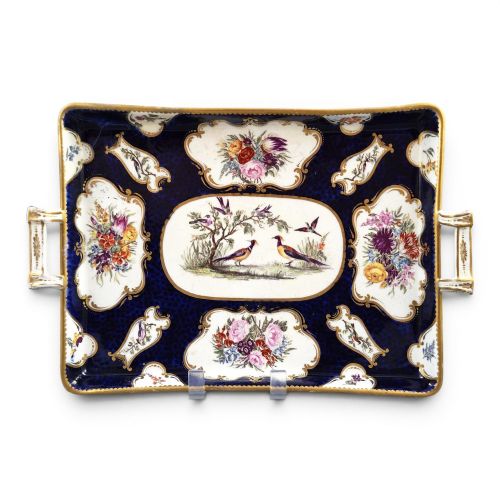
These pieces are a victorian blue ceramic platter, heavy serving dishes that carried joints of meat to nineteenth century dining tables.
Victorian Blue Ceramic Platter
When you search for a victorian blue ceramic platter, you find substantial earthenware, ironstone and porcelain serving vessels made to hold large quantities of food for family dining. These pieces range from simple transfer printed meat dishes intended for everyday dining to heavily decorated chargers and chargers with intricate Japanese Imari or Chinoiserie patterns.
The versions you meet most often on this page are nineteenth century English transfer printed meat platters and large chargers featuring rich cobalt blue decoration. Makers utilised earthenware and ironstone bodies to withstand the weight of heavy joints, applying deeply impressed makers marks and topographical or exotic scenes across the surface.
Some examples include fitted drainers designed to catch juices beneath meat, whilst others take the form of large circular chargers meant for display on sideboards or walls. The design vocabulary draws heavily from mid-nineteenth century tastes, encompassing classical architectural views, bird motifs and blue and white garden landscapes.
Materials and technique
Potters built these serving dishes using durable earthenware, dense ironstone or porcelain bodies, coated in a clear or tinted glaze to seal the porous clay beneath. The iconic blue imagery was frequently applied using copper plate transfer printing, a technique that allowed intricate patterns like Windsor Castle or Chinese Garden to be transferred onto the curved ceramic surface before firing.
Makers enhanced certain plates with hand-painted enamel colours and gold leaf highlights over the printed cobalt blue design, adding depth and richness to floral and avian motifs. High temperature kiln firings fused the glaze and pigments into a hardwearing finish that survived decades of service in busy dining rooms.
Some nineteenth century meat dishes arrived at the table with built-in drainage channels so eager diners could watch the gravy pool away from the roast.
Evaluating quality
Quality in these ceramics rests on the clarity of the transfer print, the weight and density of the clay body, and the crispness of any impressed factory marks on the reverse. Superior examples display sharp, deep blue lines without blurring or smudging, even across the complex curves of large well and tree platters.
Artistic execution sets exceptional decorative chargers apart from standard utility ware, particularly where hand-painted enamels and gilding complement the underglaze blue printing. Well-balanced forms with intact original drainers and minimal firing warps command greater attention from collectors.
Coalport·George Jones·Wedgwood·Minton·John Ridgway·Copeland and Garrett·Royal Crown Derby
The Victorian Blue Ceramic Platter Glossary
- Transfer print
- A method of decorating ceramics by pressing paper stamped with metallic oxide ink onto an unglazed or biscuit fired clay body. This technique enabled factories to produce detailed pictorial scenes consistently across large production runs.
- Ironstone
- A dense, vitreous type of earthenware patented in the nineteenth century to provide a durable alternative to porcelain. It resists chipping and staining well, making it the preferred material for heavy serving platters.
- Well and tree
- A platter design featuring a carved channel running around the edge that drains into a sunken well at one end. This feature captured meat juices during carving at the dining table.
- Charger
- A large decorative plate or platter intended primarily for display on a sideboard or wall rather than for serving food. These pieces often showcase elaborate hand-painted or transfer printed designs.
- Flow blue
- A style of cobalt blue printing where lime or ammonia gas was introduced into the kiln during firing to intentionally blur the edges of the pattern. This technique created a soft, hazy aesthetic popular in mid-nineteenth century tableware.
Victorian Blue Ceramic Platter: Frequently Asked Questions
How were these large platters used?
These platters served as the central vessels for presenting roasted meats, poultry and fish at nineteenth century dining tables. Servants brought heavy joints to the table on these ceramic boards before carving.
Many featured specialised wells and drainer inserts to collect juices and prevent the meat from sitting in liquid during service.
Can I use antique platters for serving food?
Most nineteenth century earthenware and ironstone platters remain structurally sound for serving dry foods, bread or fruit at modern gatherings. However, historic glaze formulations may contain trace elements that make them unsuitable for acidic or wet foods.
Gentle hand washing preserves the underglaze transfer printing and prevents crazing in the aged ceramic body.
What causes the blue colour to blur?
Intentional chemical exposure during kiln firing created the hazy, bled effect seen in flow blue ceramics. Potters introduced volatile salts into the kiln atmosphere to cause the cobalt pigment to bleed softly into the surrounding white glaze.
Standard transfer printed pieces lack this effect and maintain sharp, distinct lines across every architectural and floral detail.
How do I identify the maker?
Makers marked their wares using impressed stamps, painted initials or printed retailer cartouches on the unglazed base of the ceramic body. These factory marks often include pattern names, registry numbers or cipher codes corresponding to specific nineteenth century years of production.
Matching stylistic traits like border designs and engraving quality helps attribute unmarked plates to specific potteries.