



Blue White Ceramic Serving Plate
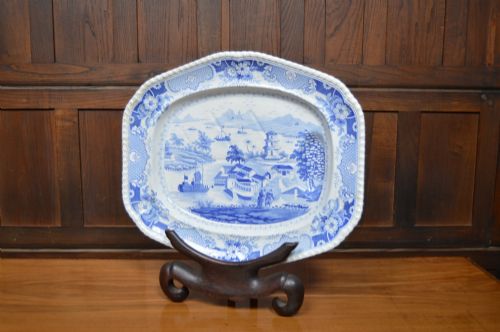
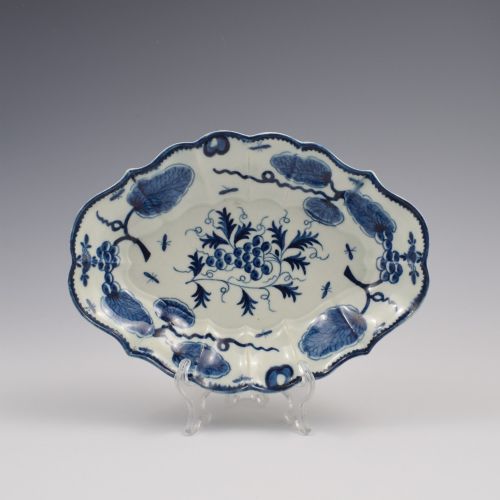
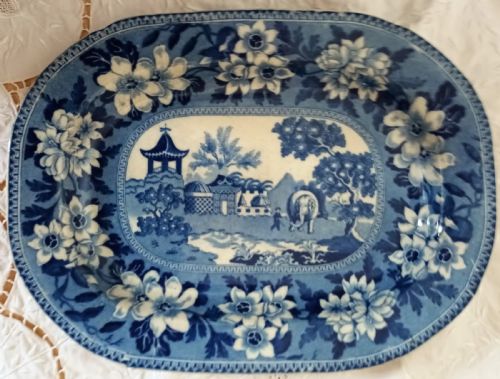
A blue white ceramic serving plate brings deep cobalt patterns and substantial earthenware to the table, offering a robust centrepiece for historic dining rooms.
Blue White Ceramic Serving Plate
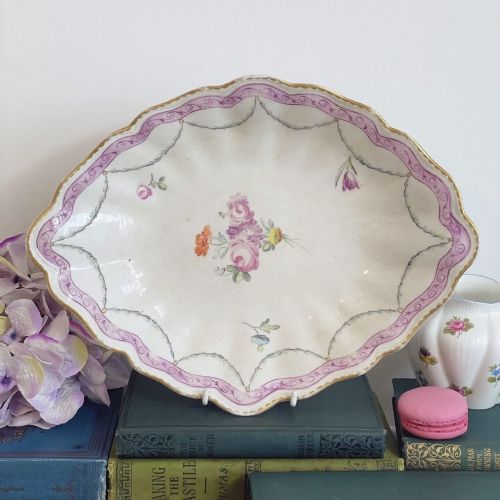
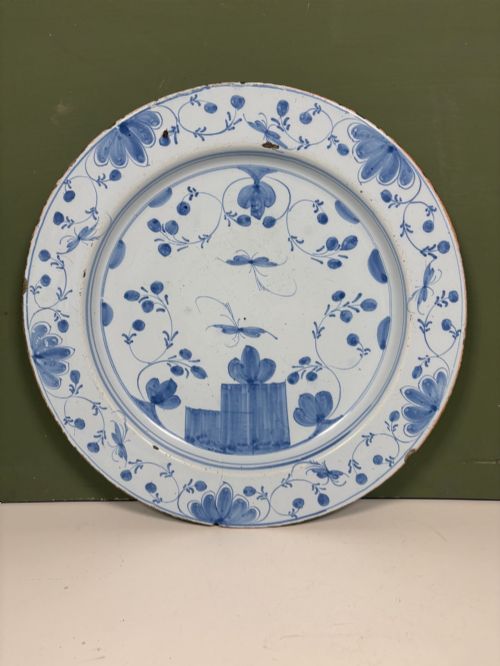
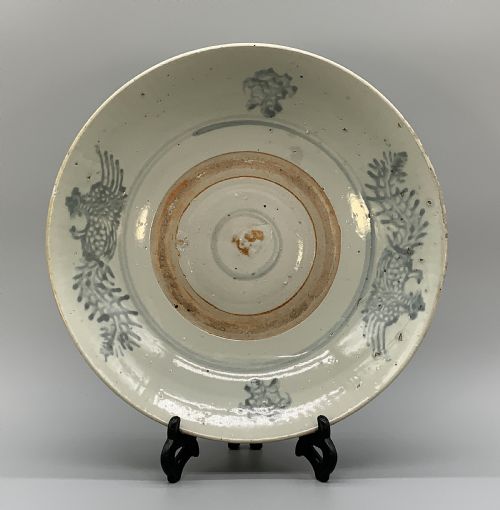
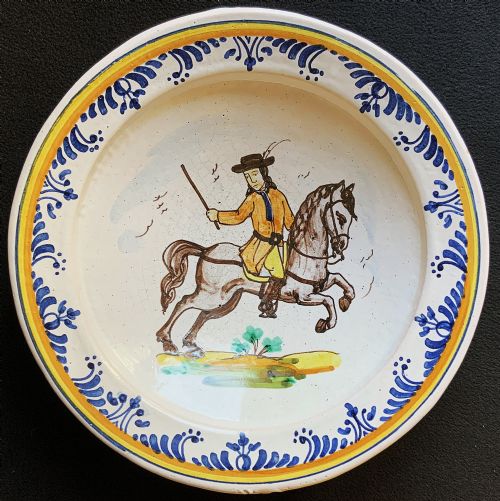
When searching for a blue white ceramic serving plate, buyers encounter a range of large platters, meat dishes, chargers, and drainers produced across the eighteenth, nineteenth, and early twentieth centuries. The examples on this page span diverse cultural origins, including English earthenware transferware, Chinese porcelain, Spanish and Dutch delftware, and Japanese imari porcelain.
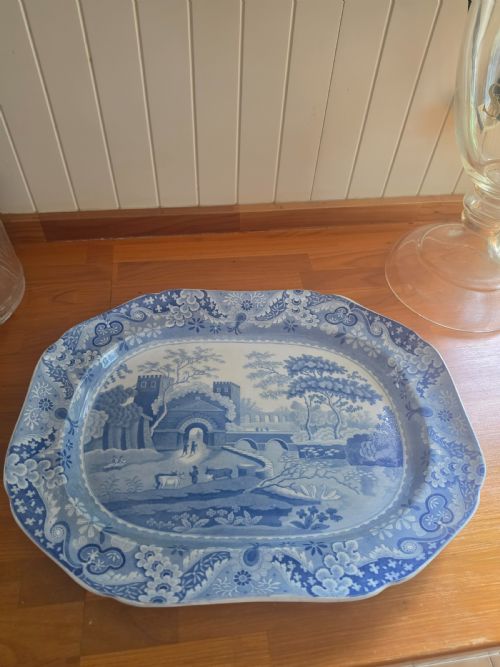
The most frequent pieces met here are nineteenth-century English transfer-printed meat platters and chargers from Staffordshire potteries. These items range from standard household meat plates to huge country house platters featuring architectural scenes, pastoral views, and exotic chinoiserie patterns.
Earlier iterations include eighteenth-century delft chargers and porcelain serving dishes decorated with handpainted cobalt pigment. Later nineteenth-century forms incorporate ironstone drainers and specialised serving vessels designed for large roasts and game.
How they were made
Potters utilised earthenware, ironstone, porcelain, and pearlware bodies, coating the dried clay with a transparent glaze before firing. Decoration relied heavily on cobalt pigment, applied either by hand painting or via transfer printing from copper plates onto the ceramic surface.
Transfer printing allowed Staffordshire potteries to produce intricate pictorial scenes with consistent detail across large meat platters and chargers. Earlier pieces relied on direct handpainting under the glaze, while ironstone provided a dense, heavy fabric suited to large serving dishes.
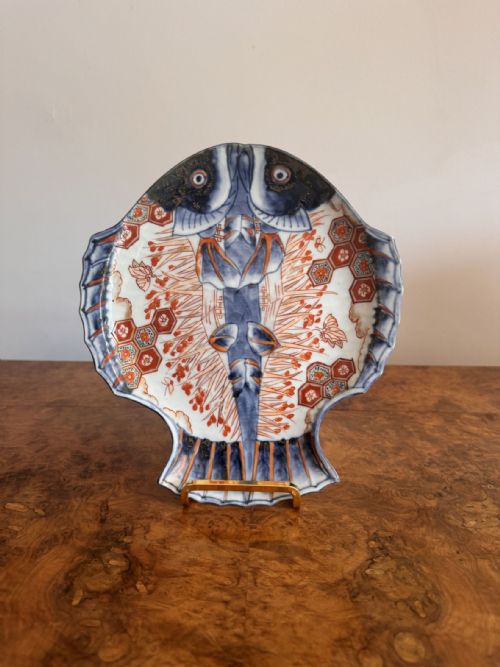
One exceptional plate takes the literal form of a swimming fish, proving historic potters enjoyed playing with their food.
What varies in quality
Quality in these ceramics rests upon the crispness of the cobalt transfer print or the fluency of the handpainted brushwork. Superior pieces display deep, uniform blue tones without blurring, smudging, or pooling in the glaze.
The weight, throwing, and moulding of the clay body dictate the durability and presence of the platter. Heavier ironstone dishes and well-potted porcelain demonstrate greater resistance to wear, whilst finely potted pearlware and delft show sharper moulded edges and cleaner foot rims.
Spode·Davenport·John Rogers and Son·Thomas Lakin·Don Pottery·Minton·Mason
The Blue White Ceramic Serving Plate Glossary
- Transferware
- Pottery decorated by applying a printed design from an engraved copper plate onto paper, which was then transferred onto the unglazed or bisque ceramic body before glazing and firing. This technique allowed factories to mass-produce detailed topographical and figurative scenes.
- Charger
- A large decorative or serving plate, typically measuring over twelve inches in diameter, used for display on sideboards or for serving food at large banquets. Many historic chargers were hung on walls or set upon plate stands.
- Ironstone
- A heavy, durable type of earthenware patented in the nineteenth century that mimics porcelain in strength and density. It provided an ideal commercial surface for large meat platters subjected to heavy daily use.
- Delft
- Tin-glazed earthenware produced in England, Holland, and Spain, characterised by an opaque white glaze painted with cobalt blue motifs. It often exhibits a softer ceramic body than later ironstone or porcelain.
- Drainer
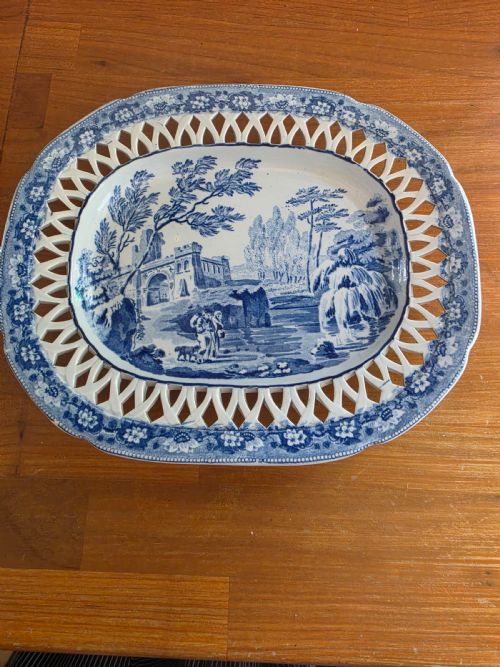
- A perforated ceramic insert placed inside a serving platter to allow meat juices to pool underneath the surface. These pieces are frequently found paired with large nineteenth-century meat plates.
Blue White Ceramic Serving Plate: Frequently Asked Questions
How were serving platters used historically?
Large meat platters and chargers sat at the centre of dining tables to present roasted meats, game, and large communal portions of food. Drainers sat within the platter bed to separate juices from the joint.
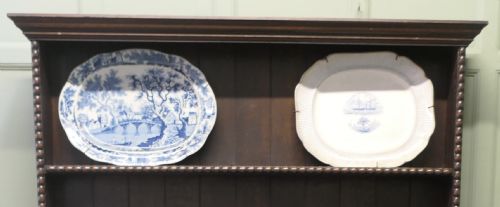
As dining habits evolved, many of these large ceramic pieces transitioned to sideboard displays or wall decorations when not in active dining use.
Can I use antique platters for serving food?
Many historic ceramic serving dishes remain structurally sound for serving dry foods, bread, or fruit. Consideration should be given to the porous nature of older earthenware bodies and existing glaze crazing.
Hand washing in warm water preserves the historic glaze and cobalt pigment. Modern dishwashers and harsh detergents should be avoided.
How do I identify transferware patterns?
Transfer-printed patterns often depict specific historic locations, architectural ruins, or literary scenes labeled with titles on the base or within the design. Factory backstamps, impressed marks, and specific blue colour shades assist in attribution.
Reference books and maker mark compendiums help match pattern names like India Temple or Bridge of Lucano to specific nineteenth-century potteries.
What is the difference between ironstone and earthenware?
Ironstone is a dense, vitrified ceramic developed in the nineteenth century to withstand heavy kitchen and dining use. It feels heavier and resists chipping better than standard soft earthenware.
Earthenware bodies found in earlier delftware and pearlware are more porous and display softer edges, requiring a more delicate handling approach.