

Antique Blue Serving Platter
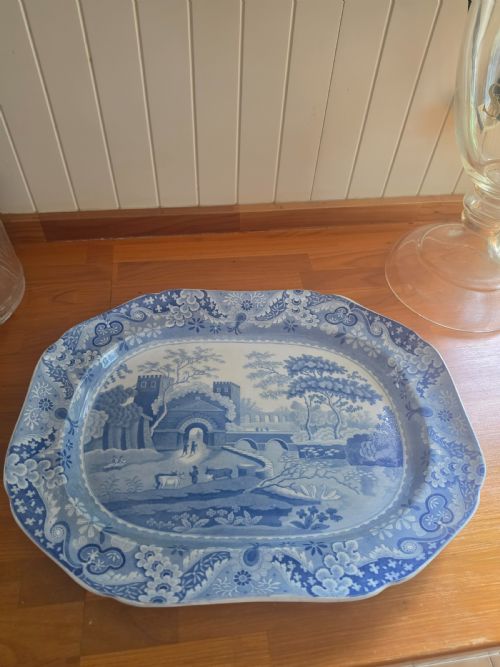
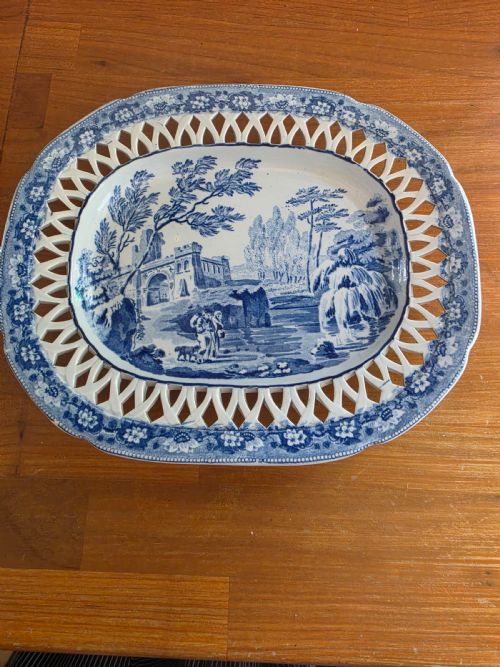
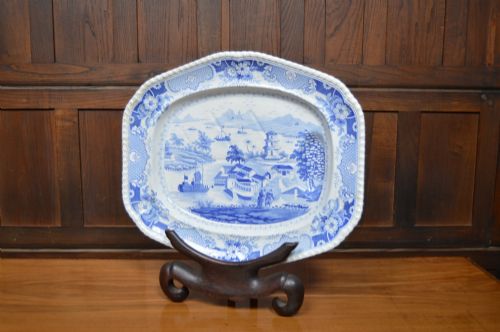
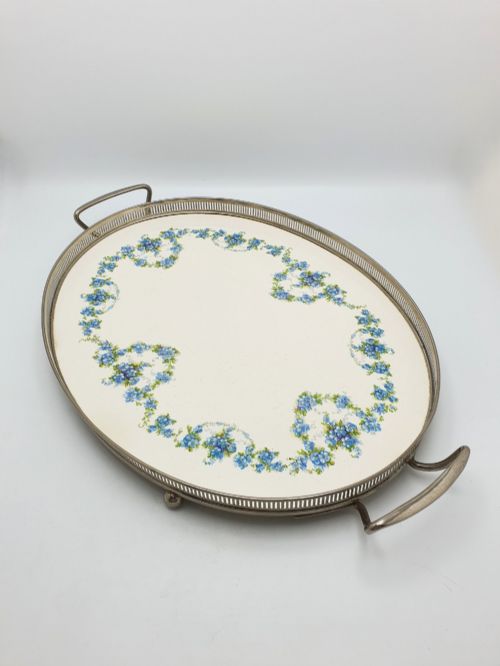
When you handle an antique blue serving platter, you are holding a practical centrepiece that brought grand historical scenes and cobalt motifs to nineteenth-century tables.
Antique Blue Serving Platter
An antique blue serving platter encompasses large earthenware, porcelain and ceramic meat plates, trays and chargers produced across the eighteenth and nineteenth centuries.
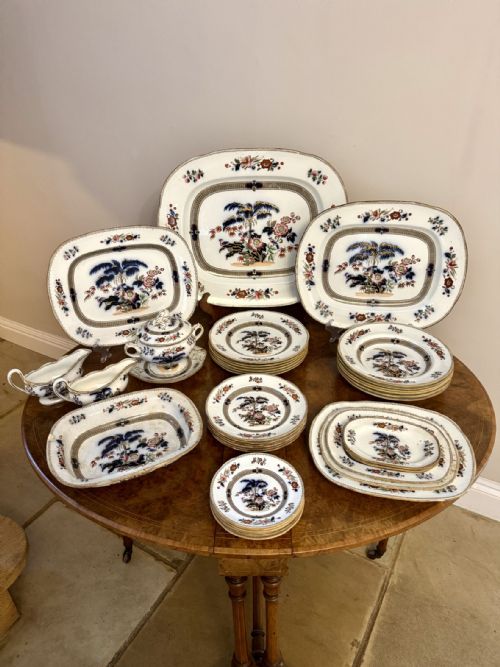
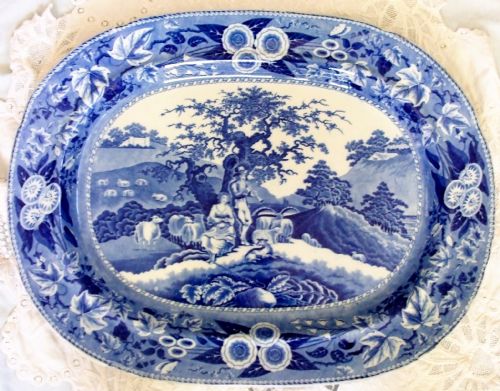
The pieces on this page lean heavily toward transfer-printed earthenware and hand-painted porcelain, spanning Georgian, Victorian and Regency periods.
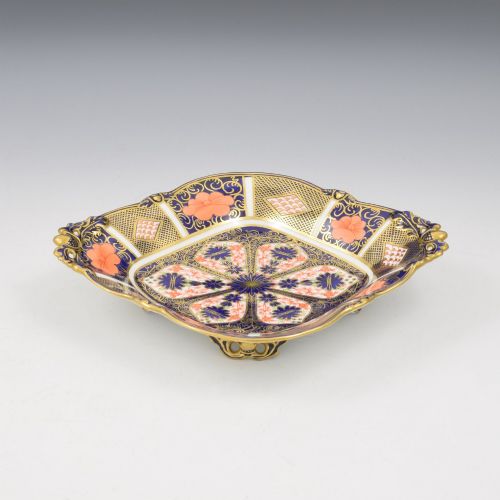
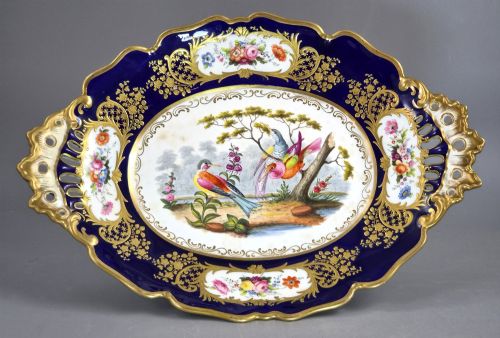
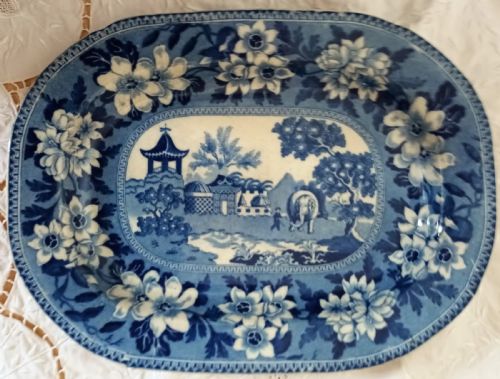
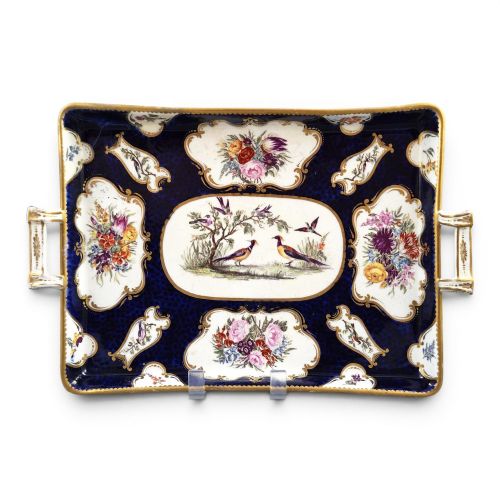
Makers utilised rich cobalt pigments to depict elaborate landscapes, flora and exotic birds on oval and rectangular serving dishes.
Materials and Technique
Potters built these platters using earthenware, pearlware and porcelain, applying glaze to seal the ceramic body before firing.
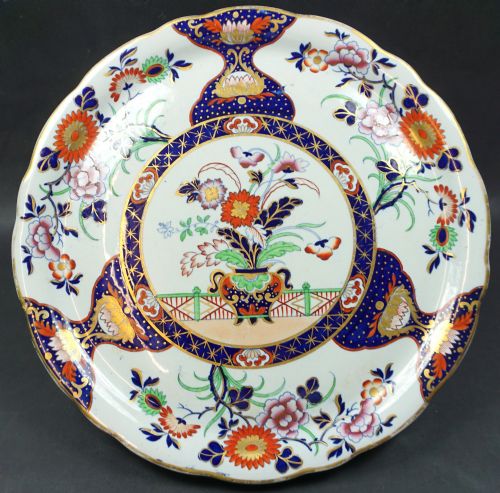
Decoration relied on transfer printing from copper plates or skilled hand-painting with polychrome accents, gold leaf and gilding.
Enamel and transfer prints required controlled kiln temperatures to bind the cobalt blue pigments permanently to the surface.
Listings feature eighteenth-century Chinese export porcelain alongside nineteenth-century English earthenware by makers like Spode and Davenport.
Distinctions in Quality
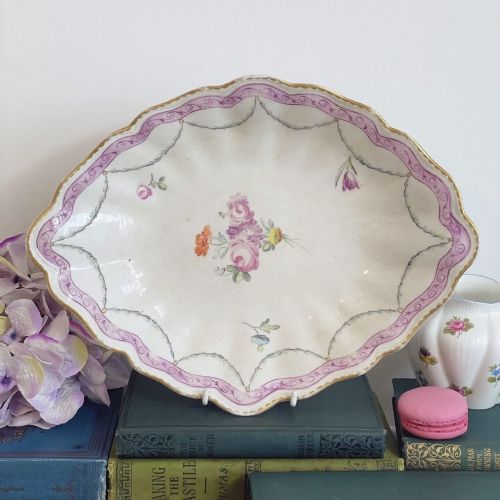
Quality rests in the crispness of the transfer print and the delicacy of the brushwork on hand-painted botanical or bird motifs.
Early earthenware platters show weight and depth, whereas fine porcelain examples offer translucency and precise gilding.
The ambition of the pattern, from simple floral borders to dense topographical scenes, determines the standing of the piece.
Royal Crown Derby·Coalport·Spode·Davenport·Hicks and Meigh·John Rogers and Son·Wedgwood·Minton·Robert Hamilton of Stoke
The Antique Blue Serving Platter Glossary
- Transferware
- Earthenware decorated by applying a printed design from an engraved copper plate to the ceramic surface. This technique allowed intricate blue and white patterns to be produced efficiently.
- Pearlware
- A refined form of earthenware developed in the late eighteenth century with a bluish glaze that masked the natural cream body. It served as a common base for blue and white transfer printing.
- Charger
- A large decorative plate or platter intended for display or ceremonial use rather than daily dining. These pieces often measure significantly larger than standard dinner plates.
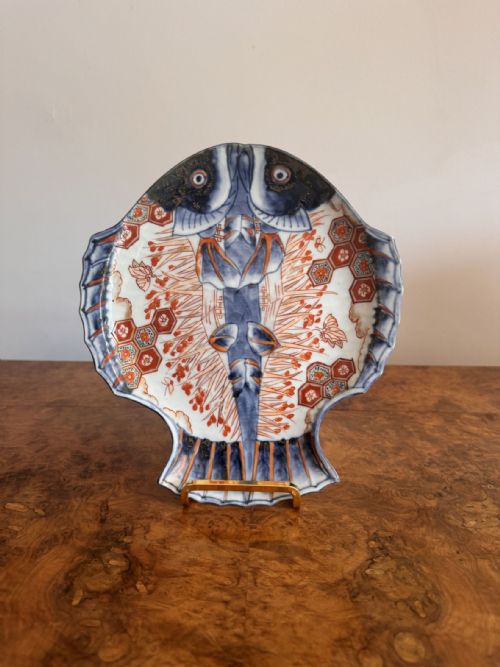
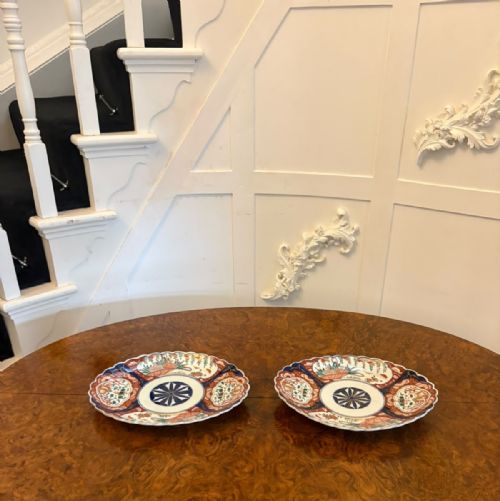
- Imari
- A style of Japanese export porcelain characterised by underglaze blue and overglaze iron red, gold and other colours. It influenced European ceramic decoration throughout the period.
- Soft paste
- A type of porcelain composed of clay and glass frit used by European factories before the discovery of true hard-paste ingredients. It possesses a warm glaze and softer body.
Antique Blue Serving Platter: Frequently Asked Questions
How were these large platters used?
These platters served heavy joints of meat and substantial courses at formal dining tables during the Georgian and Victorian eras. Their generous size accommodated family dining and large gatherings.
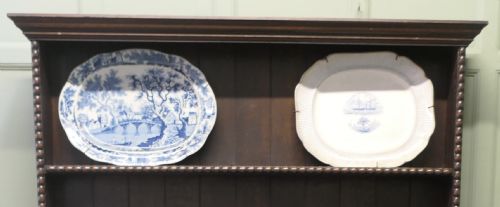
Servants brought them to the table laden with food before the dishes were passed among guests. Later, many transitioned to display pieces on sideboards or walls.
How do I date a blue transfer print?
Dating relies on the depth of the blue colour, the style of the border, and the maker's mark stamped or printed on the reverse. Early nineteenth-century pieces often display rich, dark cobalt hues.
Border designs evolved across decades, moving from floral scrolls to complex geometric and shell motifs. Registry marks on Victorian items provide precise registration years.
Can I use an antique platter for serving food?
Most antique earthenware and porcelain platters remain structurally sound for serving dry foods or cold items at the table. Historic ceramic bodies can be porous and susceptible to staining from modern dishwasher detergents.
Hand washing in warm water preserves the old glaze and delicate transfer prints. Avoid exposing fragile nineteenth-century pieces to sudden thermal shocks.
What is the difference between earthenware and porcelain?
Earthenware is an opaque, porous ceramic body fired at lower temperatures, commonly used for heavy meat platters. Porcelain is a vitrified, dense material fired at high heat until it becomes non-porous and sometimes translucent.
Porcelain items typically feature finer detail and delicate gilding. Earthenware platters offer greater weight and robustness for daily kitchen use.