







Victorian Bird Case
A victorian bird case brings preserved specimens and natural history inside glass and timber for study and display.
Victorian Bird Case
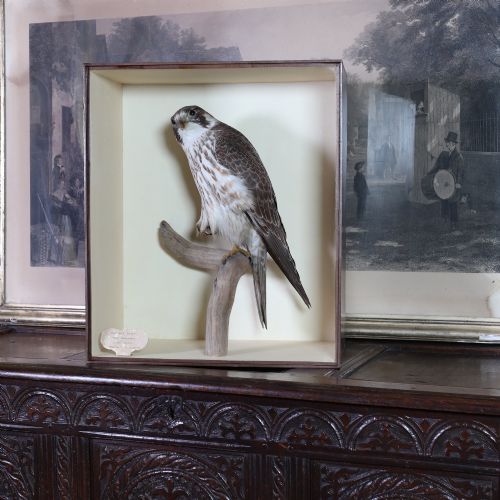
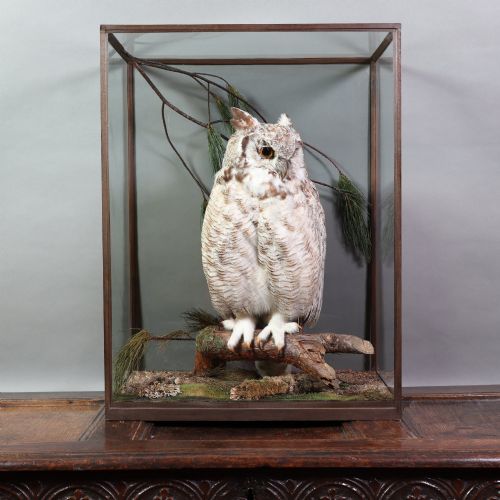
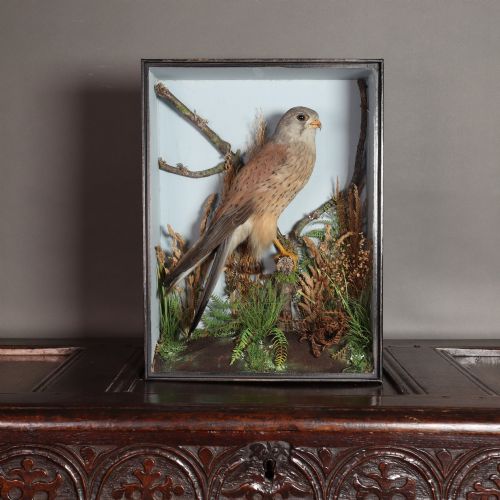
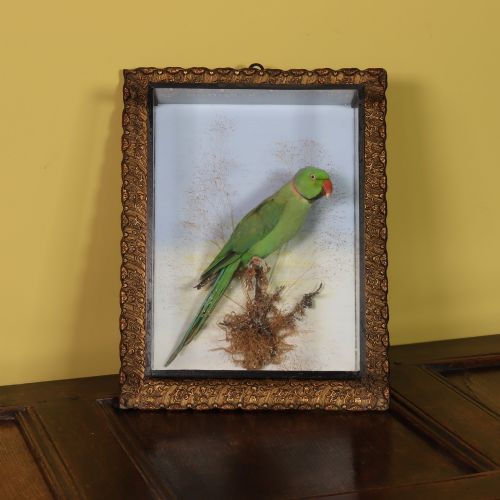
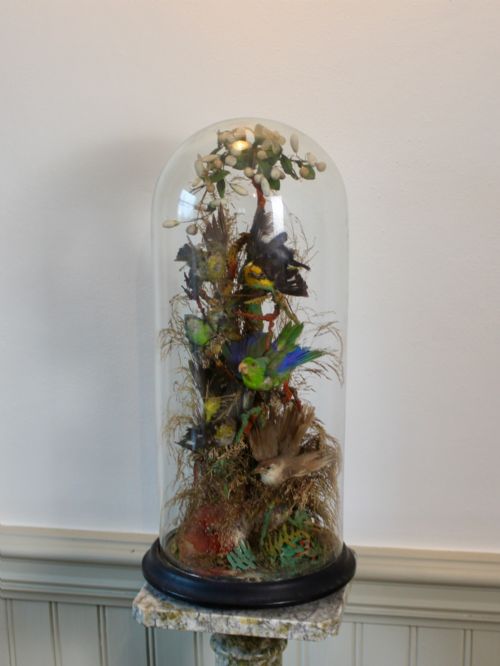
A victorian bird case gathers taxidermy specimens within glazed enclosures, picture frame boxes and glass domes, dating from the nineteenth and early twentieth centuries. These pieces present single birds, pairs or complex compositions of foreign and domestic species arranged among natural flora.
Most examples appear in simple wood frames, ebonised wood boxes or table domes, whilst silver items and furniture occasionally share the search phrase in the historical record. The main focus remains on ornithological taxidermy preserved behind glass for study or parlour decoration.
How they were made
Makers constructed these enclosures using timber and glass, often utilising ebonised wood or bird's-eye maple for the frames and cases. Preserved specimens required taxidermy skills supported by internal wire armature and cotton stuffing.
Artists arranged paper, moss, feathers and painted backgrounds inside the glazed box to recreate natural habitats such as snow scenes or woodland floors.
Victorian Bird Case Retail Price Guide 2026
Typical asking prices for victorian bird case among the pieces listed under this phrase on Sellingantiques today, from the lower quarter to the upper quarter. They describe what is for sale here now, not the wider market.
Materials across these listings include glass, wood, feathers, paper, moss, preserved specimens, ebonised wood and flora.
What varies in quality
The standard of the taxidermy work and the lifelike posture of the bird define the accomplishment of the piece. Natural anatomical proportions and careful feather placement separate skilled works from simpler preparations.
The construction of the enclosure itself matters greatly, from standard pine boxes to finely joined mahogany, ebonised wood or curved glass domes that frame the display.
J Griffiths of Burford·Rowland Ward Ltd·T. E. Gunn·William Bazeley & Sons·James Gardner·W.F. Homer London·Petherick of Taunton
The Victorian Bird Case Glossary
- Taxidermy
- The art of preparing, stuffing and mounting the skins of animals for display. Victorian practitioners mounted birds in naturalistic poses inside glass fronted boxes.
- Ebonised wood
- Timber treated to resemble ebony, frequently utilised for nineteenth century display frames and cabinet work. This dark finish provides a stark contrast against colourful plumage.
- Dome
- A curved glass cover resting on a wooden base to protect delicate specimens from dust. These circular or flat-sided vessels allow all-round viewing of the birds.
- Flora
- Plant life arranged within the display case to simulate natural environments. Makers utilised preserved grasses, twigs and moss to anchor the specimens.
Victorian Bird Case: Frequently Asked Questions
How do I clean a victorian bird case?
Keep the glass enclosure sealed to protect the fragile feathers and interior components from dust and moisture.
Use a dry microfiber cloth on the exterior glass only, avoiding any liquid cleaners near the timber joins.
Where were these bird cases displayed?
Victorian households placed these glazed displays in studies, libraries and drawing rooms as part of a wider interest in natural history.
They sat upon tables, mantels and specialised cabinetry to allow guests and family members to inspect exotic and domestic birds close up.
Can the glass be removed from the case?
Most nineteenth century taxidermy cases were sealed with paper tape or putty to maintain a stable interior climate and keep out insect pests.
Opening the glazed frame risks damaging the dried specimens, paper elements and internal moss backgrounds.
What species appear in these displays?
Makers utilised British birds such as kingfishers, jays, owls and pheasants alongside imported specimens from South America, Australia and New Guinea.
Some compositions focus on single specimens while others present complex pairings or mixed species in simulated habitats.