

Victorian Bedside Storage
Victorian bedside storage offers practical nocturnal utility through sturdy timber cabinets and small chests designed for nineteenth-century bedrooms.
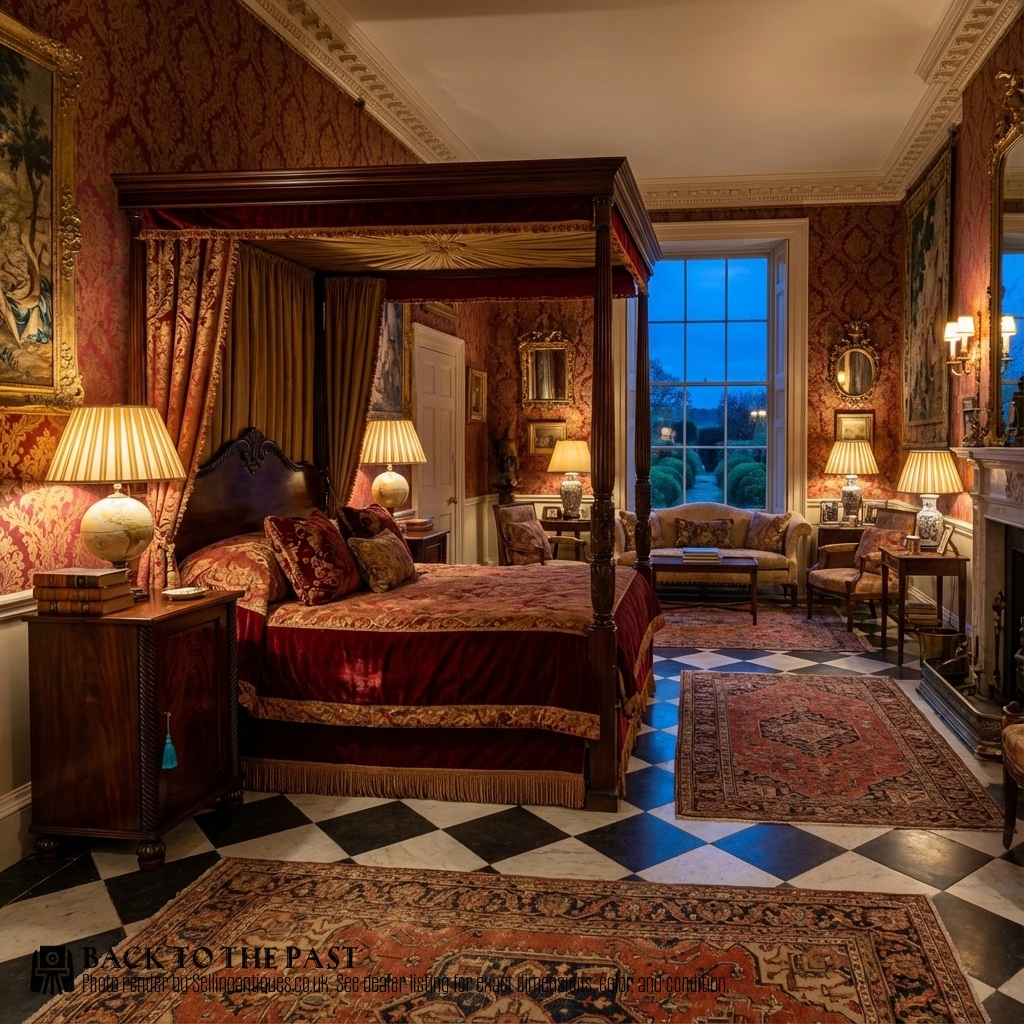
Victorian Bedside Storage
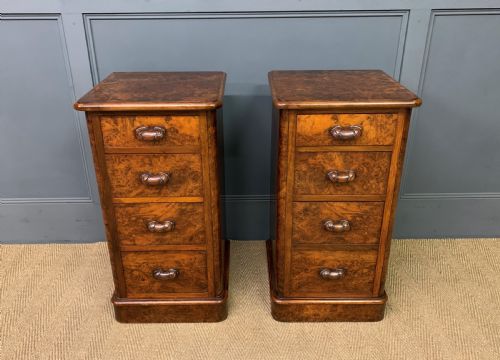
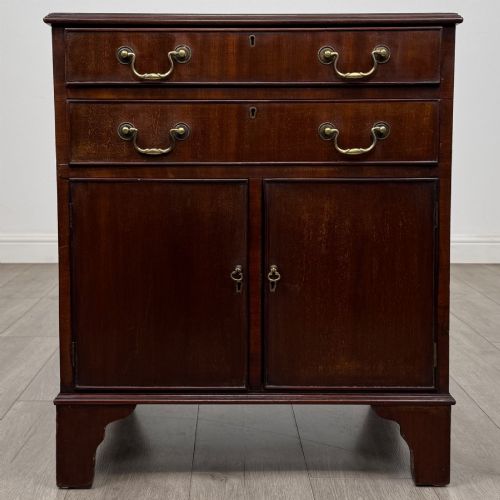
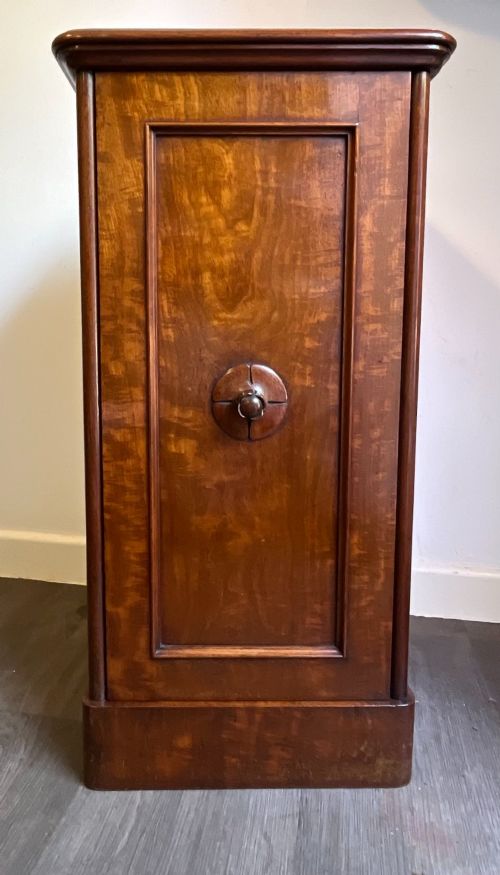
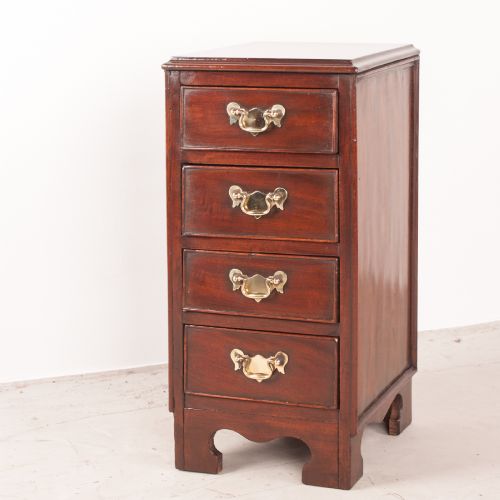
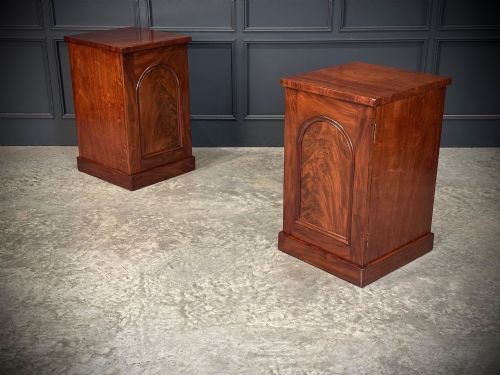
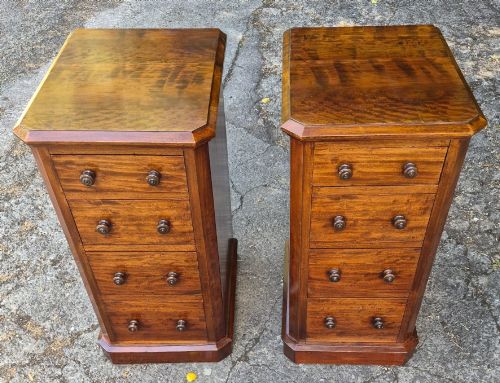
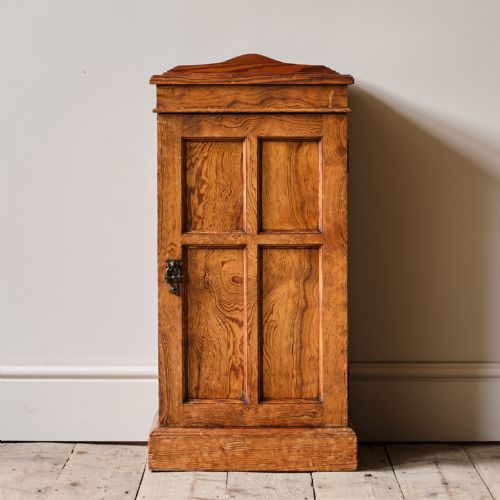
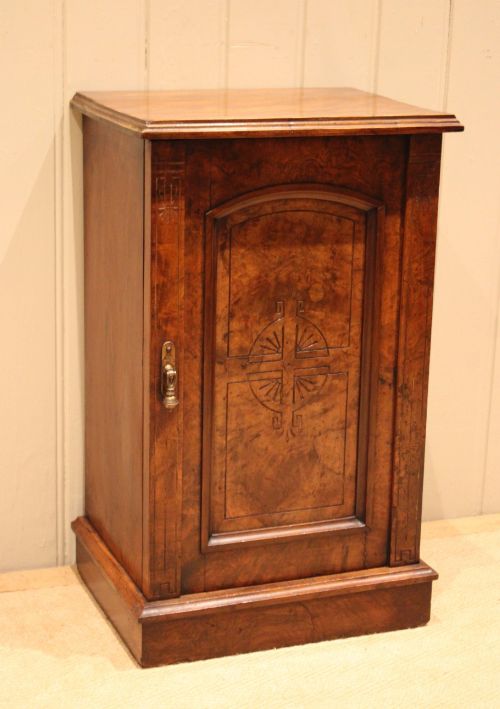
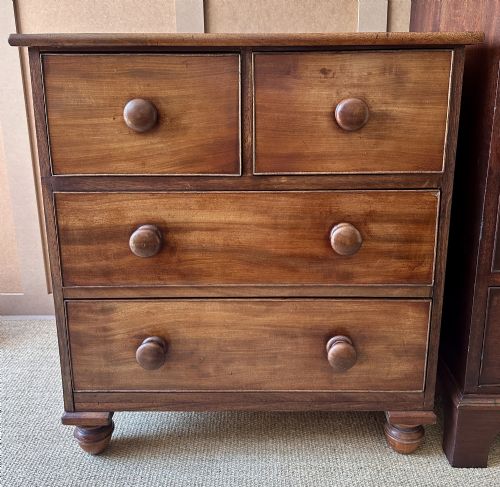
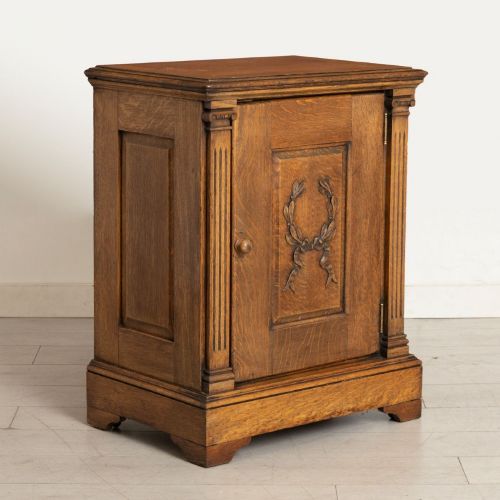
Victorian bedside storage spans a range of compact wooden furniture designed to keep chamber items tucked out of sight next to a bed. Pieces carrying the Victorian bedside storage label typically take the form of enclosed cupboards, pot cupboards with single doors, and small chests of drawers.
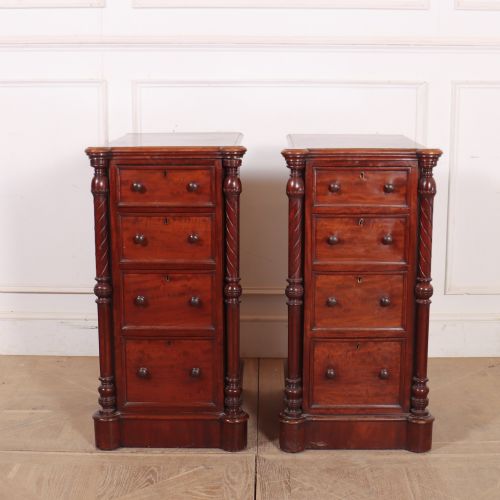
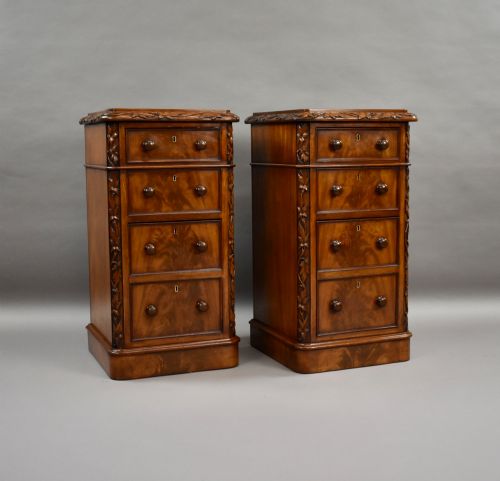
The selections on this page draw from the nineteenth century, running from plain pine country pieces up to finely figured walnut and mahogany pedestal cabinets. Buyers encounter both single items and matched pairs intended to sit symmetrically on either side of a bedstead.
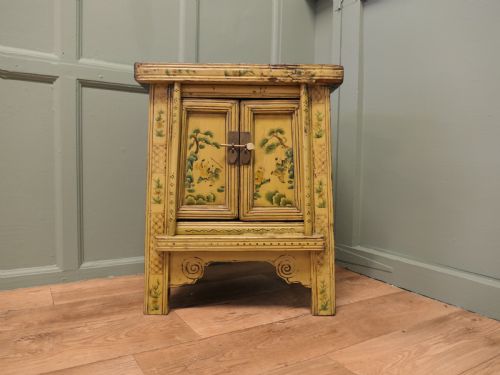
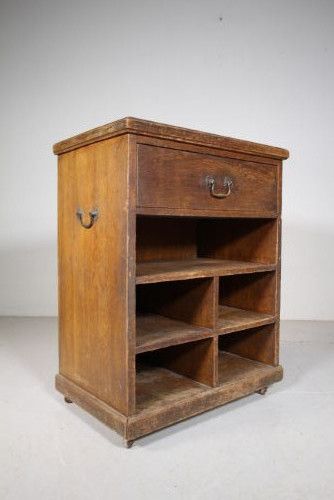
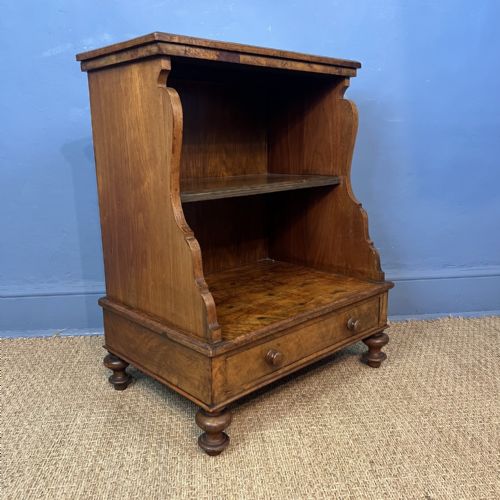
Beyond standard cupboards, the category includes specialised formats such as cylindrical cabinets, low open bookcases, and commodes disguised as ordinary drawer stacks. Origins vary from English workshops to French regional iterations and painted pine pieces imported from continental Europe.
Materials and construction
Cabinetmakers relied heavily on solid hardwoods like mahogany, walnut, and oak for domestic storage, often utilising decorative veneers such as flame mahogany and burr walnut across primary surfaces. Pine served as a primary structural timber for simpler country pieces, while secondary woods lined drawer interiors.
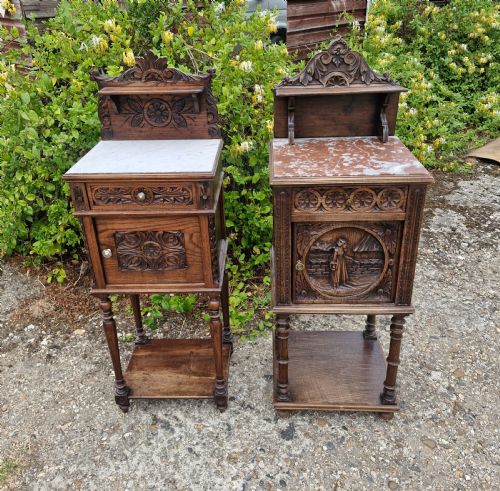
Surface detailing frequently incorporated contrasting inlays, applied brass hardware, and carved wooden elements reflecting Gothic Revival or French revival tastes. Heavy polished marble slabs frequently topped walnut and pine cabinets to provide a durable, wipe-clean surface for water jugs and wash basins.
Victorian Bedside Storage Retail Price Guide 2026
Typical asking prices for victorian bedside storage among the pieces listed under this phrase on Sellingantiques today, from the lower quarter to the upper quarter. They describe what is for sale here now, not the wider market.
Some nineteenth-century bedside storage doubles as a discreet shoe box or an ottoman.
Assessing quality in nineteenth-century cabinets
Quality reveals itself in the selection of timber veneers and the precision of the joinery rather than the sheer scale of the piece. Superior cabinets display book-matched burr walnut or flame mahogany grain that flows seamlessly across doors and drawer fronts.
Internal construction dictates longevity, separating standard utility pieces from high-workshop production. Dovetailed drawer boxes, solid back panels, and well-fitted brass door catches distinguish finer cabinets built to endure daily handling.
Gillows of Lancaster
The Victorian Bedside Storage Glossary
- Pot cupboard
- A small bedside cabinet originally built to enclose a chamber pot behind a single door. These compact units usually feature an internal shelf and sit on short legs or a plinth base.
- Pedestal cabinet
- A tall, single-door cupboard designed to stand beside a bed or desk. They often feature a heavy plinth and a recessed top surface.
- Flame mahogany
- A decorative wood veneer cut from the branch junction of a mahogany tree. The resulting grain pattern exhibits fiery, flickering waves across the surface of the cabinet.
- Burr walnut
- A prized timber cut from walnut tree growths known as burls. This wood yields a dense, swirling cluster of knot patterns that commands visual attention on nineteenth-century fronts.
- Wellington chest
- A tall, narrow stack of drawers secured by a locking side flap. Originating in the nineteenth century, these pieces maximise vertical storage within a small footprint.
Victorian Bedside Storage: Frequently Asked Questions
What is a pot cupboard?
A pot cupboard is a small enclosed bedside cabinet originally designed to conceal a chamber pot. These practical pieces usually contain a single door and an internal shelf.
Today, buyers utilise the enclosed compartment to store books, modern electronics, and personal items out of sight while maintaining a tidy bedside surface.
How do I identify a Victorian bedside cabinet?
Victorian bedside cabinets date from the nineteenth century and typically feature solid timber construction in mahogany, walnut, or pine. Look for period joinery such as hand-cut dovetails on drawer boxes.
Many of these cabinets incorporate architectural details like turned feet, panelled doors, or marble tops designed to withstand the wear of washing equipment.
Are bedside cabinets sold in pairs?
Bedside cabinets appear both as individual survivors and as matched pairs intended to flank a double bedstead. Pairs are particularly sought after for symmetrical bedroom layouts.
Because nineteenth-century furniture was often made in modular suites, finding two identical cabinets together requires matching timber tones and proportions.
Can I use a marble top cabinet near a bed?
Marble top cabinets make durable bedside surfaces because the stone resists moisture and staining from drinking glasses or bedside lamps. French and English makers frequently paired marble with walnut or painted pine.
This stone surface adds weight and stability to narrow cabinets, preventing them from tipping when drawers or heavy doors are pulled open.