


Victorian Bear Carving
These Victorian bear carvings bring lively animal presence into a room through masterful nineteenth century woodwork.
Victorian Bear Carving
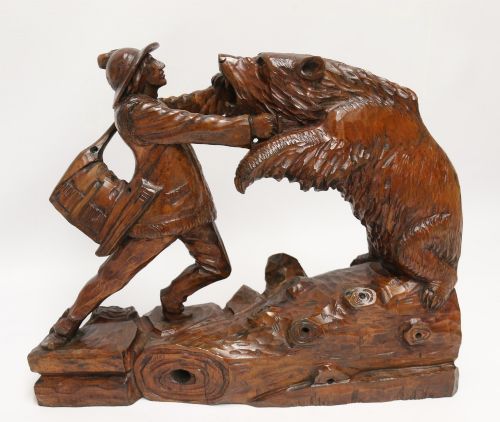
A victorian bear carving combines utilitarian function with spirited animal sculpture, appearing primarily as hall stands, umbrella stands, tobacco jars, and decorative figures. These pieces originate predominantly from the nineteenth century under the influence of the Black Forest woodcarving tradition.
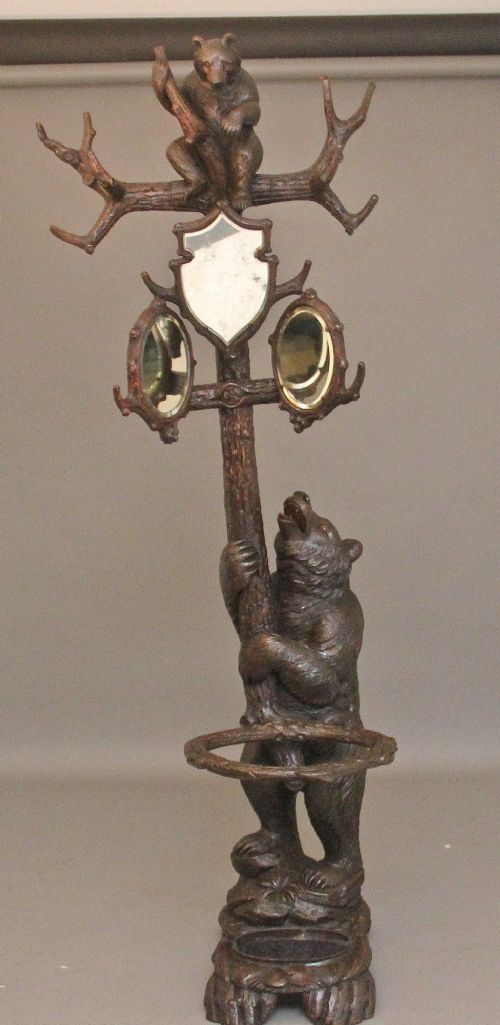
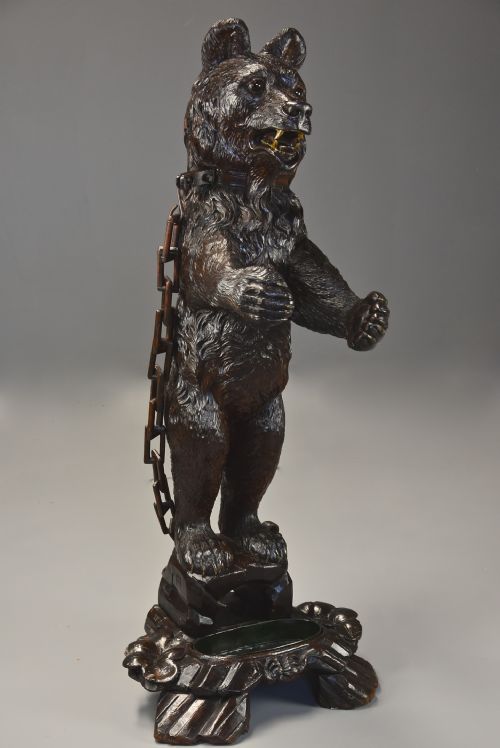
The most frequently encountered forms on this page serve a practical purpose in the hallway or study. Large hall stands, stick stands, and hall seats integrate carved bears holding branches or standing beside tree trunks directly into the furniture structure.
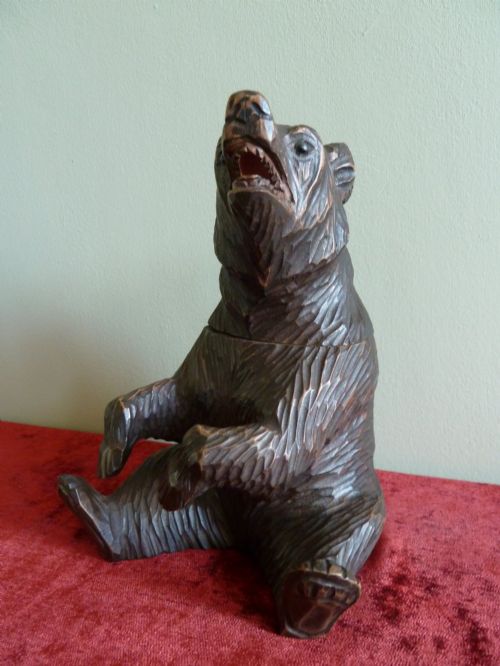
Smaller examples take the form of desk accessories such as inkwells and tobacco holders, alongside miniature figures and sculptural groups. These items demonstrate the versatility of Victorian animaliers who translated naturalistic wildlife studies into domestic objects.
Materials and Techniques
Carvers utilised soft and dense timbers alike, predominantly shaping linden wood, walnut, and general carved hardwood into complex animal forms. The selection of timber dictated the depth of relief and the intricacy possible in rendering fur texture and facial expressions.
Makers employed hand chisels and gouges to build up tactile surfaces of layered fur, often incorporating glass eyes to bring lifelike intensity to the figures. Structural elements like hall stands frequently combined carved wooden components with metal or brass fittings to handle daily wear.
Listings feature nineteenth century hall stands, stick stands, and tobacco jars carved primarily in linden wood and walnut.
Evaluating Quality
Anatomy and proportion separate standard decorative items from ambitious exhibition pieces. The most accomplished carvings capture realistic muscle tension, accurate skeletal structure, and convincing movement rather than stiff or generic animal shapes.
The Victorian Bear Carving Glossary
- Black Forest
- A regional style of nineteenth century woodcarving originating from central Europe, famous for naturalistic animal figures and rustic furniture. Pieces from this tradition often feature bears, stags, and foliage.
- Hall stand
- A piece of hallway furniture designed to hold coats, hats, umbrellas, and walking sticks. In this context, the structure incorporates carved bears supporting branches or standing beside trunks.
- Humidor
- A specialised box or jar designed to keep tobacco moist and fresh. Many examples in this category take the sculptural form of a seated brown bear holding a container.
- Inkstand
- A desk accessory holding inkwells, pen trays, and sometimes sanders. These desk pieces frequently employ carved bears interacting with logs or rocks.
- Linden wood
- A pale timber with a fine, even grain favored by nineteenth century carvers for detailed figurative work. It permits sharp undercutting without splitting.
Victorian Bear Carving: Frequently Asked Questions
What rooms suit a bear hall stand?
These large hall stands serve well in spacious entrance halls and corridors where their height and structural presence find adequate breathing room. They provide practical hanging space for coats while establishing a rustic focal point.
Placing them in wide reception spaces allows the carved details of the bears and tree trunks to be appreciated from multiple angles without crowding the walkway.
How were tobacco jars used?
Carved wooden bear jars stored pipe tobacco safely on desks, smoking tables, and study sideboards during the nineteenth century. Lidded compartments kept the leaf moist and contained loose debris.
Today these lidded figures function equally well as small decorative boxes for keeping trinkets or desk supplies secured out of sight.
Can I use an umbrella stand daily?
These stick stands handle daily retrieval of umbrellas and walking sticks provided the interior drip trays or liners remain sound. The dense hardwoods tolerate frequent contact with dry umbrella handles.
Placing a discrete protective liner inside the base prevents moisture from dampening the historic wooden floor of the stand during wet weather.
How do I spot a genuine piece?
Authentic nineteenth century examples display deep hand tool marks, consistent timber shrinkage, and appropriate oxidation across the exposed wood surfaces. Glass inset eyes and natural grain variation support period manufacture.
Examining the underside reveals construction methods and joinery typical of nineteenth century workshop production rather than modern machine replication.