



Victorian Barware Glassware
These Victorian barware glassware pieces bring period spirit decanters, tumblers, and coupes straight to the nineteenth century table.
Victorian Barware Glassware
When you search for victorian barware glassware, you encounter nineteenth century decanters, tumblers, and champagne coupes designed for entertaining. The selection leans heavily towards spirit decanters and drinking glasses originating across the Victorian era.
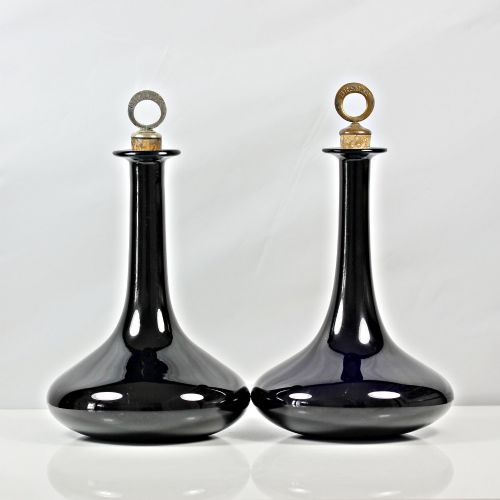
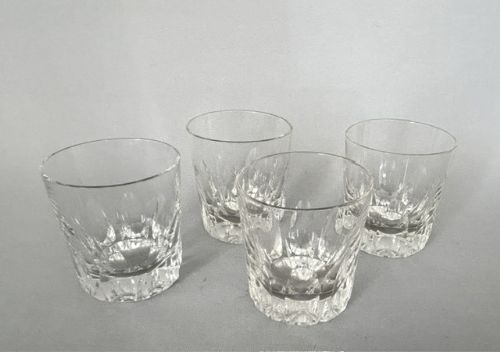
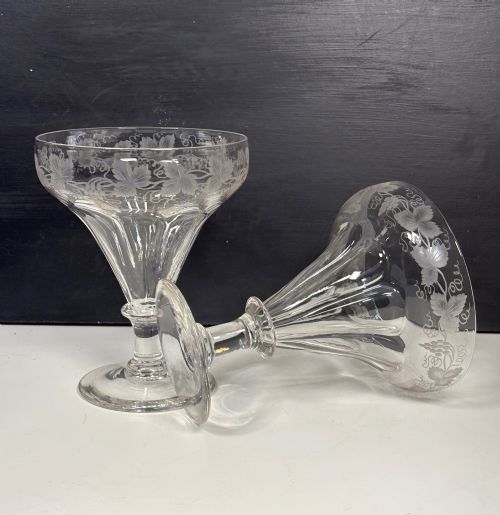
You frequently meet matching pairs of decanters fitted with stoppers, alongside sets of small whisky tumblers and large crystal champagne coupes. These functional objects range from William IV pieces through to Edwardian examples.
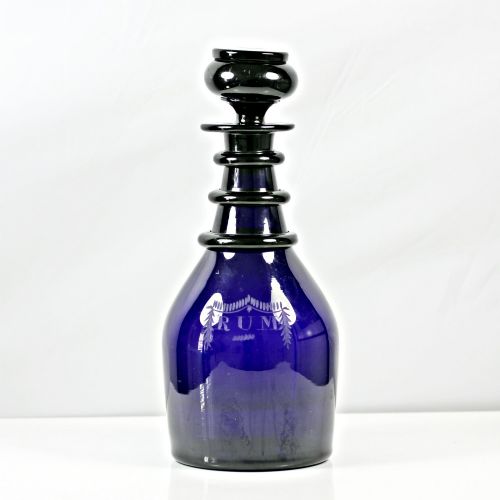
The forms reflect the drinking habits of the period, featuring three-ring rum decanters, mell shapes, and green or cranberry spirit decanters. Each item serves a distinct role in period table service and drinks preparation.
How they were made
Glassmakers shaped these pieces using clear crystal, lead glass, and coloured glass such as Bristol blue, green, and cranberry. Artisans applied gold leaf accents and employed techniques including surface etching and detailed engraving.
Cut glass and cut crystal production involved wheel-cutting deep facets into the vessel walls, especially visible on stems and decanter bodies. Silver plate components occasionally appear alongside the glass to form complete serving items.
Victorian Barware Glassware Retail Price Guide 2026
Typical asking prices for victorian barware glassware among the pieces listed under this phrase on Sellingantiques today, from the lower quarter to the upper quarter. They describe what is for sale here now, not the wider market.
Ring necks on decanters were originally spaced so servants could maintain a firm grip with greasy fingers.
What varies in quality
The distinction between standard items and superior examples rests on the crispness of the facet cutting and the depth of the engraving on the glass surface. Heavier lead crystal bodies with substantial ring necks demonstrate greater manufacturing ambition.
Colour saturation in Bristol blue, green, and cranberry glasses determines visual impact, alongside the original matching of stoppers to decanter bodies. Clarity in the crystal and precision in the stem-cutting separate ordinary vessels from finer decorative service pieces.
The Victorian Barware Glassware Glossary
- Decanter
- A vessel designed for holding and serving spirits or wine, usually fitted with a ground glass stopper. These containers often feature decorative neck rings to aid grip during pouring.
- Lead Crystal
- A heavy glass variety containing metallic oxide that increases brilliance and weight. This material allows for deep, sharp wheel-cutting without fracturing.
- Coupe
- A broad, shallow stemmed glass traditionally utilised for champagne and sparkling wines during the nineteenth century. The wide bowl encourages the release of aromas.
- Mell Decanter
- A decanter characterised by a rounded, pear-shaped body that tapers towards the base. This specific silhouette provides stability and generous capacity for spirits.
- Bristol Blue
- A deep cobalt-tinted glass historically produced in the Bristol area. The rich hue became particularly popular for spirit bottles and decanters during the nineteenth century.
Victorian Barware Glassware: Frequently Asked Questions
What defines a Victorian decanter?
These decanters feature hand-blown glass bodies, often enhanced with cut facets, engraved motifs, or coloured glass such as blue, green, and cranberry. They typically include matching ground glass stoppers.
Most examples incorporate decorative neck rings designed to provide a secure grip when pouring spirits at the dining table.
How were nineteenth century tumblers used?
Small whisky tumblers served spirits neat or with water during formal dinners and evening gatherings in the nineteenth century. Their heavy bases provided stability on wood surfaces.
Larger engraved glasses and tumblers accommodated various mixed drinks and ales popular among Victorian households.
What is cranberry glass?
Cranberry glass is a red-pink transparent material created by adding gold chloride to the molten glass batch. It gained immense popularity for decorative tableware and wine decanters by the Edwardian period.
The intensity of the pink shade varies depending on the gold concentration and the skill of the glassblower.
How do I care for antique glassware?
Wash these pieces gently by hand using lukewarm water and mild soap to protect the historic glass surfaces. Avoid sudden temperature changes that can stress nineteenth century crystal.
Store decanters with their stoppers slightly ajar or removed entirely to prevent moisture retention inside the vessel.