

Victorian Bangle Bracelet
A victorian bangle bracelet brings solid gold, silver and gem-set work from the nineteenth century straight to the wrist.
Victorian Bangle Bracelet
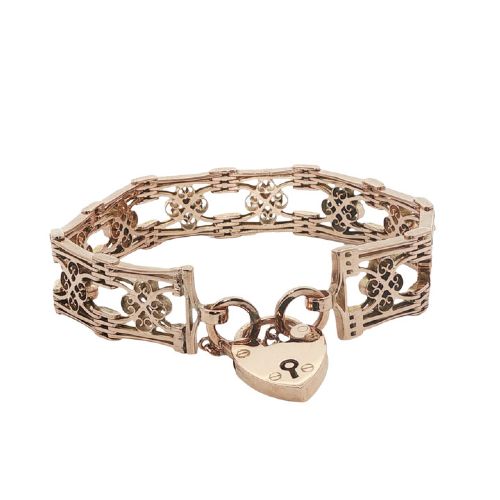
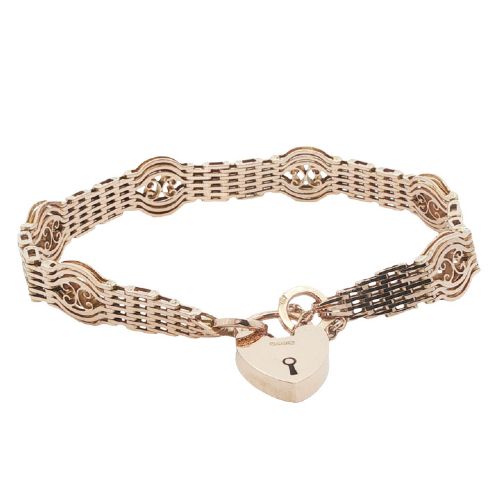
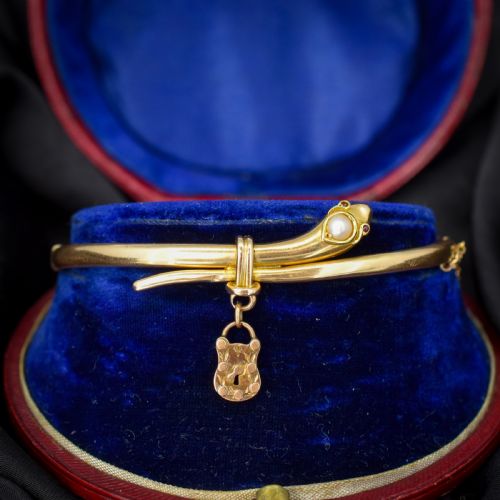
A victorian bangle bracelet spans solid hinged cuffs, flexible gate links and snake serpent wraps made during the nineteenth century and the early twentieth century. The listings on this page centre heavily on solid sterling silver and gold constructions set with stones.
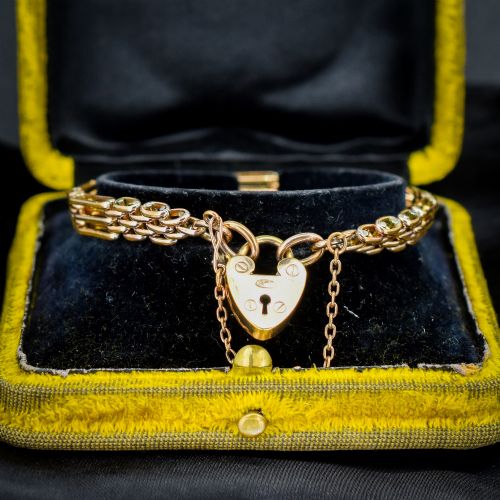
Makers produced these pieces across Britain and continental Europe, incorporating styles such as the Grand Tour, Scottish Revival and Aesthetic Movement. Buyers encounter rigid hinged bangles alongside multi-link chain and curb bracelets secured with padlocks.
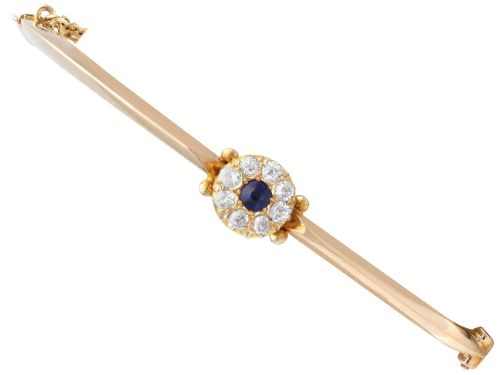
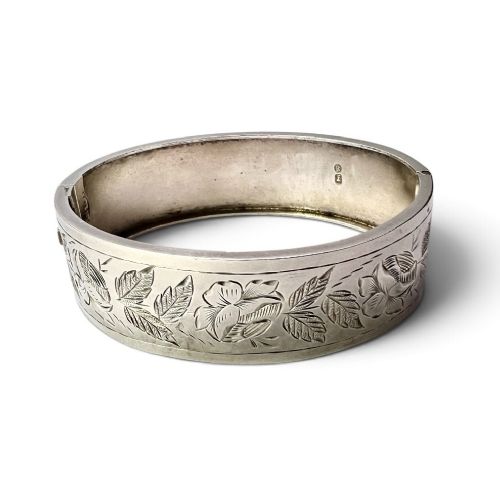
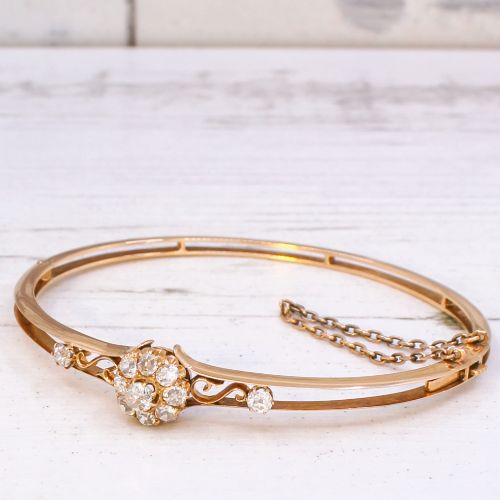
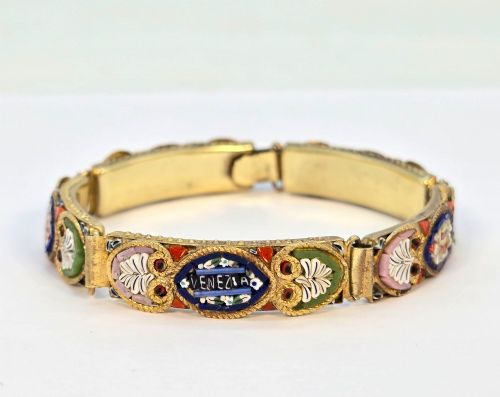
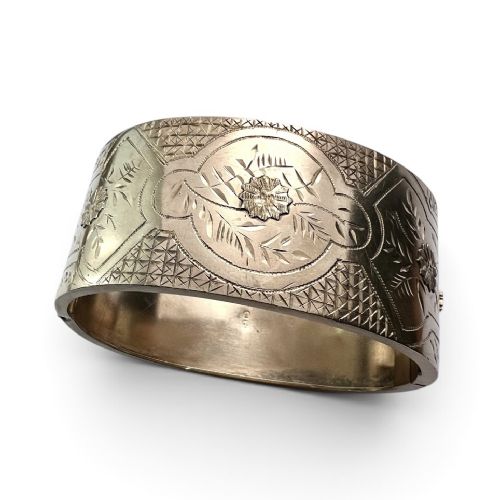
Period production ranges from the mid-nineteenth century through the Edwardian era, showing distinct regional tastes in metalwork and gemstone arrangement. Silver floral patterns sit alongside gold diamond clusters and micro mosaics.
Materials and Technique
Metals span sterling silver, 9ct gold, 15ct gold and higher yellow gold purities, formed into rigid hinged cuffs or woven link chains. Goldsmiths utilised hollow stamping, wire twisting and secure box catches to build structural strength without excessive weight.
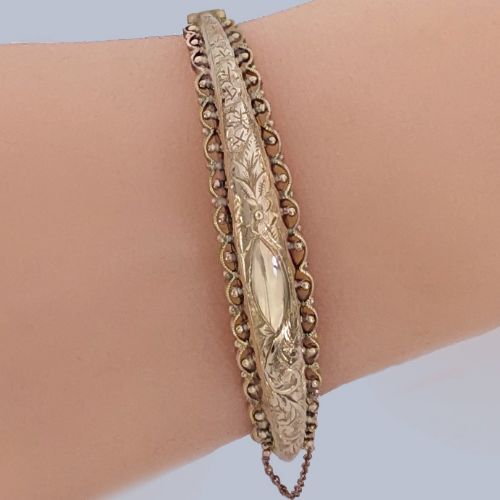
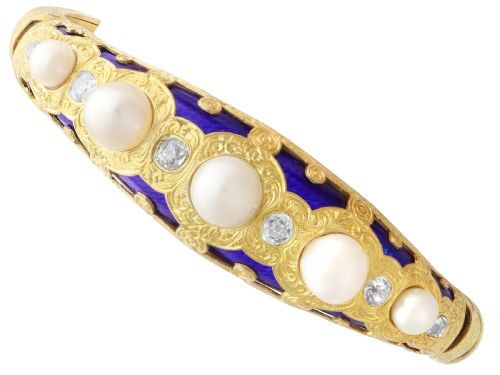
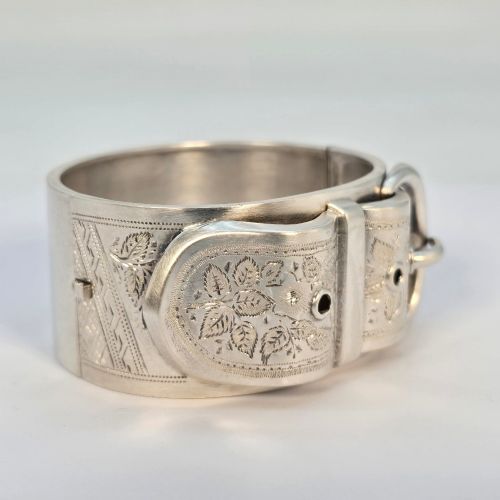
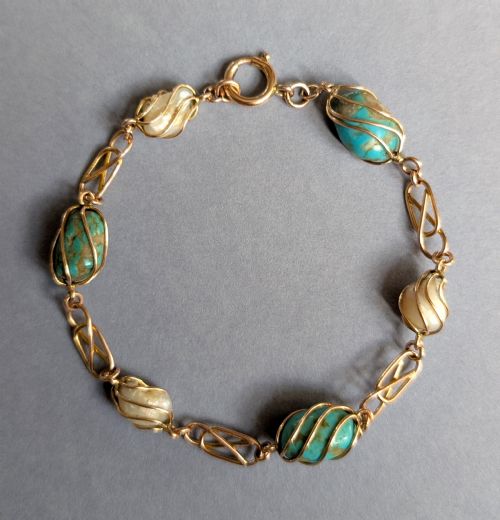
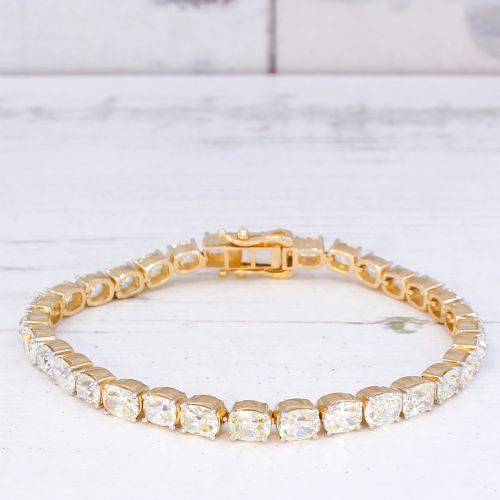
Gemstone setting relies on old cut diamonds, natural pearls, turquoise, agate, coral, amethyst and garnets held in collet or bezel mounts. Enamel work and hand engraving add surface detail to silver and gold bases across floral and geometric motifs.
Victorian Bangle Bracelet Retail Price Guide 2026
Typical asking prices for victorian bangle bracelet among the pieces listed under this phrase on Sellingantiques today, from the lower quarter to the upper quarter. They describe what is for sale here now, not the wider market.
Listings feature sterling silver, 9ct gold and 15ct gold constructions spanning the Victorian and Edwardian periods.
Distinctions in Execution
The distinction between ordinary and exceptional pieces rests on the weight of the metal and the precision of the hand engraving or stone setting. Heavier gold gauges and well-matched natural stones separate ambitious workshop output from lighter commercial production.
The integrity of hinges, safety chains and original clasps dictates the structural execution of a rigid bangle. Superior items retain crisp chased details and fully integrated pin mechanisms that operate smoothly over decades.
The Victorian Bangle Bracelet Glossary
- Bangle
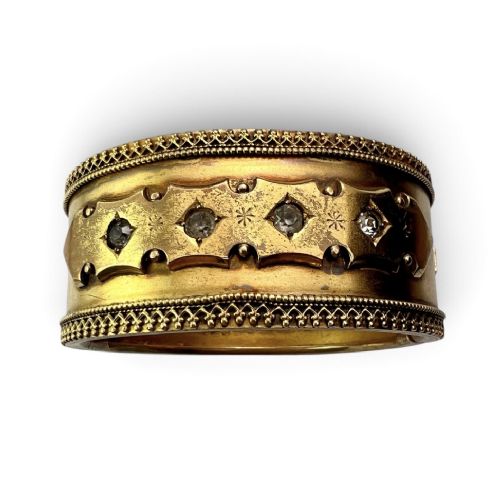
- A rigid circular or oval ornament that slips over the hand or fastens with a hinge around the wrist. These items appear in solid silver and various gold purities.
- Gate Link
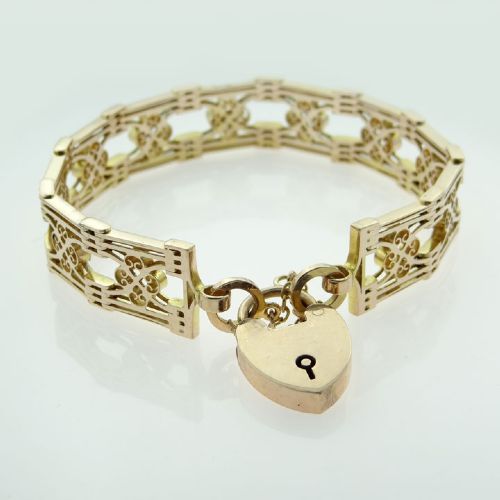
- A flexible bracelet style composed of parallel rectangular metal bars joined by smaller connecting rings. This form frequently terminates in a heart-shaped padlock clasp.
- Old Cut Diamond
- A manually faceted diamond shape characteristic of nineteenth-century jewellery production. These stones display smaller tables and deeper pavilions than modern brilliant cuts.
- Micro Mosaic
- Tiny glass tesserae assembled by hand to form pictorial scenes, often originating from Italian workshops during the Grand Tour period.
- Aesthetic Movement
- A late nineteenth-century design style focusing on artistic merit and natural motifs rather than rigid historical revivalism.
Victorian Bangle Bracelet: Frequently Asked Questions
How do I secure a hinged bangle?
Most rigid nineteenth-century designs utilise a concealed side hinge paired with a tongue-in-groove snap clasp. Many examples also include an attached safety chain for extra security during wear.
Users should check that the spring mechanism clicks firmly into place before releasing the wrist. Fasten the safety chain around the wrist whenever the primary clasp engages.
What metals are typical for these bracelets?
Makers utilised sterling silver alongside various gold purities including 9ct, 15ct and higher yellow gold standards. Rose and yellow gold hues predominate in nineteenth-century gate links and serpent wraps.
Silver pieces frequently display hallmarks indicating assay offices such as Birmingham alongside date letters. Gold items from the Victorian period often rely on specific regional fineness standards.
Are these bracelets suitable for daily wear?
Solid gold and silver constructions endure regular wear provided owners handle delicate elements like natural pearls or micro mosaics with care. Flexible link bracelets move easily with the wrist.
Historic items benefit from removal during heavy manual tasks or swimming to protect fragile stone settings and original spring catches. Proper storage in lined boxes prevents surface scratching.
How do I identify the period of a piece?
Dating relies on hallmarks, metal purities, gemstone cuts and prevailing stylistic movements such as the Aesthetic Period or Scottish Revival. Old mine cut diamonds and specific gold standards point directly to the nineteenth century.
Comparison with documented workshop styles and regional motifs helps narrow the decade of production. Hallmarks provide the most precise chronological evidence where present.