


Victorian Bamboo Plant Stand
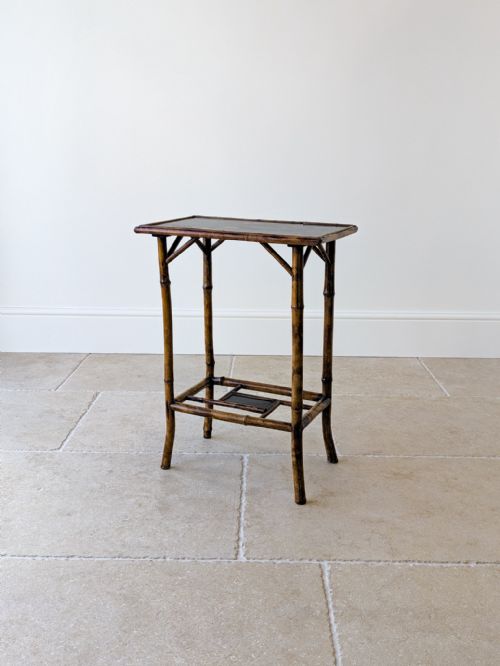
These victorian bamboo plant stand pieces combine lightweight frames with exotic aesthetic appeal, offering practical surfaces for greenery that collectors prize.
Victorian Bamboo Plant Stand
A victorian bamboo plant stand is a lightweight furnishing typically designed to elevate foliage and decorative objects within nineteenth century interiors. These pieces frequently emerge from the aesthetic movement, bringing orientalist influences into British homes during the late Victorian period.
While specific plant stands appear in the archive, the current selection also includes related occasional tables, side tables, and washstands that serve similar display functions. Buyers encounter both simple upright stands and tiered forms designed to hold pots or ornaments at varying heights.
How They Were Made
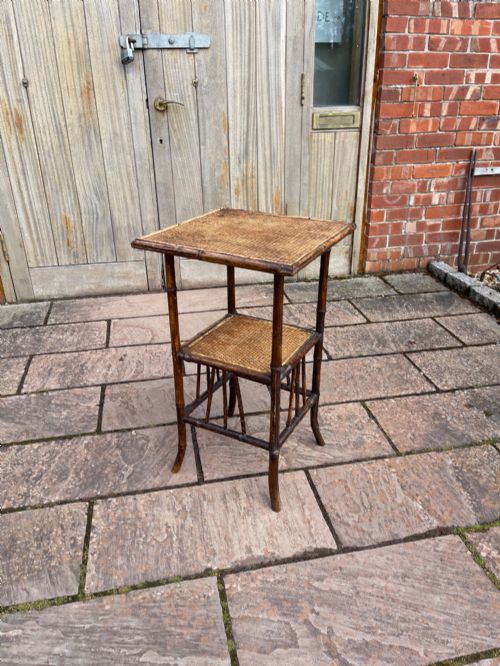
The primary construction relies on natural bamboo poles, shaped and joined to create sturdy yet lightweight frameworks. Artisans frequently integrated secondary materials such as woven cane, leather, wood, and paper panels to add texture and surface variety.
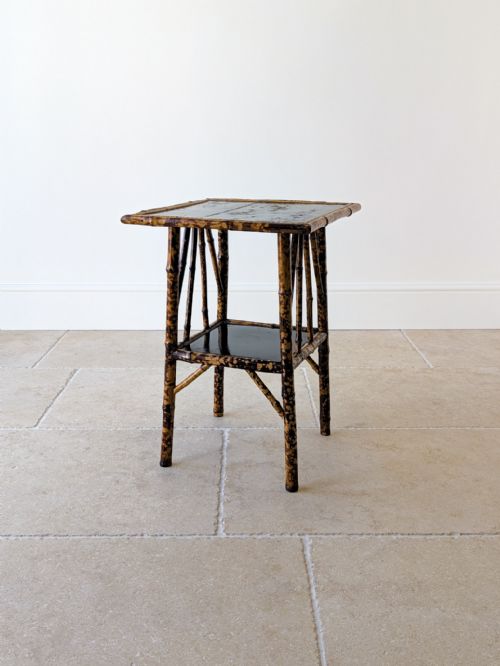
Many examples incorporate decorative elements like lacquered panels, tiled tops, and marble inserts to create durable surfaces for holding plants and water jugs. These techniques reflected contemporary British fascination with Chinoiserie and Japanese design motifs.
Some Victorian plant stands feature tiger bamboo, bringing a distinctly feline flair to the botanical display.
What Varies in Quality
Quality in a victorian bamboo plant stand is determined by the tightness of the joinery and the rigidity of the bamboo framework. Better examples maintain structural stability without excessive wobble, even when carrying heavy pots or tiered shelves.
The choice of inset surface also elevates the piece, distinguishing standard bamboo frames from those adorned with hand-painted lacquer, decorative tiles, or inset marble tops. Superior items display careful attention to the alignment of secondary panels and woven elements.
Liberty and Co
The Victorian Bamboo Plant Stand Glossary
- Aesthetic Movement
- A late nineteenth century design style emphasising visual beauty over narrative subject matter, heavily influenced by Japanese art. This movement popularised the use of bamboo in British domestic furniture.
- Chinoiserie
- European artistic interpretation of Chinese and East Asian decorative traditions, often seen in lacquered panels and painted motifs. It frequently appears on Victorian bamboo furniture.
- Decoupage
- The art of decorating a surface by applying paper cutouts and sealing them with layers of varnish or lacquer. Some nineteenth century tables utilise this technique on their tops.
- Tiger Bamboo
- A patterned variety of bamboo displaying mottled or spotted markings resembling animal print. This material was particularly favoured during the Victorian Aesthetic period for stands and occasional tables.
Victorian Bamboo Plant Stand: Frequently Asked Questions
What is a victorian bamboo plant stand?
A victorian bamboo plant stand is a nineteenth century furnishing built from bamboo poles, designed specifically to display potted plants and decorative items in domestic interiors. They emerged during the height of the Aesthetic Movement when oriental styles dominated British interior design.
These pieces range from simple single-tier pedestals to elaborate multi-tiered stands incorporating lacquered panels, tiles, or woven cane shelves. Their lightweight construction made them easy to move around drawing rooms and conservatories.
How do I care for bamboo furniture?
Bamboo furniture requires a stable indoor environment away from extreme humidity fluctuations or direct heat sources that can dry out and split the natural cane. Regular dusting with a soft, dry cloth keeps the surface clean without damaging applied finishes or lacquer.
Avoid placing untreated or unsealed bamboo stands in damp areas like uncovered porches, as moisture degrades the material. Using plant saucers prevents water from damaging lacquered or paper-inlaid tabletops.
Were these stands only used for plants?
While originally intended to hold botanical specimens and ferns in Victorian parlours, many stands served multiple domestic purposes. Their sturdy tops and secondary shelves made them equally suitable for holding lamps, books, or decorative ceramics.
Historical listings show that tables and plant stands often shared similar dimensions and forms, leading to interchangeable uses in nineteenth century homes. Owners frequently repurposed these versatile pieces as room dividers or corner displays.
How do I identify Aesthetic period bamboo?
Aesthetic period bamboo pieces typically date from the late nineteenth century and feature distinct design influences from Japanese and Chinese art. They often incorporate contrasting elements such as black lacquer, gilded highlights, or tiger bamboo markings.
Unlike later mass-produced items, these pieces frequently combine bamboo frames with specialised surfaces like ceramic tiles, leather inserts, or decoupage panels. Their construction reflects the era's obsession with exotic, hand-finished decorative arts.