

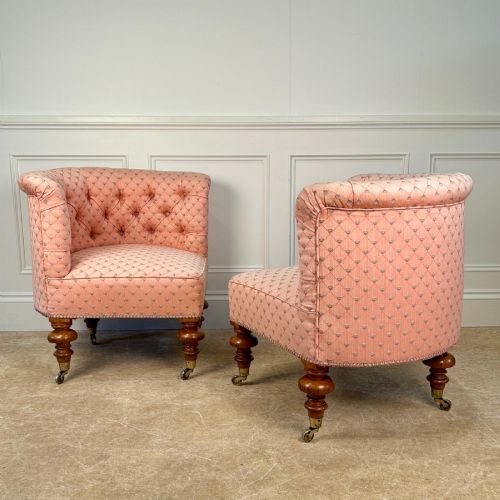
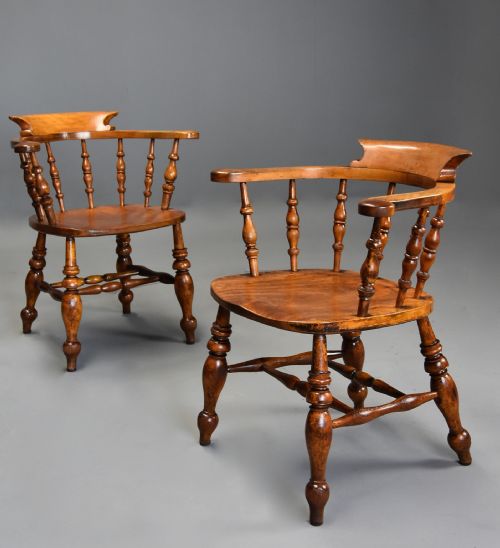
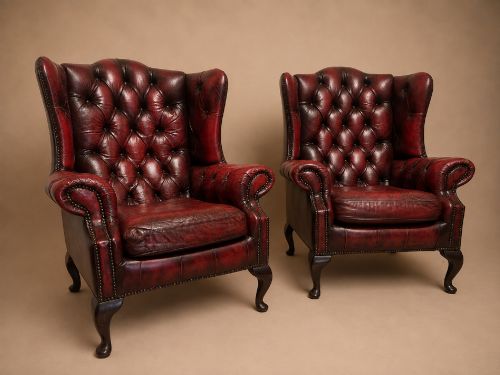
Victorian Armchair Pair
A victorian armchair pair brings matched nineteenth century seating to a room, offering period character and twin comfort for a fireside or study.
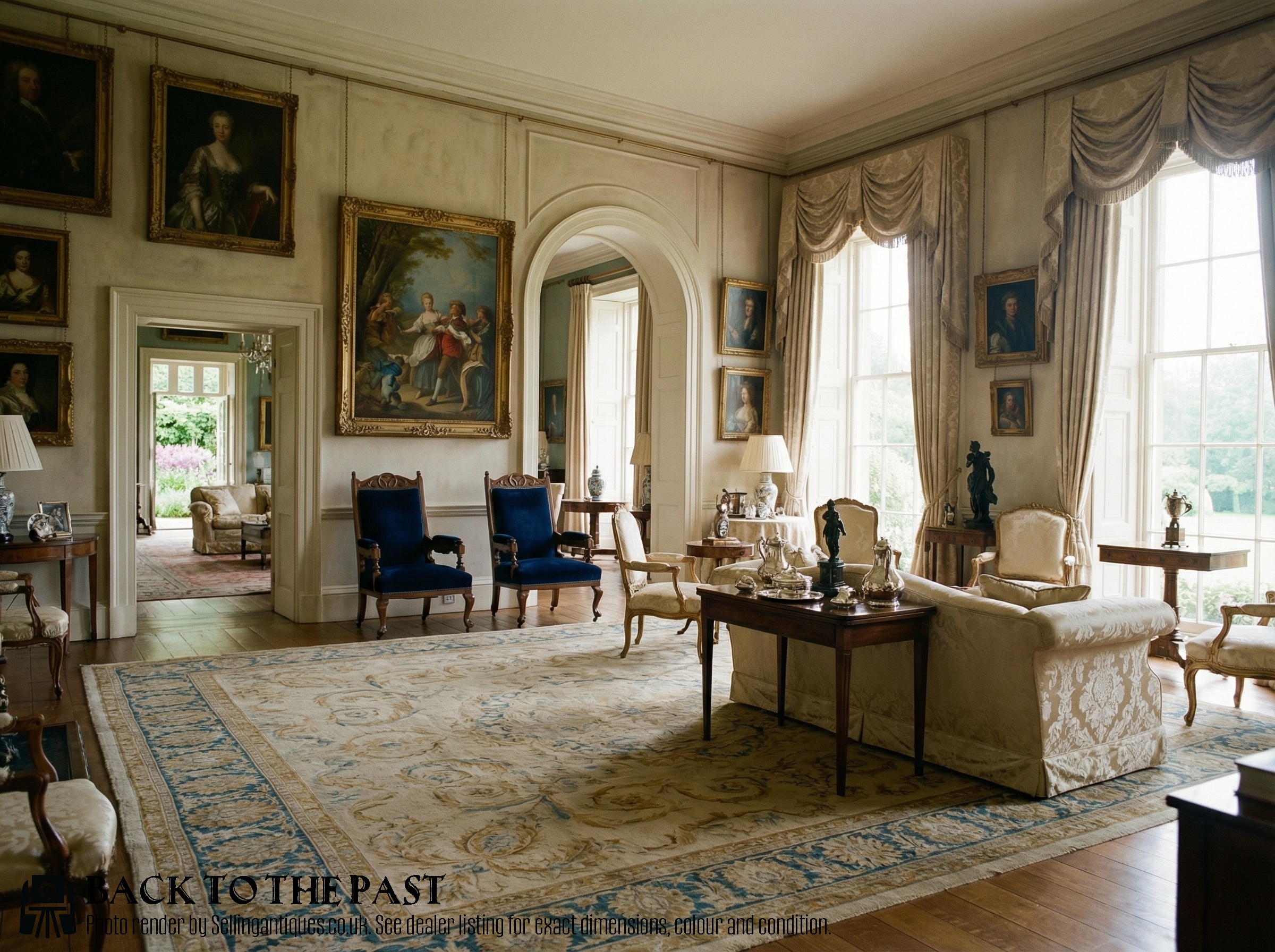
Victorian armchair pair
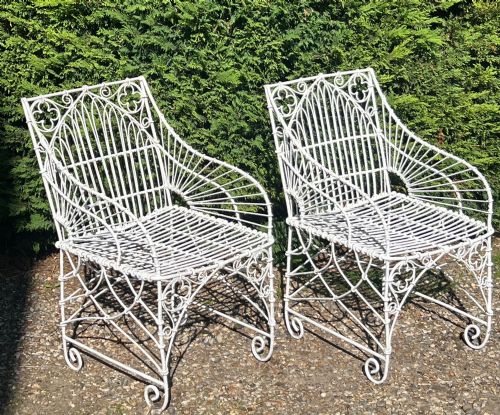
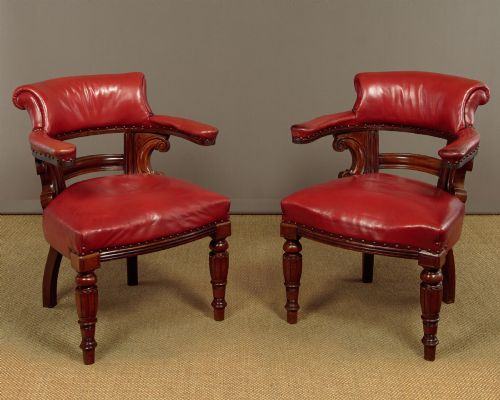
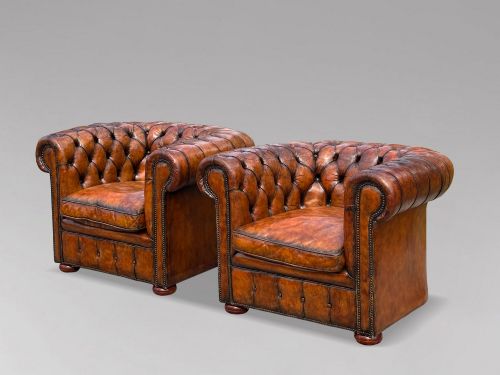
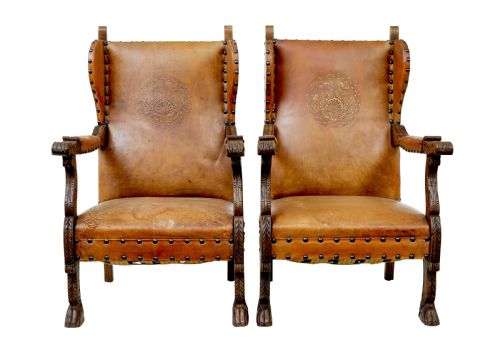
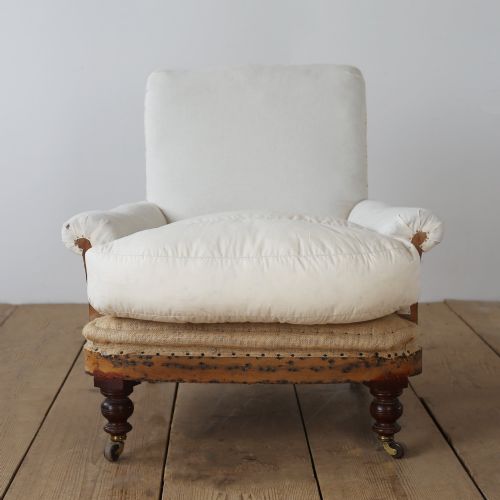
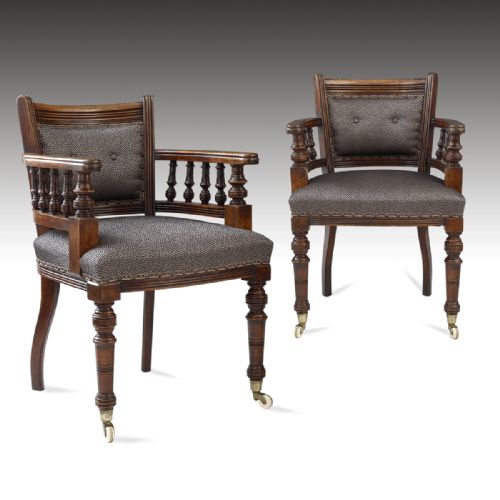
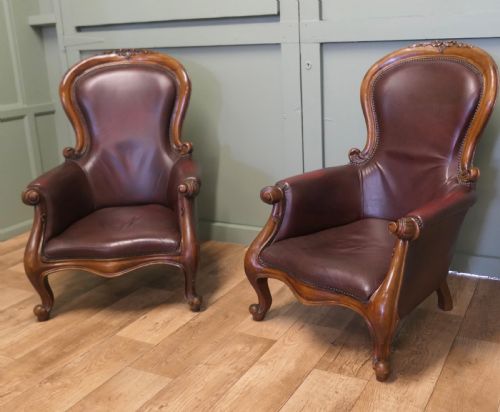
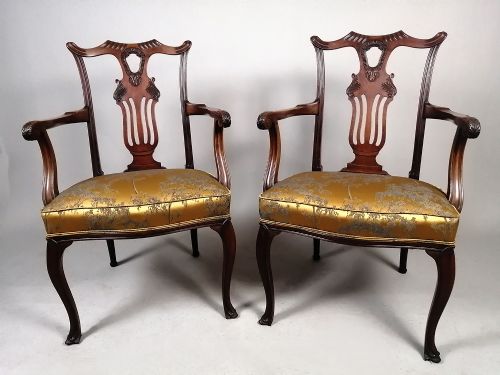
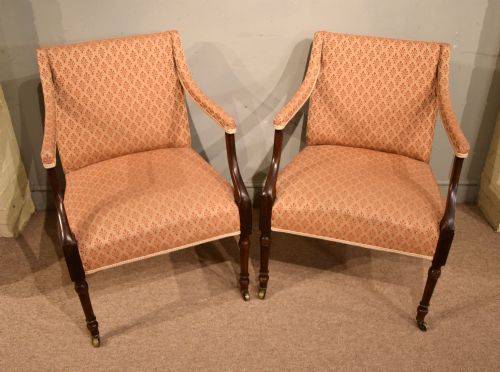
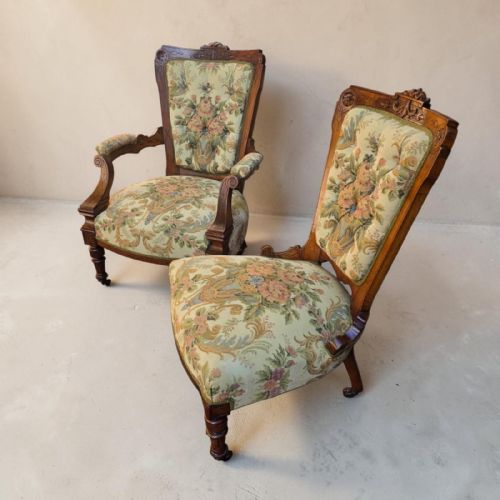
A victorian armchair pair comprises matching nineteenth century seats designed for parlours, libraries and drawing rooms, often surviving as his and hers sets or matching library chairs. These duplicates provide symmetry in a interior scheme, balancing proportions across a fireplace or bay window.
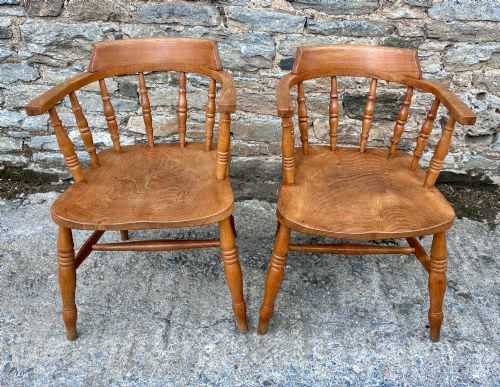
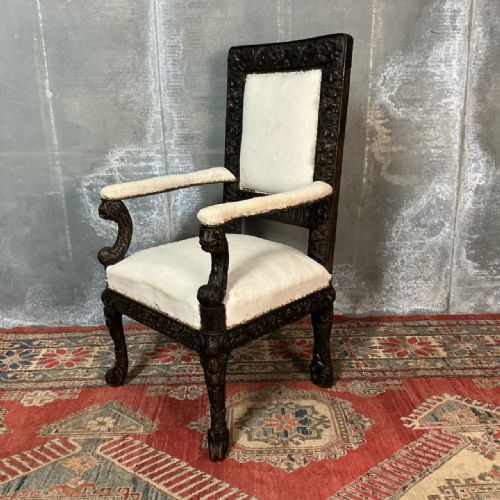
The evidence shows diverse forms ranging from robust oak smokers bows and gothic revival throne chairs to walnut framed balloon backs and velvet upholstered lounge suites. Buyers encounter both low slung gentleman and lady chairs alongside substantial club and library armchairs.
Origins span English country houses and London cabinet makers, with occasional French chateau influences and Edwardian crossover pieces appearing in the record. The surviving pairs reflect varied domestic functions, from formal morning rooms to relaxed smoking spaces.
Assessing quality
Distinctions in quality rest upon the crispness of timber carving, the selection of figured veneers and the integrity of the underlying frame construction. Pieces produced by documented workshops demonstrate superior joinery and more ambitious ornamental programmes than standard regional production.
The sophistication of the silhouette and the harmony of the matching pair determine upper tier status, particularly when original show wood and secondary timbers remain undisturbed. Matched sets that retain their authentic proportions and unified upholstery styles command greater architectural presence.
Retail Price Guide 2026
Typical UK retail prices for victorian armchair pair, calculated from the Sellingantiques database of over a million retail prices indexed since 2003. This retail price guide relies exclusively on Sellingantiques data; no external sources or auction records are used, so the figures do not describe the wider market.
The listings evidence shows timber frames executed primarily in walnut, oak, mahogany and beech alongside exotic goncalo alves.
Howard and sons·Harrods London·Liberty·Gillows
The Victorian Armchair Pair Glossary
- Smokers bow
- A sturdy low backed Windsor style armchair with a turned spindle gallery, commonly found in nineteenth century domestic settings.
- Goncalo alves
- A dense exotic hardwood with striking contrasting grain patterns, utilised for high status nineteenth century furniture framing.
- Balloon back
- An oval or loop framed chair back resembling a balloon shape, popular in Victorian parlor seating.
- Marquetry
- Decorative veneer work forming intricate pictures or geometric patterns using various coloured woods inlaid into a solid surface.
- Gothic revival
- A nineteenth century architectural and decorative style drawing inspiration from medieval forms, pointed arches and heavy carved tracery.
Frequently Asked Questions
How do I match a pair?
Most historic sets were constructed together as matched suites or his and hers configurations, ensuring identical timber species and carving details.
Check for consistent frame dimensions, turning styles and wear patterns across both chairs to confirm they originate from the same workshop batch.
Were these used in bedrooms?
Many nineteenth century pairings designated as gents and ladies chairs were intended for private sitting rooms and large bedrooms.
Their slightly lower stature and varied back heights accommodated period attire and morning routines before descending to public spaces.
How do I identify a revival style?
Revival pieces draw upon specific historical aesthetics, such as Jacobean twist turnings or Louis XV scrollwork, interpreted through nineteenth century manufacturing methods.
Look at the secondary timbers and tool marks beneath the upholstery to separate Victorian reinterpretations from earlier centuries.
Can I use them daily?
These nineteenth century frames are built from dense hardwoods like oak, walnut and mahogany, designed for sustained structural endurance.
Ensure internal webbing and padding are assessed or restored if original upholstery materials have degraded through age.