


Victorian Architectural Illustration
Victorian architectural illustration captures the precision of historic design through ink, watercolour and graphite on paper.
Victorian Architectural Illustration
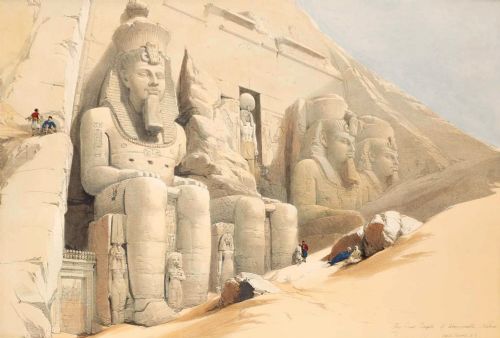
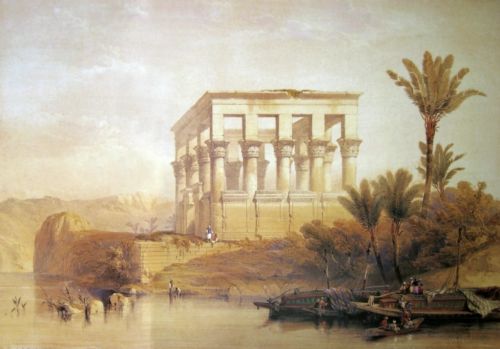
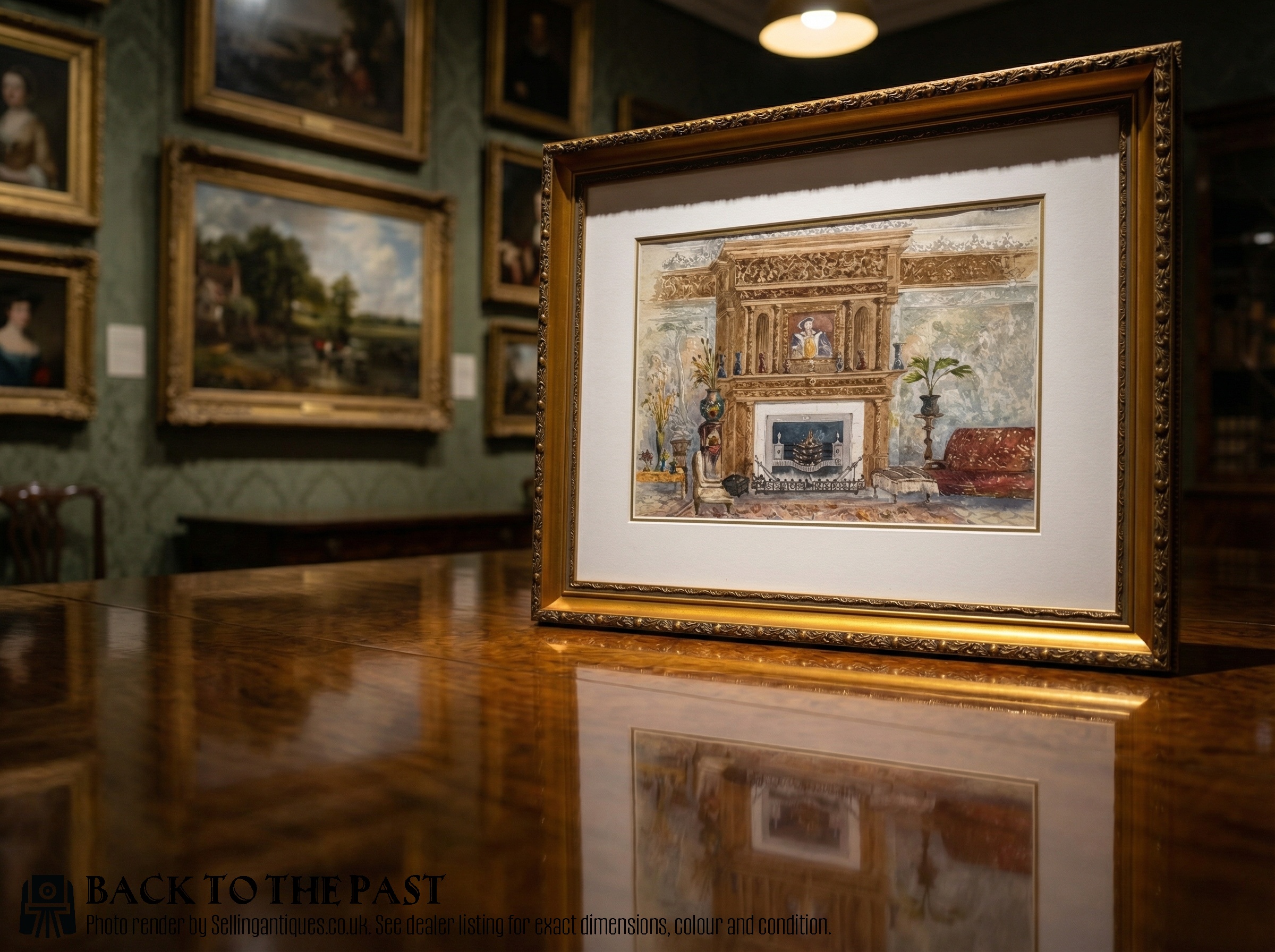
When you search for Victorian architectural illustration, you encounter detailed drawings, watercolours and lithographs depicting historic buildings, colleges, cathedrals and grand interiors. These works range from precise school exercises to finished watercolours of sacred sites and collegiate spaces.
The pieces on this page are predominantly works on paper executed in graphite, ink and watercolour, often set within wood or gilt wood frames. Subjects span from English collegiate halls and botanical conservatories to ancient temples and French industrial plans.
Most examples date firmly within the nineteenth century, drawing on Gothic Revival and classical styles favoured by Victorian draughtsmen and artists. You will find both named topographical studies and broader explorations of architectural history.
Materials and technique
These works rely on paper supports treated with graphite, ink and watercolour washes to build precise lines and tonal depth. Artists frequently combined pen work with delicate watercolours to delineate stone masonry, foliage and structural ornamentation.
Industrial lithography also appears alongside hand-drawn originals, allowing for the reproduction of architectural plans and designs. Framing typically involves wood or gilt wood surrounds, often incorporating glass to protect the delicate paper surfaces.
Listings feature paper supports utilised alongside graphite, ink, watercolour, gold leaf and gilt wood across various nineteenth-century styles.
Judging quality
Quality rests upon the draughtsmanship and the precision with which perspective and detail are rendered. Superior pieces exhibit confident linework and careful tonal control, whether in a wash technique or intricate pen and ink.
The significance of the subject matter and the skill of the execution distinguish exceptional works from standard student exercises. Original hand-drawn studies by named artists carry distinct visual and historical weight compared to mass-produced prints.
David Roberts·George De Paris·Joseph Hansom·Edward Burrows·Joseph Murray Ince
The Victorian Architectural Illustration Glossary
- Lithograph
- A print made from a flat stone or metal plate treated to retain ink only in desired areas. This technique allowed for the crisp reproduction of architectural plans and technical drawings.
- Watercolour
- A paint consisting of pigment suspended in a water-based solution, applied to paper in transparent washes. It was frequently utilised to render stone, sky and surrounding foliage in architectural scenes.
- Graphite
- A form of carbon used to create grey or black marks on paper. Draughtsmen relied on it for initial outlining and detailed shading before adding ink or wash.
- Gilt Wood
- Wood that has been coated with a thin layer of gold leaf or metallic paint. It frequently forms the decorative frames enclosing these nineteenth-century works on paper.
- Gothic Revival
- An architectural and artistic movement reviving medieval Gothic forms. Many drawings in this collection explore this aesthetic through ecclesiastical and collegiate subjects.
Victorian Architectural Illustration: Frequently Asked Questions
What subjects appear in these illustrations?
The subjects range from English colleges, cathedrals and botanical gardens to ancient foreign temples and French industrial plans. Many depict specific architectural landmarks recorded by contemporary artists and students.
Others focus on the history of Gothic art, illustrating ecclesiastical buildings and historic structures from visual surveys and sketchbooks.
How were these drawings displayed?
These works on paper are typically housed within traditional wood or gilt wood frames, often protected beneath glass. Such framing preserved the delicate ink, graphite and watercolour mediums from environmental damage.
Many retain their original framing materials, which complement the nineteenth-century aesthetic of the artwork within.
Who created these works?
Creators include established nineteenth-century artists, architectural draughtsmen and students undertaking formal studies at institutions such as the South Kensington School. Works range from professional topographical watercolours to academic drawings.
Signatures, dates and inscriptions on the sheets often record the author, the location depicted or the educational context of the piece.
How do I care for works on paper?
Works executed on paper require protection from direct sunlight and excessive moisture to prevent fading and degradation. Displaying them away from intense light sources safeguards the pigments and graphite.
Maintaining stable indoor humidity levels ensures that both the paper support and any surrounding wooden or gilt frames remain preserved.