
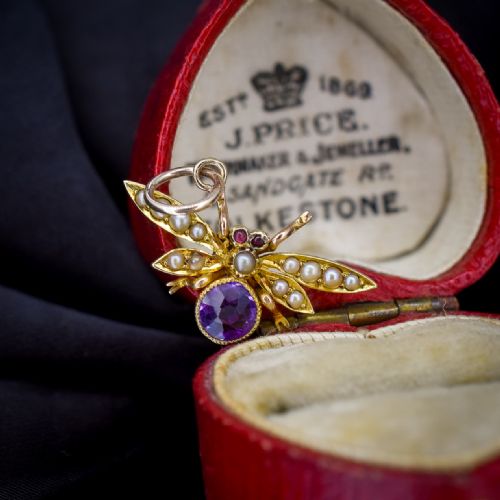


Victorian Amethyst Jewellery
Victorian amethyst jewellery brings deep purple stones together with gold and pearls for a distinct nineteenth-century look.
Victorian Amethyst Jewellery
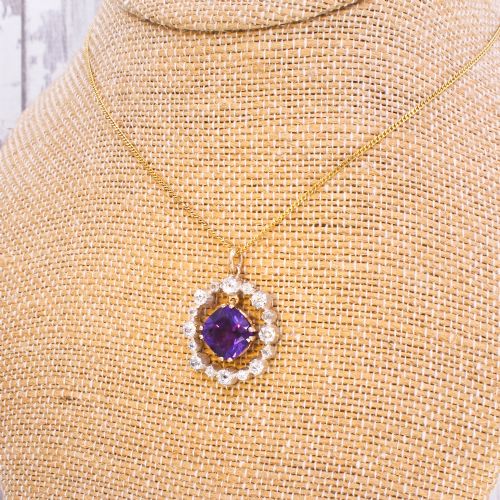
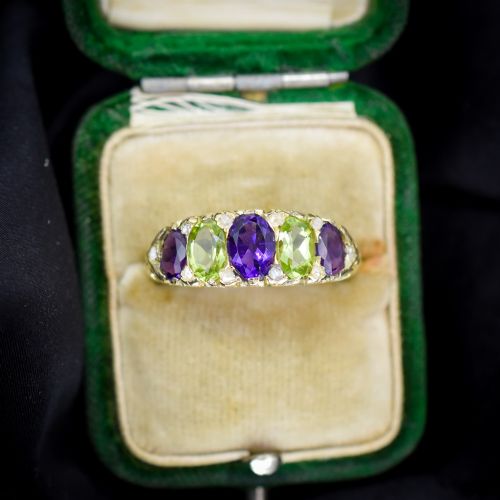
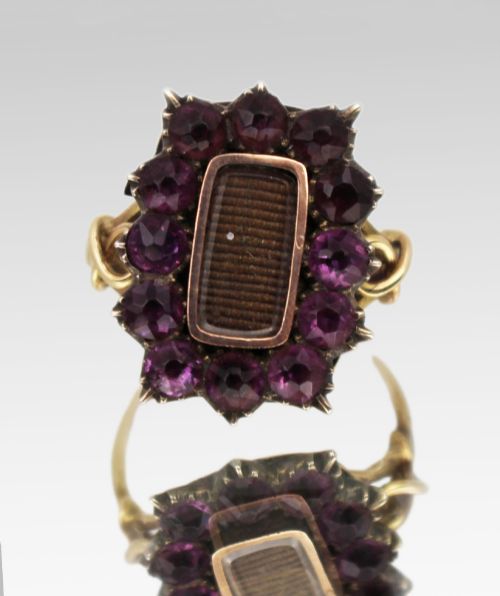
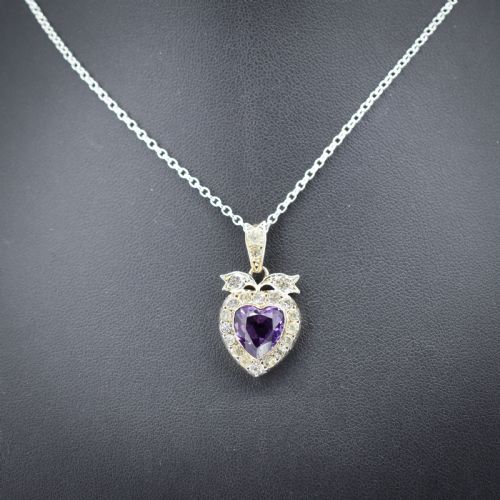
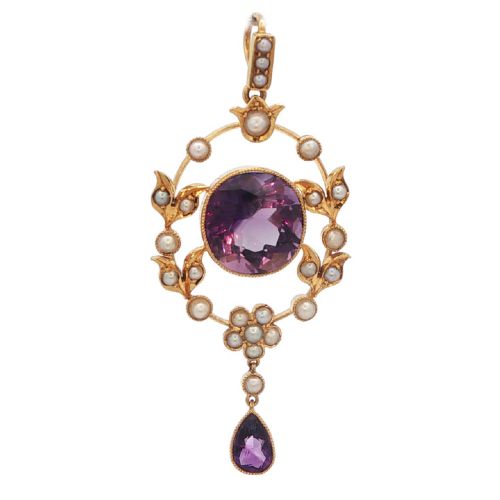
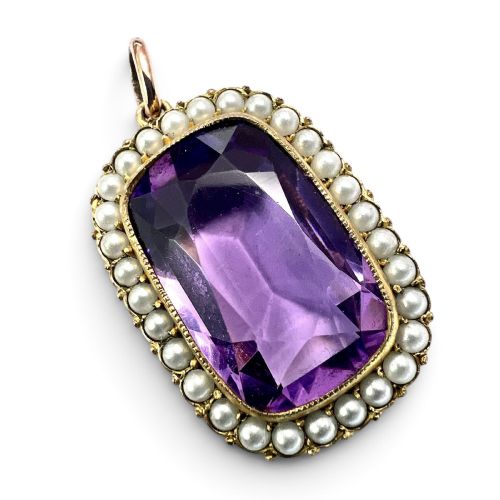
When searching for victorian amethyst jewellery, buyers encounter rings, pendants, brooches, necklaces, and earrings dating primarily from the nineteenth century alongside later revivals. The form most commonly met on this page is the cluster ring or pendant, often combining purple quartz with seed pearls.
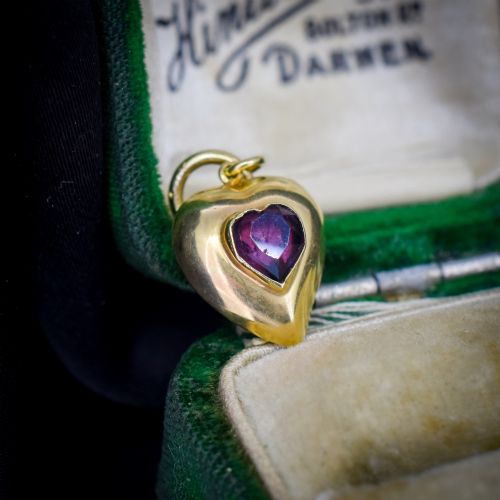
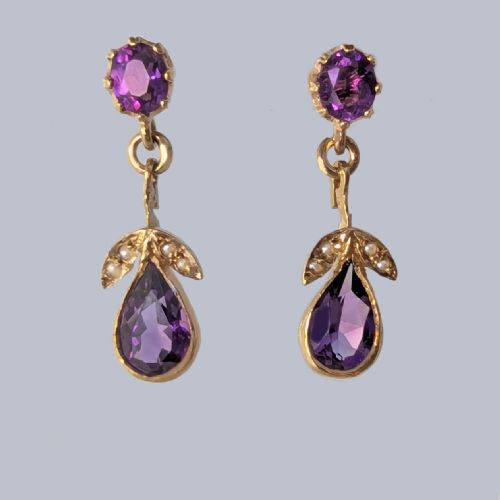
Pieces span Early Victorian to Edwardian periods, with styles drawing on nineteenth-century French and British traditions. Items range from large cluster brooches and gate link bracelets to delicate drop earrings and fob charms set in yellow or rose gold.
Materials and Techniques
Metals employed across these listings include nine-carat, fifteen-carat, and eighteen-carat gold, alongside silver and paste. Goldsmiths mounted amethysts into settings often accented by seed pearls, natural pearls, diamonds, or chalcedony.
Construction methods involve secure claw and bezel settings for larger stones, paired with delicate wirework for fringes, drops, and hinged bangles. Hallmarks and specific regional metal standards appear on select pieces from the period.
Victorian Amethyst Jewellery Retail Price Guide 2026
Typical asking prices for victorian amethyst jewellery among the pieces listed under this phrase on Sellingantiques today, from the lower quarter to the upper quarter. They describe what is for sale here now, not the wider market.
Object forms span rings, gate link bracelets, locket pendants, and matching demi parure earring and brooch sets.
Quality Variations
Distinctions in quality arise from the depth of colour and carat weight of the amethyst, alongside the integration of supplementary stones such as old-cut diamonds or natural pearls. Substantial gold weight, particularly fifteen-carat and eighteen-carat compositions, elevates a piece above lighter nine-carat alternatives.
Execution of the metalwork, from intricate gate link bracelets to fitted demi-parure sets in original boxes, demonstrates the skill of the maker. The survival of matched seed pearls and well-preserved foiled or open-backed settings further distinguishes superior examples.
Hamilton and Co
The Victorian Amethyst Jewellery Glossary
- Demi-parure
- A matched set of jewellery, typically comprising earrings and a brooch or pendant. These paired items were designed to be worn together for formal occasions.
- Seed pearl
- A very small, natural or saltwater pearl, often undrilled or half-drilled, used to create delicate halo borders around central gemstones.
- Fob
- A short chain or ornament attached to a pocket watch, frequently adapted into a charm pendant set with a large amethyst.
- Paste
- Hand-cut glass used as a gemstone substitute in antique pieces, prized for its clarity and historical charm.
- Rose de France
- A pale lilac variety of amethyst often seen in lighter twentieth-century interpretations of Victorian designs.
Victorian Amethyst Jewellery: Frequently Asked Questions
How do I style a Victorian amethyst brooch?
Pin cluster brooches to heavy wool lapels, collars, or scarves to let the purple quartz stand out against dark fabrics.
Larger pieces also function well secured at the centre of a neckline or fastening a shawl.
Are these amethysts natural stones?
Most items feature natural amethysts ranging from pale lilac to deep purple, though select pieces incorporate coloured glass paste.
Examining the stone under magnification reveals natural crystal growth inclusions characteristic of genuine quartz.
What gold purities should I expect?
Listings feature items fashioned from nine-carat, fifteen-carat, and eighteen-carat yellow and rose gold, alongside silver settings.
Fifteen-carat gold is particularly characteristic of nineteenth-century British jewellery before the standard shifted.
How do I care for antique pearl and amethyst pieces?
Clean amethysts gently using warm soapy water and a soft brush, avoiding harsh chemical ultrasonic cleaners.
Keep pearls away from moisture, perfumes, and cosmetics to protect their delicate organic lustre.