



Victorian Aesthetic Movement Glass
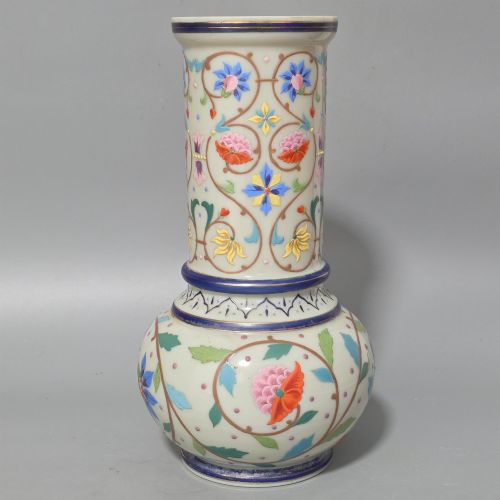
These pieces of Victorian Aesthetic Movement glass combine late nineteenth-century forms with striking decorative techniques that bring distinct colour and texture to an interior.
Victorian Aesthetic Movement Glass
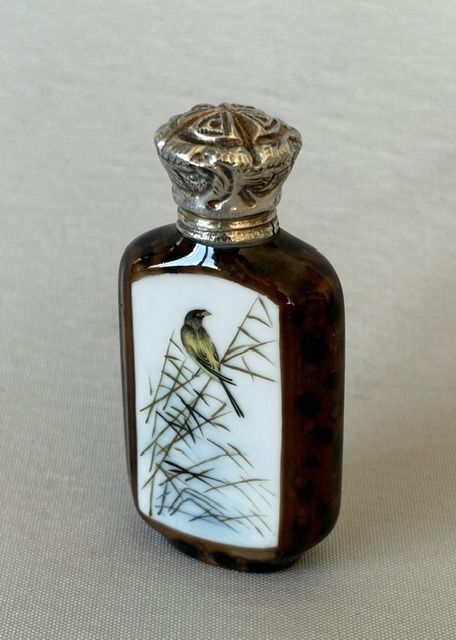
When searching for Victorian aesthetic movement glass, a buyer encounters a selection of nineteenth-century decorative items produced during the height of the aesthetic and arts and crafts periods. The objects available here encompass vessels such as vases, scent bottles, claret jugs, and display items that reflect the artistic tastes of the era. These pieces draw on styles seen across nineteenth-century manufacturing, including late Victorian and arts and crafts influences.
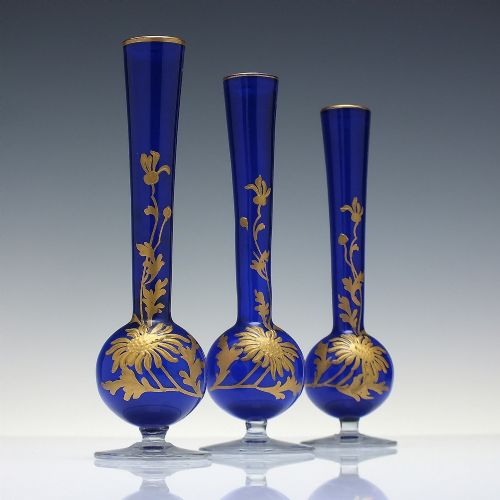
Vessels span various forms and material combinations, incorporating glass alongside silver plate, enamel, and brass mounts. Items such as cobalt blue vases decorated with gilded chrysanthemums and specialised creations from makers like Thomas Webb or Stuart for Liberty represent the stylistic ambitions of the time. Buyers frequently encounter objects dated from around 1860 through to the turn of the twentieth century.
How they were made
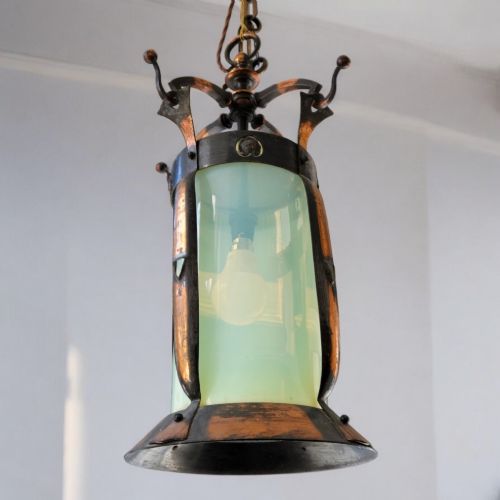
Makers utilised techniques such as hand painting, acid etching, and enamelling directly onto the glass body to achieve intricate surface patterns depicting birds, branches, and floral motifs. Molten glass was blown or moulded into specific shapes, sometimes incorporating vaseline or opaline glass compositions that created unique translucent or opaque qualities.
Metal components in silver plate, brass, or sterling silver were frequently applied to house or mount the glass vessels, as seen in scent bottles and claret jugs. Gilding and gold leaf added metallic highlights to painted designs, particularly on pieces associated with the later nineteenth century.
Victorian Aesthetic Movement Glass Retail Price Guide 2026
Typical asking prices for victorian aesthetic movement glass among the pieces listed under this phrase on Sellingantiques today, from the lower quarter to the upper quarter. They describe what is for sale here now, not the wider market.
Certain Victorian glass pieces incorporate uranium to achieve a glowing yellow hue that illuminates brightly under ultraviolet light.
What varies in quality
The standard of execution in painting and gilding distinguishes finer pieces from ordinary production, with delicate brushwork and detailed enamel rendering indicating higher workshop standards. The crispness of etchings and the precision of silver or brass mounts contribute significantly to an object's overall refinement.
The weight and clarity of the base glass, alongside the integrity of any applied metalwork or gilding, reflect the skill involved in the original manufacture. Works bearing attribution to notable designers or specific firms demonstrate a higher degree of artistic oversight.
Thomas Webb·Stuart for Liberty·Lambs of Manchester·Hukin and Heath
The Victorian Aesthetic Movement Glass Glossary
- Aesthetic Movement
- A nineteenth-century design style that emphasised decorative qualities and visual beauty over narrative or moral function. This movement influenced glass, furniture, and decorative arts.
- Enamel
- A decorative material fused to the surface of glass through firing. It provides vibrant, opaque colour and durable painted details.
- Vaseline glass
- A type of glass containing uranium dioxide that produces a distinct yellow-green fluorescent colour. It gained popularity during the late nineteenth century.
- Opaline glass
- A delicate, translucent white or coloured glass with an appearance resembling opal. It was frequently used for Victorian vases and ornamental baskets.
- Claret jug
- A pouring vessel designed for serving red wine, typically combining a glass body with a hinged metal mount and handle. Many Victorian examples feature cut crystal or etched glass.
Victorian Aesthetic Movement Glass: Frequently Asked Questions
What is Victorian aesthetic movement glass?
These items comprise nineteenth-century decorative glassware produced under the influence of the aesthetic movement and arts and crafts ideals. They include vases, jugs, and scent bottles decorated with enamel, gilding, or etched motifs.
Such pieces reflect a shift towards art for art's sake in domestic design. They showcase the diverse decorative techniques favoured by makers during the latter half of the nineteenth century.
How do you date these pieces?
Dating relies on stylistic markers, manufacturing techniques, and any accompanying metal mounts or hallmarks. Pieces often date from the 1860s to 1900, aligning with the Victorian and late Victorian periods.
Makers' marks or specific design registrations can help narrow the production era. Stylistic traits like Japanese-inspired motifs also point towards the height of the aesthetic movement.
How do you care for antique glass?
Care involves gentle cleaning with lukewarm water and mild soap, avoiding harsh chemicals that might damage enamel or gilding. Hand washing is essential to preserve delicate surfaces and mounted metalwork.
Displaying pieces away from direct sunlight protects coloured glass and painted finishes from fading over time. Secure placement prevents accidental damage to fragile forms.