







Victorian Advertising Display
Victorian advertising display pieces are commercial shop fittings and figures that bring character into a room.
Victorian Advertising Display
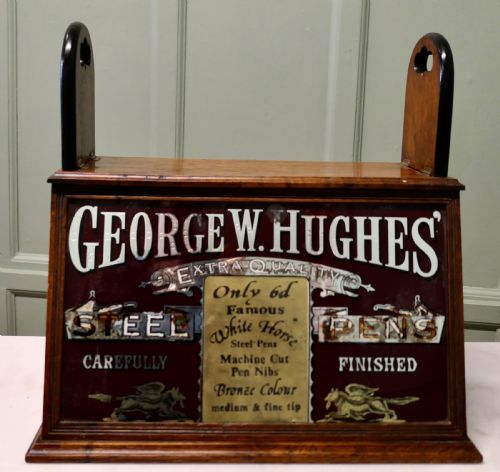
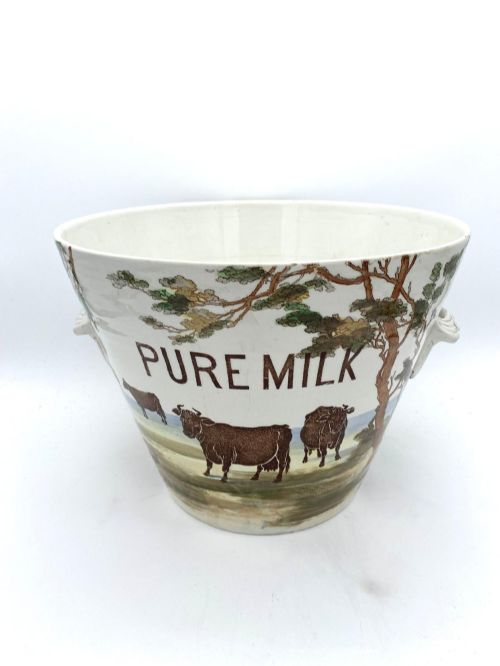
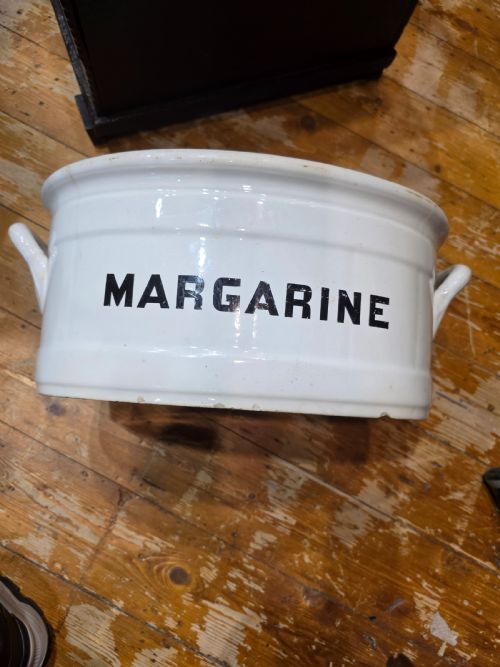
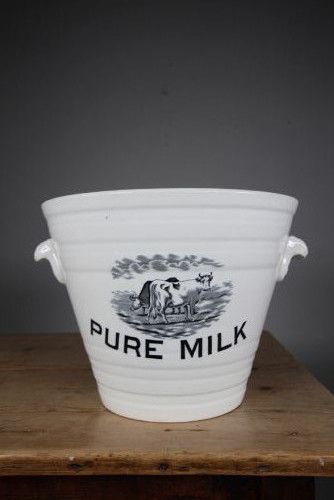
When you search for a victorian advertising display, you encounter pieces designed to sell goods in shops, ranging from wall plaques to large trade figures. The selection includes glazed wooden cabinets and glass signs that once promoted chocolate, tea, tobacco, and biscuits.
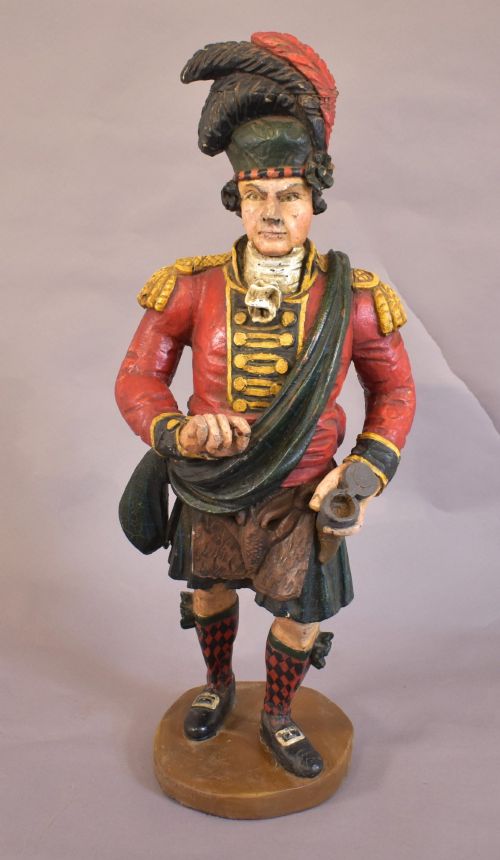
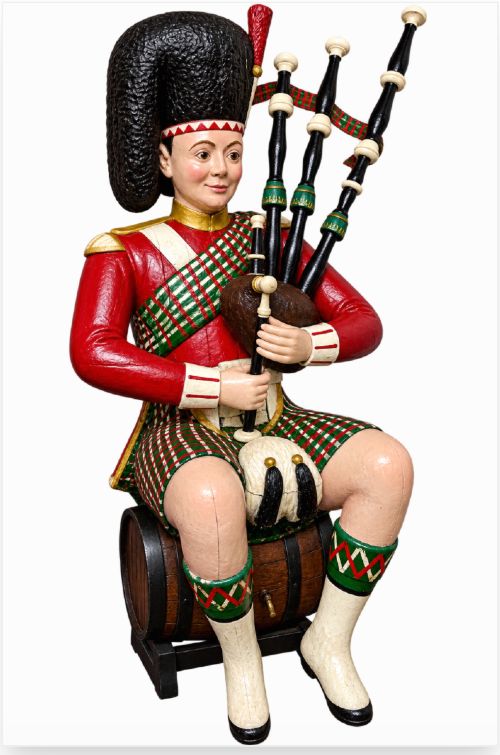
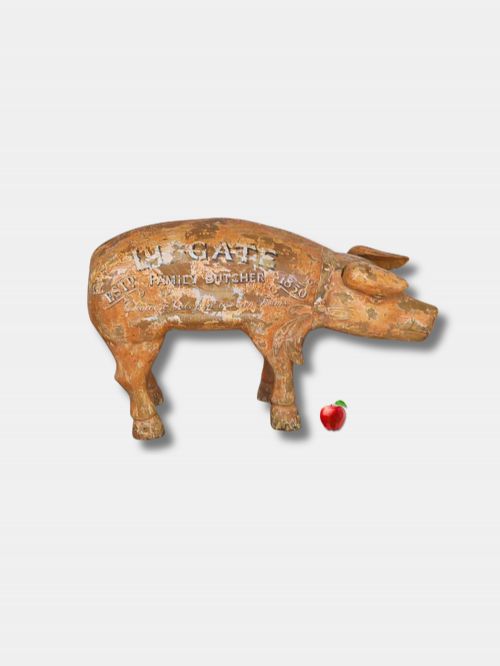
Cabinets in mahogany, walnut, and oak dominate the offerings, often fitted with glass for counter or wall use. You also meet carved wooden or iron trade figures, including highlanders and animals, which served as prominent shop markers.
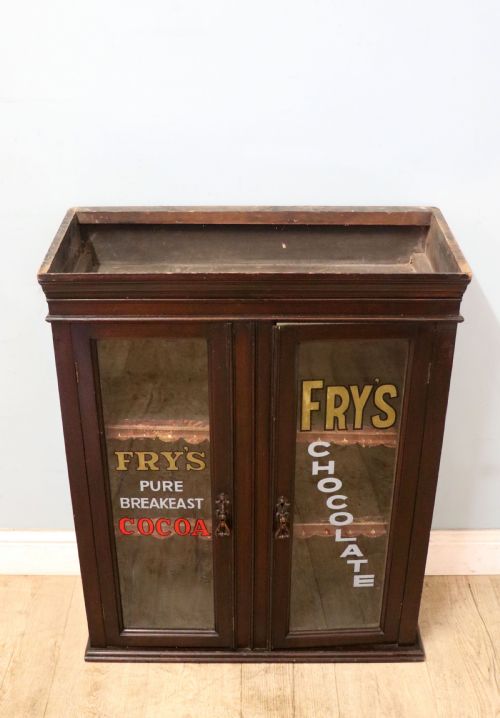
Commercial items bearing specific brand names, such as Fry's, Rowntree's, and Cadbury's, appear alongside generic trade signs and display boxes. These objects originate largely from the nineteenth century and the early decades of the twentieth century.
How they were made
Cabinet makers utilised hardwoods like mahogany, walnut, and oak to construct durable shop counters and wall display units with glazed doors. Carvers shaped solid blocks of wood and cast iron into trade figures and animal sculptures for shop windows.
Makers applied hand sign writing and polychrome paint directly to wood, glass, and metal surfaces to create clear lettering and pictorial advertisements. Gold leaf and painted details enhanced trade signs, glass mirrors, and salesman's sample plaques.
Victorian Advertising Display Retail Price Guide 2026
Typical asking prices for victorian advertising display among the pieces listed under this phrase on Sellingantiques today, from the lower quarter to the upper quarter. They describe what is for sale here now, not the wider market.
A sixteen kilogram iron butcher's window display pig keeps watch over the collection.
What varies in quality
The standard of a piece rests on the integrity of the original signage and the quality of the timber used in its construction. Cabinets built from solid mahogany or walnut with well-preserved painted lettering command greater interest than plain or heavily altered units.
The clarity and execution of hand painted lettering and original glass elements set superior trade signs and display cases apart. Original surfaces and authentic painted finishes retain more historical character than later decorative additions.
The Victorian Advertising Display Glossary
- Trade sign
- A board or sculpture placed outside or inside a shop to indicate the merchant's trade or specific wares. These objects utilised painted wood, iron, or glass.
- Trade figure
- A three-dimensional carved or cast representation, such as a highlander or an animal, used to draw customers into a shop. They often stood outside establishments or in windows.
- Salesman's sample
- A smaller version of a product or plaque carried by commercial travellers to demonstrate wares to shopkeepers. They were manufactured in materials like pottery and iron.
- Haberdashery cabinet
- A multi-drawer glazed or wooden unit utilised in drapery and clothing shops to store and display small goods. They formed a key part of nineteenth century shop interiors.
Victorian Advertising Display: Frequently Asked Questions
How were display cabinets used?
Merchants placed these glazed wooden units on counters or mounted them on walls to protect confectionery, tobacco, and stationery while showing them to customers.
Interior shelving allowed shopkeepers to organise stock effectively within view of the public.
What are trade figures?
Traders used carved wooden or iron figures, such as highlanders and animals, to advertise specific goods outside or inside their shops.
These sculptures acted as visual markers for passers-by before modern illuminated signage became common.
How do I identify a painted trade sign?
Genuine examples feature hand sign written lettering on wood, metal, or glass, often showing the name of a local butcher, grocer, or manufacturer.
They were displayed in shop windows or hung on exterior walls to draw custom.
Where were advertising cabinets placed?
Shopkeepers positioned these storage and display units on sales counters where buyers made their final purchases.
Their glazed fronts kept items like cocoa, chocolate, and sewing cottons visible yet secure.