
Victorian Adjustable Bookcase
When you handle a victorian adjustable bookcase, you hold a piece of nineteenth-century ingenuity designed to adapt instantly to growing libraries.
Victorian Adjustable Bookcase
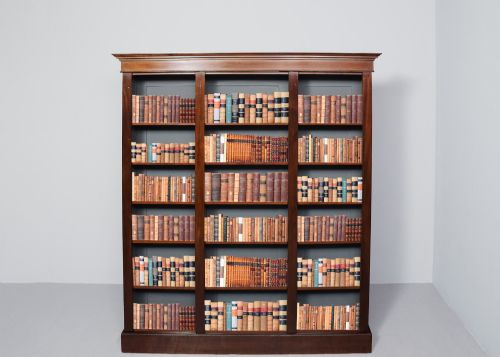
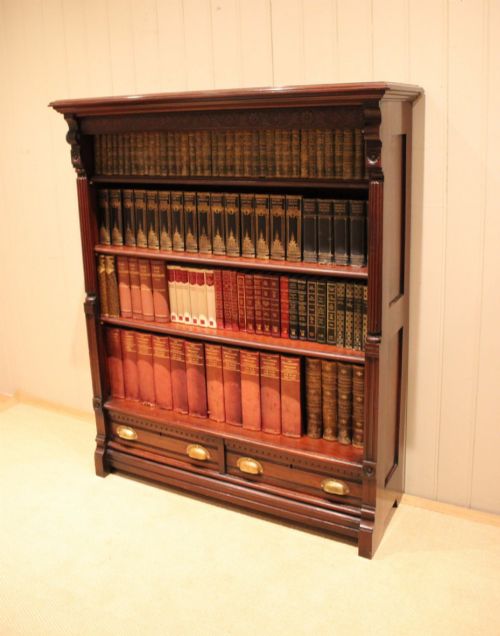
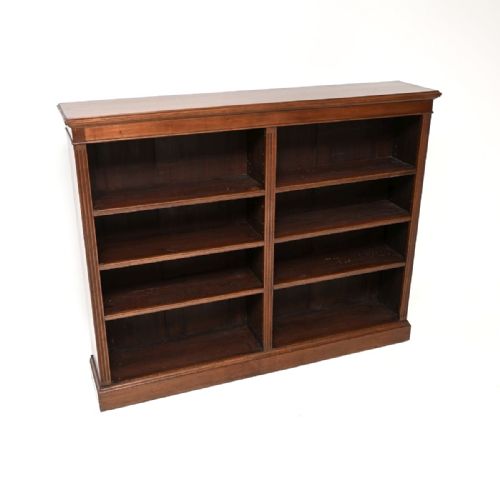
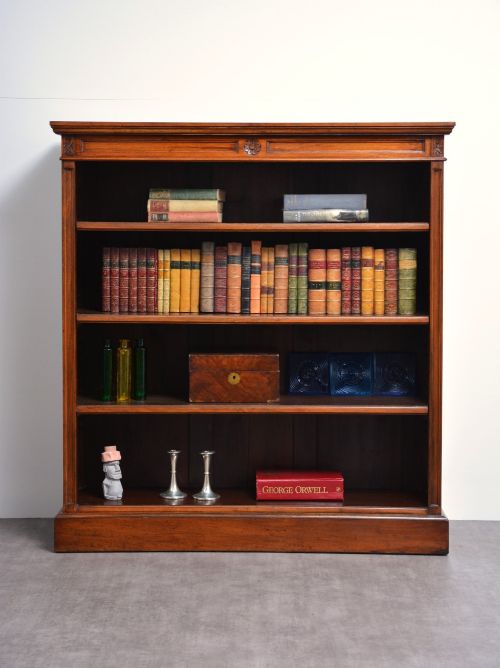
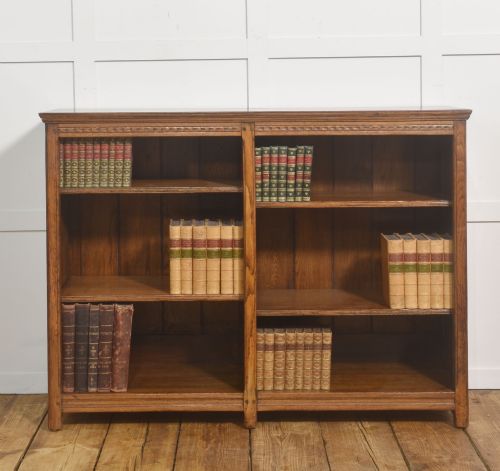
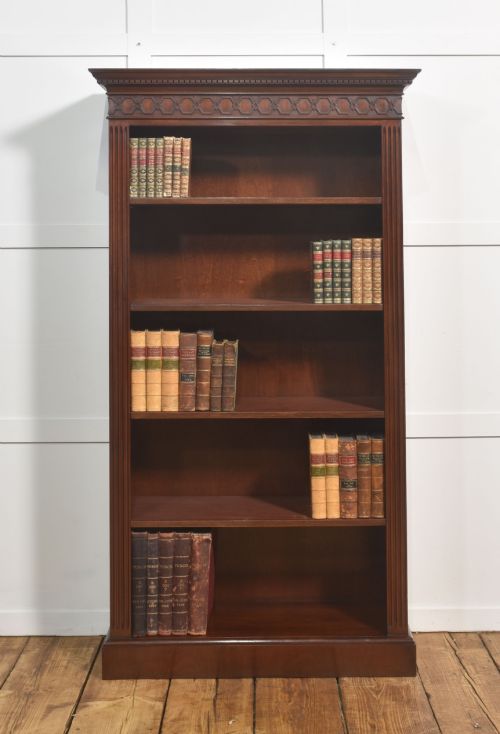
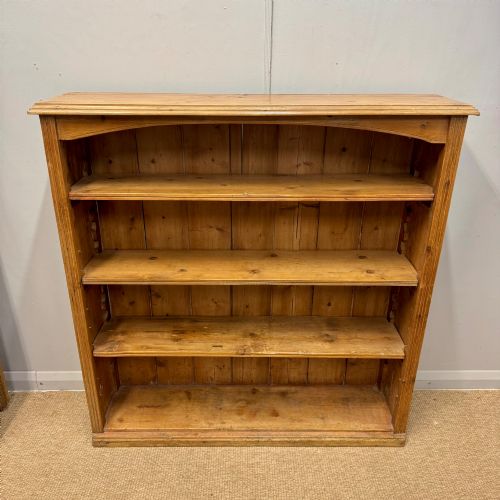
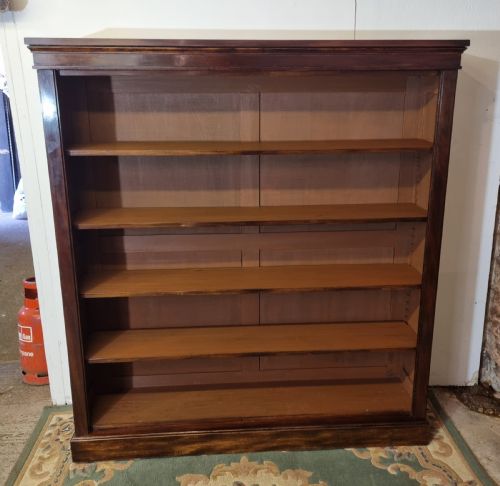
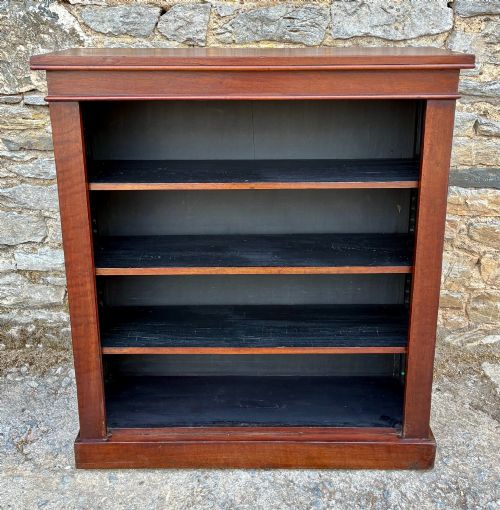
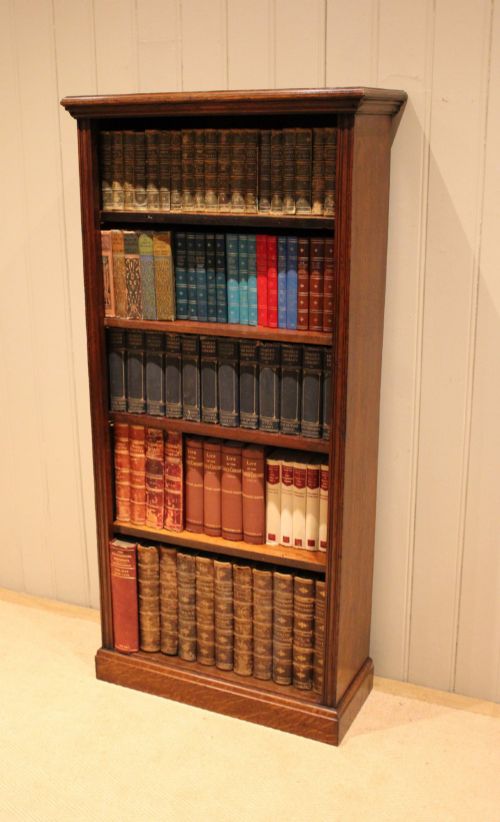
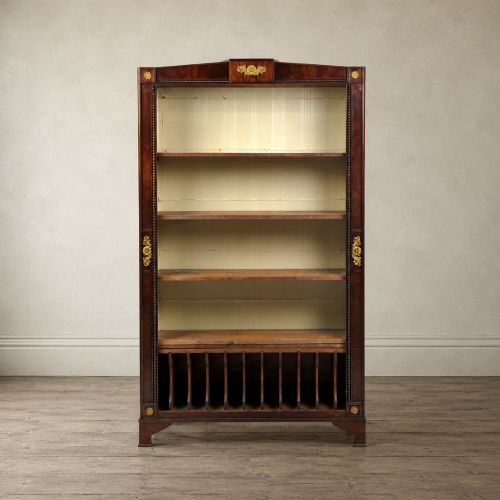
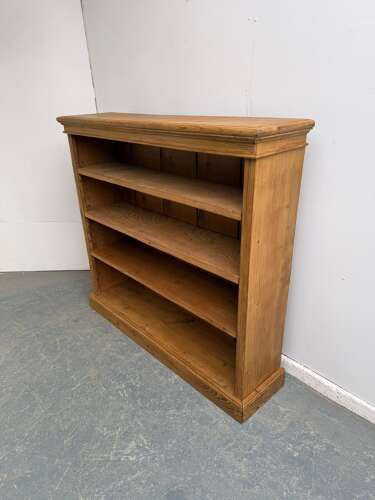
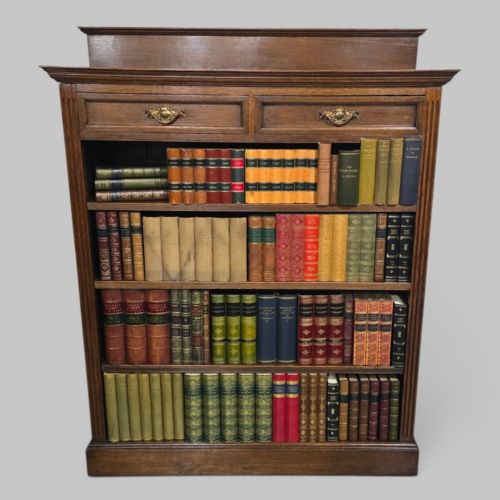
A victorian adjustable bookcase provides flexible shelving for libraries and studies, appearing most frequently as an open-fronted mahogany or oak cabinet from the nineteenth century.
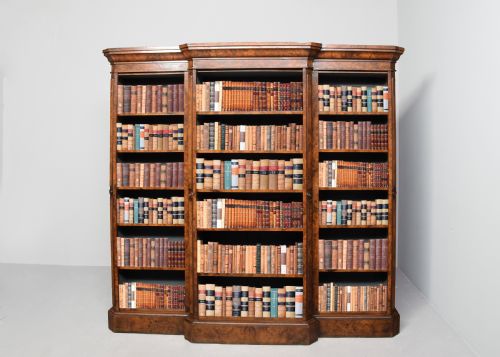
These pieces range from low dwarf units to tall, multi-section breakfront library furniture designed to accommodate varying book heights through movable shelves.
Makers utilised timber uprights fitted with brass ratchets, wooden pegs or sliding mechanisms, allowing owners to reposition shelves without professional help.
How they were made
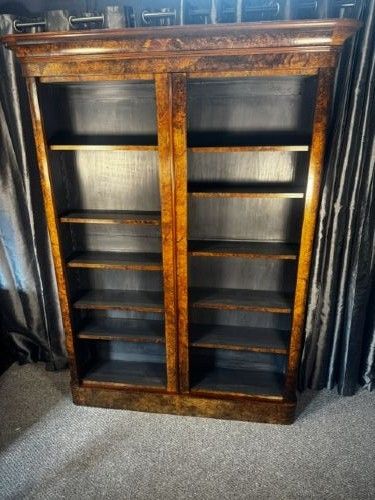
Cabinet makers built the carcases using dense hardwoods such as mahogany, oak and walnut, frequently applying burr walnut or rosewood veneers to primary display surfaces.
Internal mechanisms relied on cast brass strips and movable brackets, or traditional wooden tooth-and-rack supports slotted into the interior sides.
Finishes were typically hand-waxed to protect the wood grain, while finer examples featured carved details, glazed doors or marquetry inlay.
Pieces range from compact table-top book slides and low dwarf bookcases to large multi-section breakfront library furniture.
What varies in quality
The distinction between standard utility furniture and superior examples rests on timber selection, such as figured burr walnut against plain softwood.
Complex three-section breakfront forms and sophisticated brass hardware elevate the status of a piece above simple two-part open shelving.
Crispness of carving, depth of marquetry inlay and the presence of original adjustable mechanisms determine the overall refinement of the construction.
Edwards and Roberts
The Victorian Adjustable Bookcase Glossary
- Breakfront
- A cabinet design where the central section projects forward from the flanking wings. This configuration often accommodates extensive libraries in large houses.
- Dwarf bookcase
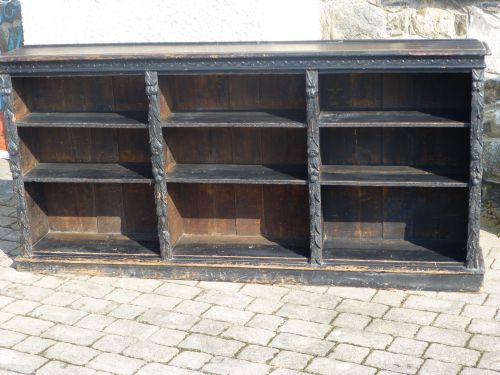
- A low shelving unit designed to sit beneath dado height. These pieces keep windows unobstructed in smaller Victorian rooms.
- Ebonised
- Timber treated with a dark stain or chemical finish to imitate ebony. This treatment was particularly popular for decorative late nineteenth-century cabinet work.
- Green man
- A sculptural face carved from foliage or branches, frequently appearing on Victorian and Gothic revival oak furniture. It symbolises rebirth and spring.
- Marquetry
- Decorative patterns formed by fitted veneers applied to a carcase. Craftsmen used various contrasting woods to create pictorial or geometric designs.
Victorian Adjustable Bookcase: Frequently Asked Questions
How do adjustable shelves work?
Shelves rest on brass studs, wooden ratchets or metal pins fitted into vertical tracks inside the bookcase sides. This allows the owner to change shelf heights easily.
Older systems use notched wooden uprights known as tooth-and-rack supports, which require lifting the shelf to reposition it.
Are these bookcases suitable for modern books?
Victorian shelf depths vary, but many open bookcases easily accommodate modern hardbacks and oversized art volumes. Checking the internal depth before purchase ensures a proper fit.
Adjustable heights prevent wasted vertical space between shelves, making them practical for varied collections.
How do I date a Victorian bookcase?
Cabinet styles, timber choices and construction marks help narrow the decade of manufacture. Early examples often use solid mahogany with simple wooden supports.
Later Victorian and Edwardian pieces frequently introduce oak, ebonised finishes, or complex brass ratchets stamped with maker details.
Where should I place an open bookcase?
Open bookcases perform best in dry rooms away from direct sunlight and heat sources, which can dry out antique timber and veneers. Placing them against interior walls protects the wood from dampness.
Low dwarf versions fit beneath windows, while tall breakfront libraries anchor larger study walls.