



Vernis Martin Painted Furniture
Vernis Martin painted furniture brings luminous French lacquer and gilt-bronze mounts into a room through commodes, cabinets and side tables from the nineteenth century.
Vernis Martin Painted Furniture
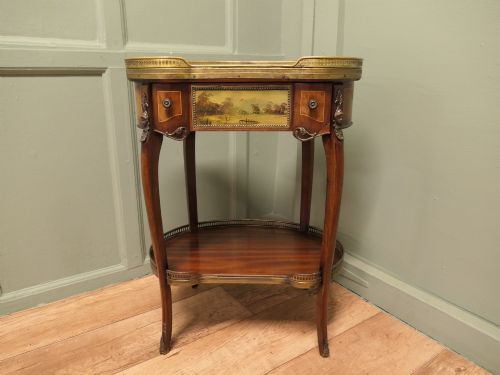
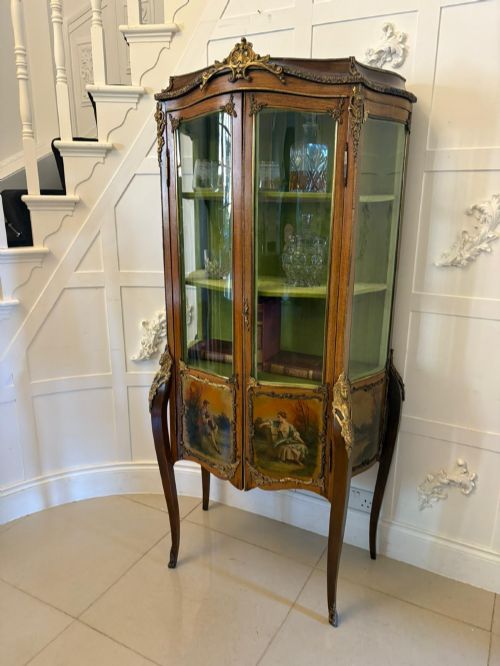
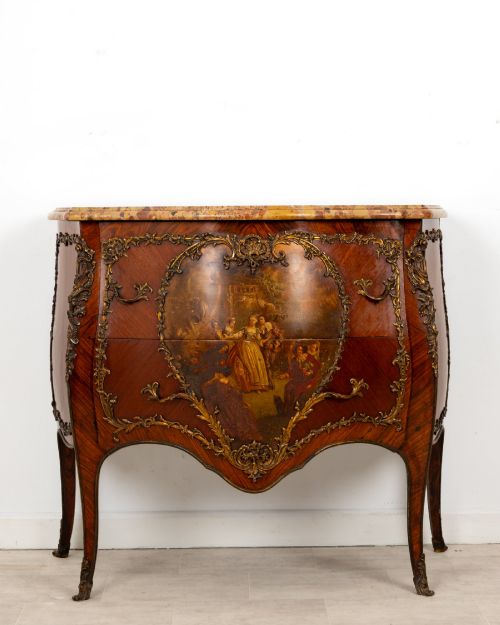
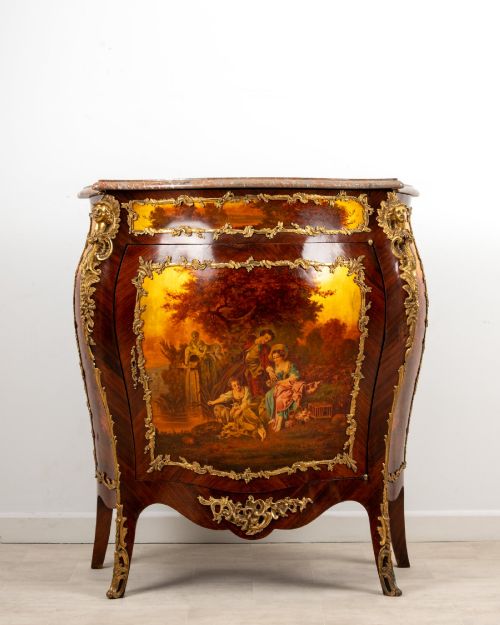
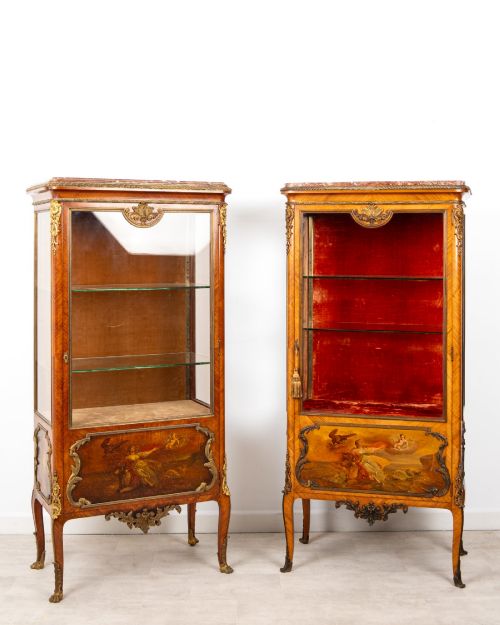
Vernis Martin painted furniture comprises decorative French pieces finished with polished resin layers over painted scenes, following eighteenth-century traditions revived across the nineteenth century. These works appear most frequently as display cabinets, commodes and side tables rooted in Louis XV styles.
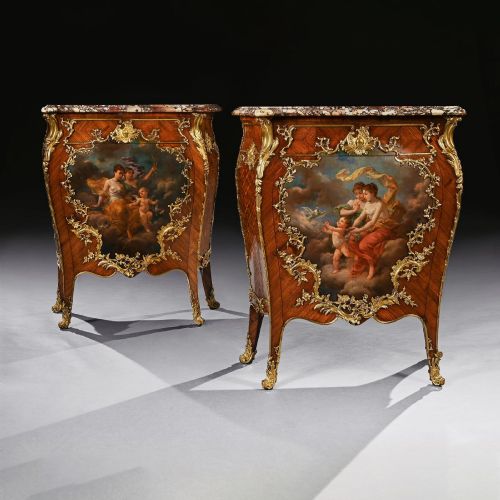
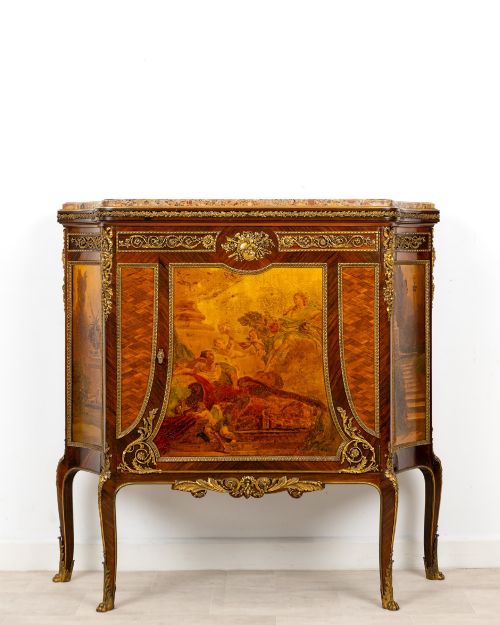
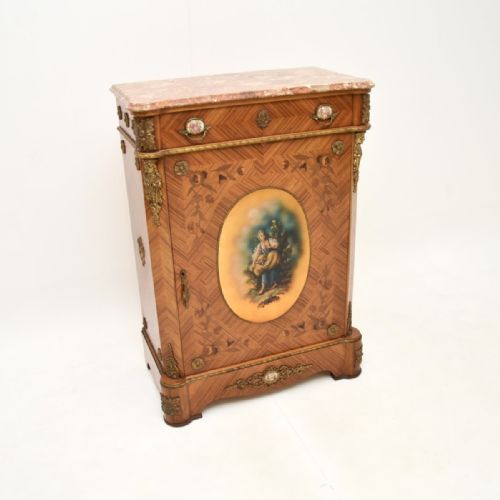
Makers constructed these pieces using woods such as kingwood and mahogany, then integrated painted panels depicting pastoral or romantic subjects. Surviving examples reflect revival periods spanning from eighteen eighty through nineteen twenty, often combining marble tops and ormolu mounts with the signature lacquerwork.
How they were made
Craftsmen built foundational carcasses in woods like kingwood and mahogany, shaping carcases into serpentine commodes, bombé cabinets and vitrines. These structures frequently received marble tops and cast gilt-bronze or ormolu mounts along corners, feet and aprons.
The characteristic finish involved applying multiple layers of copal-based varnish over delicate painted panels to achieve a translucent, glossy depth. Brass and glass elements completed display cabinets and occasional tables designed in French Rococo revival tastes.
Vernis Martin Painted Furniture Retail Price Guide 2026
Typical asking prices for vernis martin painted furniture among the pieces listed under this phrase on Sellingantiques today, from the lower quarter to the upper quarter. They describe what is for sale here now, not the wider market.
Some nineteenth-century secretaire cabinets conceal a secret drawer, adding a touch of hidden espionage behind the polished French lacquer.
What varies in quality
Quality rests upon the depth and clarity of the layered lacquer finish and the finesse of the hand-painted figural scenes. Superior execution shows restrained brushwork and harmonious integration between the painted panels and the surrounding wood veneers.
The caliber of the cast gilt-bronze mounts further distinguishes finer pieces, where crisp chasing and heavy weight elevate the overall design. Cabinetwork integrity, including the proper movement of secret drawers and snug door fittings, marks the standard of the maker's workshop.
François Linke
The Vernis Martin Painted Furniture Glossary
- Vernis Martin
- A type of resin-based lacquer developed in eighteenth-century France by the Martin brothers to imitate Asian lacquer. The technique involves applying translucent varnishes over painted scenes to create a luminous, polished surface.
- Ormolu
- Gilded bronze mounts cast and chased by hand, used extensively to accent the corners, legs and borders of French revival furniture. The finish provides a bright metallic contrast against dark kingwood and painted panels.
- Bombé
- A swelling, outward-curved contour found on the front and sides of commodes and cabinets. This voluptuous shape requires skilled veneering to follow the complex three-dimensional curves.
- Vitrine
- A glass-fronted display cabinet designed to showcase porcelain, silver and small objets d'art. These pieces often feature glazed side panels and mirrored backs to maximise light penetration.
- Kingwood
- A dense, richly figured tropical timber displaying dark violet-brown tones with lighter golden streaks. Cabinetmakers utilised veneers of this wood to frame painted lacquer panels on commodes and side cabinets.
Vernis Martin Painted Furniture: Frequently Asked Questions
What is Vernis Martin?
Vernis Martin is a specialised European lacquer technique developed to mimic Asian lacquerware using resin varnishes. Artisans applied these clear coats over delicate painted panels to protect the artwork and impart a deep, glossy sheen.
This finish became a hallmark of fine French furniture production and saw a major revival during the nineteenth century. Pieces utilising this technique range from small occasional tables to large display cabinets.
How do I clean the lacquer?
Cleaning requires only a soft, dry microfiber cloth to gently remove surface dust without abrasive pressure. Moisture and chemical polishes can damage the delicate varnish layers and underlying painted scenes.
Keep these pieces out of direct sunlight to prevent the lacquer from fading or crazing over time. Stable indoor humidity protects both the wood carcase and the fragile surface finish.
Are these pieces French?
Most pieces carrying this finish originate from France, particularly Paris workshops producing revival furniture during the nineteenth century. Makers drew heavy inspiration from Louis XV aesthetics and Rococo design motifs.
French cabinetmakers combined native and exotic woods with imported styles to recreate eighteenth-century luxury for later Victorian and Edwardian interiors.
What rooms suit this furniture?
These decorative items suit drawing rooms, formal sitting rooms and hallways where their reflective lacquer and gilt mounts catch ambient light. Vitrines and display cabinets serve well for showcasing collections of small antiques.
Smaller side tables and commodes function effectively as accent pieces alongside neutral upholstery that allows the painted panels to stand out.