


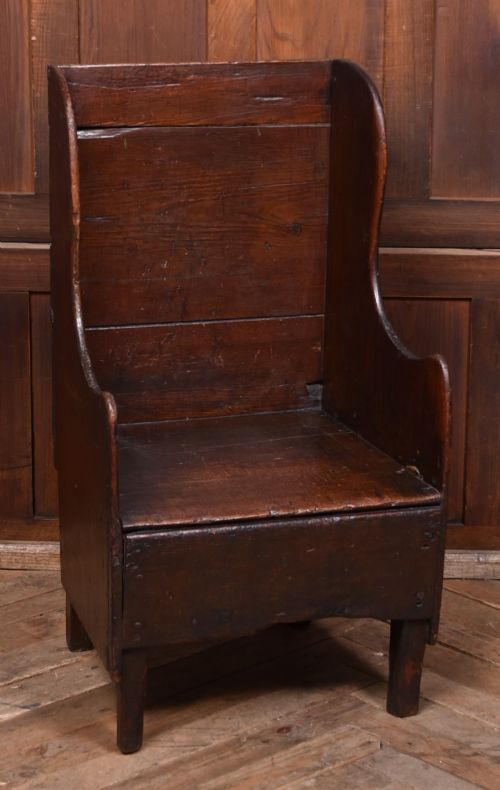
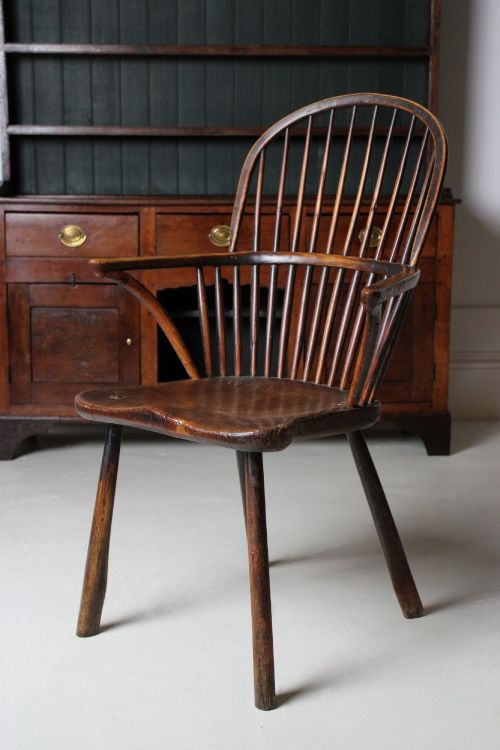
Vernacular Wooden Chair
A vernacular wooden chair is a piece built by local hands for everyday use, offering honest character and timber patination that appeals to modern interiors.
Vernacular Wooden Chair
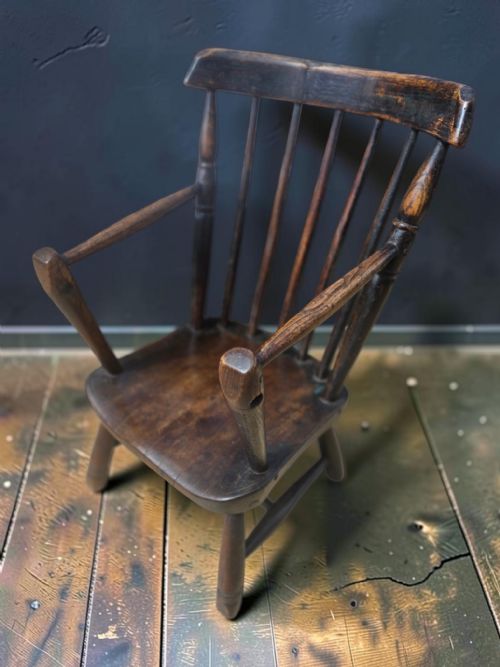
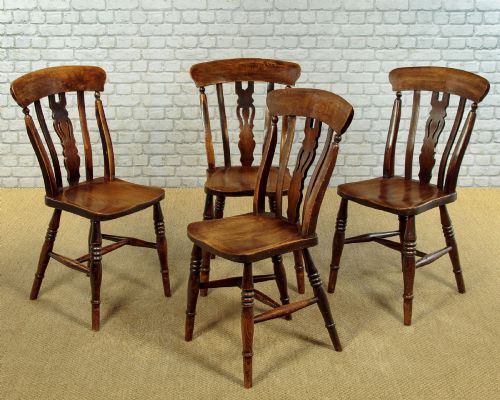
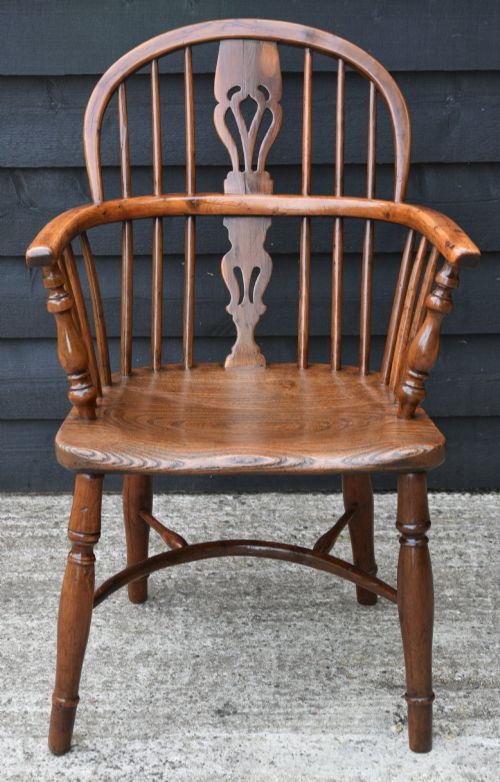
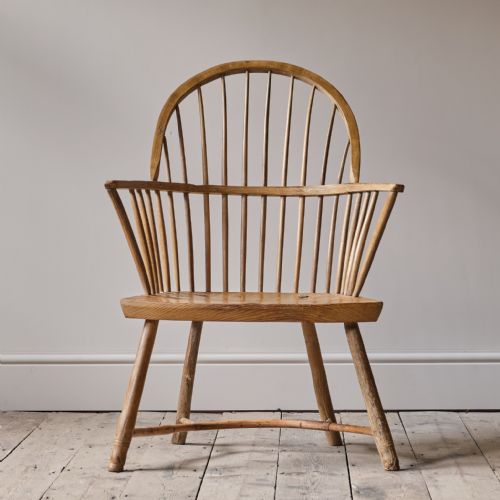
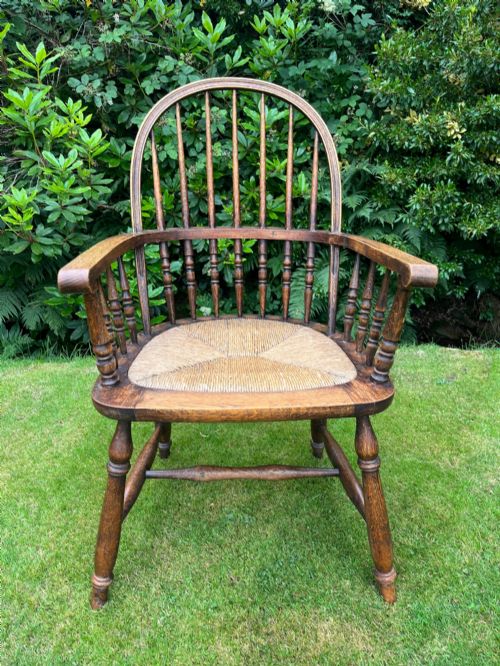
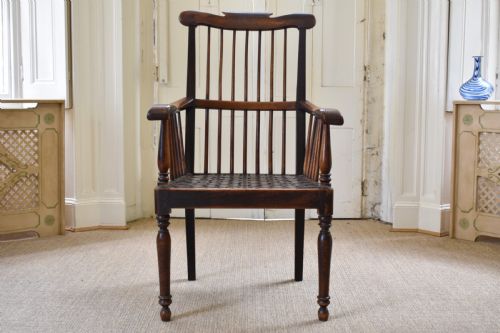
A vernacular wooden chair encompasses everyday seating shaped by local traditions across the English countryside, spanning the seventeenth century through to the early twentieth century. These pieces appear as armchairs, dining chairs, side chairs, rocking chairs, and smaller variants designed for children.
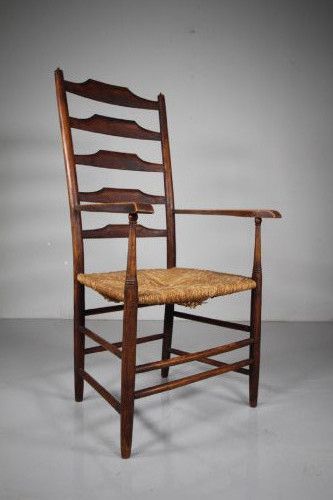
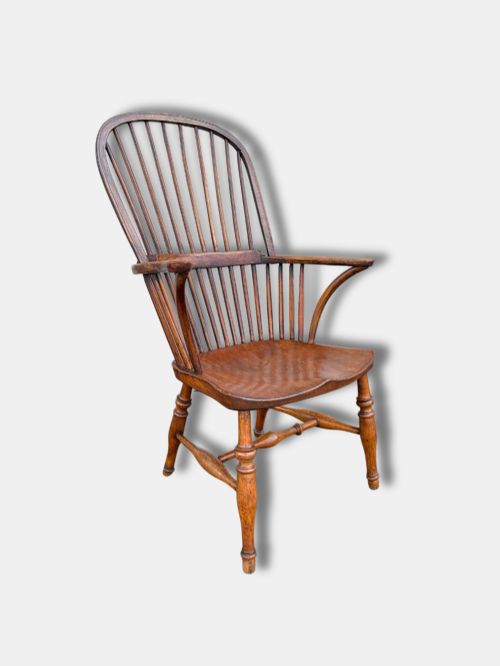
The version most frequently met on this page is the Windsor chair, alongside stick-back and ladder-back forms originating from regional workshops in places like the Thames Valley, Wales, and the Lake District. Makers built these items using local timber to supply farmhouses, cottages, and kitchens rather than grand urban drawing rooms.
Materials and Technique
Craftsmen paired strong woods together by design, typically using elm for solid, resilient seats and ash or yew for bent components like hoops, arms, and spindle backs. Additional timbers such as oak, beech, laburnum, fruitwood, and sycamore appear across regional pieces, sometimes paired with rush for seating or finished with historic paint.
Joinery relied on traditional methods including steam-bending timber for continuous arm rails and comb backs, and wedging tenoned spindles directly into thick plank seats. Workshops prioritised structural utility and local availability, resulting in robust Windsor, ladder-back, and stick-back constructions.
Vernacular Wooden Chair Retail Price Guide 2026
Typical asking prices for vernacular wooden chair among the pieces listed under this phrase on Sellingantiques today, from the lower quarter to the upper quarter. They describe what is for sale here now, not the wider market.
Listings span from the 17th century through to the 1930s, featuring elm, ash, yew, oak, beech, and fruitwood.
Proportion and Timber
Quality rests upon the balance of proportions and the selection of figured timber, where well-turned spindles and generous saddle seats create a more resolved silhouette. Examples featuring dense yew grain or rich patinated elm sit at the upper end of the scale.
Constructive integrity and originality separate different tiers of pieces, as honest wear and untouched surface finishes hold greater architectural merit than heavily restored framework.
Philip Clissett·Gabbitass Worksop maker
The Vernacular Wooden Chair Glossary
- Windsor chair
- A wooden chair featuring a thick solid saddle-shaped seat into which the legs and back spindles are directly fitted. These designs often incorporate hoop backs or comb backs.
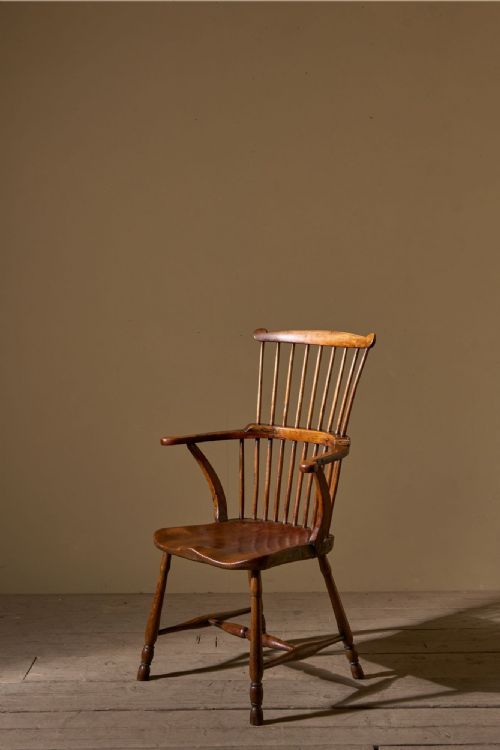
- Comb back
- A chair back style where vertical spindles rise through a horizontal arm bow and terminate in a raised headpiece resembling a traditional hair comb.
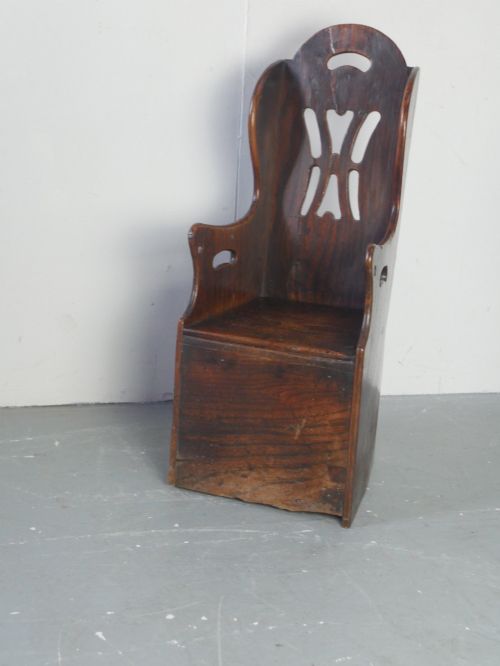
- Lambing chair
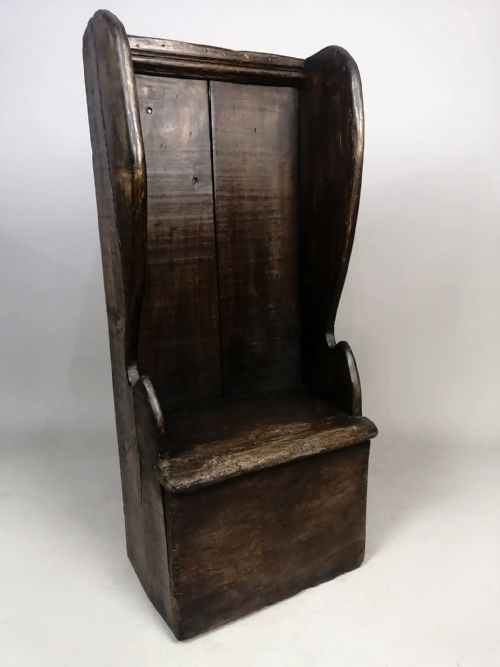
- A hooded or high-sided vernacular armchair designed to shield the sitter from draughts in farmhouse interiors. They frequently date to the eighteenth century or earlier.
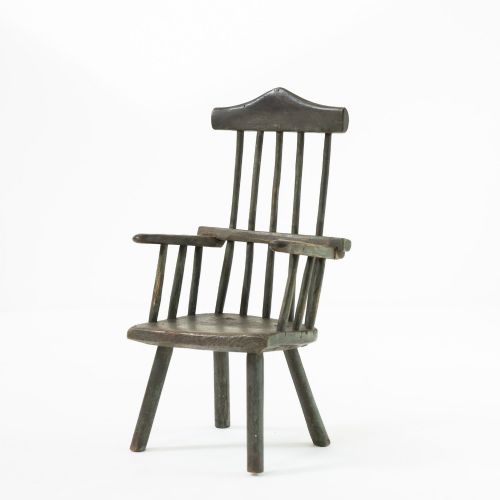
- Stick back
- A chair construction method utilising plain turned or cleft wood spindles secured into a solid timber seat. This form represents simpler country utility.
Vernacular Wooden Chair: Frequently Asked Questions
What is a vernacular wooden chair?
A vernacular wooden chair is regional country seating made by local joiners without the constraints of official guild patterns. These items prioritised utilitarian function over metropolitan fashion.
They utilise native timbers and straightforward construction methods suited to everyday domestic life in farmhouses and cottages.
How do I date an old wooden chair?
Dating relies on examining the joinery, tool marks, timber shrinkage, and overall structural evolution from stick-back to Windsor forms. Eighteenth-century examples often display broader plank seats and hand-carved elements.
Later nineteenth-century pieces show more mechanised turning and standardised component production across regional workshops.
Where were these chairs made?
Makers constructed these chairs in rural workshops across England, Wales, and Ireland, utilising whatever local timber grew nearby. Specific regional centres such as the Thames Valley developed distinct Windsor styles.
Other areas produced characteristic ladder-back and lambing chair variations to suit local domestic needs.
How do I live with country chairs?
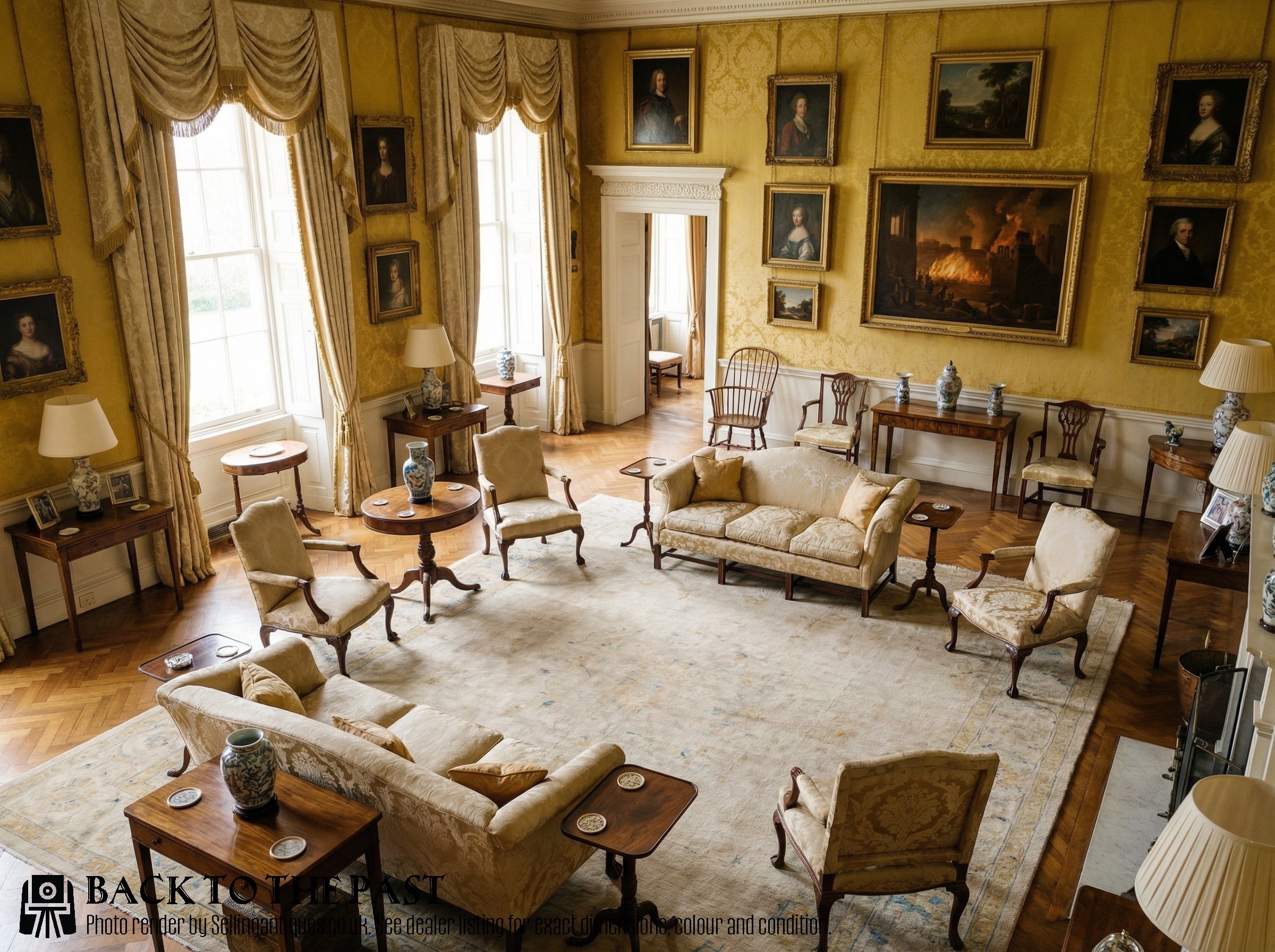
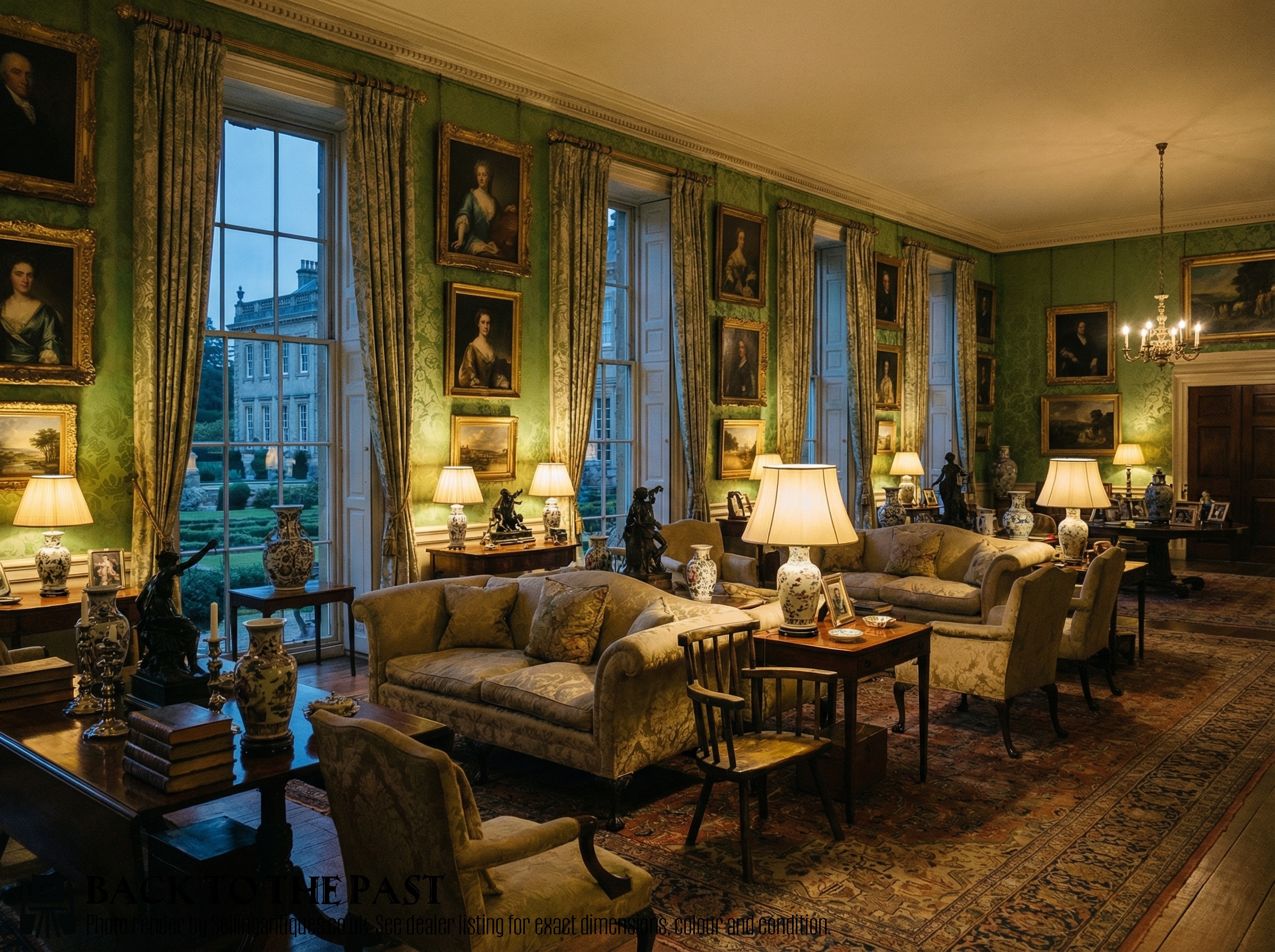
Country chairs integrate easily into modern dining spaces, kitchens, or studies as occasional seating around tables. Their varied timber tones and organic forms complement contemporary and traditional interiors alike.
Maintaining stable room humidity preserves the historic dry timber surfaces and prevents joint movement.