





Vernacular Pine Country Table
These vernacular pine country table pieces bring honest utility and timeworn grain to a room.
Vernacular Pine Country Table
A vernacular pine country table offers robust everyday utility forged in rural workshops rather than metropolitan cabinet-makers' studios. When you search for this phrase, you encounter practical forms designed for kitchens, taverns, and farmhouses where unpretentious strength mattered most.
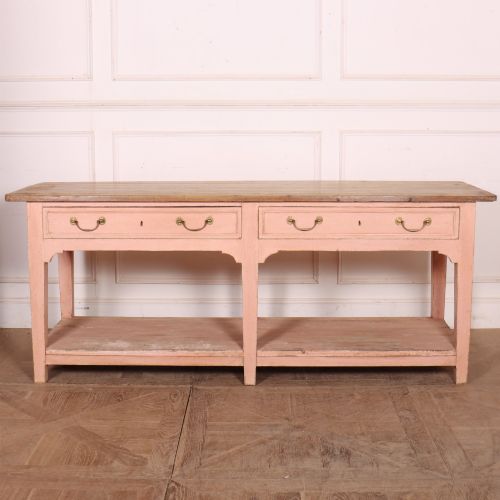
The selection here leans heavily towards nineteenth-century examples, alongside pieces dated around eighteen-hundred and mid-century items. Forms range from compact cricket tables and occasional tables to larger kitchen tables and dresser bases.
Geographic variations appear across the listings, showing distinct regional character from British, Welsh, Scottish, Swedish, and French origins. These items often combine humble timbers with functional designs such as trestles, potboards, and chair tables.
How they were made
Makers utilised accessible local timber, predominantly pine supplemented by oak for top planks and structural elements. Iron and brass hardware appears where hinges, latches, or structural ties were necessary for daily endurance.
Surface treatments range from plain stained timber to historic coats of paint, including traditional Falu paint on Scandinavian pieces. Construction methods relied on straightforward joinery, sturdy plank tops, and turned supports like bobbin legs.
One listed chair table cleverly doubles as a seat with a pivoting back that folds down to form a table.
What varies in quality
The integrity of the timber and the honesty of the surface patina dictate the character of each piece. Original painted finishes that have aged naturally carry far more visual weight than later, cleaned-down surfaces.
Proportion and structural balance separate utilitarian survivors from ordinary furniture. Pieces retaining their original top planks, authentic regional turnings, and untouched fixings hold greater appeal for collectors.
The Vernacular Pine Country Table Glossary
- Cricket table
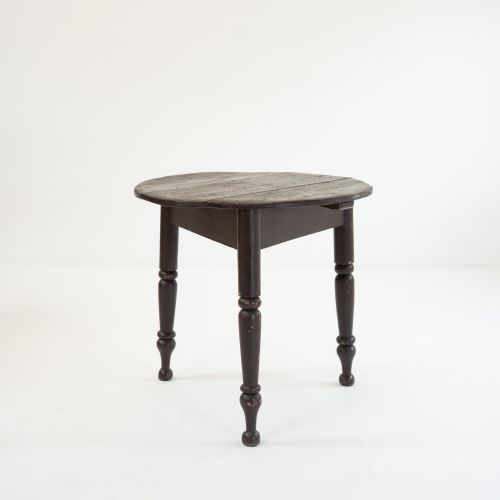
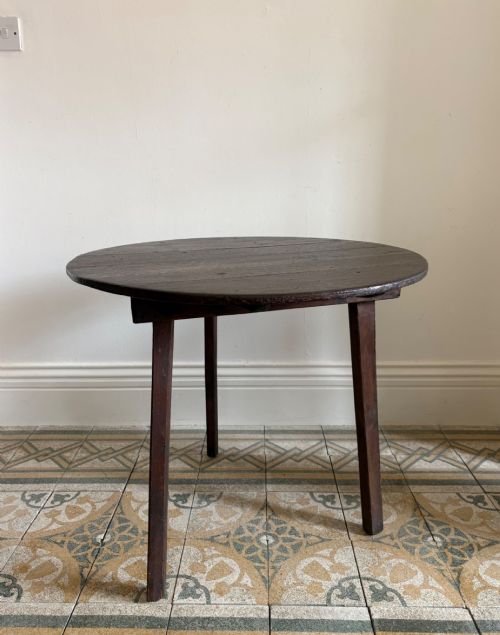
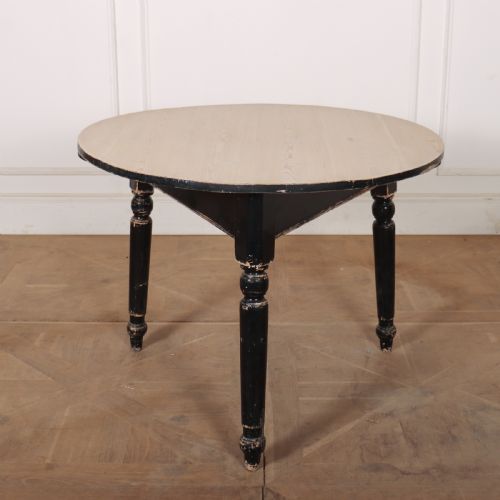
- A small, usually round table featuring three legs, historically designed to stand steady on uneven flagstone floors. This form is common among nineteenth-century vernacular pieces.
- Vernacular
- Objects built by local tradesmen using regional traditions and readily available materials rather than following high-style academic designs. This approach prioritises function over fashion.
- Falu paint
- A deep red or earthy paint traditionally used in Sweden, made from copper mining residue. It preserves timber effectively while imparting a distinct matte colour.
- Dresser base
- A low cabinet featuring drawers or a potboard underneath, used for storing kitchen provisions and displaying tableware. They form a staple of country farmhouse interiors.
- Plank top
- A tabletop constructed from wide boards joined edge to edge rather than veneered or parquetry surfaces. This method shows the natural grain and growth rings of the timber.
Vernacular Pine Country Table: Frequently Asked Questions
What is a cricket table?
A cricket table is a small three-legged table designed to remain stable on uneven floors. They typically feature a round wooden top supported by three splayed legs.
Historically used in homes and taverns, their simple construction made them versatile for casual dining or holding small items.
How do I date a pine country table?
Dating relies on examining construction marks, tool types, and timber characteristics. Hand-sawn boards and old fixings point towards earlier periods.
Surface wear and the presence of historic paint layers also help indicate the age and working history of the piece.
How do I care for painted pine?
Maintain painted pine surfaces by keeping them away from direct sunlight and excessive moisture fluctuations. Dust gently with a dry or slightly damp cloth.
Avoid harsh chemical cleaners that can strip historic paint layers and dry out the underlying softwood.