

Vernacular Elm Seating
Vernacular elm seating comprises honest domestic chairs, settles and stools shaped by regional tradition, offering tactile grain and enduring country character for modern interiors.
Vernacular Elm Seating
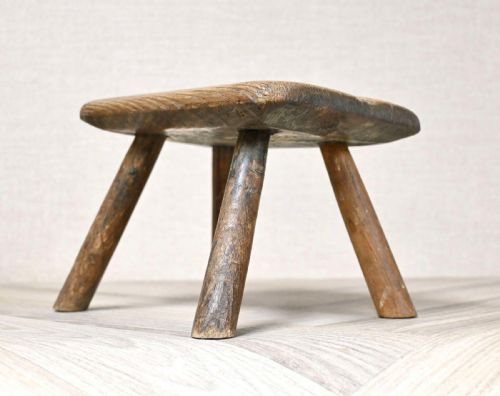
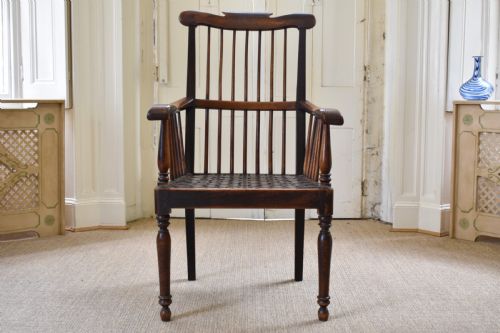
Vernacular elm seating encompasses regional domestic chairs, stools and settle benches created for everyday use in farmhouses, cottages and rural homes. These pieces emerge predominantly from the eighteenth and nineteenth centuries, spanning Georgian, Regency and Victorian periods under styles like English country, primitive, and rustic farmhouse.
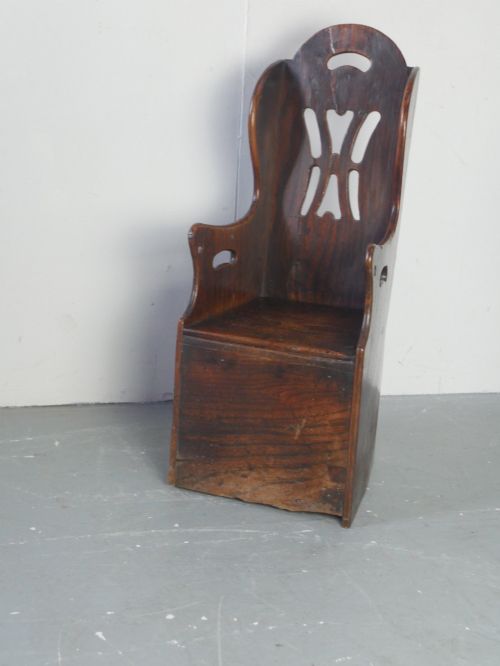
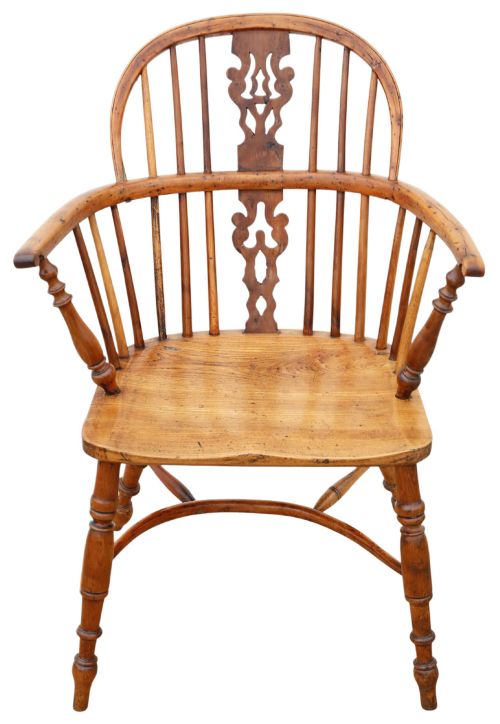
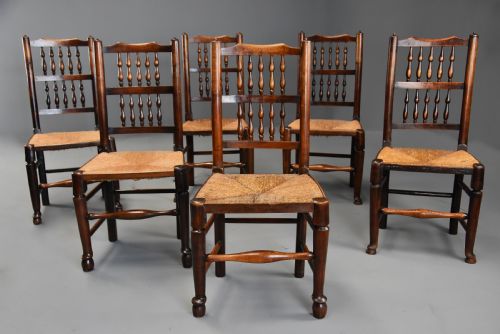
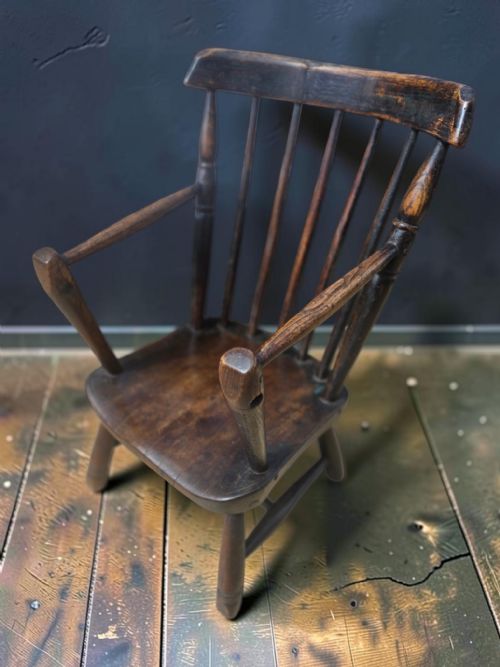
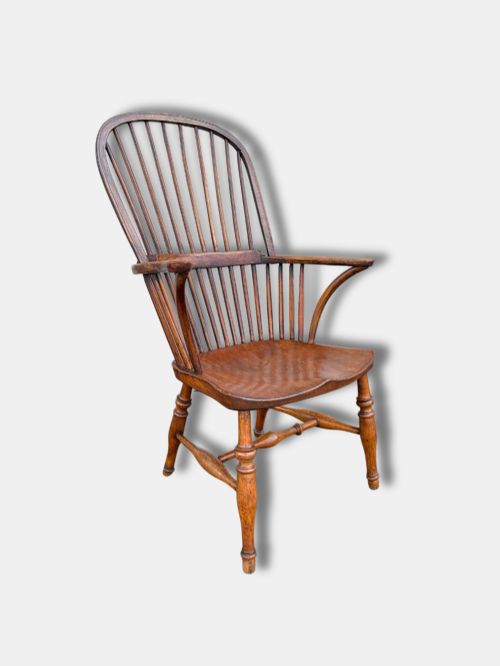
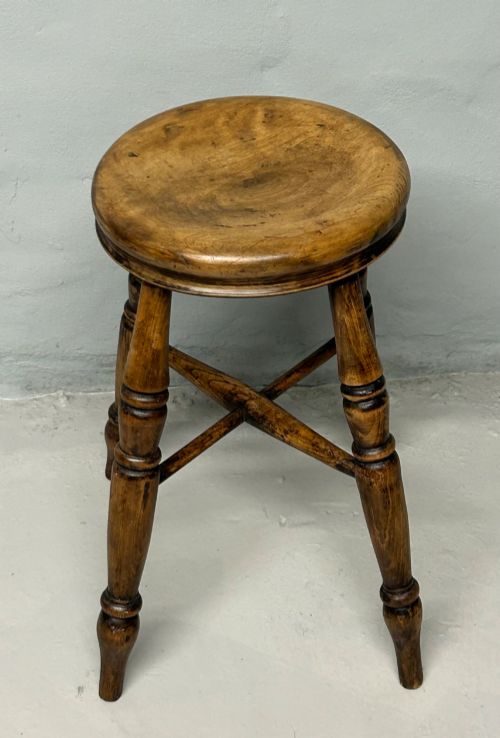
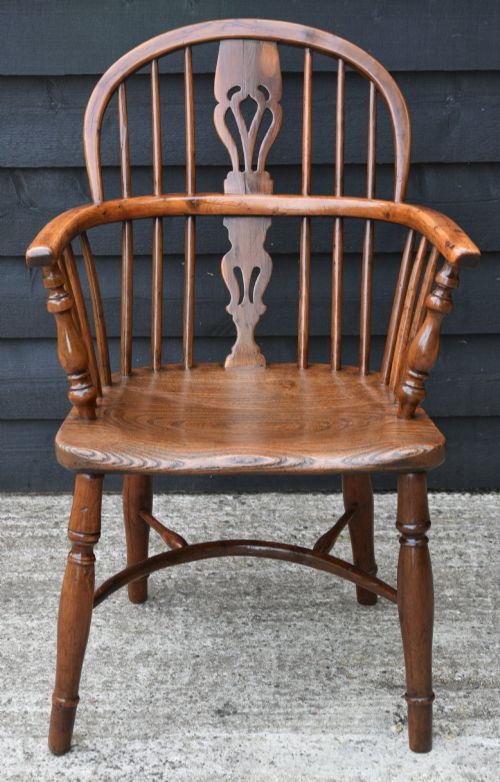
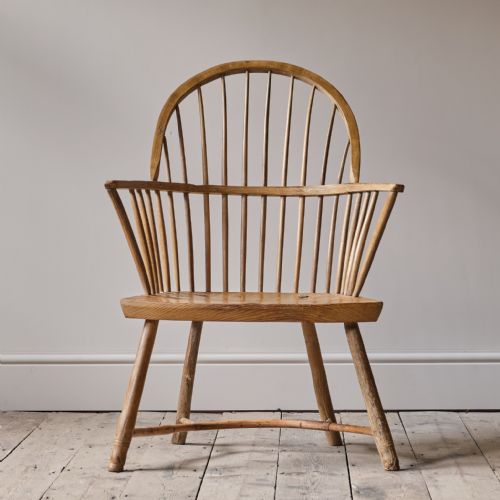
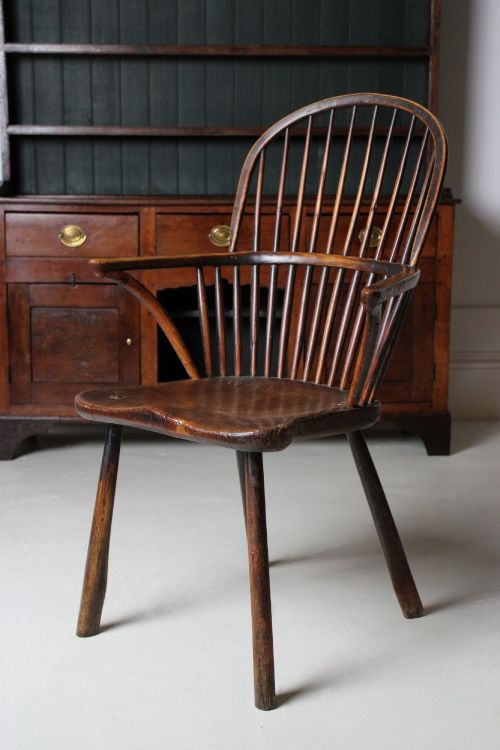
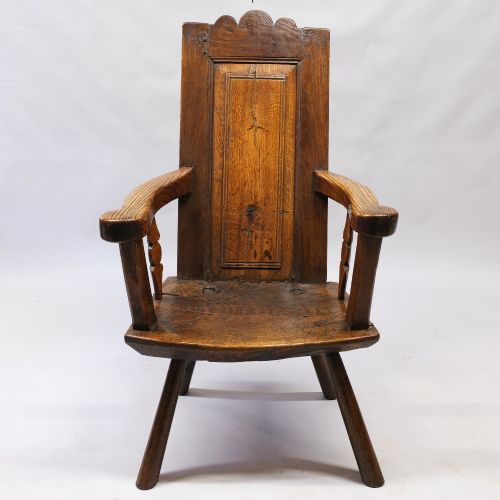
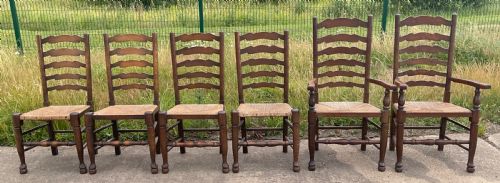
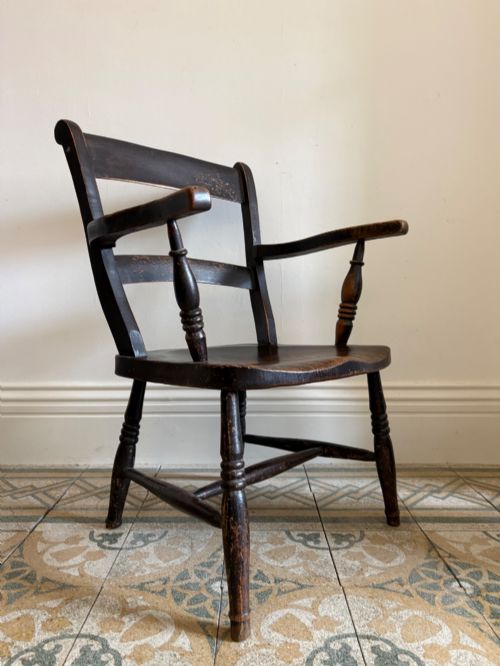
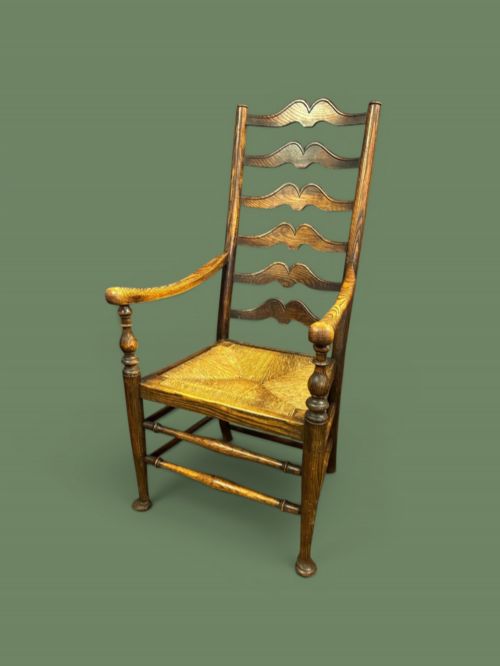
The most common form encountered on this page is the Windsor chair, alongside stickbacks, ladderbacks and panel-backed designs. Makers utilised local timber to build robust seating such as armchairs, carvers, dining sets, children's chairs and low stools for domestic tasks.
Construction and timber selection
Makers built these pieces primarily using elm for seats, paired with complementary woods such as ash, beech, oak and yew for spindles, legs and bow backs. Elm provided a tough, interlocking grain that resisted splitting when seated upon, making it ideal for solid plank seats.
Joinery relied on traditional methods like bodging and Windsor construction, where turned legs and spindles fit directly into drilled seats. Surfaces often received rush for seating pads or retained plain plank timber, sometimes showing ebonised finishes or polished patinas developed through generations of handling.
Listings feature seventeeth, eighteenth, and nineteenth-century periods, alongside Victorian, Georgian, and Regency eras.
Distinctions in craftsmanship and survival
Quality separates through the integrity of the timber, the grace of the turning, and how well the chair retains its original components. A finely shaped elm seat and well-balanced spindle or comb back demonstrate superior regional craftsmanship compared to heavier, unrefined forms.
Surface condition and survival dictate standing within the range, where a rich, untouched patina and minimal structural replacement elevate a piece. Evidence of regional workshops, such as Thames Valley or West Country origins, adds distinct character to the construction.
Fred Walker Rockley
The Vernacular Elm Seating Glossary
- Windsor chair
- A chair built with a solid wooden seat into which the back and legs are separately inserted. These functional seats often feature bowed backs and sculpted elm plank bases.
- Vernacular
- Objects designed by local makers using traditional methods and regional materials rather than following academic architectural styles. This approach prioritises utility and local resourcefulness.
- Patina
- The deep surface sheen and colour developed over decades through use, light exposure and polishing. It serves as a visual indicator of age and careful custodianship.
- Settle bench
- A high-backed wooden bench featuring solid panels or spindles designed to block draughts in farmhouses. These substantial seats often include built-in storage beneath the box base.
- Bodge
- To shape green wood using a pole lathe in woodland settings before final assembly. This traditional woodland craft produced strong components for regional chair makers.
Vernacular Elm Seating: Frequently Asked Questions
What is vernacular elm seating?
Vernacular elm seating covers traditional rural chairs, stools and benches made by local craftspeople for everyday domestic use.
These pieces utilise native timbers and practical construction methods rooted in regional British cottage and farmhouse traditions.
How were Windsor chairs constructed?
Windsor chairs were built around a thick solid wood seat, usually elm, which anchored the turned legs and back spindles.
Craftspeople shaped green and seasoned timber to fit together tightly, creating resilient seating designed for heavy household service.
How do I date an antique elm chair?
Dating relies on observing construction details, tool marks, wood combinations and the evolution of chair styles across centuries.
Georgian and Victorian pieces display distinct turning patterns, seat shaping and wear characteristics that help establish their period of origin.
How do I live with country elm chairs?
Country elm chairs integrate easily into modern spaces as dining seating, desk chairs or singular decorative accents.
Their sturdy construction and warm grain textures bring organic character and history into contemporary rooms without requiring complex maintenance.