

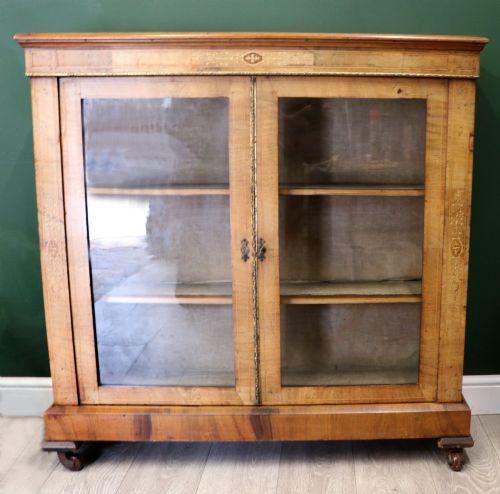
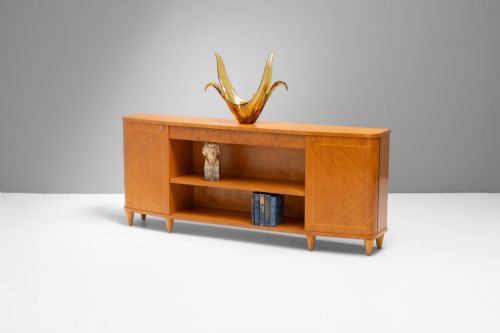
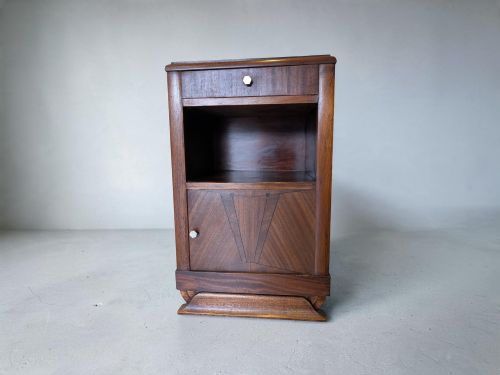
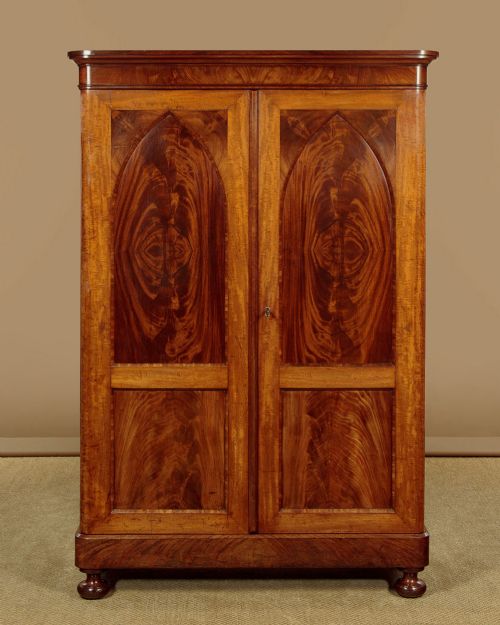
Veneered Cabinet
A veneered cabinet brings rich timber figures and centuries of skilled joinery into a room, offering both display space and concealed storage.
Veneered Cabinet
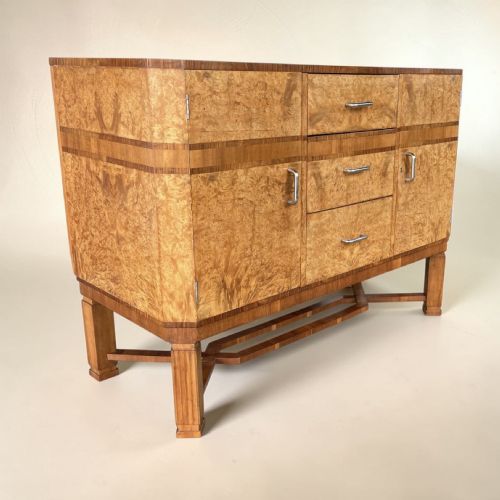
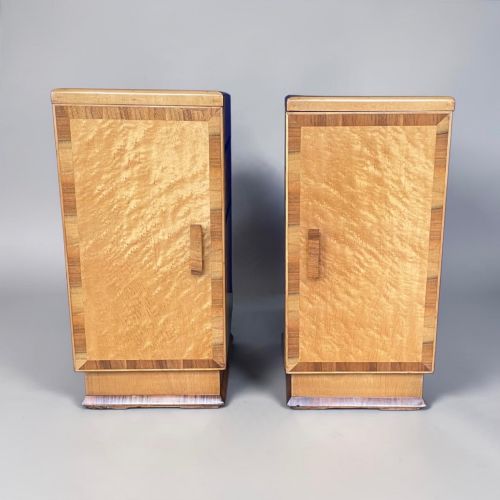
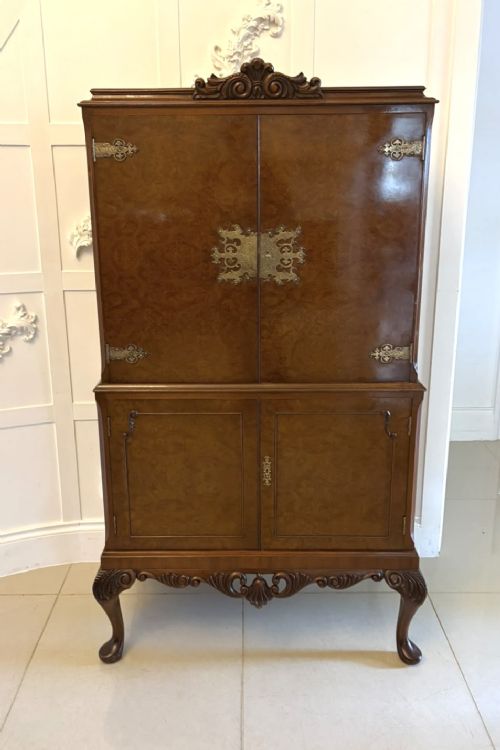
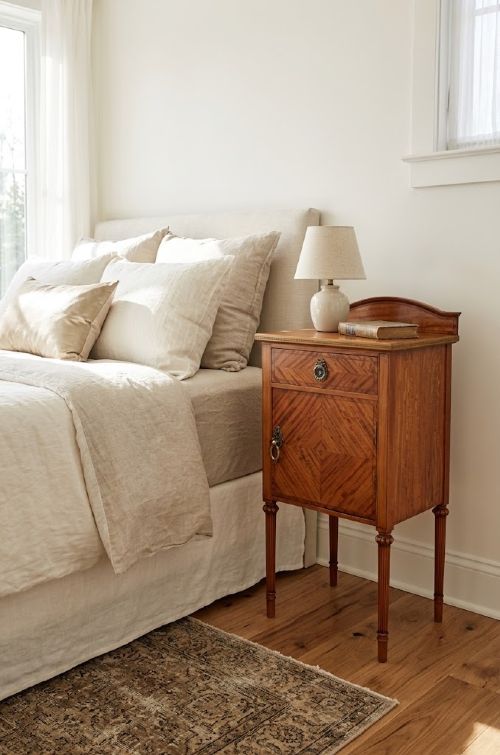
A veneered cabinet encompasses a diverse group of storage and display furniture spanning from the seventeenth century through the Art Deco period. When searching for a veneered cabinet, a buyer encounters forms ranging from compact bedside tables and chests on stands to large display cabinets, bookcases, and sideboards.
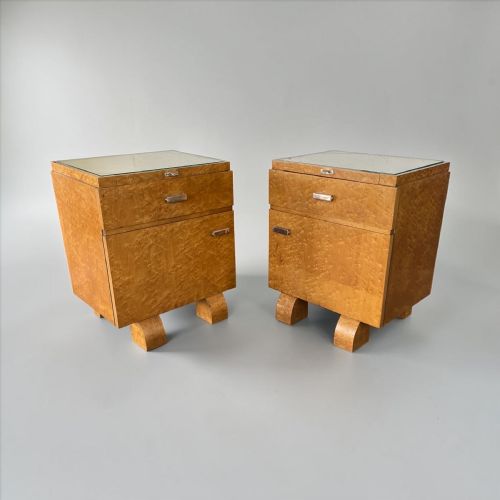
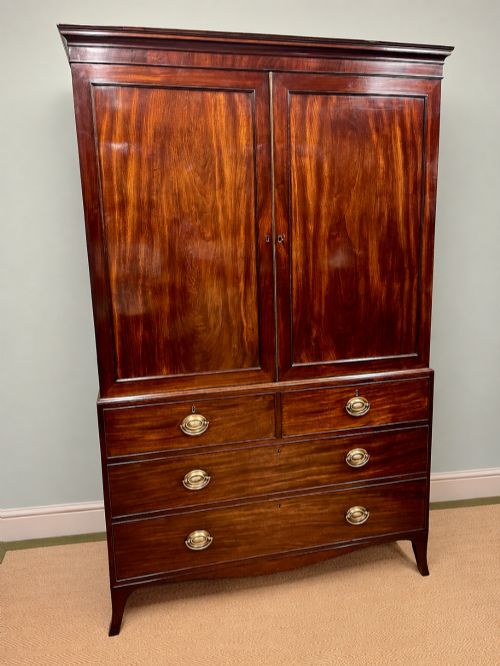
Buyers are most likely to meet 1930s Art Deco sideboards, bedside tables, and walnut display cabinets alongside eighteenth-century chests and nineteenth-century linen presses. These items combine practical interior compartments with decorative exterior timber surfaces.
How they were made
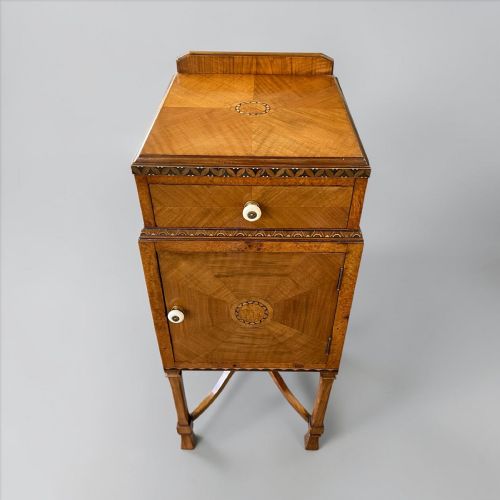
Craftsmen applied thin slices of decorative timber veneers over stable secondary woods such as oak or pine, creating striking visual patterns without exhausting supplies of costly hardwoods. Walnut, mahogany, and satinwood were sliced and laid out in symmetrical arrangements like matching flames or geometric parquetry.
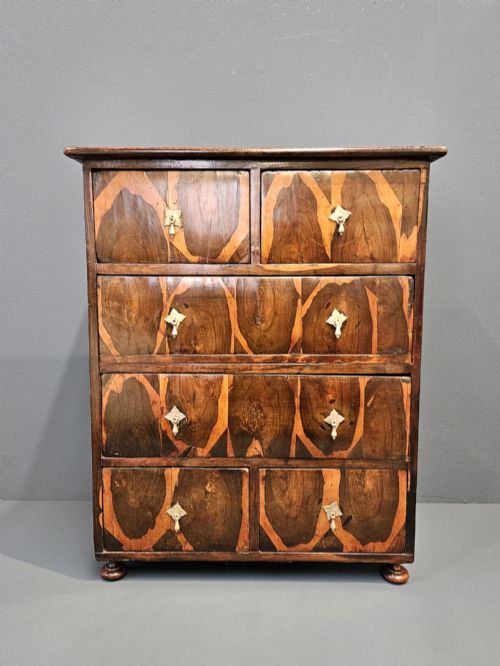
Specialised techniques such as oyster cutting slice small branches across the grain to produce circular rings resembling oyster shells, which feature prominently on seventeenth-century and early twentieth-century pieces. Glass panels, brass hardware, and occasionally marble tops complete the construction of these cabinets.
Veneered Cabinet Retail Price Guide 2026
Typical asking prices for veneered cabinet among the pieces listed under this phrase on Sellingantiques today, from the lower quarter to the upper quarter. They describe what is for sale here now, not the wider market.
Listings feature walnut, mahogany, satinwood, oak, yew, and elm veneers across periods from the seventeenth century to 1930.
What varies in quality
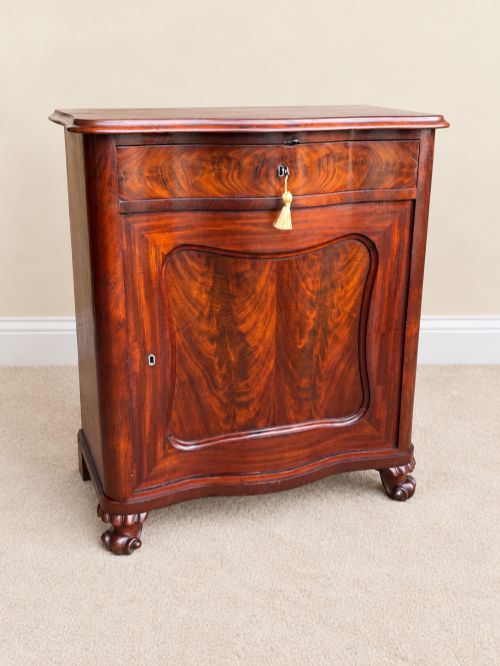
The visual ambition of the timber grain sets superior examples apart, particularly when cabinetmakers select highly figured plum pudding mahogany, burr walnut, or kingwood parquetry. Figured veneers require precise book-matching so that grain patterns mirror each other symmetrically across doors and drawer fronts.
The integrity of the underlying joinery and the survival of original polished surfaces determine the standing of a piece. Finer examples retain their original brass handles, crisp moulding details, and unblemished veneer ground without lifting or heavy patching.
E Gomme·Bath Cabinet Makers
The Veneered Cabinet Glossary
- Oyster walnut
- Small circular wooden veneers cut transversely from small branches or roots, resembling oyster shells. Cabinetmakers arrange these in interlocking patterns across seventeenth-century style surfaces.
- Parquetry
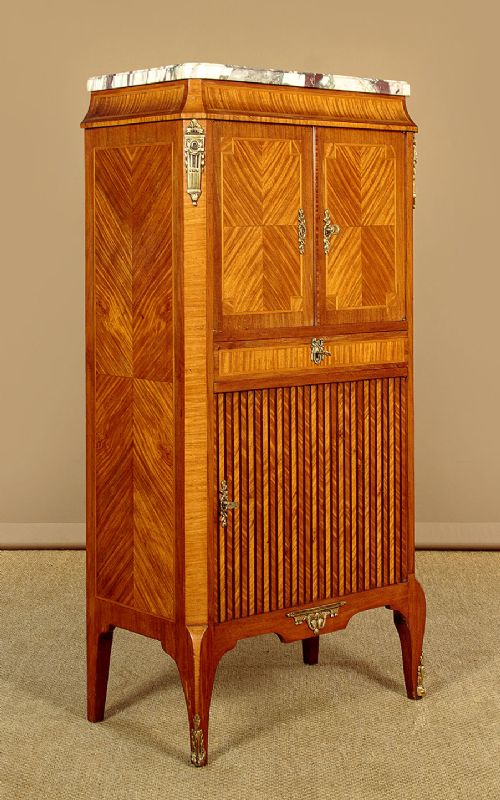
- Geometric wood mosaics formed by fitting small veneer tiles together in repetitive patterns. It appears frequently on seventeenth-century and Art Deco cabinet doors.
Veneered Cabinet: Frequently Asked Questions
How do I clean a veneered cabinet?
Dust the surface regularly with a soft, dry cloth to prevent grit accumulation. Avoid modern silicone polishes that build up a hazy film over the historic finish.
Apply a microcrystalline wax sparingly once or twice a year if the wood appears dry, buffing gently with a clean cloth. Keep wooden cabinets away from direct sunlight and radiators to prevent the veneer from drying and lifting.
Where should I place a display cabinet?
Position a display cabinet against an interior wall away from direct heat sources and fluctuating humidity. This protects both the delicate veneer exterior and any interior contents.
Ensure the floor is level so that heavy glass doors hang correctly and latch smoothly without straining the surrounding timber framework.
How do I tell Art Deco from earlier periods?
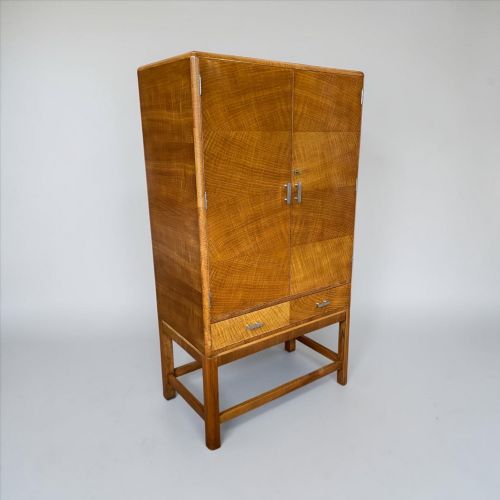
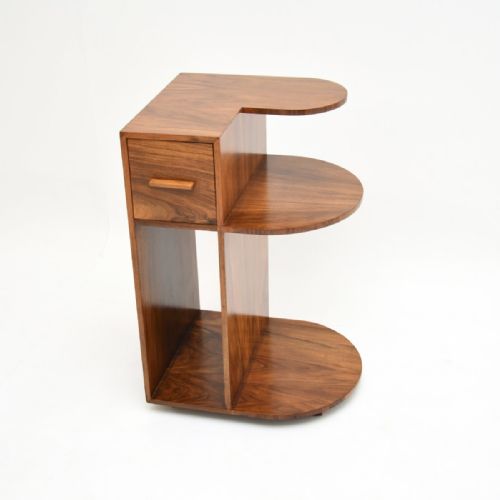
Art Deco cabinets, typically dating around 1930, favour streamlined geometric silhouettes, stepped forms, and highly figured walnut or satinwood veneers without traditional carved ornamentation.
Earlier pieces from the eighteenth and nineteenth centuries rely on classical proportions, bracket feet, astragal glazing bars, and period-specific mouldings like those seen in George III or Regency designs.
What is a chest on stand?
A chest on stand consists of a primary drawer section elevated on a separate supporting frame with legs. This form originated in the seventeenth and early eighteenth centuries to lift storage off damp floors.
These pieces often highlight exceptional timber work, such as oyster cut laburnam or walnut veneers, framed by slender legs connected by stretchers.