


Velvet Wingback Chair
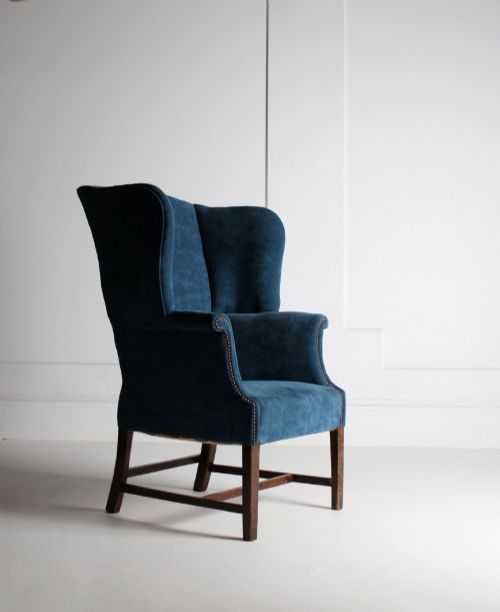
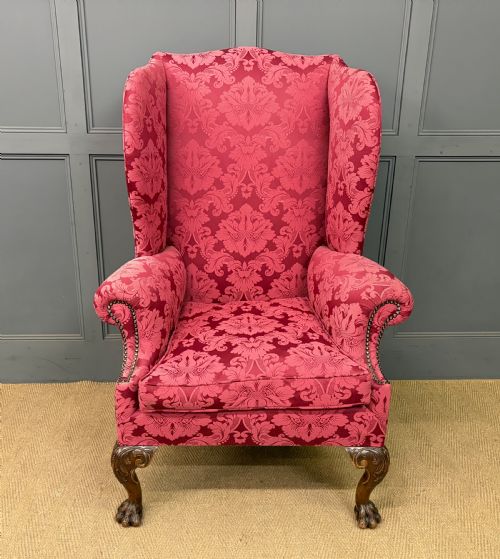
A velvet wingback chair brings draught-excluding comfort and classic proportion to a room, drawing on centuries of library and fireside design.
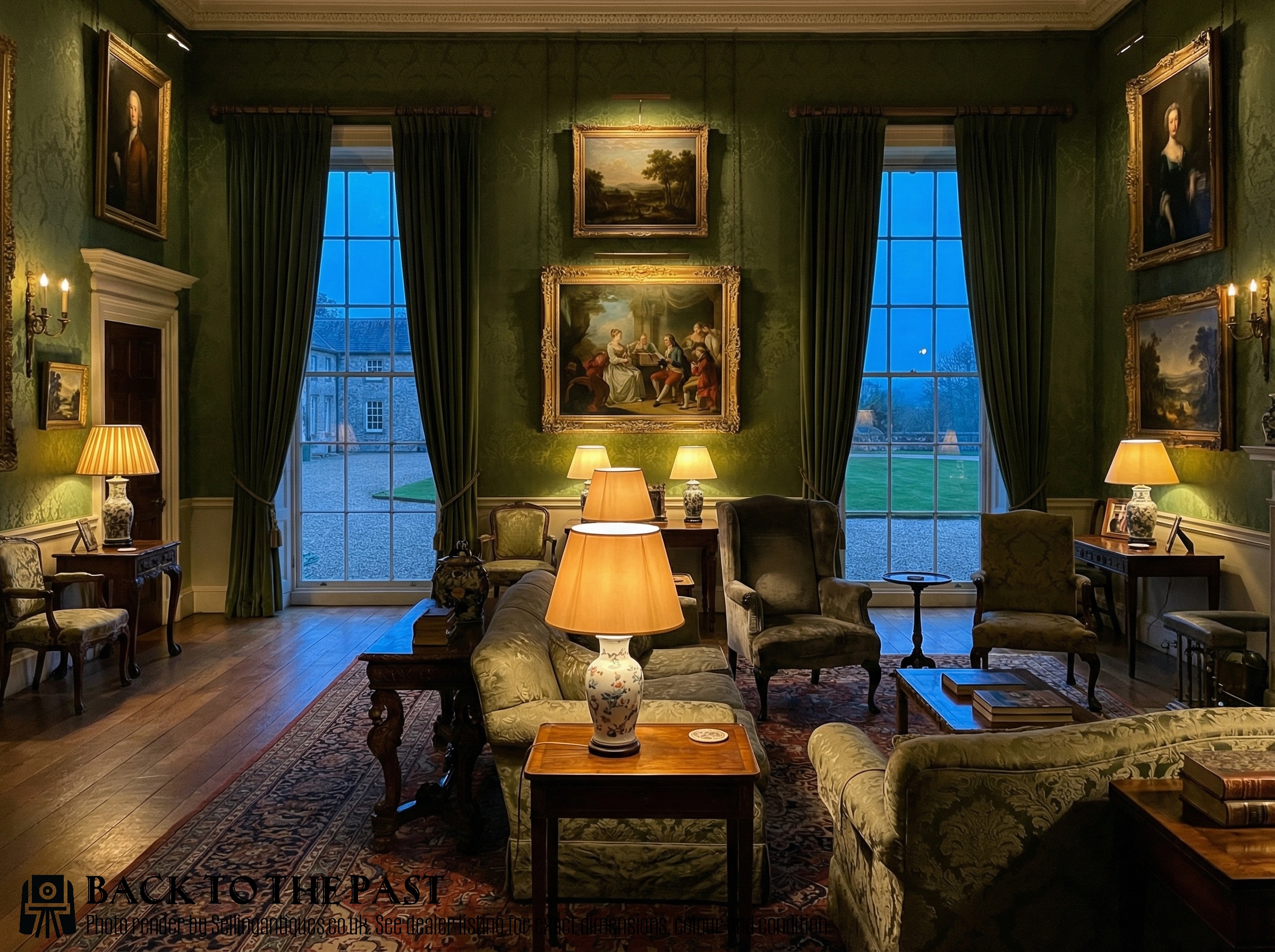
Velvet Wingback Chair
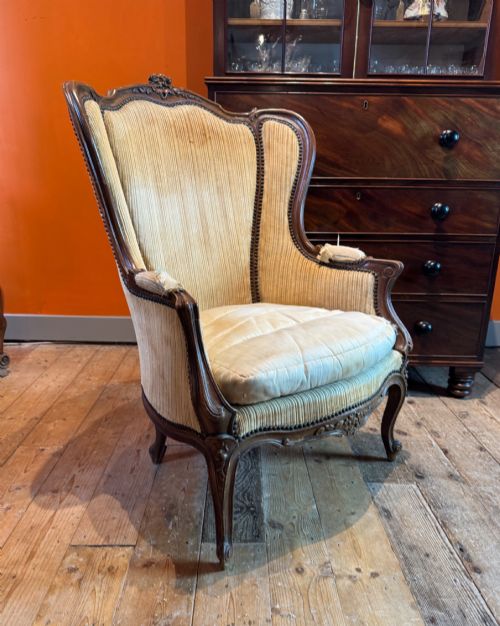
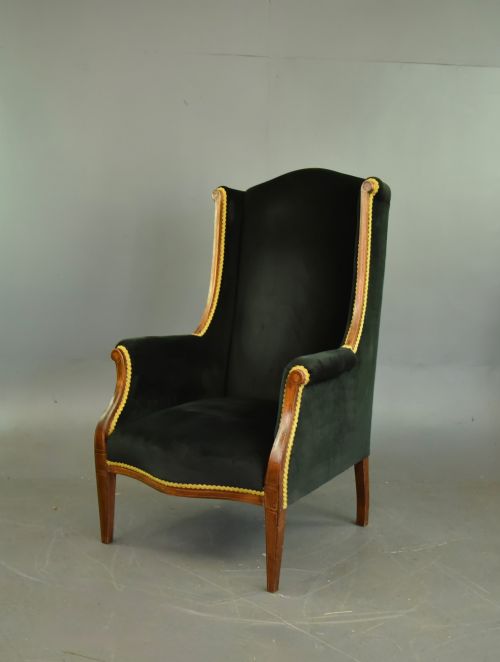
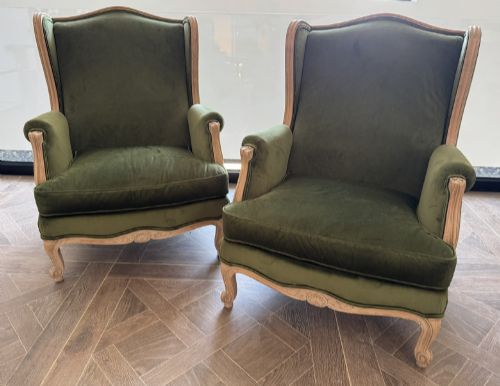
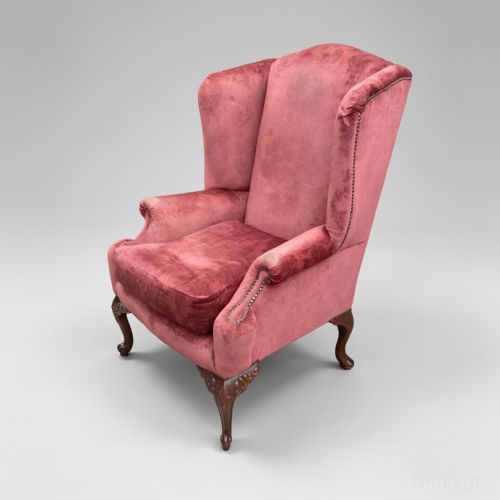
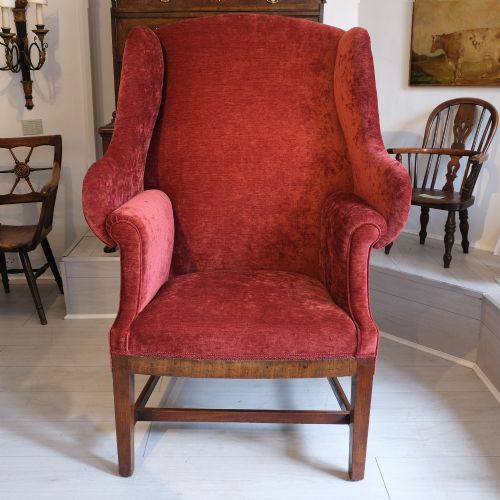
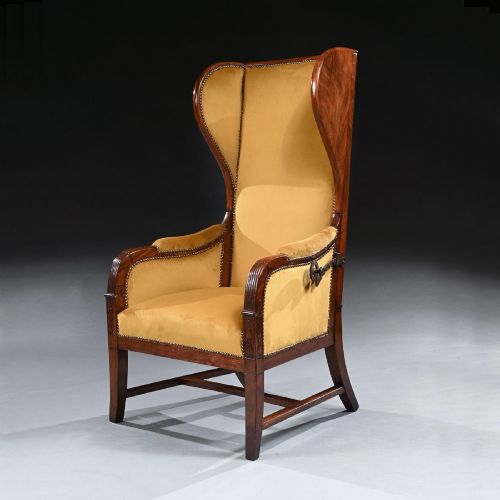
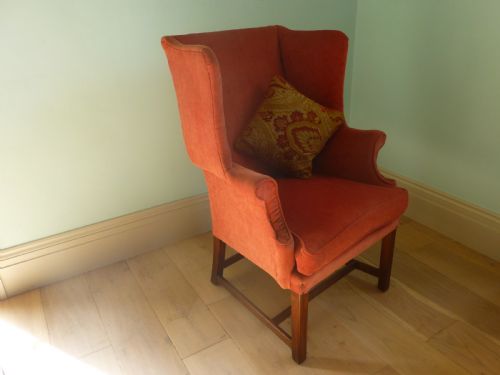
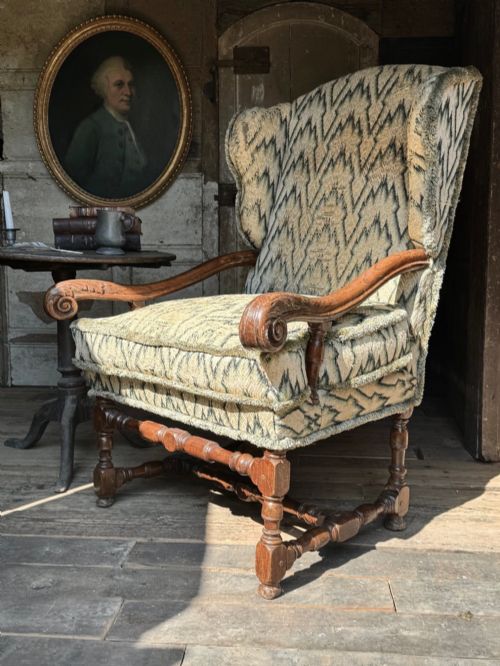
When you search for a velvet wingback chair, you encounter upholstered armchairs featuring high backs with protective side wings designed to trap heat from a fire and block draughts. These pieces span centuries of domestic seating, from early walnut and mahogany frames to later Edwardian interpretations.
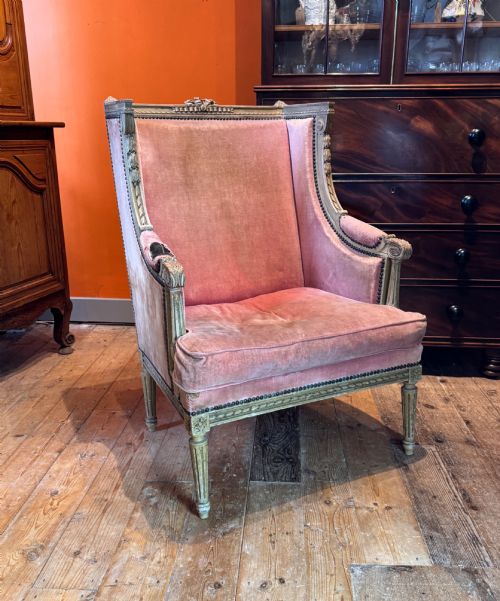
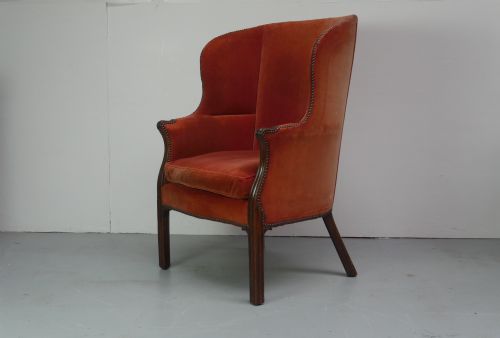
The versions most commonly met on this page date from the 19th century and the Edwardian period, often following Georgian or French styles. They appear in diverse forms ranging from traditional library chairs to barrel backs and French bergères.
How they were made
Makers built the structural frames using hardwoods such as mahogany, walnut, oak, and timber, often incorporating brass details and carved elements. These sturdy skeletons provided the necessary support for generous padding and deep upholstery.
Textiles like velvet, chenille twill, and other fabrics were then applied over the frame, sometimes accompanied by original paint or gilded surfaces on French models.
Listings span the 18th, 19th, and early 20th centuries, utilising hardwoods like mahogany and walnut alongside textile upholstery.
What varies in quality
The distinction between ordinary and superior examples rests in the crispness of the timber carving and the architectural balance of the wings and arms. Finer pieces demonstrate harmonious proportions and substantial framing that hold their lines firmly over time.
Upholstery choices and the integrity of the underlying texturing also divide the range, with select pieces retaining period fabrics or thoughtful reupholstery that respects the original silhouette.
Howard and Sons·Foot and Son
The Velvet Wingback Chair Glossary
- Wingback chair
- An upholstered armchair featuring flanking side panels designed to shield the sitter from draughts. These wings became a staple of domestic comfort from the Georgian era onwards.
- Barrel back
- A seating form where the curved backrest flows continuously into the arms in a circular sweep. This design wraps closely around the sitter for warmth.
- Gainsborough
- A wide, open-armed armchair with a padded back and seat, typically standing on square or cabriole legs. The style originates from the mid-18th century.
Velvet Wingback Chair: Frequently Asked Questions
What is a velvet wingback chair?
A velvet wingback chair is a traditional upholstered seat featuring protective side panels designed to retain heat and block room draughts.
These pieces combine functional timber frames with soft textile coverings, appearing across various historical periods from the eighteenth century onwards.
How do I date a wingback chair?
Dating relies on examining the timber species, leg styling, and structural joinery beneath the upholstery. Earlier examples often feature heavy walnut or oak frames, while later Victorian and Edwardian pieces show stylistic revivals.
Comparing the stretcher arrangement and arm contours to known period pieces helps narrow down the decade of manufacture.
Where were wingback chairs used?
These chairs originally stood beside open hearths in large houses and libraries to protect readers from cold air currents. Their enclosed design created a microclimate of warmth in draughty historic rooms.
Later they transitioned into drawing rooms and studies as decorative seating of generous scale.
How do I care for antique velvet?
Antique velvet requires gentle brushing with the grain to maintain the pile and prevent flattening. Professional textile cleaning is advised for deep maintenance.
Protecting the fabric from direct sunlight prevents the colour from fading unevenly over the years.