






Velvet Pin Cushion
These velvet pin cushion pieces combine rich fabric with solid sterling silver and novelty forms for the dressing table.
Velvet Pin Cushion
A velvet pin cushion serves dressing table accessories and sewing tasks, combining practical textile work with decorative silver mounts. The pieces span periods from the Georgian and Victorian eras through the Edwardian years and the 1920s.
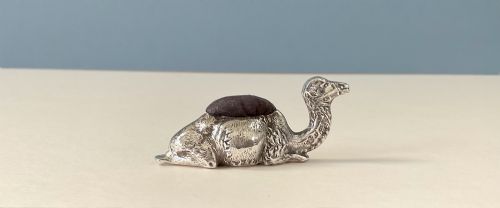
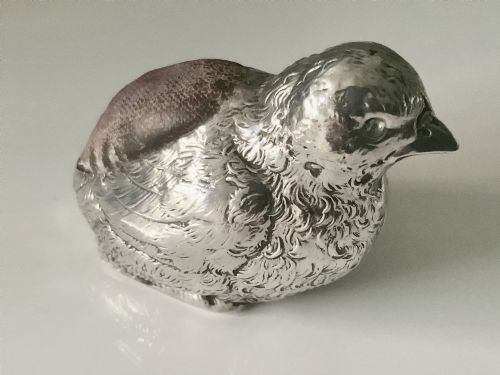
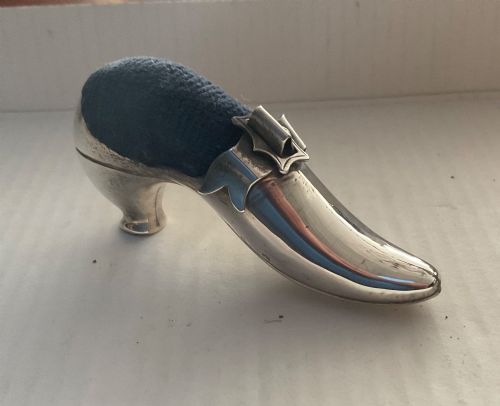
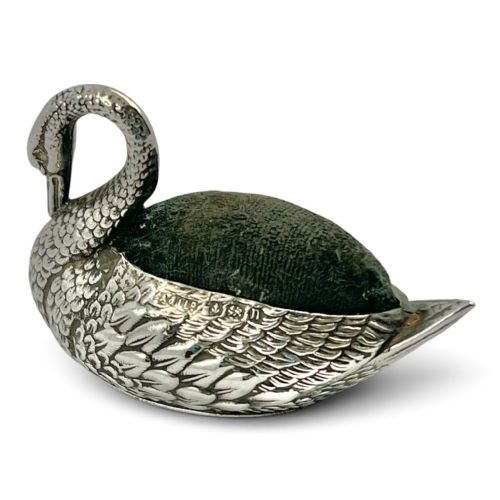
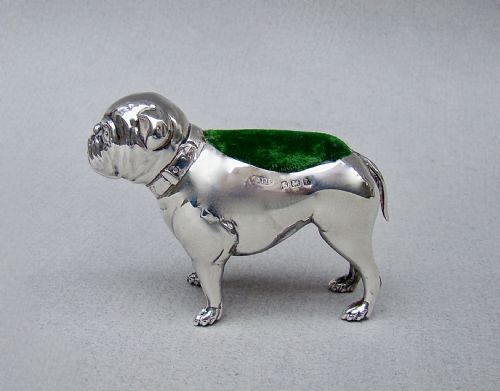
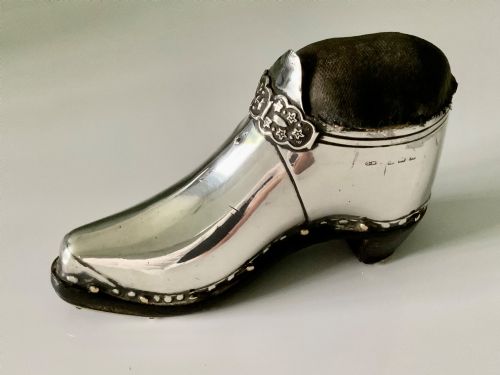
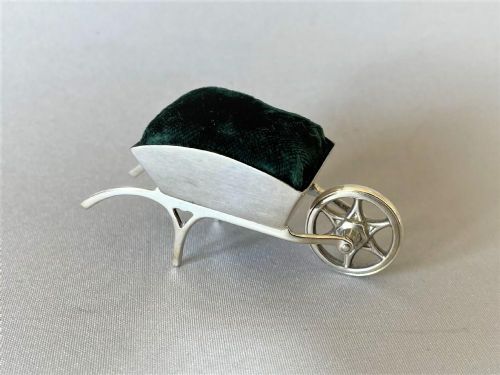
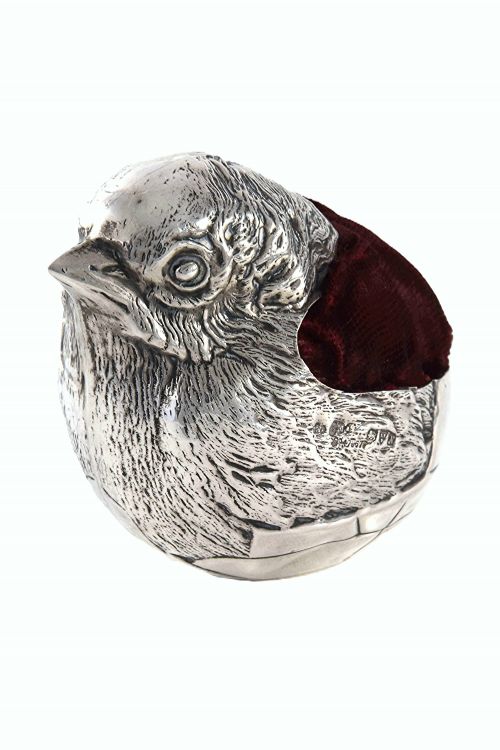
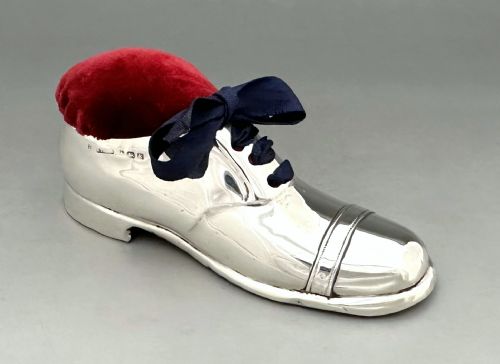
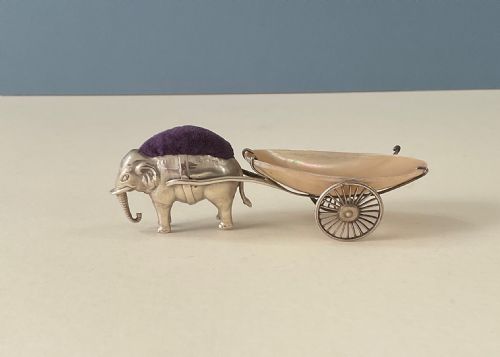
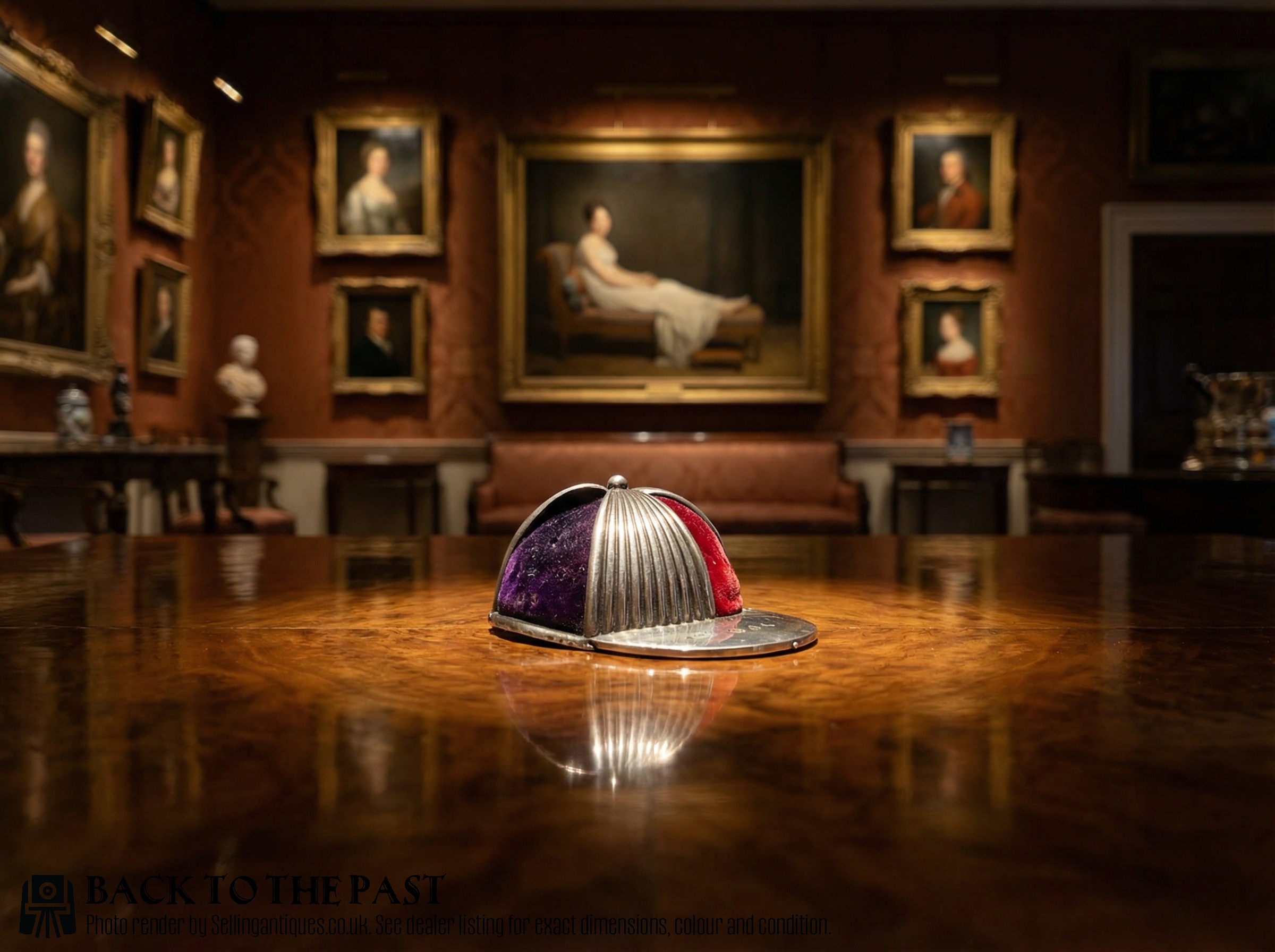
Novelty items dominate the selection, showing animals, birds, vehicles, and footwear. Common animal forms include swans, chicks, pigs, bulldogs, and camels alongside boots, shoes, roller skates, and wheelbarrows.
Simpler shapes also appear, including heart-shaped boxes, pillows, and standard cushion pads paired with fabric and metal. These serve both vanity displays and needlework storage.
Materials and construction
Makers combined sterling silver, plated metal, and Austrian cold painted bronze with coloured velvet and fabric inserts. Silver components often bear hallmarks from Birmingham, Chester, or London assay offices.
Metalwork involved casting and shaping miniature animal and object frames to securely hold padded velvet inserts. Fabric sections were fitted tightly into silver shoes, baskets, and boxes to receive pins and needles safely.
Miniature silver roller skates and camels provide a surprisingly whimsical touch to Victorian and Edwardian sewing routines.
Assessing quality and detail
The integration between the metal mount and the textile pad determines structural integrity. Examples retaining their original fabric without excessive wear command attention from collectors.
Adie & Lovekin·H Matthews·George W Shiebler
The Velvet Pin Cushion Glossary
- Novelty pin cushion
- A pin cushion formed as an animal, vehicle, shoe, or other recognizable object rather than a standard pad. These pieces date largely to the Edwardian period.
- Hallmark
- A series of official marks stamped on silver items indicating the maker, assay office, and year of testing. These stamps help date pieces accurately.
- Cold painted bronze
- A method of decorating bronze sculptures with non-fired paint applied over a metal base. This technique appears on Austrian animal figures.
- Sterling silver
- An alloy of silver containing 92.5 percent pure silver and 7.5 percent other metals, usually copper. Most British pieces utilise this standard.
Velvet Pin Cushion: Frequently Asked Questions
What periods do these pieces date from?
The selection spans from the Georgian era and Victorian period through Edwardian times up to the 1920s. Most novelty items emerge from the Edwardian decade.
Assay marks on the silver components help confirm exact production dates and assay towns like Birmingham and Chester.
How were velvet pin cushions used?
Victorian and Edwardian households placed them on dressing tables and desks to hold sewing pins, hat pins, and needles. They combined functional needlework storage with decorative display.
Many novelty designs also doubled as small ornaments or conversation pieces in the boudoir.
How do I identify a novelty pin cushion?
Look for miniature sculptural forms shaped like animals, birds, shoes, vehicles, or everyday objects combined with a fabric pad. Common subjects include swans, pigs, bulldogs, and roller skates.
The textile insert is typically recessed directly into the silver or bronze casting.
What materials are used alongside velvet?
Makers most frequently paired velvet with sterling silver or plated metal mounts. Some examples incorporate glass, shell, agate, and cold painted Austrian bronze.
The internal padding holds the pins while the outer metal or fabric structure provides the decorative shape.