
Velvet High Back Chair
These tall-backed seating pieces bring domestic comfort and architectural presence to a room, spanning periods from the eighteenth century onwards.
Velvet High Back Chair
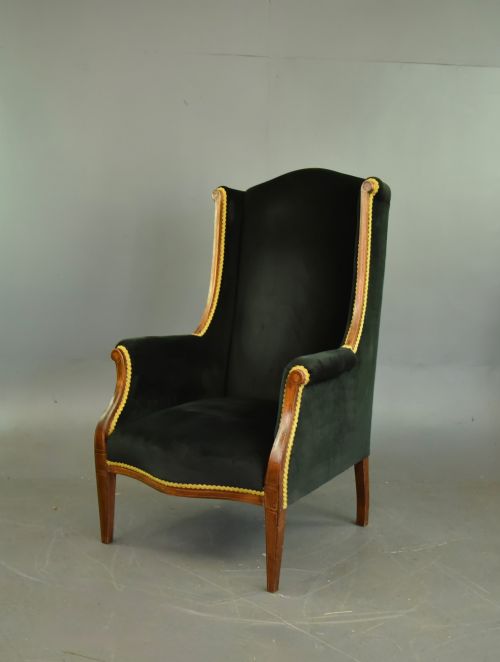
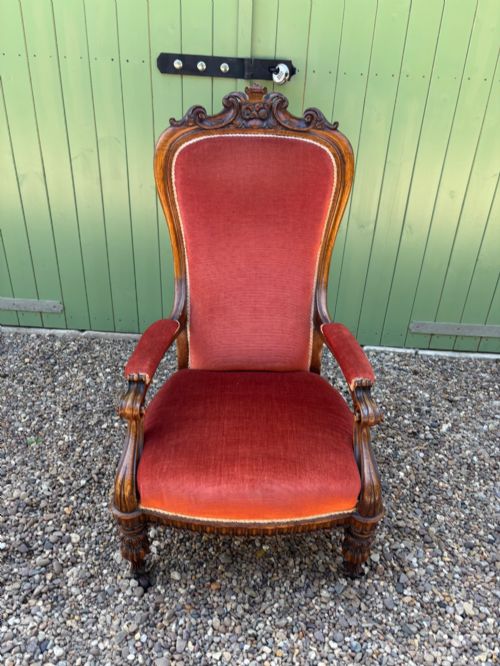
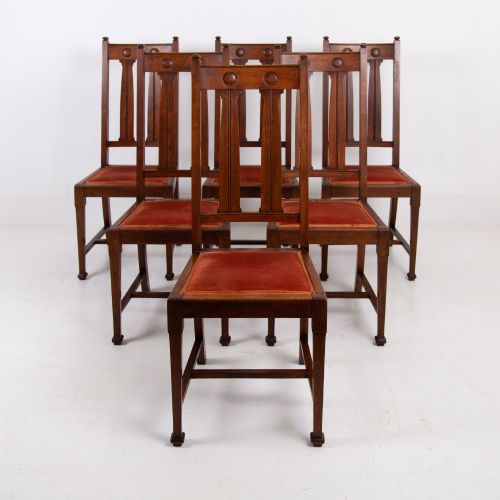
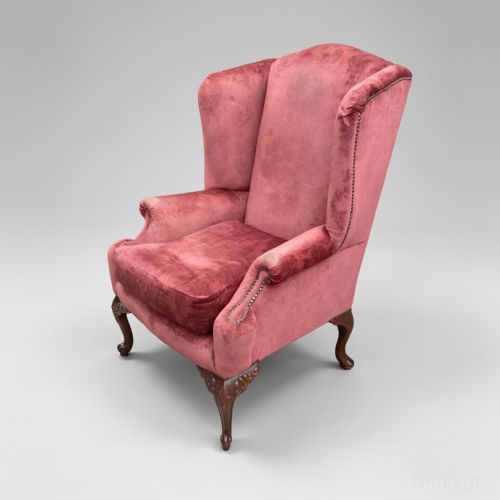
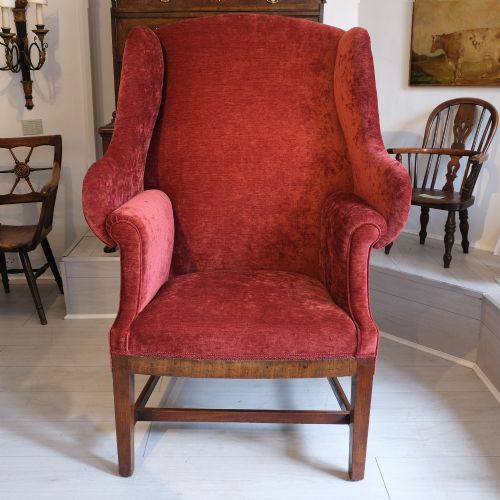
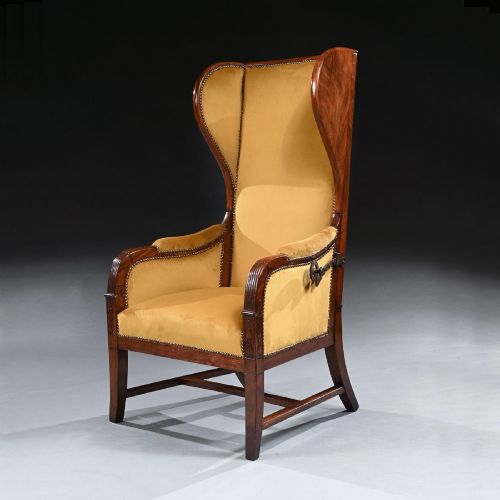
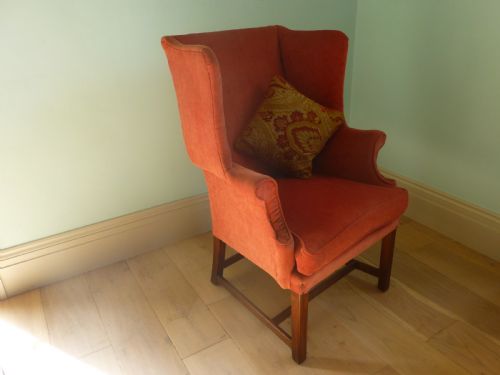
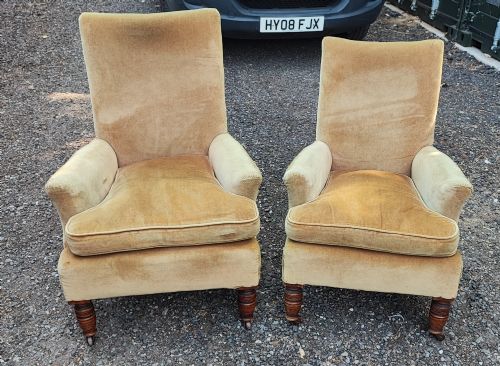
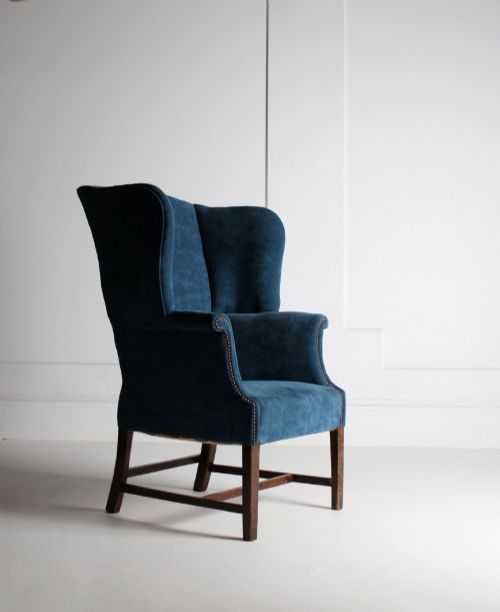
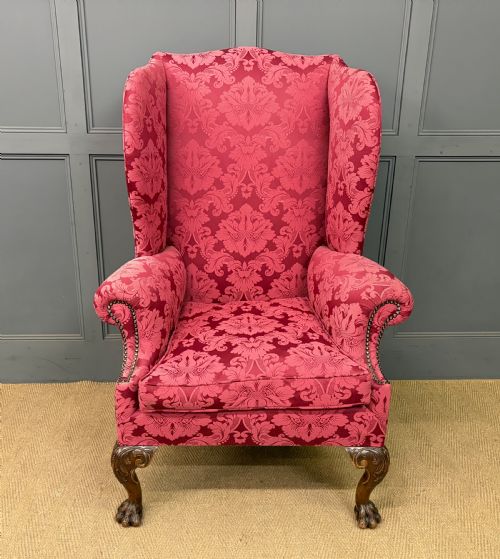
A velvet high back chair combines elevated structural uprights with upholstered comfort, appearing across nineteenth-century Victorian and Edwardian iterations as well as eighteenth-century Georgian forms. Buyers encounter dining chairs, library armchairs, and expansive wingbacks designed for domestic parlours and studies.
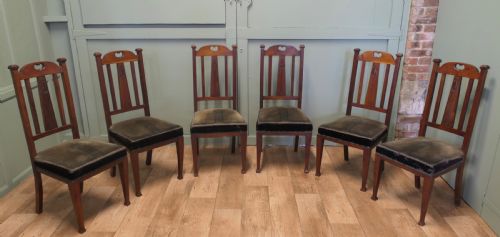
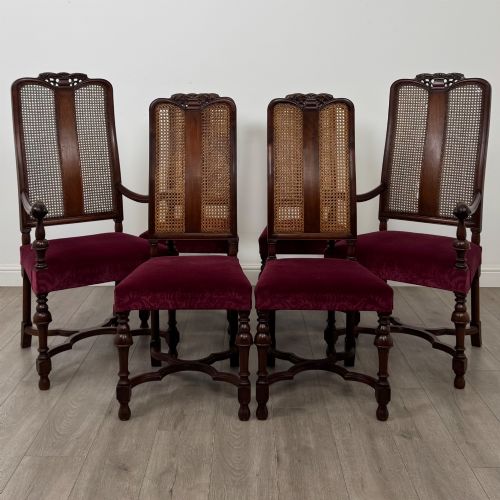
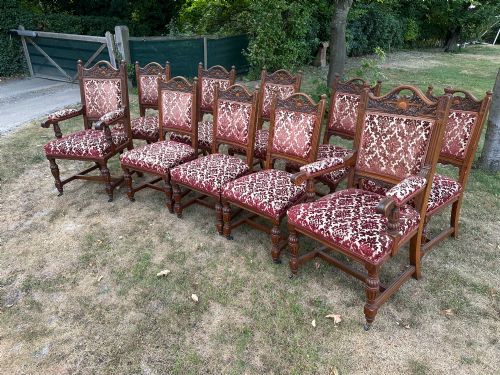
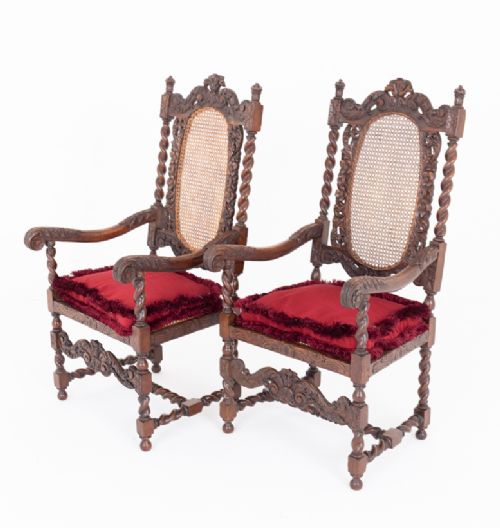
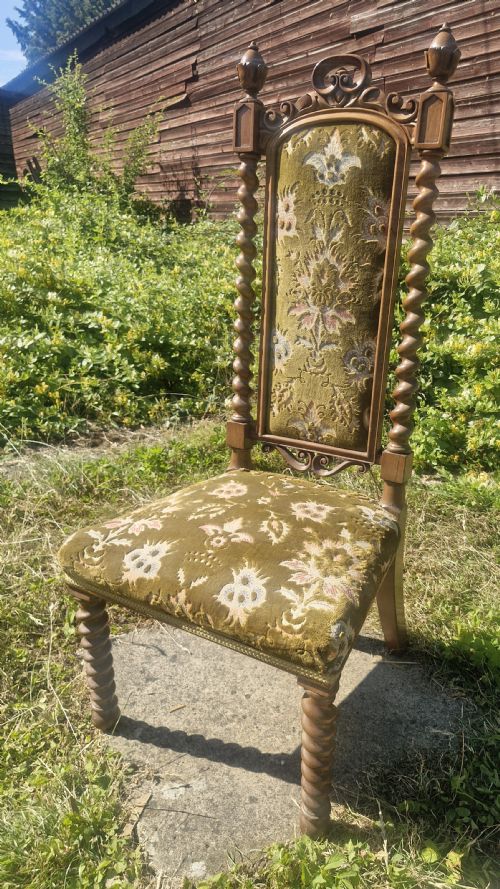
The selection ranges from Arts and Crafts golden oak dining chairs to heavily carved walnut frames in Carolean and Jacobean Revival styles. Mid-nineteenth-century examples frequently utilise rich textiles and dark hardwoods to create imposing silhouettes.
Materials and construction
Frames rely on dense hardwoods such as mahogany, walnut, oak, and general timber, providing the rigid skeletal support necessary for tall uprights and heavy upholstery. Joinery techniques connect these structural timbers to sustain the physical pressure exerted against high backs and arms.
Textiles like velvet, chenille, and assorted fabrics cover the padding, secured with brass detailing or traditional tacks. Wood surfaces receive polish or leave the natural grain exposed depending on the stylistic period.
Listings demonstrate a strong presence of walnut, mahogany, and oak frames paired with diverse textile coverings across nineteenth and twentieth-century periods.
Assessing quality in high back seating
Quality rests in the proportional harmony of the timber frame and the architectural integrity of the high back. Superior pieces display crisp carving, balanced joinery, and substantial hardwood members that resist structural flex.
The standard of upholstery application and textile grade dictates visual depth. Pieces retaining original design intentions through sympathetic upholstery and robust internal framing command greater presence than altered examples.
HOWARD AND SONS
The Velvet High Back Chair Glossary
- Wingback
- An armchair featuring protective side panels designed to shield the occupant from draughts. These upholstered wings extend from the armrests up to the top of the tall back.
- Fauteuil
- An open-arm armchair with exposed wooden framing originating in France. This form typically displays carved details on the arms, legs, and high back rail.
- Carolean
- A seventeenth-century revival style characterised by exuberant scrollwork, carved crest rails, and twisting wooden components. Victorian makers frequently adopted these motifs for high back dining and side chairs.
- Library chair
- A heavy upholstered seating form intended for reading rooms and studies. These pieces prioritise deep padding and supportive backrests for extended periods of use.
Velvet High Back Chair: Frequently Asked Questions
How do I identify a Victorian high back chair?
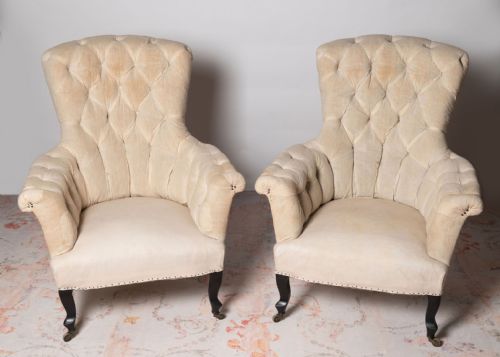
Victorian examples frequently utilise dark hardwoods such as walnut and mahogany, combined with deep buttoning or heavy textile upholstery. Look for stylistic revivals like Carolean scrolling and Jacobean carving.
Construction methods from this era often incorporate machine-sawn components alongside hand-finished details, distinguishing them from earlier Georgian craftsmanship.
Where should I place a high back chair?
These tall seating pieces function well in drawing rooms, studies, and large hallways where their vertical presence anchors the room. Wingback variants suit firesides or reading corners.
Ensure adequate clearance around the chair so the elevated back and arm proportions remain visually balanced within the room.
How do I care for antique velvet upholstery?
Protect velvet surfaces from direct sunlight to prevent textile fading and fibre degradation. Regular light brushing helps maintain the nap and removes surface dust.
Avoid abrasive cleaning methods and consult a specialist textile restorer for deep maintenance to preserve the fabric pile.