

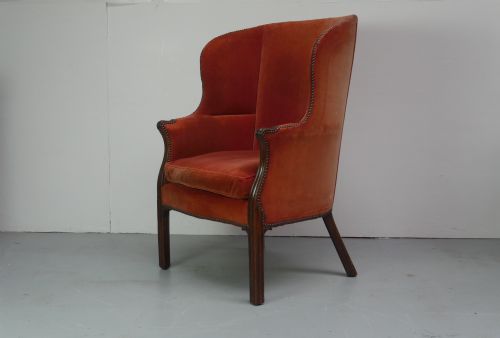


Classic Fireside Wing Chair
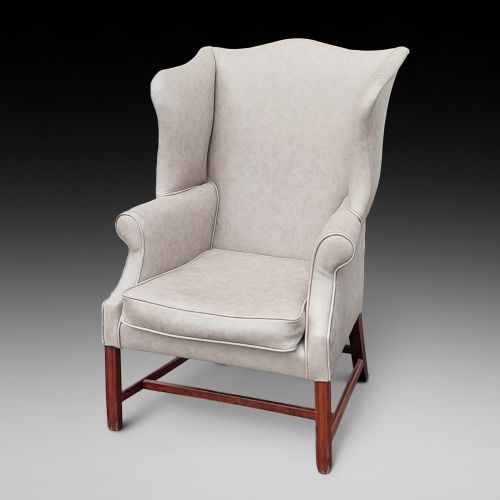
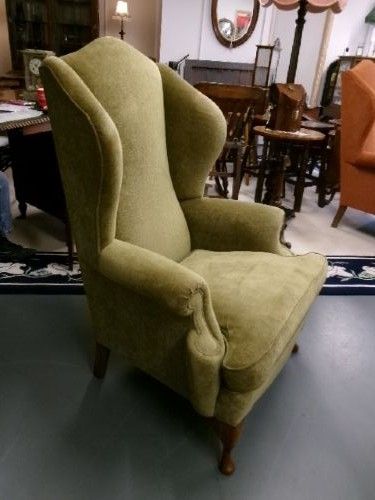
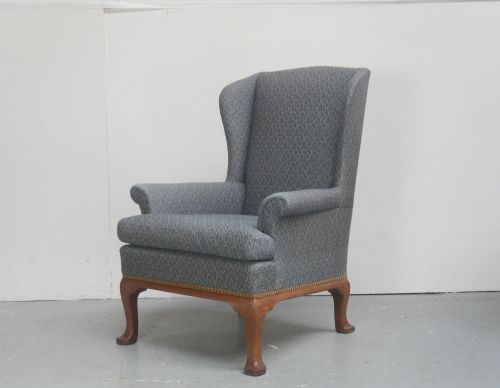
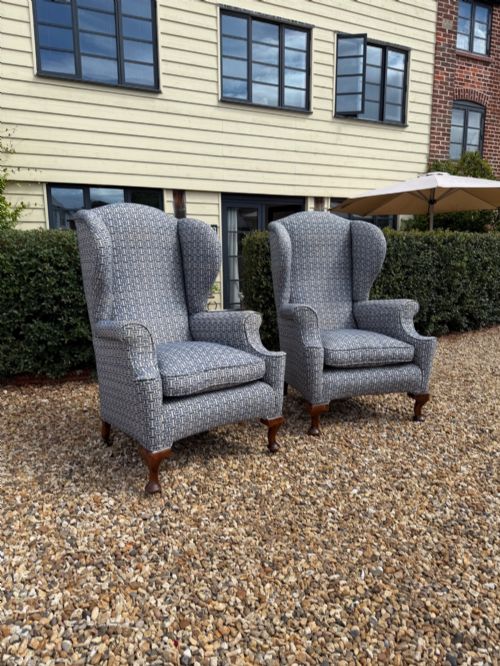
These classic fireside wing chair examples offer deep seating and high protective sides, built to keep draughts away from the hearth.
Classic Fireside Wing Chair
A classic fireside wing chair is a high-backed armchair designed to shield the sitter from cold draughts by the hearth. The form dates back centuries, with examples represented here ranging from the 18th century through the Edwardian period and into the early twentieth century.
You are most likely to encounter revival pieces in the Georgian style alongside authentic earlier forms, frequently framed in mahogany or walnut. These seating options appear upholstered in traditional leather, rich velvet, or patterned fabric.
How they were made
Frames are constructed from sturdy hardwoods such as mahogany and walnut, providing a rigid internal skeleton designed to withstand decades of heavy use. Joinery relies on traditional techniques to secure the high back and deep seat base.
Upholstery materials include supple oxblood leather, plush velvet, and woven fabric, secured over internal stuffing with brass tacks. Wood elements often feature carved details, particularly on the legs and arm terminals of French and English models.
Classic Fireside Wing Chair Retail Price Guide 2026
Typical asking prices for classic fireside wing chair among the pieces listed under this phrase on Sellingantiques today, from the lower quarter to the upper quarter. They describe what is for sale here now, not the wider market.
The wings were originally stuffed tightly to trap coal smoke smells, ensuring the sitter remained blissfully warm and entirely smoky.
What varies in quality
The distinction between ordinary and superior examples lies in the integrity of the wooden frame and the depth of the carving. Finer pieces retain their original timber structure without excessive replacement wood, while lesser examples show extensive rebuilding.
The character of the upholstery also dictates value, with hand-tooled leather or period-correct fabric showing superior craftsmanship compared to later, unsympathetic re-coverings. Well-proportioned wings and balanced scroll arms separate better workshops from mass production.
Howard and Sons
The Classic Fireside Wing Chair Glossary
- Wingback
- An armchair featuring projecting side panels attached to the armrests, originally designed to block room draughts. These wings create a private, enclosed seating area near the fireplace.
- Barrel back
- A seating form where the upholstered back curves continuously into the arms in a semi-circular shape. This style wraps closely around the sitter for warmth.
- Bergere
- An enclosed upholstered armchair with wooden framing exposed around the back and sides. This French style frequently incorporates carved walnut.
- Mahogany
- A durable tropical hardwood widely used for furniture frames during the eighteenth and nineteenth centuries. It takes a dark polish and allows for crisp carving.
Classic Fireside Wing Chair: Frequently Asked Questions
What is a classic fireside wing chair?
A classic fireside wing chair is an upholstered seating piece featuring high side panels designed to protect the sitter from draughts. They have been produced in various styles from the eighteenth century onwards.
These chairs combine deep seating with tall backs, making them a traditional choice for placement near a fireplace or in a study.
How do I identify an older wing chair?
Age is identified through the timber species, frame construction methods, and the style of the legs and arms. Eighteenth-century models differ noticeably in proportion from Edwardian revivals.
Examining the underside and interior webbing often reveals clues about the original manufacturing period and subsequent upholstery updates.
Are these chairs comfortable for daily use?
Many buyers use these chairs daily, as the deep seating and high back offer substantial support. Comfort depends heavily on the condition of the internal stuffing and springing.
Some available pieces require re-upholstery, allowing the buyer to restore the internal padding to personal preference while keeping the antique frame intact.
What materials were used for upholstery?
Traditional upholstery materials include oxblood leather, velvet, and durable woven fabrics secured with brass tacks. Leather options often develop a rich patina over decades of use.
Fabric choices vary widely across the periods represented, ranging from simple period textiles to heavy decorative velvets on late nineteenth-century frames.