

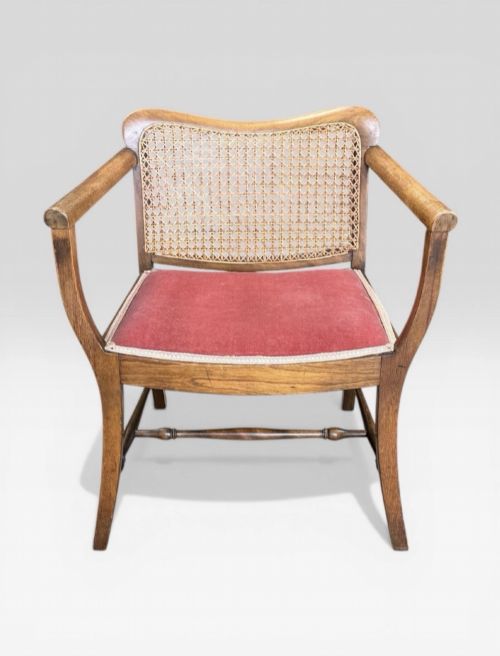


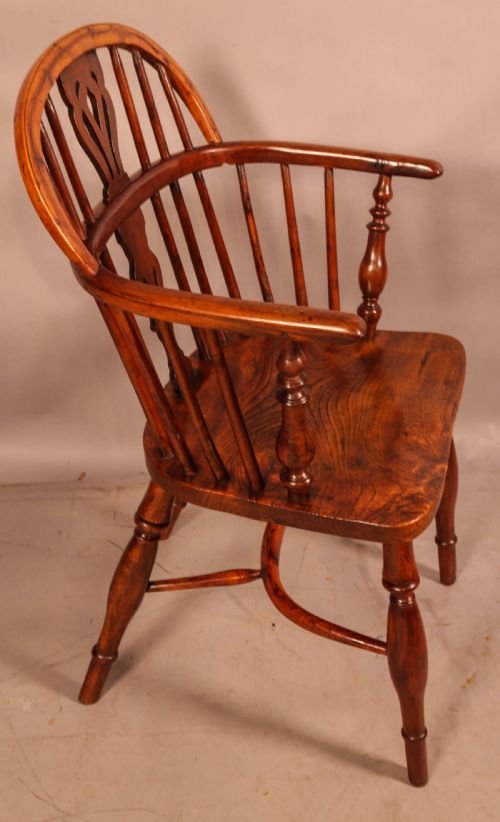


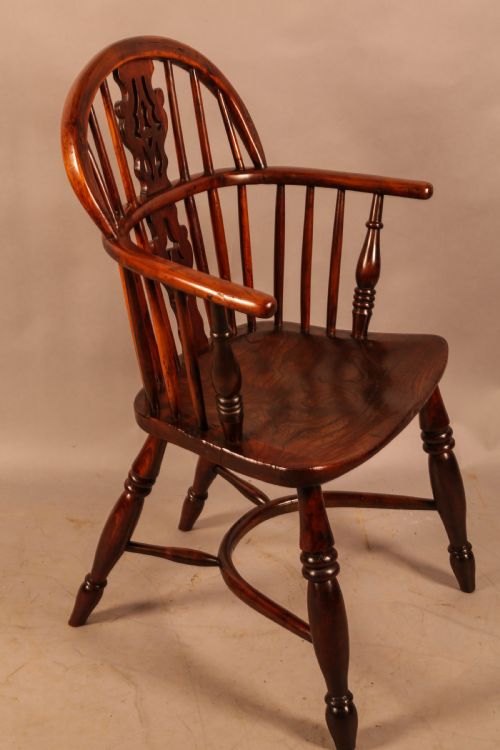
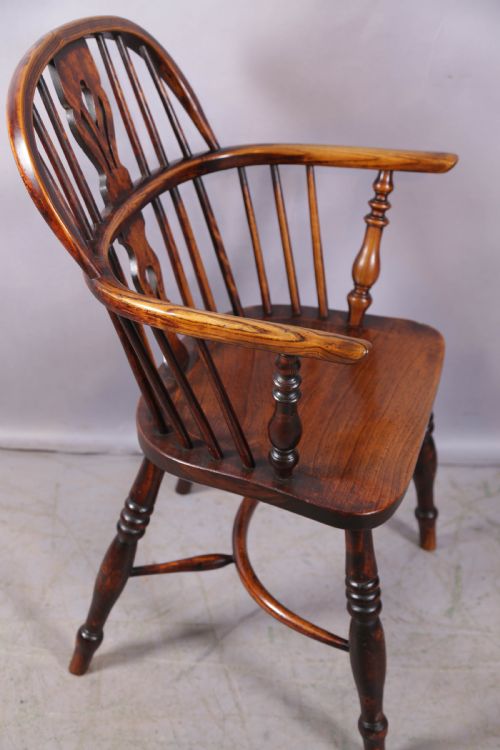
Turned Stretcher Armchair
A turned stretcher armchair is a seating form defined by its lathe-shaped undercarriage, offering robust construction and enduring traditional style.
Turned Stretcher Armchair
When you search for a turned stretcher armchair, you encounter robust seating ranging from seventeenth-century wainscot forms to nineteenth-century Windsor designs. These chairs serve as both functional seating and historical focal points within traditional interiors.
The pieces on this page span several centuries, with nineteenth-century Windsor chairs and earlier vernacular forms appearing most frequently. Regional English country traditions heavily influence the selection, showcasing vernacular woodworking skills.
Materials and construction
Cabinetmakers and rural joiners utilised native timbers such as elm, oak, yew, ash, and beech to build these chairs. Woods were often combined within a single piece, utilising harder timbers for structural stretchers and flexible woods for bent components.
Lathes shaped the characteristic stretchers and upright supports, creating rigid frames through pegged joints and traditional turning techniques. Seats were frequently carved from solid elm or fitted with cane and upholstered panels.
Turned Stretcher Armchair Retail Price Guide 2026
Typical asking prices for turned stretcher armchair among the pieces listed under this phrase on Sellingantiques today, from the lower quarter to the upper quarter. They describe what is for sale here now, not the wider market.
Some Windsor chairs feature crinoline stretchers, named after the hoop-skirt fashion of the Victorian era because of the generous curved loop provided.
Assessing quality and character
Quality rests in the balance of proportions, the crispness of the lathe turning, and the selection of timber figures. Superior examples display thoughtful integration of turned stretchers that provide both structural rigidity and visual harmony.
The integrity of the original construction and the patina acquired through generations of use distinguish finer pieces from later reproductions or heavily altered examples.
James Shoolbred·Rockley Maker·Fred Walker
The Turned Stretcher Armchair Glossary
- Stretcher
- A horizontal member connecting the legs of a chair to provide structural stability. Turned examples feature decorative shaping produced on a lathe.
- Windsor chair
- A wooden chair construction where the seat acts as a central hub holding the back spindles, legs, and arm supports directly. These chairs often incorporate distinctive turned undercarriages.
- Wainscot chair
- An early heavy wooden armchair constructed primarily from joined oak panels. They represent some of the earliest seating forms found in domestic interiors.
- Bergere
- An enclosed upholstered armchair with a cane or woven wicker back and sides. They frequently appear in nineteenth-century iterations with turned wooden supports.
Turned Stretcher Armchair: Frequently Asked Questions
What is a turned stretcher armchair?
A turned stretcher armchair is a wooden seat featuring horizontal connecting bars shaped on a lathe between the legs. These pieces range from early oak wainscot chairs to country Windsor designs.
The turned elements serve to reinforce the structural frame while adding decorative detail to the lower portion of the chair.
How do I date a turned stretcher armchair?
Dating relies on identifying the timber species, construction methods, and overall regional style. Seventeenth-century examples typically use heavy oak with panelled construction, whereas nineteenth-century pieces often utilise ash, elm, and yew in stick-back or Windsor formats.
Changes in turning profiles and joinery techniques also offer clear indicators of the period of manufacture.
Were these chairs used for dining or lounging?
These armchairs served multiple purposes in historic domestic interiors, functioning as desk chairs, parlour seating, or fireside chairs. Their sturdy construction made them suitable for daily household use.
Low-back and Windsor variants provided practical seating in country houses and rural cottages alike.
How do I care for antique wooden armchairs?
Maintain these chairs by keeping them away from direct heat sources and sudden humidity changes to prevent timber splitting. Regular dusting with a dry cloth preserves the aged surface.
Applying microcrystalline wax occasionally helps nourish historic wood finishes without building up harmful residues.