

Velvet French Armchairs
Velvet french armchairs bring historic seating into modern spaces, combining deep texture with traditional continental frames.
Velvet French Armchairs
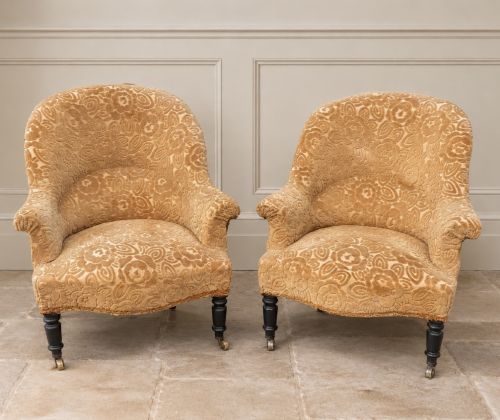
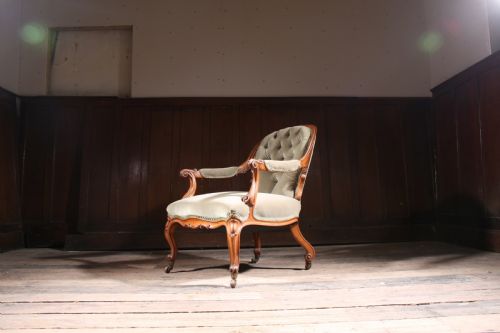
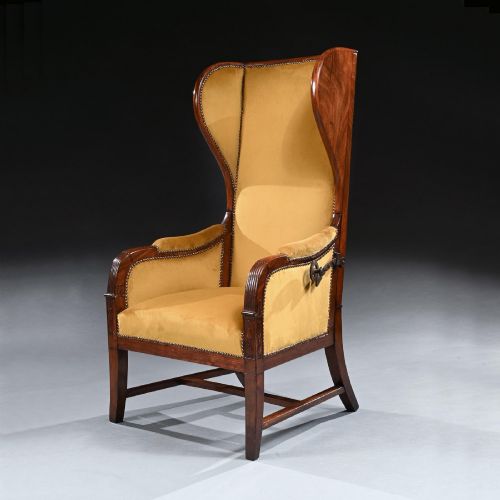
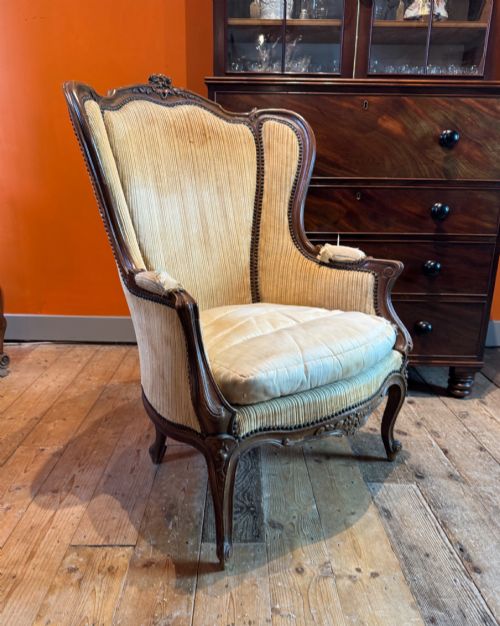
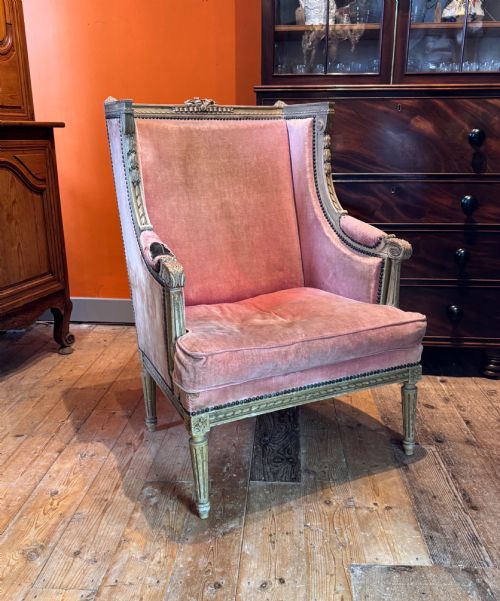
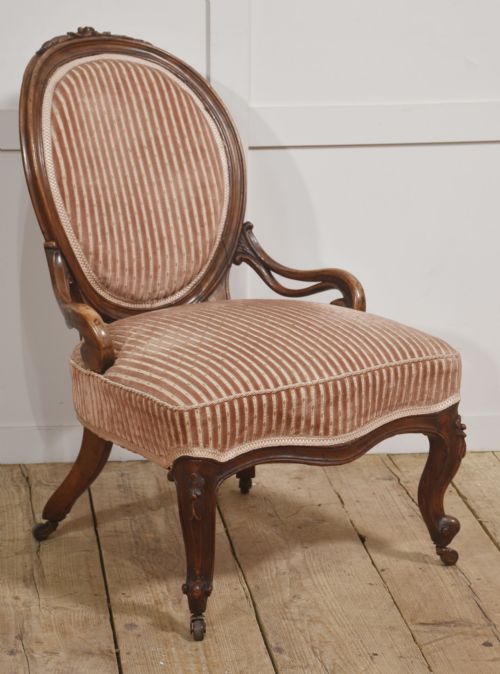
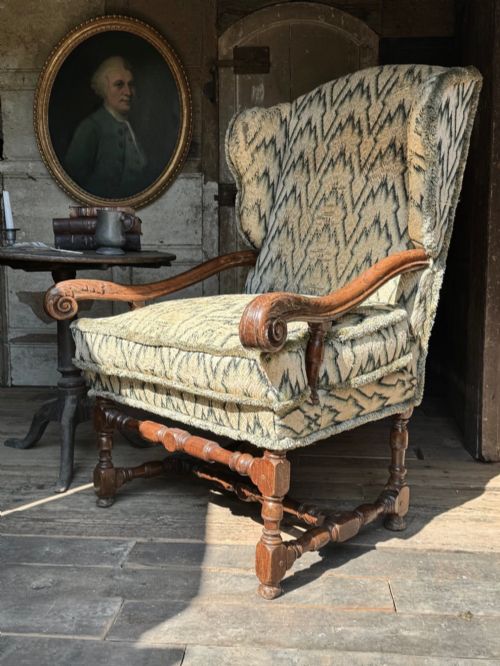
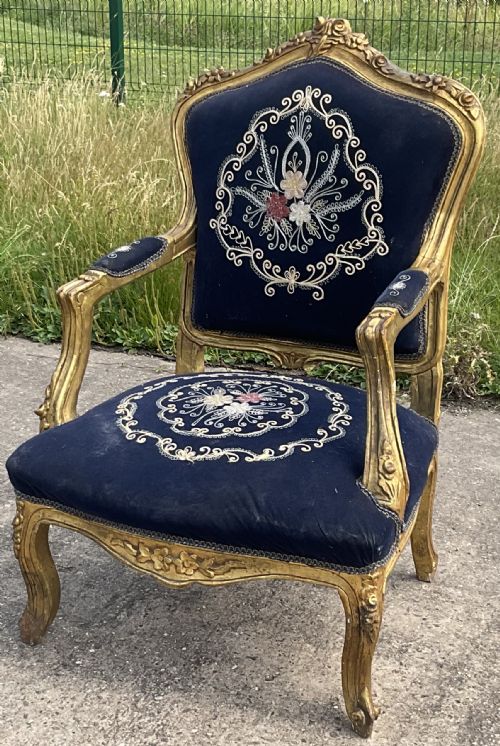
Velvet french armchairs encompass seating pieces originating from continental traditions, predominantly drawing upon nineteenth-century revivals of earlier monarchical styles. Buyers searching this phrase encounter low-slung bergères, open-framed fauteuils, and tall wingbacks designed for formal parlours and intimate boudoirs alike.
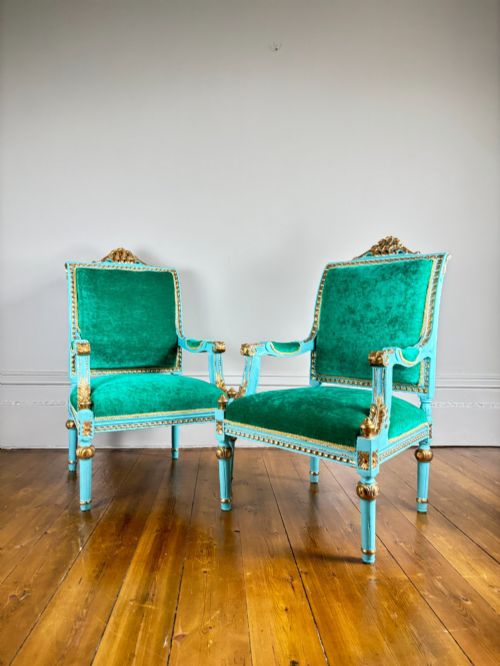
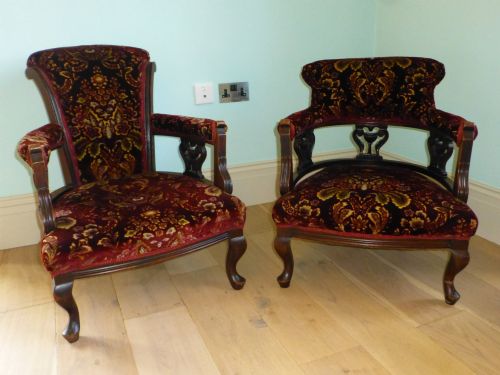
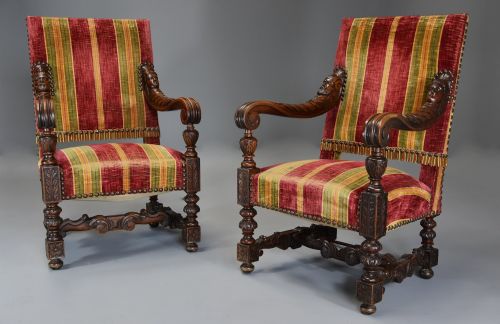
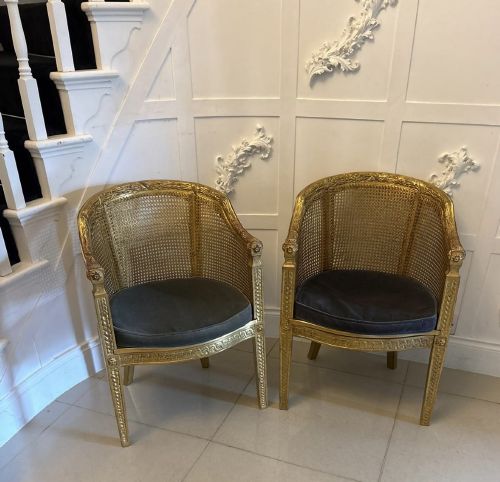
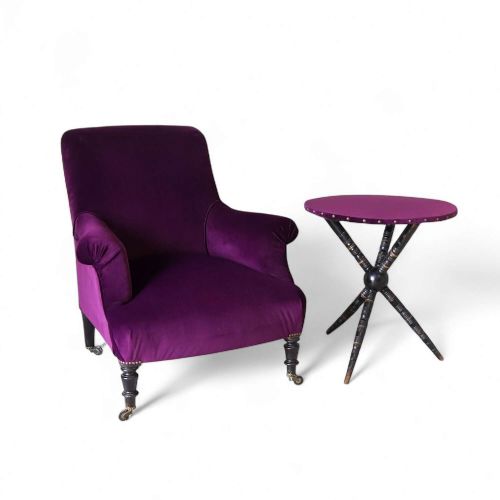
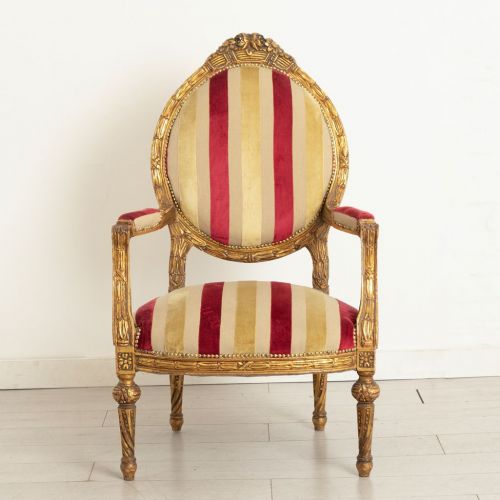
The material vocabulary of these seating forms relies heavily on rich pile textiles paired with carved wooden structures. Walnut, giltwood, beech, and painted wood serve as the primary foundational frames supporting plush velvet upholstery.
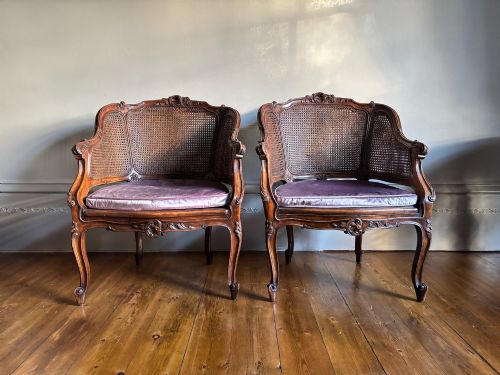
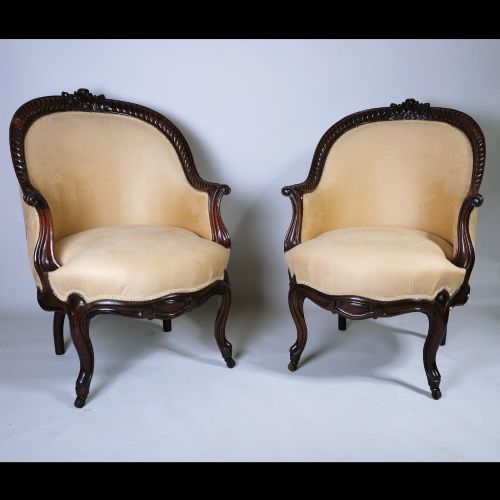
Nineteenth-century interpretations dominate current selections, spanning Louis XV and Louis XVI revival designs alongside Napoleon III productions. Pieces frequently arrive in pairs, offering symmetrical seating options for drawing rooms and libraries.
Construction and Materials
Cabinetmakers constructed these frames using solid hardwoods such as walnut, beech, and mahogany, often applying giltwood finishes or decorative paint to achieve ornate continental aesthetics. Joinery techniques relied on traditional mortise and tenon joints to support the weight of heavy upholstered bodies.
Upholstery methods incorporated deep buttoning, sprung backs, and tight-webbed foundations beneath plush velvet surfaces. Brass detailing occasionally appears through decorative tacks and hardware securing the textile edges to the wooden frames.
Velvet French Armchairs Retail Price Guide 2026
Typical asking prices for velvet french armchairs among the pieces listed under this phrase on Sellingantiques today, from the lower quarter to the upper quarter. They describe what is for sale here now, not the wider market.
Several armchairs arrive directly from historic chateaux carrying decades of French domestic history.
Distinctions in Quality
The distinction between standard examples and exceptional pieces rests in the crispness of the wood carving and the integrity of the original gilt or painted surface. Hand-carved walnut and fire-gilded frames display intricate botanical and scroll motifs executed with precision by skilled artisans.
Proportion and structural harmony separate superior armchairs from simpler provincial versions. Refined curved lines in bergère backs and balanced cabriole legs indicate higher workshop standards during the nineteenth-century revival periods.
The Velvet French Armchairs Glossary
- Bergère
- An enclosed upholstered armchair with wooden framing visible around the sides and back. This enclosed style originated in France during the eighteenth century.
- Fauteuil
- An open-arm armchair featuring an exposed wooden frame and padded armrests. These seats typically offer lighter proportions suitable for salons.
- Giltwood
- Timber treated with a thin layer of gold leaf applied over a prepared gesso base. This finish provides a brilliant reflective surface on formal seating.
- Louis XV Style
- A design aesthetic characterised by asymmetrical curves, cabriole legs, and naturalistic floral carvings. This revival style gained immense popularity during the nineteenth century.
- Napoleon III
- A flamboyant nineteenth-century French aesthetic combining eclectic historic revival motifs with opulent upholstery and deep buttoning.
Velvet French Armchairs: Frequently Asked Questions
What is the difference between Louis XV and Louis XVI styles?
Louis XV furniture relies on flowing curves, asymmetrical lines, and organic floral carving.
Louis XVI design shifts toward neoclassical straight lines, geometric symmetry, and fluted columns.
Are these chairs comfortable for daily use?
Many nineteenth-century examples incorporate sprung seats and deep padding designed for relaxation.
Low seat heights and supportive upholstered backs make them practical for modern living rooms.
Can I find matching pairs of armchairs?
Many listings feature matching pairs or sets intended for symmetrical placement in reception rooms.
Pairs often originate from nineteenth-century revival periods when matched salon seating was fashionable.