

Velvet Desk Chair
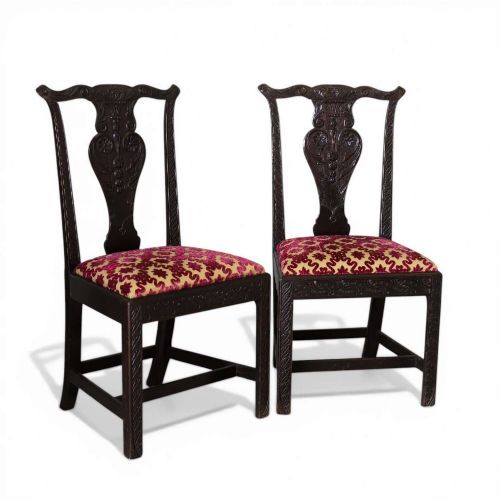
These velvet desk chair examples range from Georgian mahogany to Victorian walnut, offering comfortable seating covered in rich textile for your study.
Velvet Desk Chair
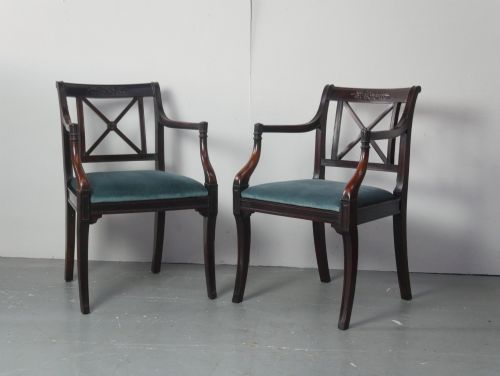
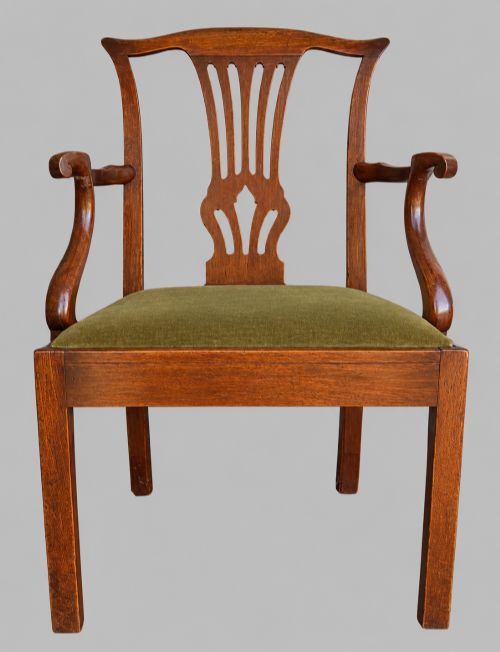
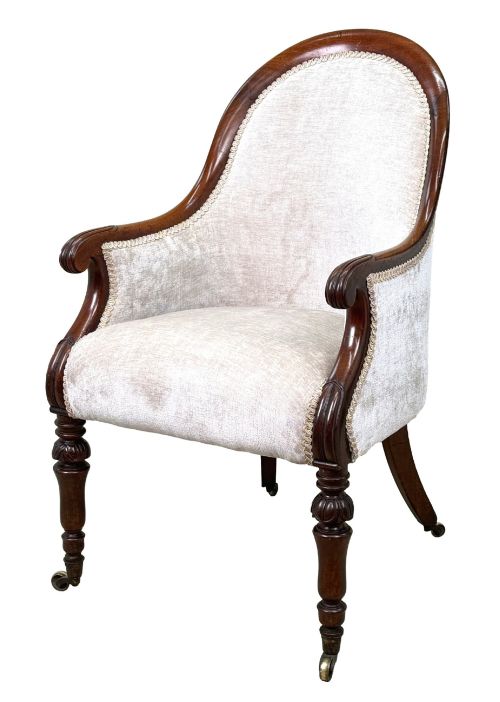
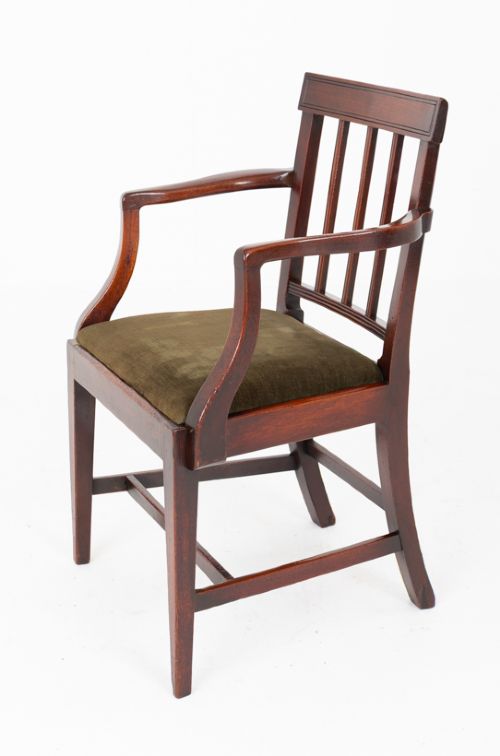
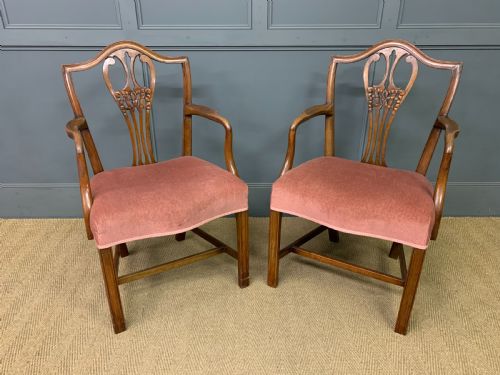
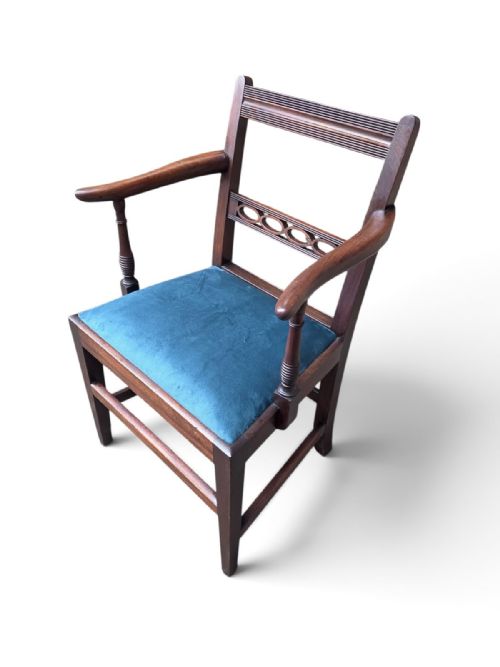
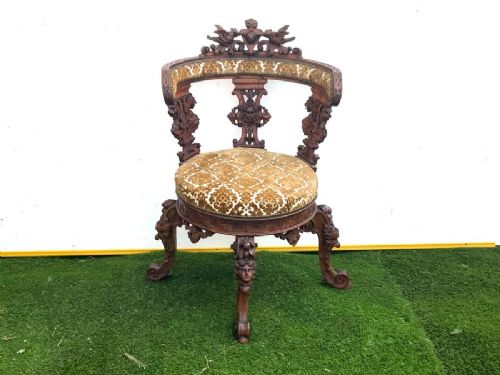
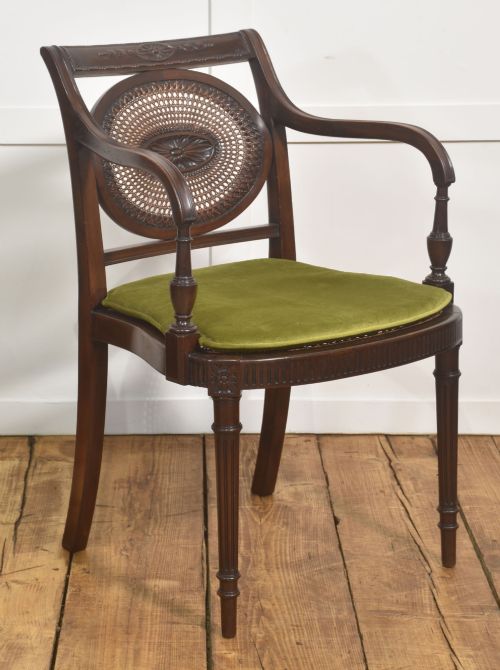
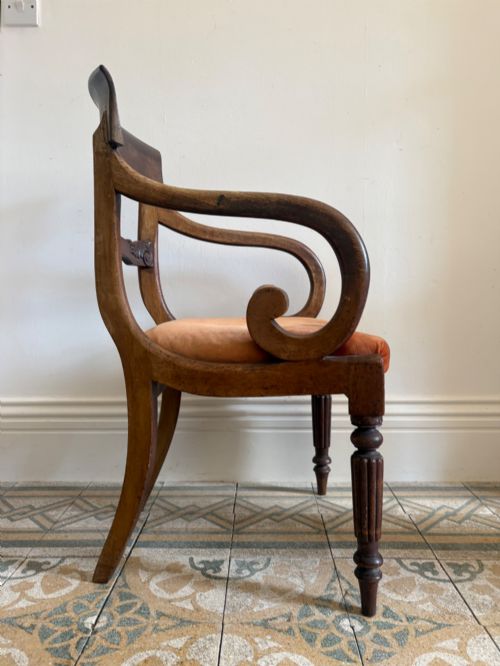
A velvet desk chair is a practical yet upholstered seat designed for a study or library, drawing on forms from the 18th century through to the Edwardian period. The selections here include sturdy Victorian walnut tub chairs, Regency mahogany library armchairs, and Georgian elbow chairs.
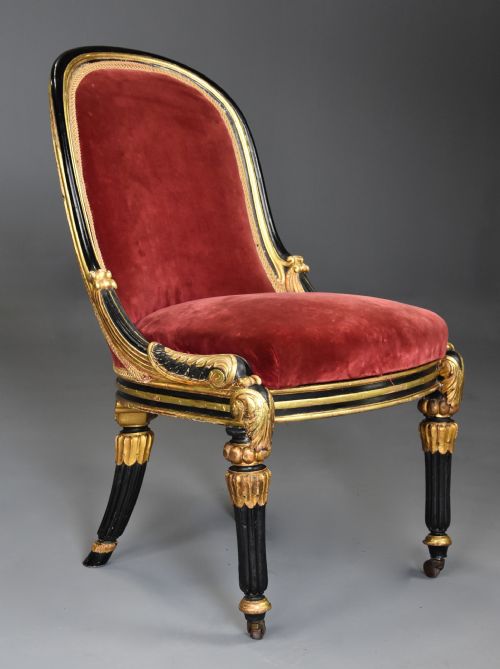
Most pieces date from the 19th century and the Victorian era, utilising traditional timber frames paired with plush textile coverings. You will encounter open armchairs, solid mahogany frames, and specialised revolving or tub forms intended for writing desks.
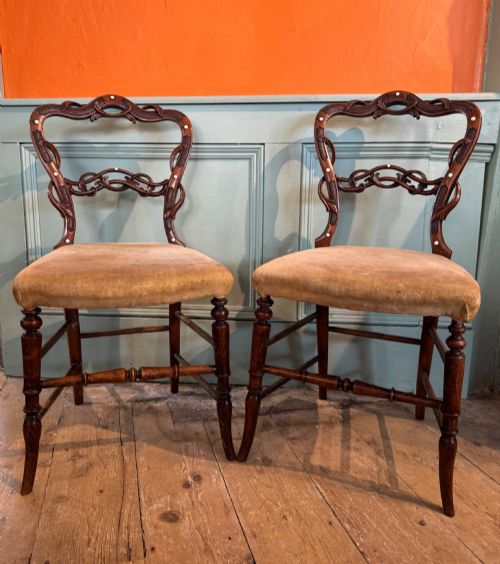
Makers and workshops across England and Europe produced these variants for domestic libraries, studies, and drawing rooms. The diverse range spans simple spindle backs to carved walnut audience chairs and Sheraton Revival styles.
Materials and Construction
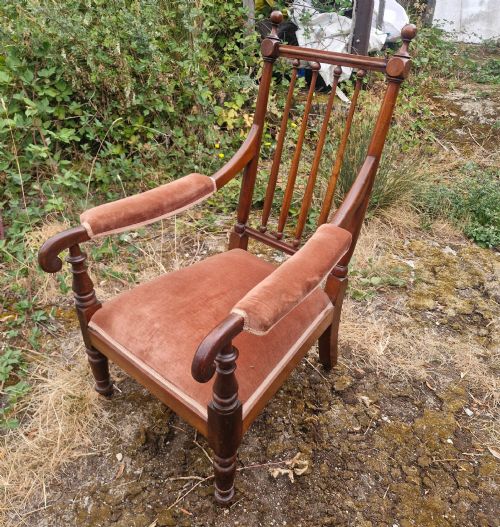
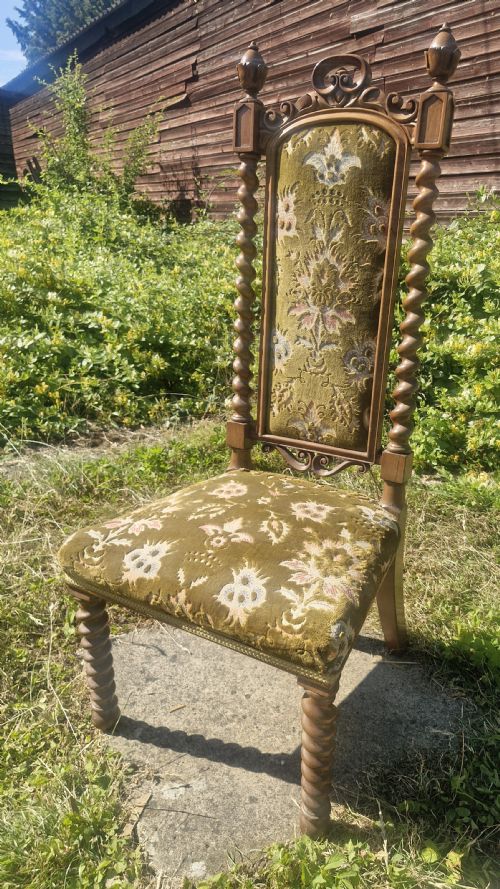
Makers constructed these frames predominantly using solid hardwoods such as mahogany, walnut, oak, and rosewood, ensuring structural longevity. Many incorporate turned or carved components like barley twist supports, scroll-carved backs, and brass accents.
Upholstery relies heavily on velvet, fabric, and textile coverings over traditional webbed or sprung bases, sometimes finished with cane panels. Joinery techniques reflect the period, utilising mortise and tenon frames alongside detailed hand-carving.
The listings here feature timbers like mahogany, walnut, oak, and rosewood paired with velvet and textile upholstery across the 18th, 19th, and early 20th centuries.
Evaluating the Pieces
Quality rests upon the crispness of the timber carving, the choice of dense hardwoods like mahogany or rosewood, and the integrity of the frame construction. Superior examples display harmonious proportions, refined joinery, and well-executed stylistic revivals such as Chippendale or Sheraton details.
The choice and execution of the velvet or textile upholstery also differentiate standard examples from finer library chairs. Original timber patination, subtle brass fittings, and sophisticated structural forms elevate a chair within its period.
The Velvet Desk Chair Glossary
- Tub Chair
- An upholstered armchair with a continuous curved back and arms forming a low, enclosing barrel shape. This form offers wrap-around support ideal for prolonged periods at a writing desk.
- Elbow Chair
- An armchair with wooden or upholstered armrests, traditionally utilised at a desk or dining table. These pieces provide compact support compared to larger library armchairs.
- Barley Twist
- A turning technique resembling a spiralling rope, commonly found on the wooden legs and upright supports of 19th-century chairs. This decorative detail adds vertical rhythm to walnut and rosewood frames.
- Drop-In Seat
- A removable upholstered frame that fits neatly into a wooden seat rail. This construction method allows easy reupholstery without dismantling the main chair structure.
- Fauteuil
- An open-framed armchair with upholstered back and arm pads, originating in France. These walnut and mahogany pieces often feature decorative carved wooden elements.
Velvet Desk Chair: Frequently Asked Questions
How do I identify a Victorian desk chair?
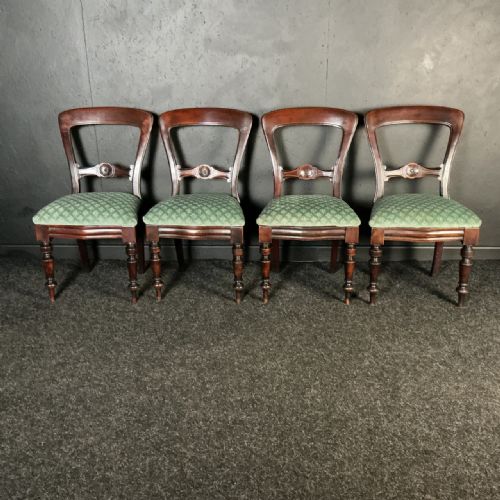
Victorian desk chairs often employ dense walnut or mahogany timbers, frequently featuring curved tub backs or upholstered velvet panels. Look for characteristic 19th-century construction methods, such as barley twist supports and scroll-carved wooden frames.
They are distinguished from earlier Georgian pieces by heavier proportions and specific revival ornamentation. Many examples from this era combine practicality with plush textile coverings suited for office use.
Were these chairs used at writing desks?
These seating forms served primarily in studies, libraries, and private offices for reading and correspondence. Their open arms and supportive upholstered backs allowed comfortable movement while working at a table.
Over the centuries, cabinet makers adapted armchair designs specifically to fit beneath standard writing heights. Consequently, many library and tub variants function effectively as desk seating today.
What woods were used for these chairs?
Mahogany and walnut form the primary timber framework for the vast majority of these antique seating options. Cabinet makers also utilised oak, rosewood, and ebonised finishes depending on the prevailing style and period.
These durable hardwoods provided the necessary structural strength to support frequent movement and daily use in a study. Finer pieces often feature inlaid details or polished grain patterns that highlight the natural material.
How do I care for antique velvet?
Antique velvet requires gentle brushing with a soft-bristled tool to maintain the pile and prevent dust accumulation. Keep these textile-covered chairs away from direct sunlight to preserve the richness of the fabric colour over time.
Avoid harsh chemical cleaners and consult a professional textile conservator for deep cleaning needs. Regular, careful maintenance ensures the delicate fibres remain resilient within a modern home.