



Vaseline Glass Lighting
Vaseline glass lighting brings a distinct yellow-green radiance to a room through uranium glass shades, oil lamps and hanging fixtures.
Vaseline Glass Lighting
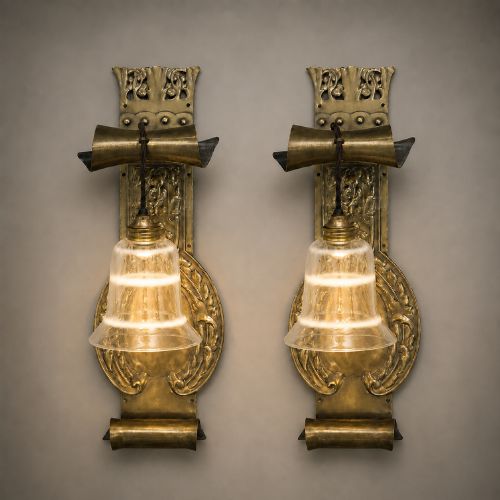
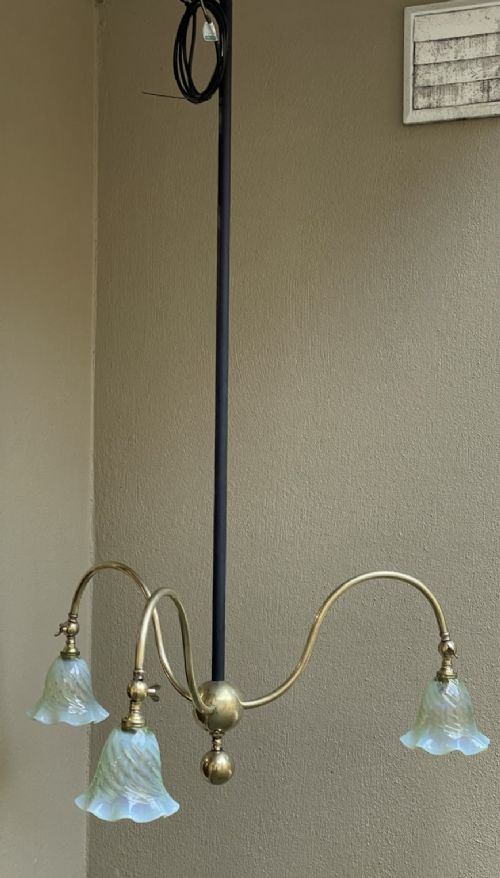
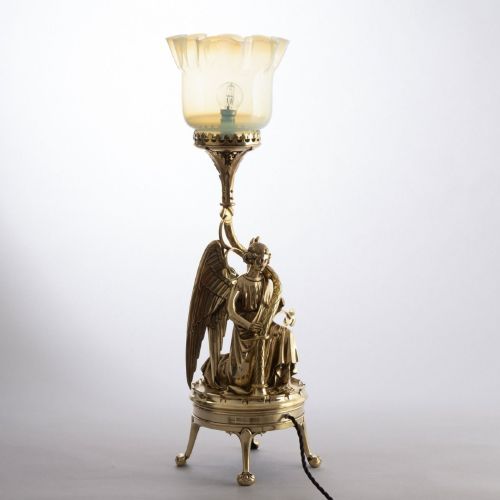
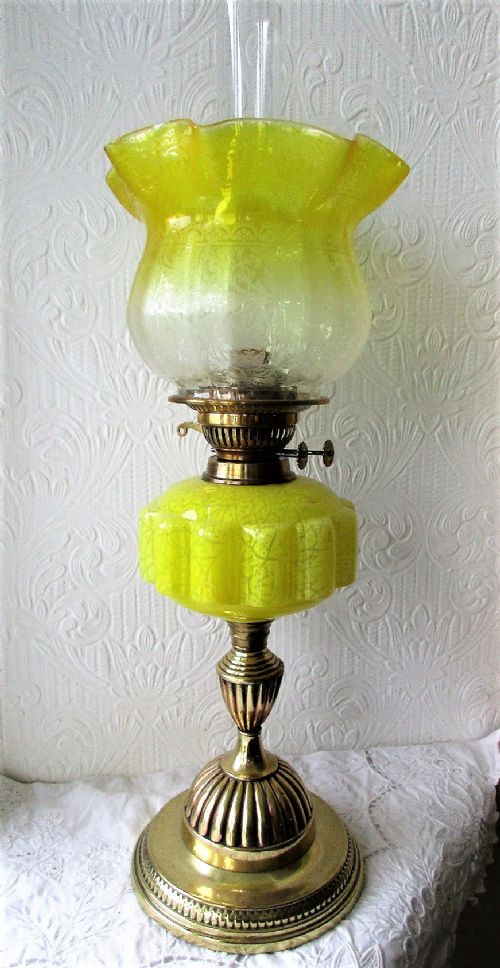
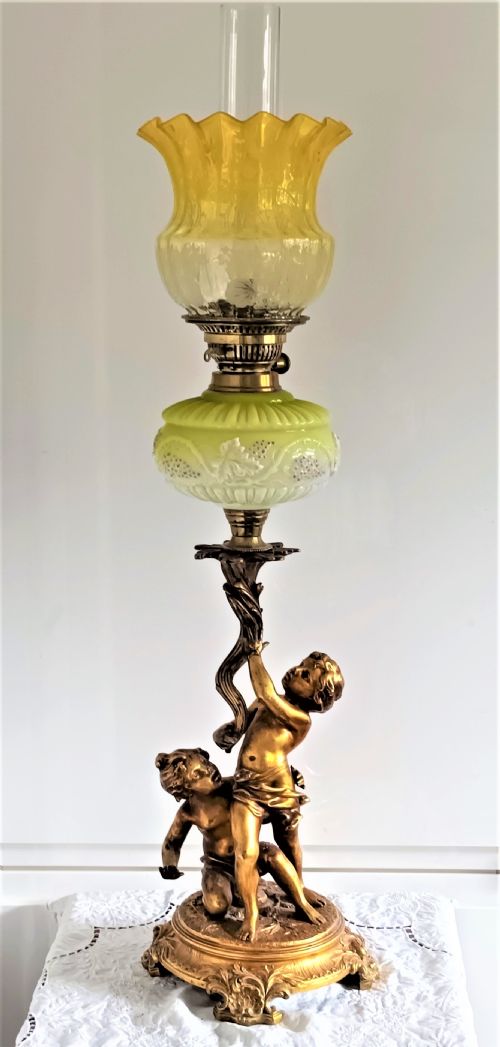
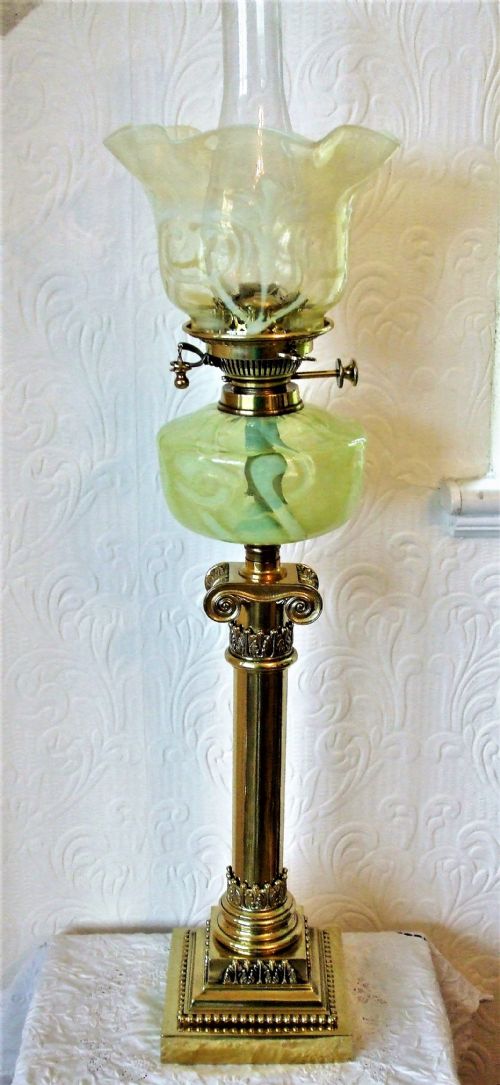
When you search for vaseline glass lighting, you find items that combine uranium glass components with metal mountings to illuminate a space. The pieces appearing here span the nineteenth century and the early twentieth century, including the Victorian and Edwardian eras.
You are most likely to encounter oil lamps and wall lights alongside ceiling pendants and table lamps. These objects frequently pair moulded or cut glass bowls and shades with brass, copper, gilt metal and other base metals.
How they were made
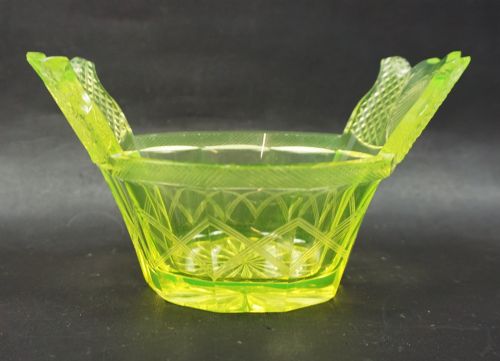
Makers formed the characteristic yellow or green glass by adding uranium oxide to the molten batch before blowing or pressing it into moulds. This produced translucent or transparent glass that reacts under ultraviolet light.
Metalworkers constructed the supporting frames and mounting hardware from brass and copper, sometimes applying gilding. They secured the glass components into these metal structures using collars, burners and structural fittings appropriate for oil or early electric illumination.
Vaseline Glass Lighting Retail Price Guide 2026
Typical asking prices for vaseline glass lighting among the pieces listed under this phrase on Sellingantiques today, from the lower quarter to the upper quarter. They describe what is for sale here now, not the wider market.
Materials recorded on this page include brass, copper, gilt metal, cut glass and standard metal alongside uranium and vaseline glass.
What varies in quality
Quality rests in the crispness of the glass moulding and the complexity of the cut detailing on bowls and shades. Pieces with sharp relief and balanced proportions stand apart from simpler utilitarian vessels.
The sophistication of the metalwork also defines the tier of a piece, with finely cast brass or hand-wrought copper mountings elevating the overall construction. The integration between the glass shade and its metal housing shows the care taken during assembly.
The Vaseline Glass Lighting Glossary
- Vaseline glass
- A type of glass containing uranium oxide that produces a characteristic yellow or greenish-yellow colour. It often exhibits a bright green glow when exposed to ultraviolet light.
- Uranium glass
- Glass produced with small amounts of uranium added as a colouring agent. The term encompasses various hues, of which the yellow vaseline variety is one specific type.
- Lustre
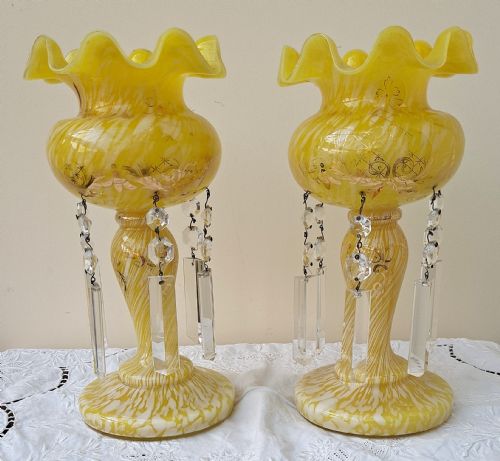
- A decorative glass or porcelain vessel hung with cut glass prisms. These ornaments catch and refract light from candles or oil lamps.
- Hinks Ionic
- A specific type of oil lamp burner mechanism associated with nineteenth-century column lamps. It provides steady fuel control for the wick.
Vaseline Glass Lighting: Frequently Asked Questions
What is vaseline glass lighting?
Vaseline glass lighting comprises antique lamps, shades and light fittings that incorporate uranium glass. These pieces date from the nineteenth and early twentieth centuries.
They utilise the distinct yellow-green reactive glass alongside metal mountings made from brass, copper and gilt metal to provide illumination.
How do I know if glass is vaseline glass?
Vaseline glass displays a characteristic transparent or translucent yellow-green tint in natural light. The primary identifier is its bright neon green fluorescence when viewed under ultraviolet light.
This glow results from the uranium oxide content mixed into the glass during its manufacture in the period.
What periods do these lights come from?
The lighting fixtures seen here originate from the nineteenth century, the Victorian era, the Edwardian period and around nineteen hundred. They reflect design movements such as Arts and Crafts, Gothic Revival and Art Nouveau.
These pieces were produced during eras when oil and early electric lighting transformed domestic interiors.
How were these lamps originally used?
These objects served practical lighting functions in homes and public buildings during the Victorian and Edwardian eras. Oil lamps burned fuel to light rooms, while wall and ceiling lights held burners or early bulbs.
Over time, many of these surviving fixtures underwent conversion to electricity while retaining their original glass shades and metal frames.