

Upholstered X Frame Chair
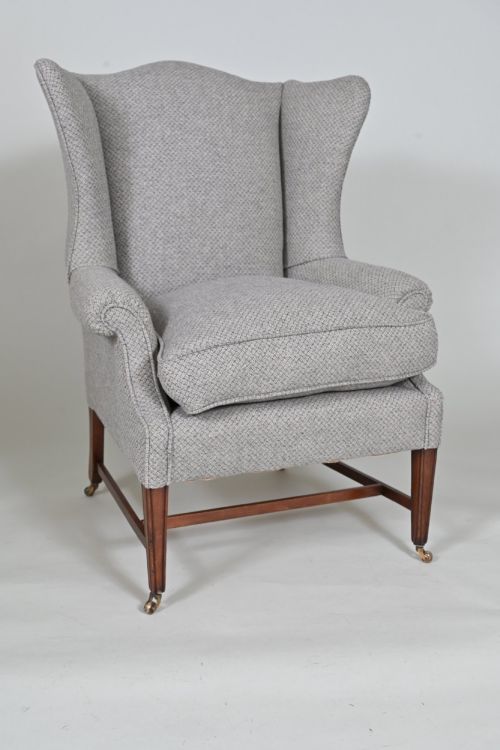
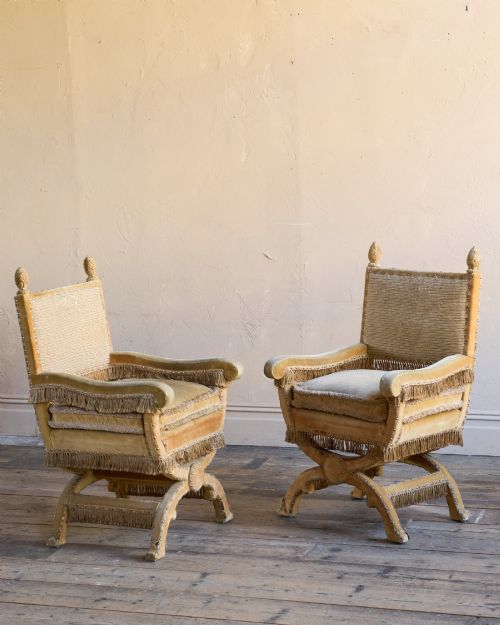
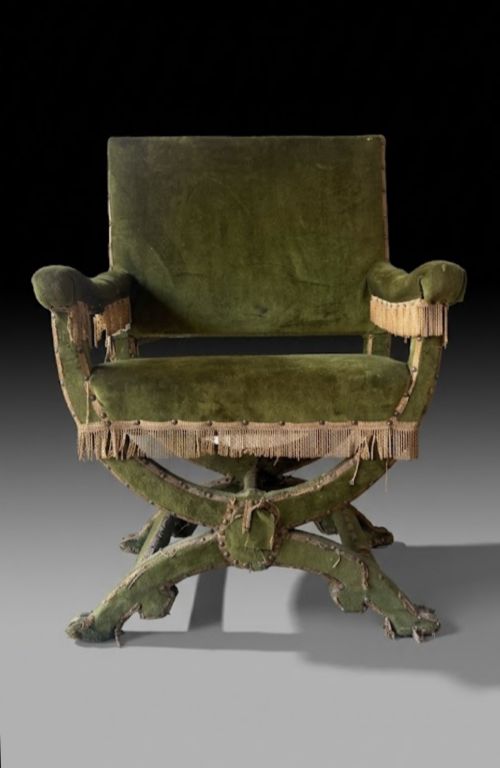
An upholstered x frame chair brings architectural geometry and deep seating into a room, offering a sculptural silhouette rooted in centuries of classical design.
Upholstered X Frame Chair
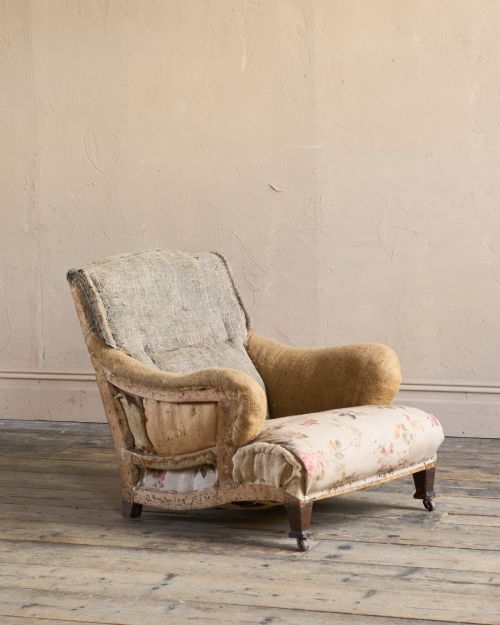
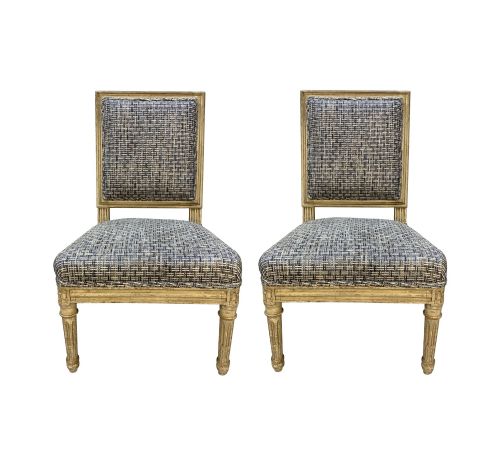
When you search for an upholstered x frame chair, you encounter seating built around crossed structural supports that trace their lineage back through revivalist periods. The examples on this page span the nineteenth and early twentieth centuries, encompassing Victorian, Edwardian, and various revival styles including Jacobean and Louis idioms.
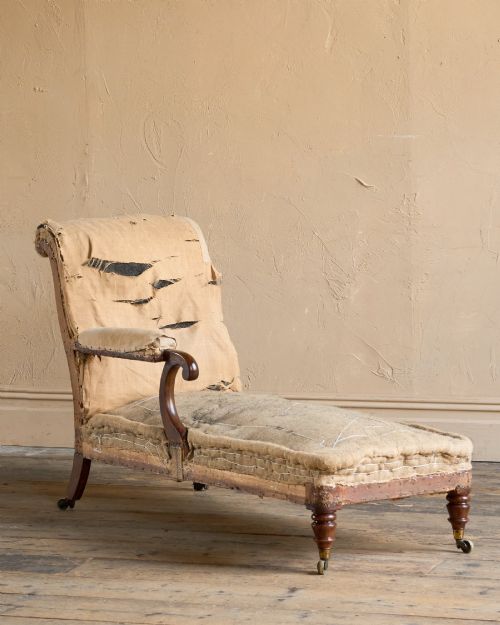
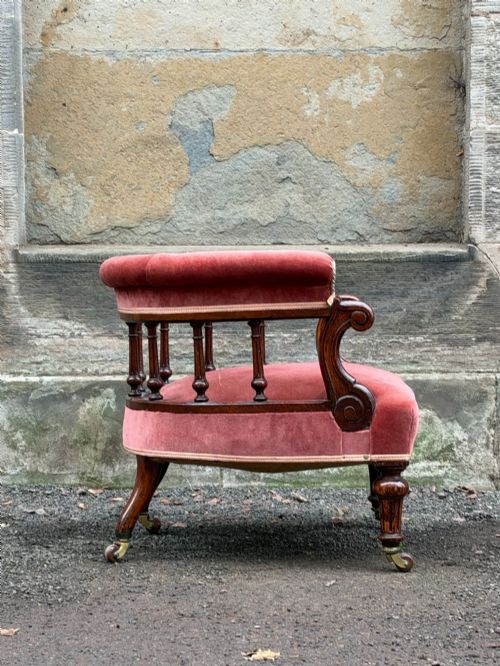
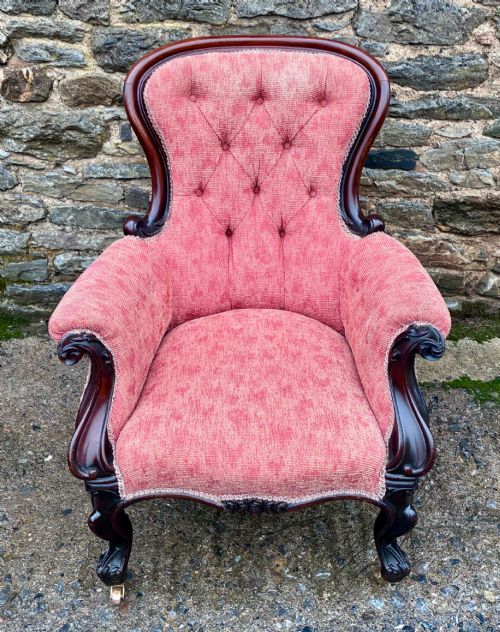
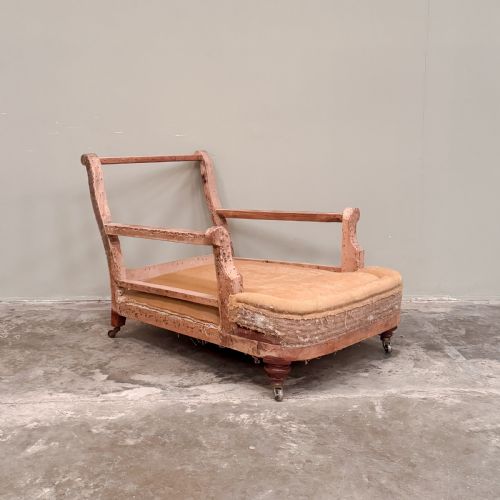
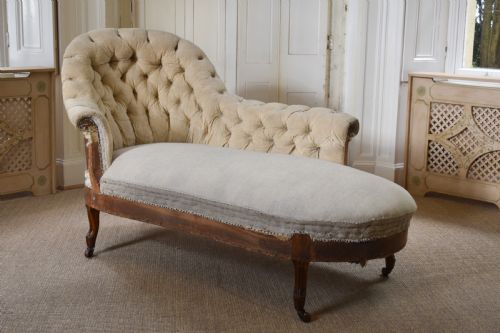
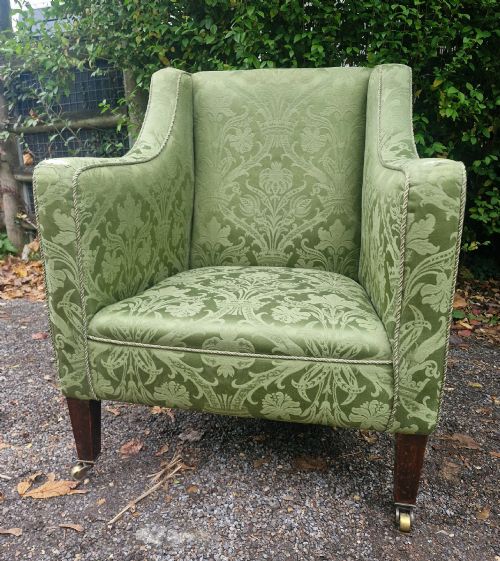
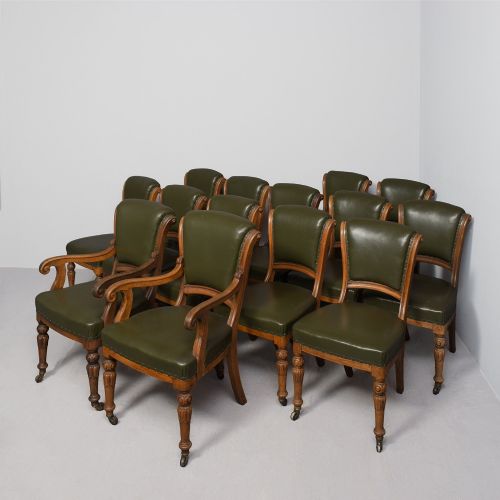
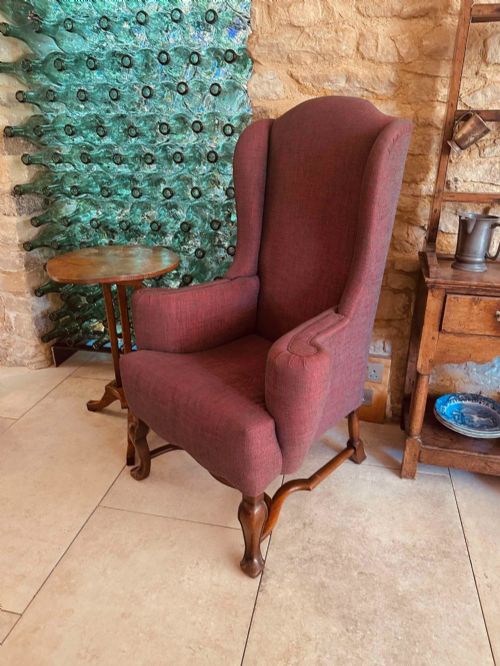
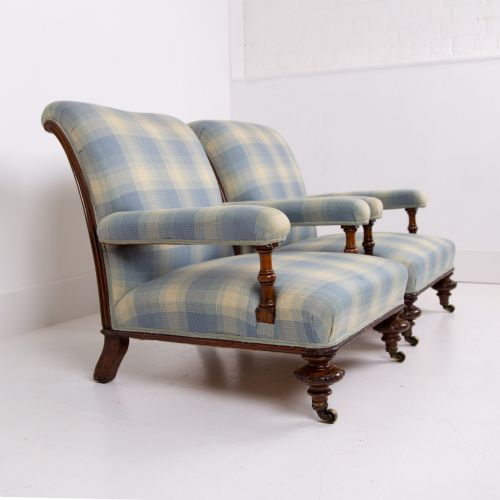
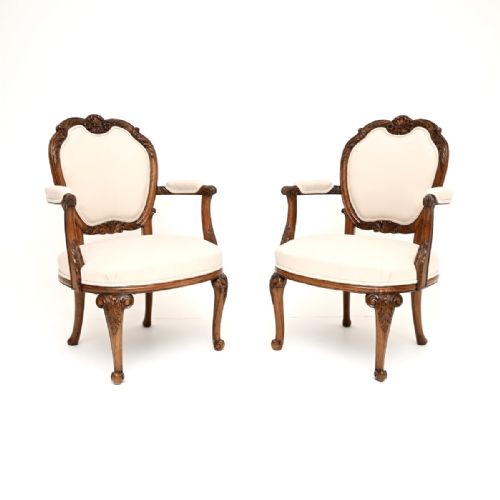
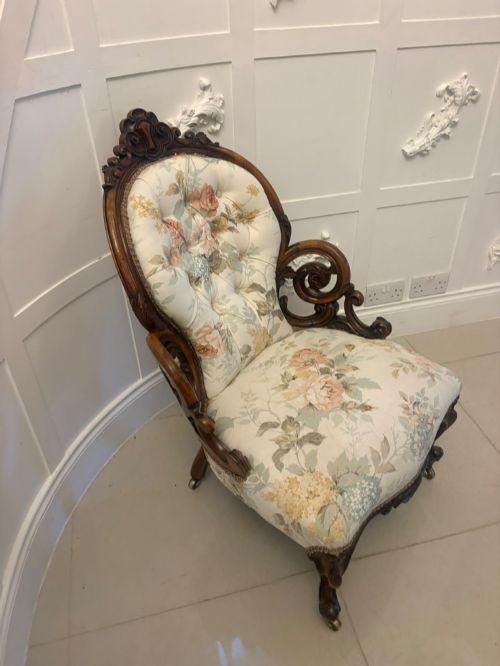
These pieces manifest in forms ranging from salon chairs and library armchairs to bedroom chairs and daybeds. Walnut and mahogany frame the majority of the selection, carrying texturised fabric, velvet, and leather upholstery across seats and backs.
Origins stretch across British workshops and continental centres, reflecting both formal library seating and lighter decorative salon pieces. The intersecting stretchers define the structural identity, whether executed in carved timber or cast iron.
Craftsmanship and Proportion
Quality reveals itself in the rigidity of the crossed frame joints and the integrity of the timber selection. Superior pieces display crisp carving, balanced proportions, and substantial wood substance that withstands the outward pressure exerted by the seat.
The standard of upholstery work and the selection of covering textiles also separate grades. Original textiles or sympathetic traditional re-upholstery maintain the historical integrity of the piece more effectively than utilitarian modern replacements.
Upholstered X Frame Chair Retail Price Guide 2026
Typical asking prices for upholstered x frame chair among the pieces listed under this phrase on Sellingantiques today, from the lower quarter to the upper quarter. They describe what is for sale here now, not the wider market.
Listings feature walnut, mahogany, and oak frames paired with textiles including velvet, leather, and hessian.
John Taylor of Edinburgh·Hille
The Upholstered X Frame Chair Glossary
- X-frame
- A chair construction utilising intersecting diagonal stretchers or legs that form an X shape beneath the seat. This ancient form provides inherent structural stability and distinct visual symmetry.
- Bergere
- An enclosed upholstered armchair with wooden framing around the sides and back, often incorporating cane work or tight fabric panels. It originated in France during the eighteenth century.
- Jacobean Revival
- A nineteenth-century style mimicking seventeenth-century English furniture through dark oak, heavy turning, and rectilinear frames. It often appears in substantial library seating.
- Cabriole leg
- A furniture leg that curves outward at the knee and tapers inward at the ankle, finishing in a pad or foot. This form derives from ancient Chinese and classical Greek precedents.
- Chaise longue
- An elongated upholstered chair designed for reclining, combining the backrest of a chair with the seat of a daybed. Nineteenth-century examples often feature carved walnut or mahogany frames.
Upholstered X Frame Chair: Frequently Asked Questions
How do I identify an x frame chair?
Look beneath the seat or along the sides for the characteristic crossed stretchers that connect the legs and support the frame. This geometric intersection forms the primary structural and visual focal point of the piece.
These chairs appear in numerous configurations, from heavy library armchairs to delicate salon seats, but the underlying diagonal bracing remains the defining feature across all periods.
Where should I place an x frame chair?
Position these chairs where their sculptural profile can be appreciated from multiple angles, such as the centre of a study or beside a fireplace. Their balanced geometry suits both traditional drawing rooms and contemporary spaces.
Consider the scale of the piece relative to surrounding furniture, as library armchairs require more floor space than smaller bedroom or side chairs.
How do I care for antique upholstery?
Protect delicate textiles and leather by keeping them away from direct sunlight and maintaining stable room humidity. Gentle vacuuming with a soft brush attachment prevents dust accumulation within the fabric fibres.
Avoid harsh chemical cleaners on original leather or velvet surfaces, relying instead on professional conservation advice for specialised maintenance.
What distinguishes Victorian from Edwardian examples?
Victorian pieces generally feature heavier timber frames, deeper buttoning, and ornate carved details reflecting various historical revivals. Mahogany and walnut predominate in these substantial nineteenth-century designs.
Edwardian furniture often exhibits lighter proportions, simpler lines, and occasional use of loose covers or cane panels, pointing towards a preference for airier domestic interiors.