
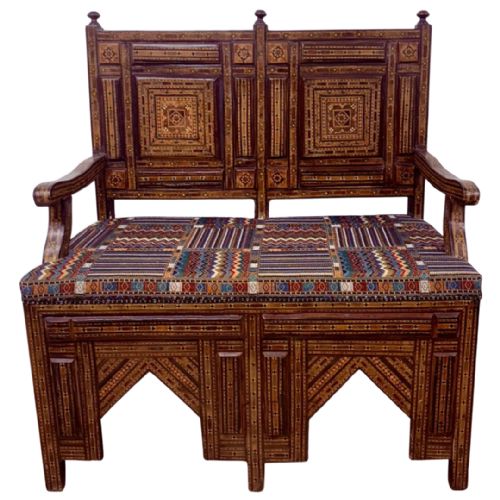
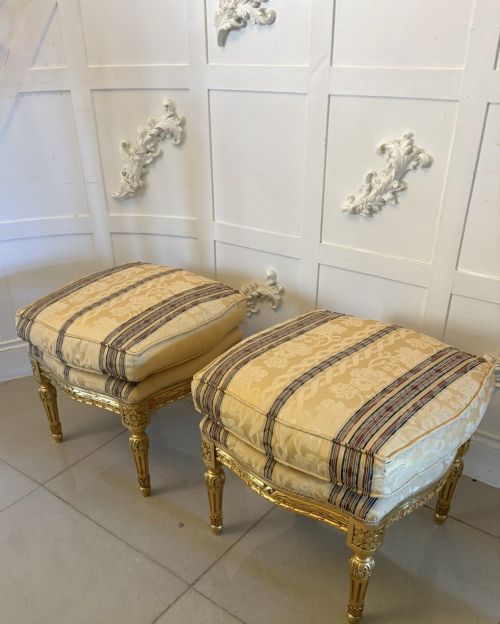
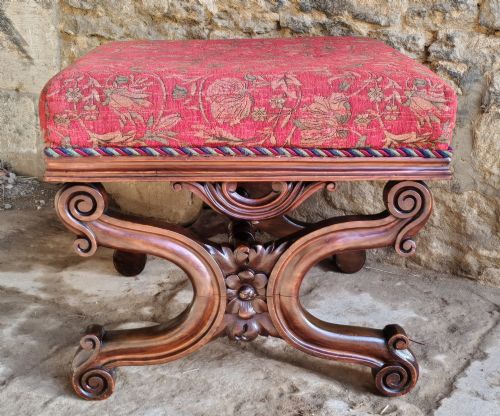
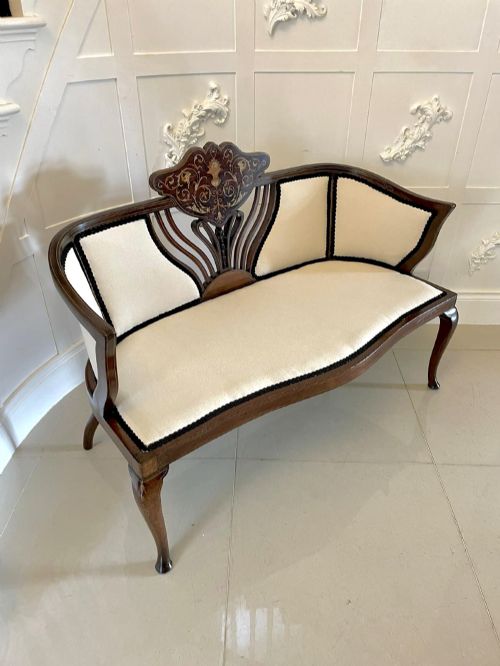

Upholstered Wooden Bench
An upholstered wooden bench brings firm timber frames and tactile textiles together, offering versatile seating across historic interiors.
Upholstered Wooden Bench
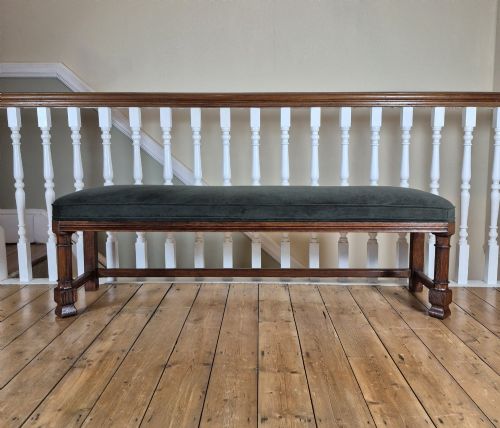
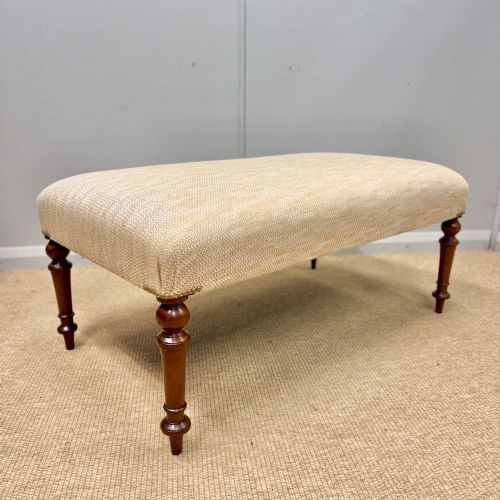
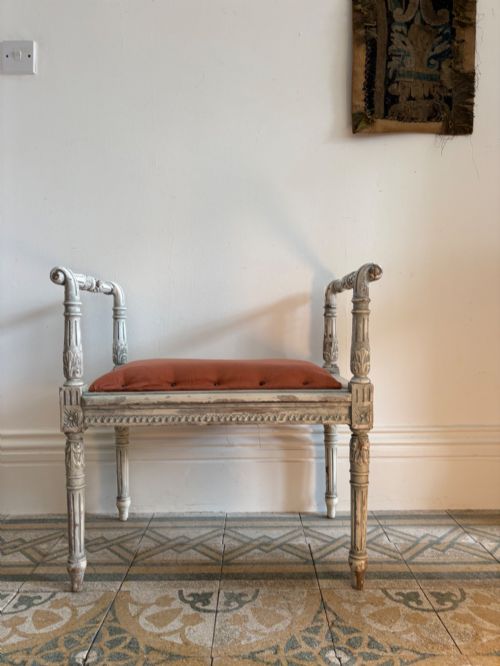
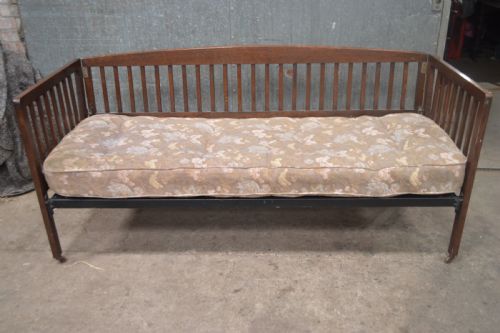
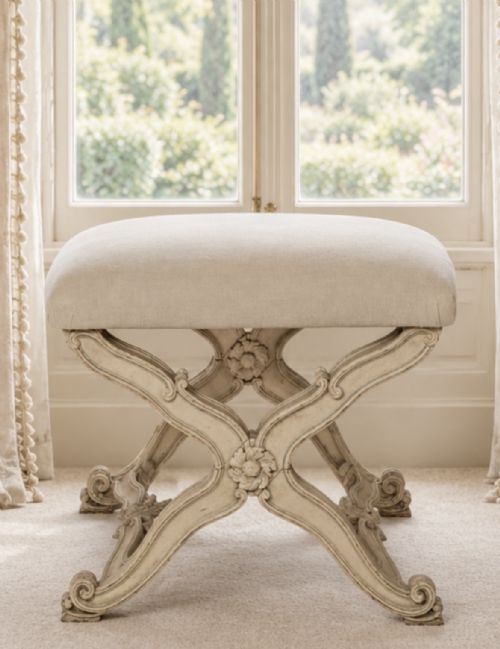
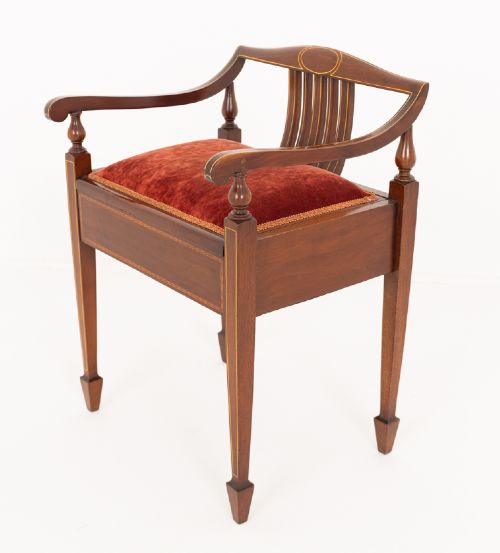
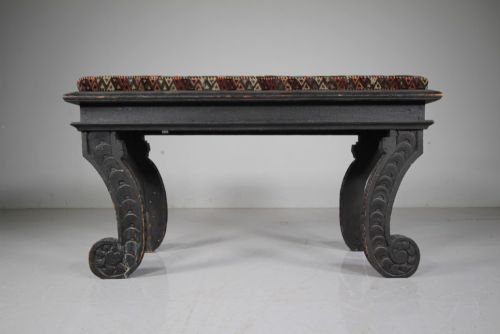
An upholstered wooden bench combines structural timber with cushioned seating, appearing in forms ranging from long footstools and window seats to compact dressing stools and multi-seat settees. When exploring an upholstered wooden bench, buyers encounter pieces spanning the eighteenth, nineteenth, and early twentieth centuries, reflecting diverse historic revivals from Georgian and Victorian to Art Deco and Arts and Crafts styles.
The selection on this page leans heavily toward nineteenth-century Victorian designs alongside Edwardian and earlier interpretations, fashioned from hardwoods like mahogany, oak, and walnut. These seating items served functional roles in hallways, bedrooms, and drawing rooms, adapting as piano stools, daybeds, and hall benches.
Originating from British workshops as well as continental European traditions, including French, Italian, and Swedish makers, these forms display regional variations in carving and silhouette. A buyer searching for this phrase engages with centuries of domestic seating design, where timber frames support varied textile coverings from silk and velvet to modern replacement fabrics.
How they were made
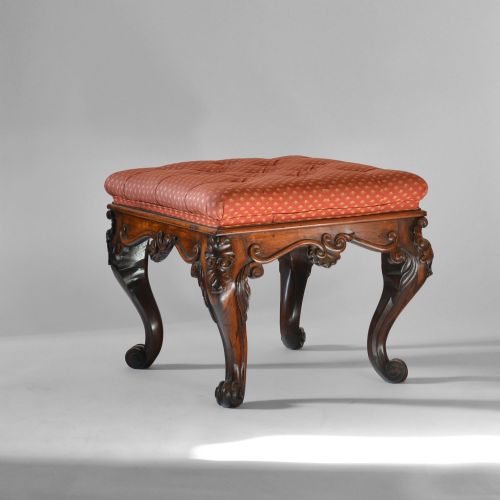
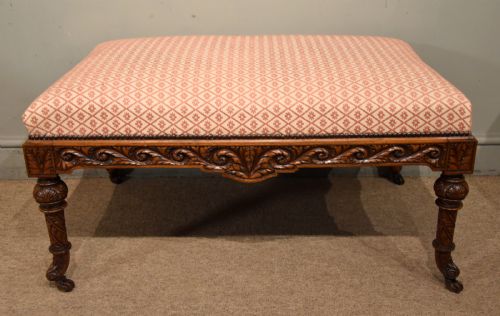
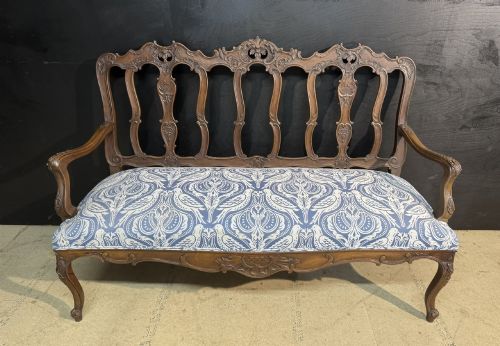
Makers constructed the timber frameworks of these benches using dense native and imported woods such as mahogany, oak, walnut, rosewood, and pine, often employing traditional joinery techniques to ensure structural stability. Frames frequently display detailed hand-carving, ebonised finishes, or decorative painted surfaces, while inlay work utilises contrasting timbers.
Upholstery techniques relied on webbing, stuffing materials, and tight-fitting fabric covers secured with tacks, with buttoned padding appearing on nineteenth-century long stools and settees. Silk, velvet, linen, and leather served as primary covering materials, while newer textiles frequently replace worn historical upholstery during restoration.
Listings feature woods such as mahogany, oak, walnut, rosewood, and pine across eighteenth, nineteenth, and early twentieth-century periods.
What varies in quality
The refinement of timber carving and the precision of joinery separate standard production seating from finer examples, particularly where intricate Rococo Revival, Gothic, or Neoclassical details shape the wooden frame. Superior pieces demonstrate crisp moulding, well-balanced proportions, and high-grade hardwoods that have maintained their structural integrity over centuries.
The quality of the upholstery execution, the choice of covering fabric, and the preservation of original finish surfaces also distinguish individual items within this category. Pieces retaining authentic period textiles or demonstrating expert traditional reupholstery present a higher standard of craftsmanship.
Harry and Lou Epstein
The Upholstered Wooden Bench Glossary
- Settee
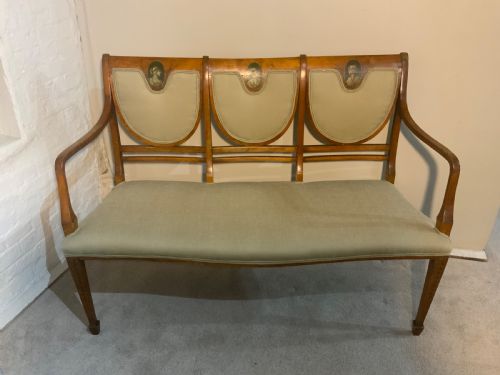
- A medium-length upholstered wooden seat designed for multiple occupants, usually featuring a backrest and arms.
- Daybed
- A long seating item intended for reclining, combining elements of a bench and a sofa with low end supports.
- Window seat
- A narrow upholstered bench proportioned specifically to sit within the architectural recess of a window frame.
- Canapé
- An ornate eighteenth or nineteenth-century French style upholstered sofa with an exposed wooden frame.
- Giltwood
- Timber treated with a thin layer of gold leaf, frequently utilised on decorative framework during revival periods.
Upholstered Wooden Bench: Frequently Asked Questions
Where were these benches placed historically?
These seating items found placement in hallways, drawing rooms, and bedrooms, serving specific domestic routines.
Window seats occupied architectural alcoves, while dressing stools sat near mirrors in private chambers.
How do I identify a Victorian piece?
Victorian examples often display heavier timber construction, deep buttoning, and dark woods like mahogany or walnut.
Stylistic markers range from Gothic Revival carvings to elaborate Victorian upholstery techniques.
Are the upholstery fabrics original?
Many listings feature newly applied or replacement fabrics to ensure functional usability in modern interiors.
Original textiles survive rarely and depend heavily on the specific preservation history of each individual timber frame.
What is the difference between a stool and a settee?
Stools provide backless or armless compact seating designed for single occupants or occasional foot support.
Settees offer extended seating capacity complete with structural backrests and arm supports for multiple people.