

Upholstered Salon Armchairs
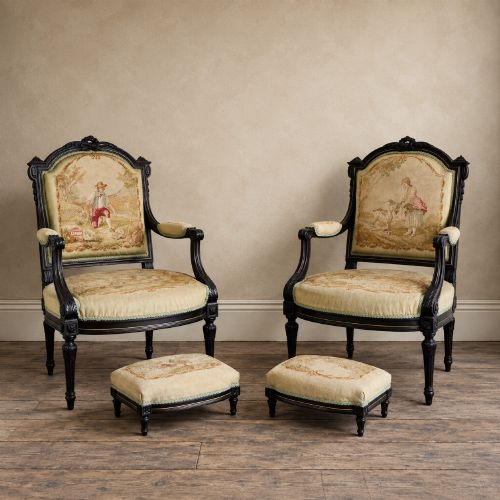
These upholstered salon armchairs bring formal drawing room seating from the eighteenth, nineteenth, and early twentieth centuries into modern interiors.
Upholstered Salon Armchairs
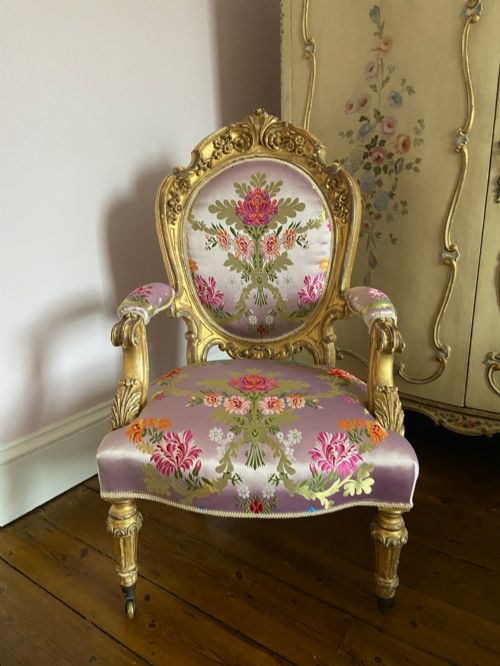
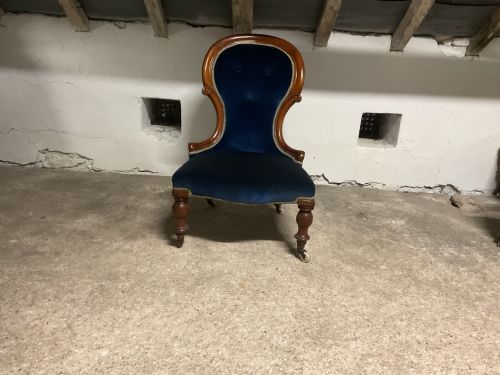
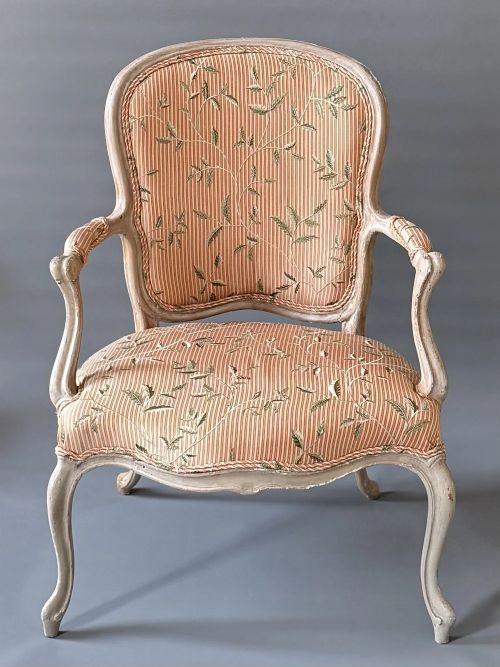
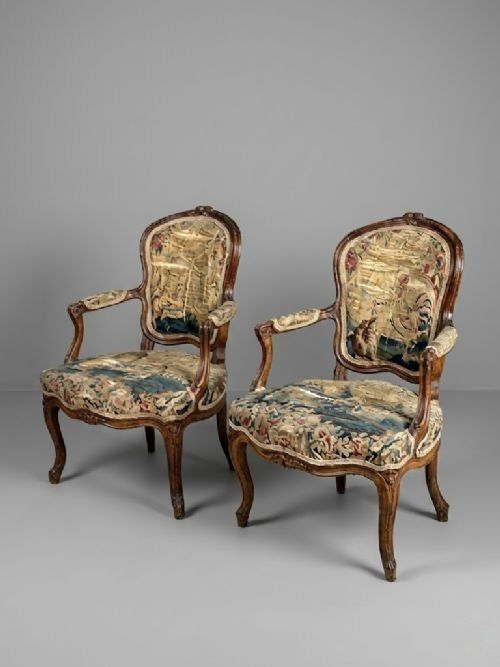
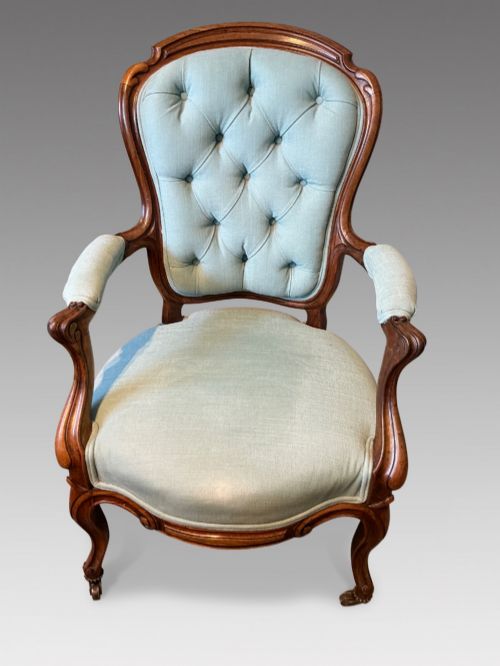
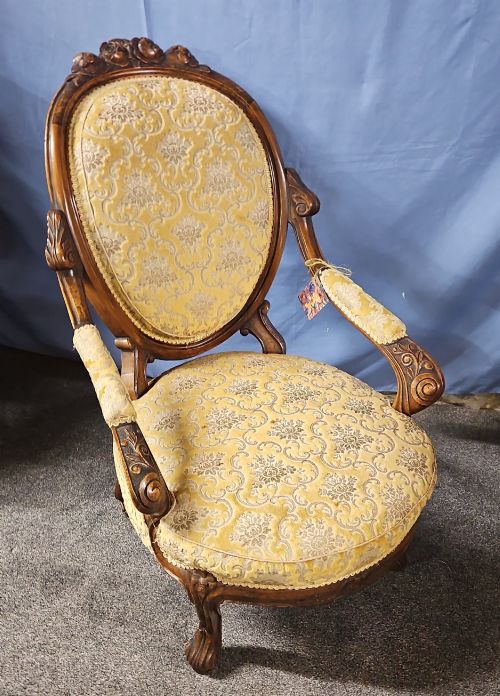
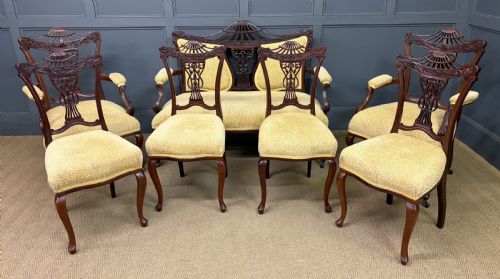
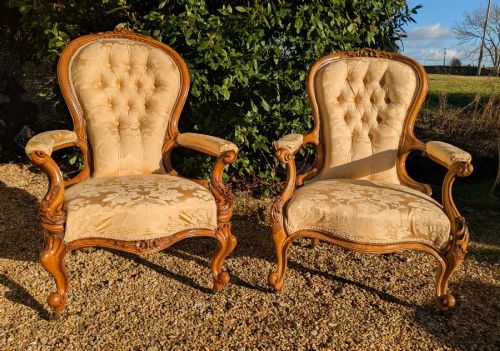
Upholstered salon armchairs encompass formal seating designed for drawing rooms, parlours, and receiving spaces across several centuries. The selections on this page are dominated by nineteenth-century Victorian and French pieces, alongside eighteenth-century models and later revivals.
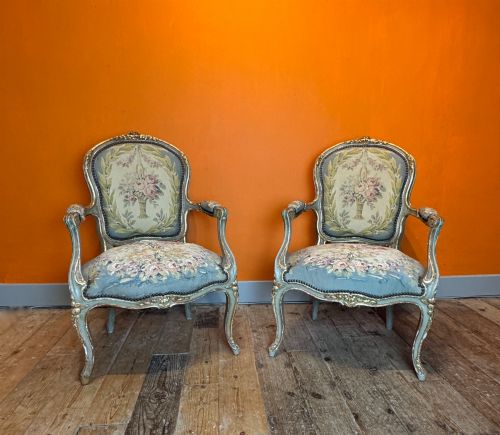
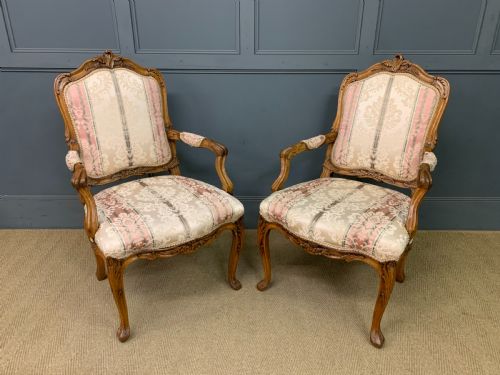
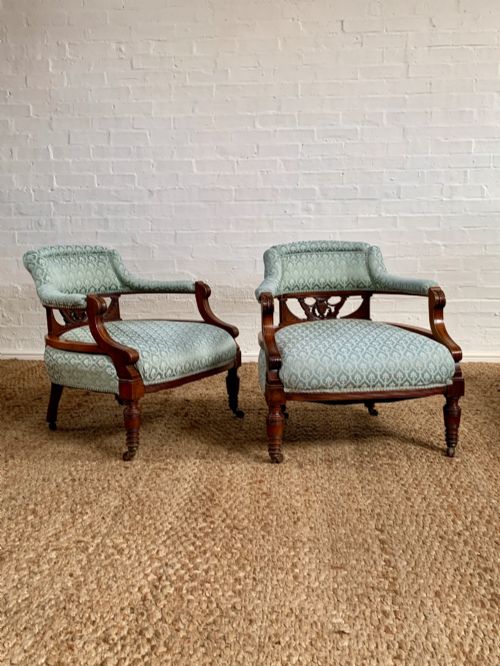
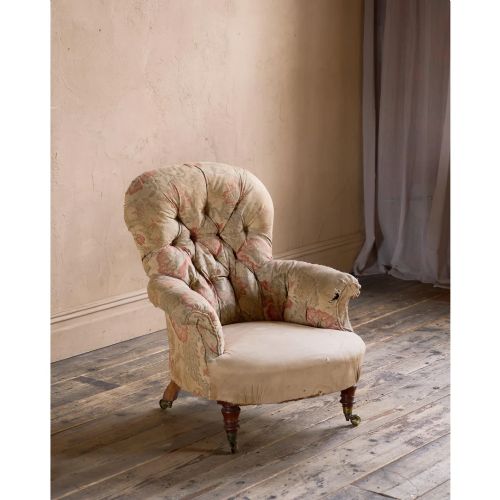
Forms range from open armchairs and spoon backs to low nursing chairs and tub shapes. Many appear as pairs or larger salon suites accompanied by matching sofas and footstools.
Origins stretch across English workshops and continental European centres, particularly French chateaux and provincial makers. Buyers encounter walnut, mahogany, and giltwood frames dressed in contemporary silks, tapestries, velvet, and standard upholstery fabric.
How They Were Made
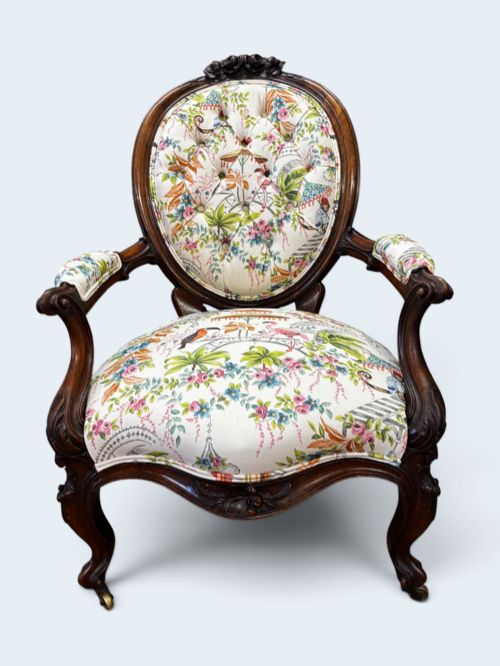
Frames rely on dense hardwoods like walnut, mahogany, rosewood, and beech, chosen for structural strength under carved ornamentation. Carvers shaped these timbers into cabriole legs, scroll arms, and contoured backs before applying giltwood finishes, paint, or parcel-gilt highlights.
Upholstery techniques combined traditional webbing, spring systems where period-appropriate, and horsehair stuffing secured beneath outer layers of silk, velvet, tapestry, or woven fabric. Joinery involved traditional mortise and tenon construction to support the daily weight of formal sitting.
Some nineteenth-century makers designed matching footstools specifically so sitters could recline properly in their heavy drawing room gowns.
What Varies in Quality
The crispness of the hand-carved detail across the wood frames separates standard production from exhibition-grade pieces. Deeply undercut foliage, balanced proportions, and refined joinery indicate skilled cabinet work rather than hurried commercial manufacturing.
The integrity and material choice of the textile covering influence the overall standard. Hand-woven tapestries, antique silks, and precise period-appropriate upholstery elevate a frame far beyond basic replacement fabric.
Mellier And Co·Holland And Sons
The Upholstered Salon Armchairs Glossary
- Bergère
- An enclosed upholstered armchair with wooden framing around the sides and back. These French seats typically feature an exposed wooden rail and a loose seat cushion.
- Fauteuil
- An open-arm armchair with upholstered back and seat, featuring exposed wooden arms and frame. Originating in France, this form gained popularity across European revival periods.
- Spoon back
- An upholstered chair back shaped to resemble the concave bowl of a spoon, designed to fit the human spine. This style is frequently encountered in Victorian walnut seating.
- Parcel gilt
- A finishing technique where portions of a wood or gesso surface are highlighted with gold leaf while the rest remains painted or stained. It accentuates carved mouldings and details on continental frames.
- Cabriole leg
- A furniture leg featuring a double curve, bowing outward at the knee and tapering inward at the ankle. This form draws inspiration from animal limbs and appears widely on revival seating.
Upholstered Salon Armchairs: Frequently Asked Questions
Where were upholstered salon armchairs used?
These chairs originally furnished formal drawing rooms, receiving parlours, and large bedrooms in English country houses and continental residences. They served as decorative seating for guests and private relaxation in domestic spaces.
Today, they function as accent seating in living rooms, studies, and bedrooms, bringing historical proportion and distinct wood tones to modern layouts.
How do I identify French revival styles?
French revival pieces often display characteristic Louis XV or Louis XVI elements, such as exposed giltwood frames, cabriole legs, or symmetrical neoclassical lines. Makers recreated these historical aesthetics across the nineteenth and early twentieth centuries using walnut, beech, and painted finishes.
Examining the wood ageing, joinery style, and carving depth helps distinguish genuine nineteenth-century interpretations from later twentieth-century reproductions.
Are salon armchairs comfortable for daily use?
Many salon armchairs offer surprisingly deep and supportive seating, particularly Victorian spoon back designs and generously proportioned French models. Their original construction relied on hand-tied springs and stuffed horsehair to support upright posture during long conversations.
Modern comfort depends on the condition of the internal stuffing and webbing, which can be restored or reupholstered while preserving the antique wooden frame.
What is the difference between an open armchair and a tub chair?
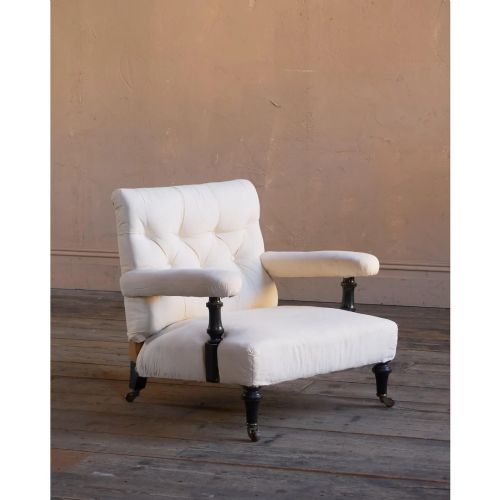
Open armchairs feature distinct wooden arms with open space between the armrest and the seat rail, showcasing the carved frame. Tub chairs enclose the sitter with a continuous curved back and armrest structure, creating a more enveloping seat.
Both forms appeared across Victorian and Edwardian parlours, utilising materials like walnut, mahogany, and inlaid marquetry.