




Upholstered Piano Chair
An upholstered piano chair is a functional music seat designed for comfort and adjustment, combining practical seating with period craftsmanship.
Upholstered Piano Chair
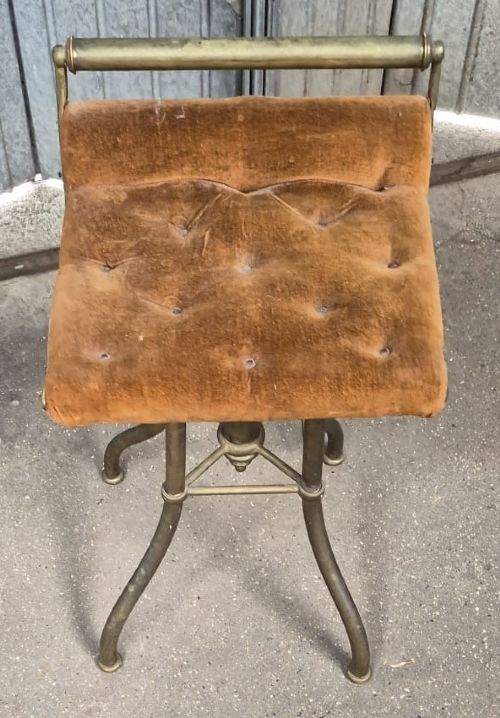
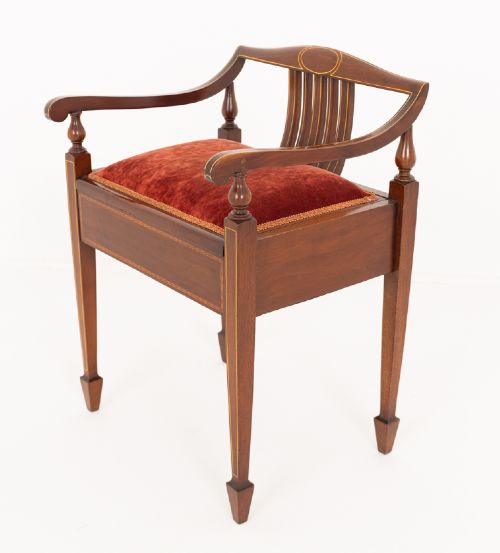
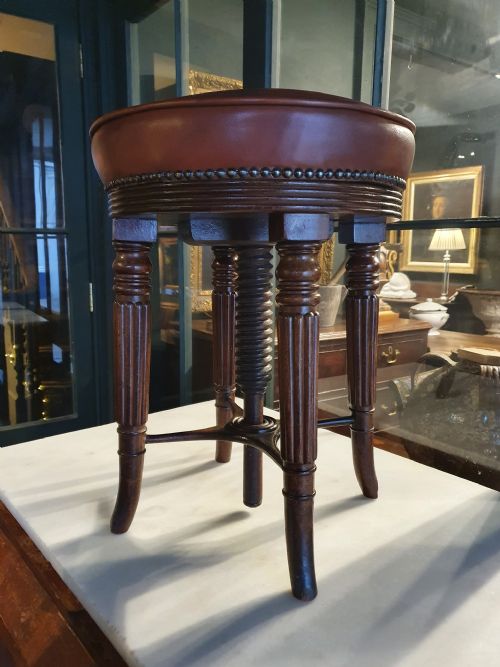
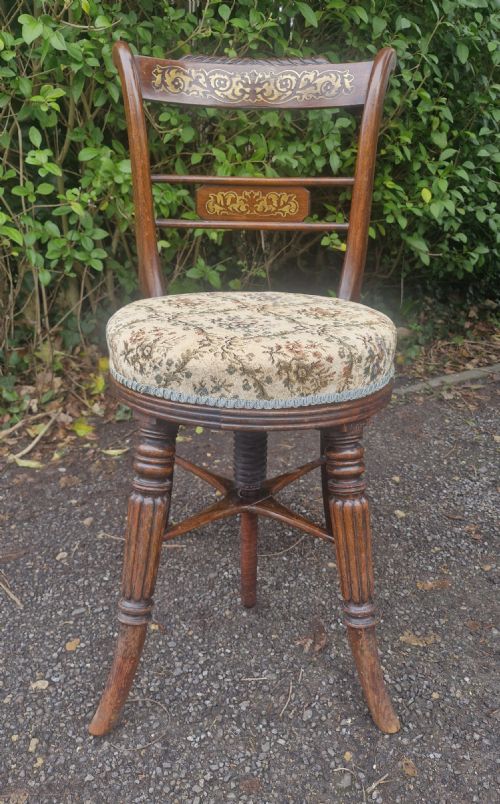
When you search for an upholstered piano chair, you encounter a specialised form of seating created for keyboard players during the nineteenth and early twentieth centuries. These pieces appear in various configurations, including revolving stools, rise and fall mechanisms, and chairs with backs designed for posture.
The selections available span the Victorian and Edwardian eras, alongside earlier Regency and Georgian influences, featuring robust timbers like mahogany, rosewood, and walnut. Many examples double as dressing table stools, reflecting the dual purpose these compact seats served in period homes.
Makers utilised diverse aesthetic approaches, from Sheraton Revival inlay and Victorian Rococo curves to clean Art Deco lines and Arts & Crafts simplicity. Understanding these distinct origins helps identify the specific period and regional style of each music seat.
Construction and Materials
Cabinet makers constructed these seats primarily using dense hardwoods such as mahogany, walnut, and rosewood, often enhanced with brass fittings, inlay, or gilt painted details. Timber frames provided the necessary structural rigidity to support internal adjustment mechanisms.
Upholstery materials included velvet, needle point, leather, fabric, and tweed linen, secured over padded seats for player comfort during long practice sessions. Mechanical components like screw tops and swivel pivots relied on robust metal engineering to allow height adjustment.
Listings feature eighteenth, nineteenth, and twentieth century eras, predominantly utilising mahogany, walnut, rosewood, brass, and diverse upholstery textiles.
Assessing Quality and Execution
Quality in a music seat rests upon the precision of the mechanical adjustment mechanism and the integrity of the timber frame. Fine examples exhibit smooth rise and fall action, secure revolving screw tops, and well-executed joinery without loose joints.
The choice of primary wood and decorative elements further distinguishes standard production from superior pieces. Finely figured rosewood or mahogany, intricate brass inlay, and sophisticated carved details like cabriole legs mark out the finer tiers of craftsmanship.
James Shoolbred
The Upholstered Piano Chair Glossary
- Rise and fall
- A mechanical seating adjustment system that alters the height of the seat via a central screw thread or threaded column. This allows the player to set the optimal seating position relative to the keyboard.
- Revolving piano stool
- A music seat featuring a top that spins fully on a central spindle or pivot. It permits easy movement and access for the musician.
- Music chair
- A seating form equipped with a supportive backrest, differing from the standard backless stool. These provide additional posture support during long playing sessions.
- Sheraton Revival
- A late nineteenth and early twentieth century design style inspired by late eighteenth century neoclassical furniture. It typically incorporates satinwood, delicate inlay, and classical proportions.
- Cabriole leg
- A furniture leg that curves outward at the knee and tapers inward toward the foot, mimicking animal limbs. This form is common on quality Victorian and Georgian seating.
Upholstered Piano Chair: Frequently Asked Questions
How do I adjust the height?
Many period music seats utilise a central screw mechanism operated by rotating the upholstered top clockwise or anticlockwise. Other examples employ rise and fall ratchets or swivel mechanisms to achieve the desired seating level.
Ensuring the internal metal screw or wooden thread remains lubricated and clean helps maintain smooth operation without straining the surrounding timber frame.
Were these only used for pianos?
While primarily designed for keyboard instruments like pianos and harps, these compact seats often served multi-purpose roles in period interiors. Many examples function equally well as dressing table stools or small accent chairs in parlours and bedrooms.
Their small footprint and decorative frames made them versatile additions to nineteenth century domestic spaces beyond the music room.
How can I tell Victorian from Edwardian pieces?
Victorian examples frequently display heavier timber construction, darker patination, and ornate details such as rosewood veneers, needle point upholstery, and carved cabriole legs. Edwardian pieces often present lighter mahogany frames, subtle string inlay, and simpler structural silhouettes reflecting changing aesthetic tastes.
Examining the secondary woods, upholstery webbing, and fastener types helps confirm the manufacturing era of each individual seat.
Can I use modern fabric for reupholstery?
Selecting appropriate textiles depends on the desired balance between historical accuracy and contemporary interior integration. Many collectors prefer traditional fabrics such as velvet, leather, or patterned needle point to match the original aesthetic of the period.
Consulting a professional upholsterer ensures the internal padding and traditional tacking methods are preserved while accommodating new outer coverings.