

Upholstered Chair with Castors
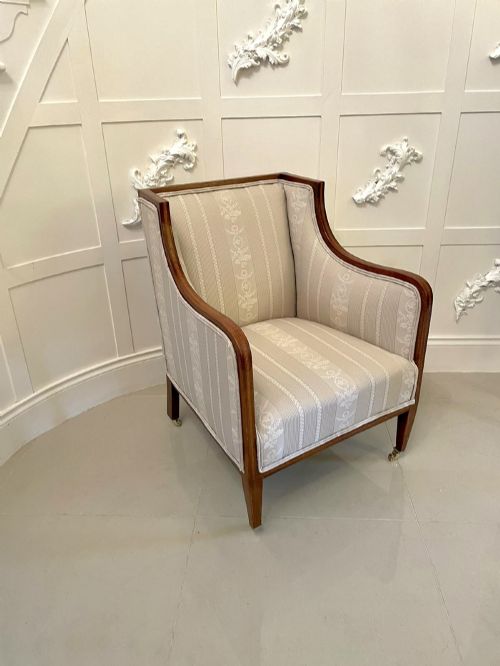
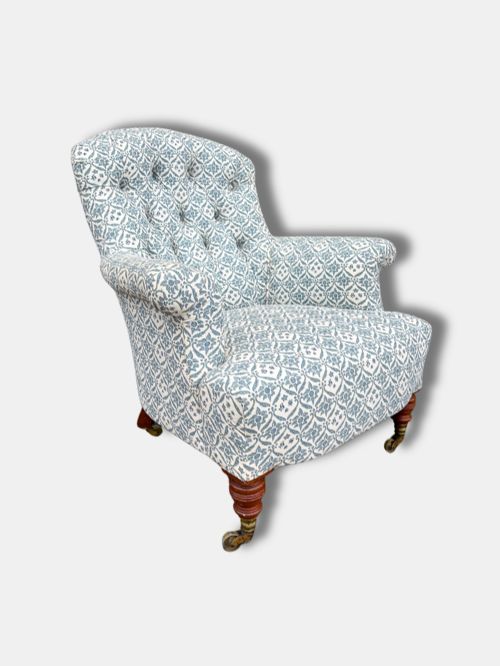
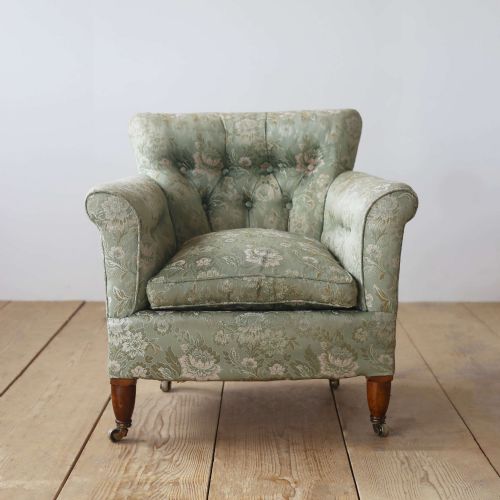
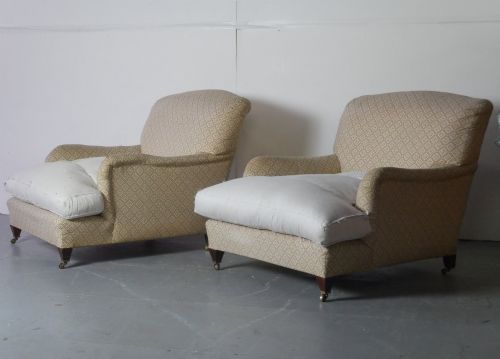
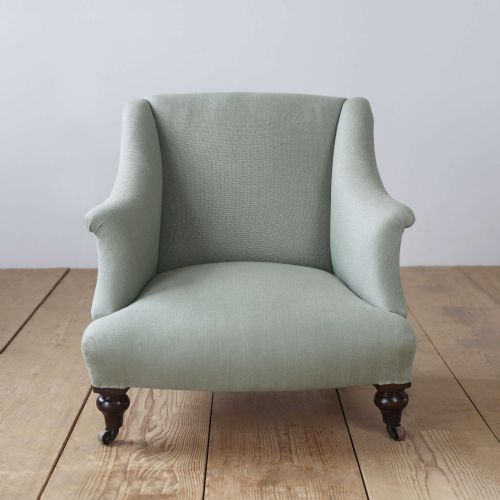
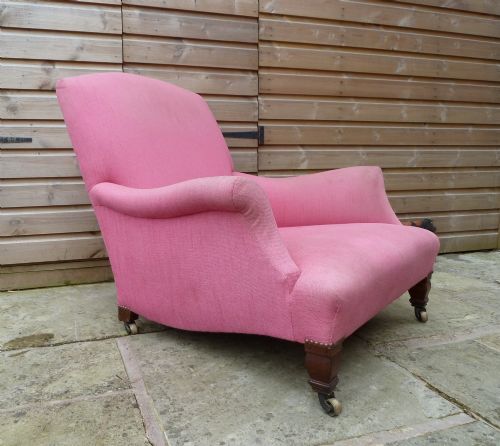
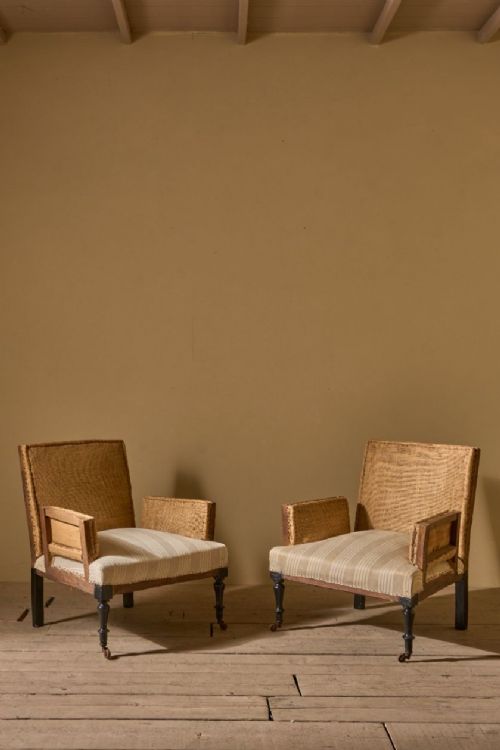
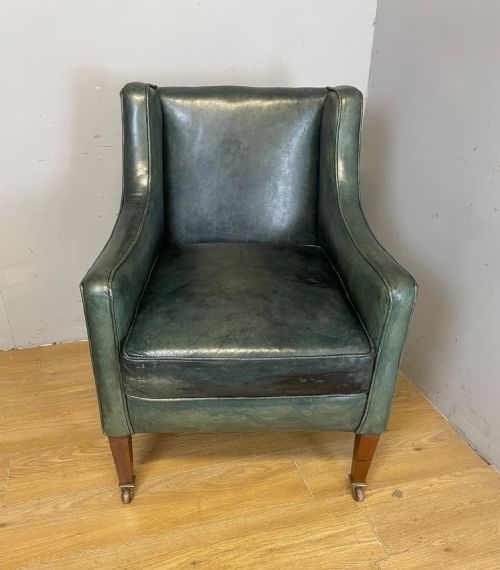
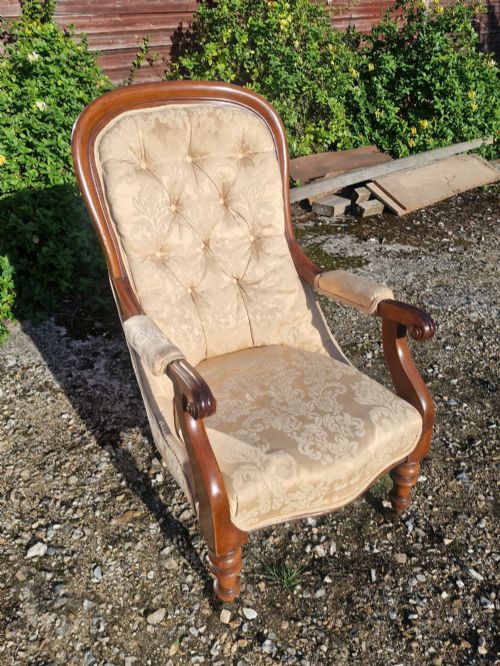
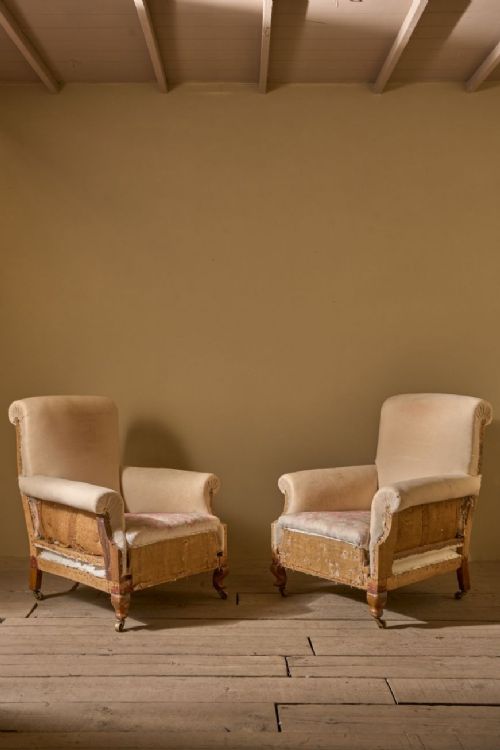
These upholstered chairs with castors combine deep padding with mobile brass supports, spanning the Regency, Victorian and Edwardian eras.
Upholstered Chair with Castors
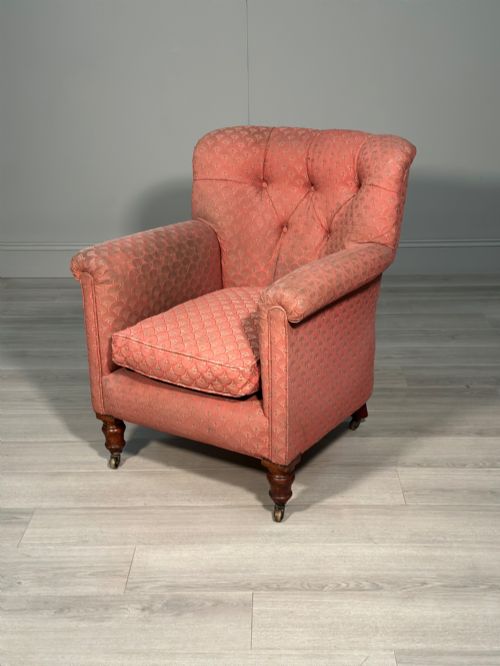
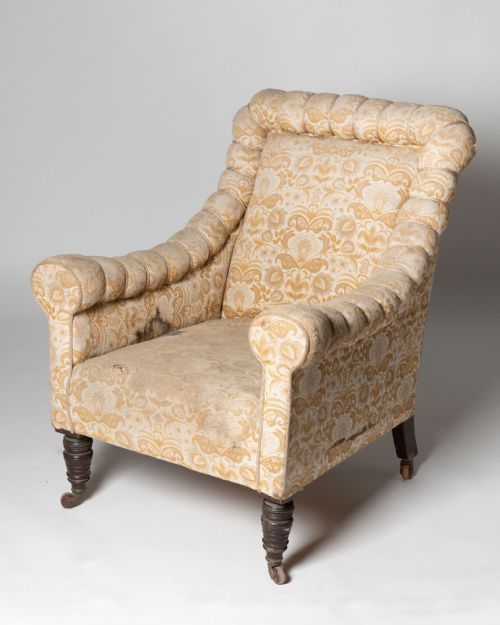
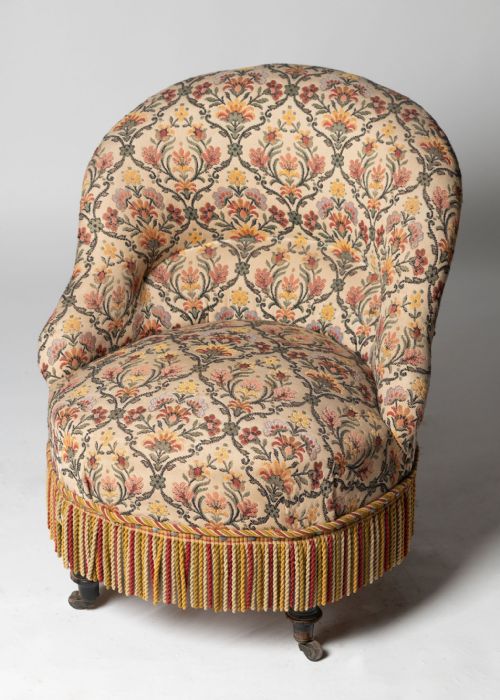
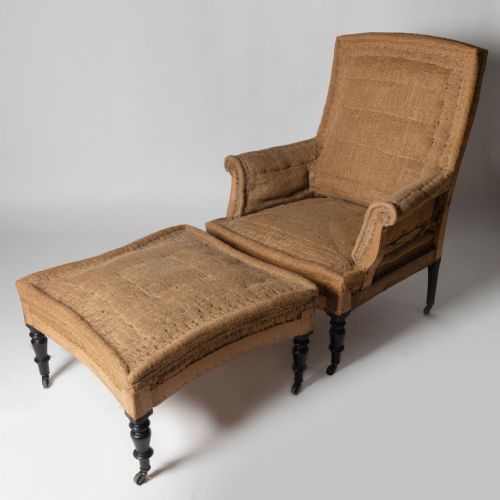
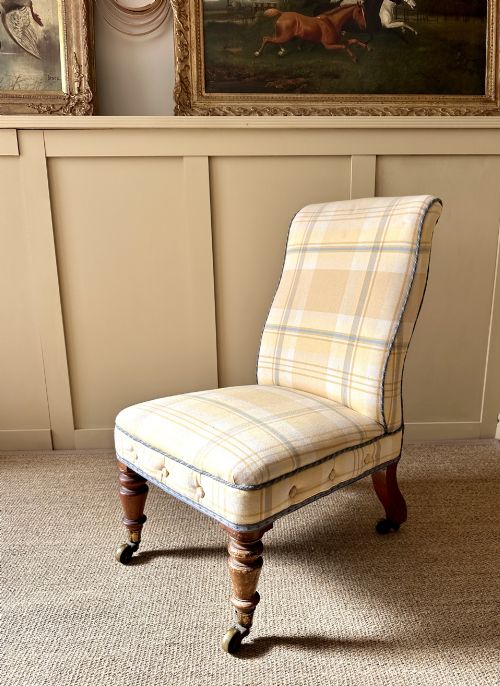
When you search for an upholstered chair with castors, you encounter a wide selection of seating forms designed for comfort and mobility across domestic interiors. The evidence shows that these pieces appear most frequently as Victorian and Edwardian armchairs, alongside dining chairs, slipper chairs, bedroom chairs and chaise longues.
The selection ranges from George III and Regency library chairs to late nineteenth-century Howard & Sons styles and Art Deco slipper chairs. Buyers meet diverse seating arrangements, from individual fireside armchairs to large sets of dining chairs fitted with brass and wood castors.
Materials and construction
Frames are built from hardwoods such as mahogany, walnut, oak, satinwood and birds eye maple, providing sturdy structural support for heavy padding. Joinery and carved elements reflect regional workshop practices and specific period aesthetics like the Aesthetic Movement and Victorian Rococo Revival.
Upholstery relies on traditional fabrics including velvet, cotton, linen, leather, tapestry, needlework and specialty prints like William Morris cotton. Brass castors are fitted to the base of the legs to allow smooth movement across carpets and floorboards.
Upholstered Chair with Castors Retail Price Guide 2026
Typical asking prices for upholstered chair with castors among the pieces listed under this phrase on Sellingantiques today, from the lower quarter to the upper quarter. They describe what is for sale here now, not the wider market.
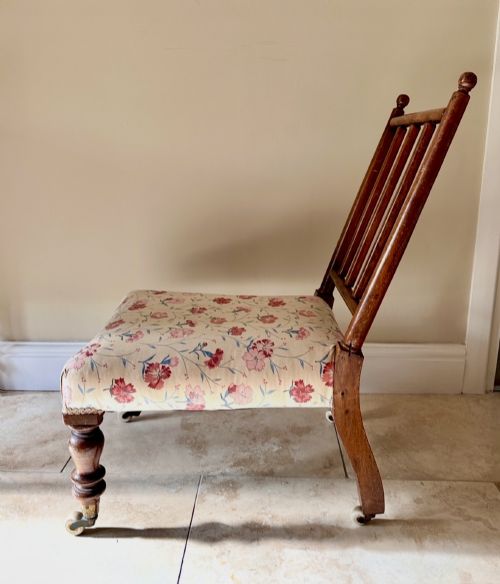
Some Victorian bedroom chairs sit so low to the floor they were affectionately designed for putting on shoes without tumbling over.
Evaluating quality and execution
Quality rests in the integrity of the hardwood frame, the precision of the joinery and the authenticity of the maker's stamp or signature. Superior examples exhibit refined carving on showwood elements, balanced proportions and original brass castors secured firmly to the legs.
The standard of upholstery work and the choice of covering material greatly influence the character of the piece. Fine antique seating retains its structural rigidity while supporting comfortable, supportive padding beneath historical or complementary replacement textiles.
Howard & Sons·James Shoolbred·Maple & Co·J. Mills
The Upholstered Chair with Castors Glossary
- Castor
- A small wheel mounted on a swivel assembly attached to the bottom of a furniture leg. It allows heavy chairs to be repositioned easily across a room.
- Button back
- An upholstery technique where indentations are formed in deep padding by pulling threads tightly through the fabric and securing them to the frame. This method creates a patterned tufted surface.
- Bergere
- An enclosed upholstered armchair with wooden frames where the sides are filled with cane or fabric. These seats originated in France and appeared in British Regency interiors.
- Showwood
- Timber framework left visible around the upholstered portions of a chair. It highlights the grain of mahogany, walnut or oak.
- Slipper chair
- A low-seated upholstered chair traditionally used in bedrooms for dressing. The shortened legs place the seat closer to the floor.
Upholstered Chair with Castors: Frequently Asked Questions
How do I identify a Howard style armchair?
Howard style armchairs are typically recognised by their deep, sprung seats, low profiles and generous proportions designed for comfort. Look for makers' marks, stamps on the castors and traditional ticking undercovers.
Original pieces often feature specific tapered wooden legs resting on brass castors, combined with flared arms and structured button back or loose cushion configurations.
Were these chairs originally made with castors?
Castors were added to many nineteenth-century armchairs, dining chairs and library chairs to facilitate movement across heavy carpets. Brass castors on turned front legs are characteristic of Victorian bedroom and drawing room seating.
Checking the fixture points reveals whether the castors are original to the frame or later additions fitted during restoration.
How do I care for antique upholstery?
Protect antique velvet, cotton, leather and tapestry fabrics by keeping them away from direct sunlight and heat sources. Regular gentle vacuuming with a soft brush attachment removes dust from deep crevices and button tufts.
Professional cleaning is recommended for delicate needlework and antique textiles to preserve the integrity of the original fibres.