


Upholstered Bed
An upholstered antique bed brings softness and historic character to a bedroom, uniting timber frames with rich textiles.
Upholstered Bed
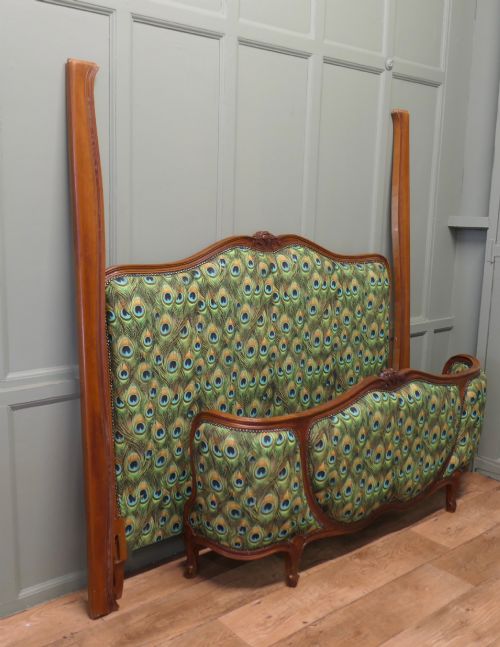
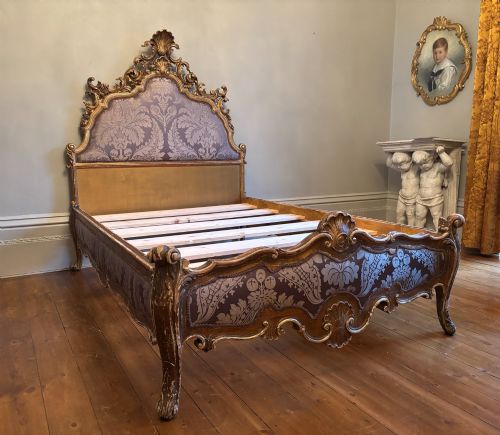
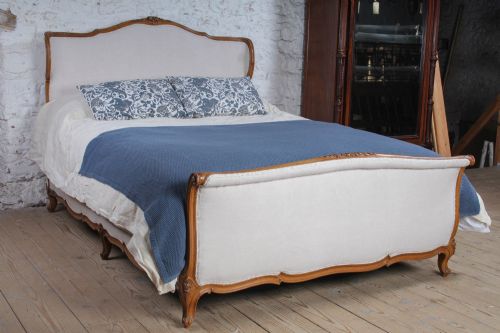
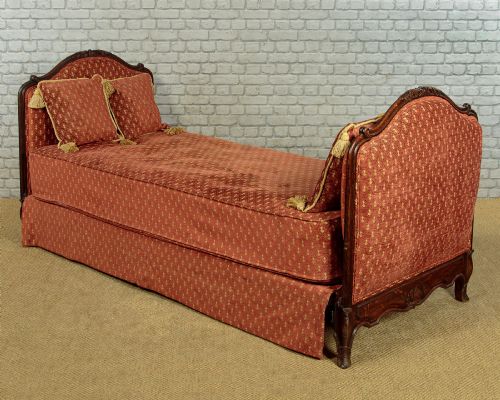
When you search for an upholstered antique bed, you encounter a mix of French and English designs spanning the nineteenth and early twentieth centuries. These pieces encompass stately French double and king-size frames, low-end beds, and dramatic lit bateau styles alongside versatile daybeds.
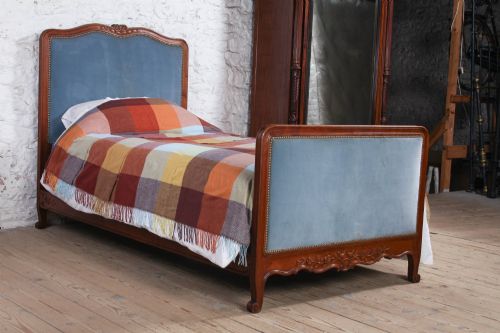
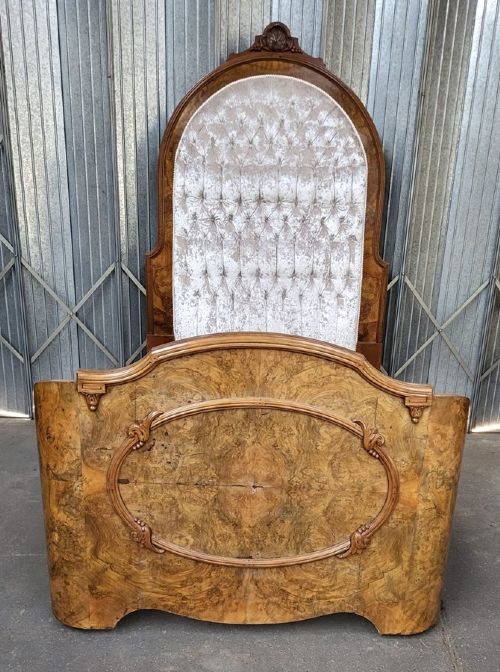
The material evidence on this page reveals significant variety in period construction, drawing heavily from Victorian, Edwardian, and Regency eras. Many examples incorporate painted wood, walnut, or mahogany framing paired with buttoned fabric, velvet, or ticking upholstery.
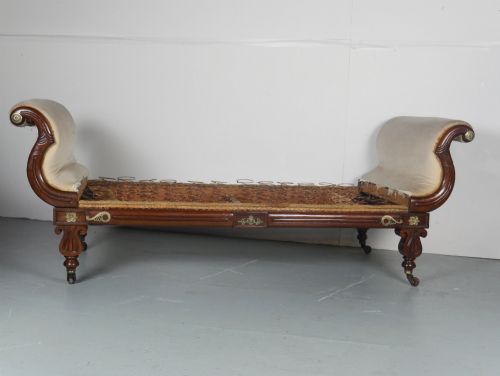
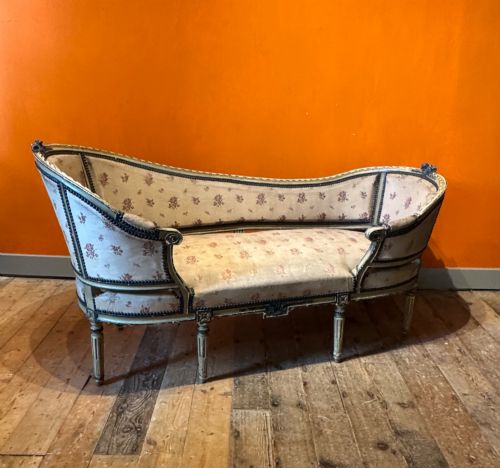
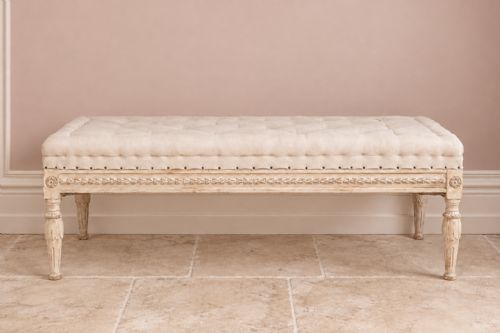
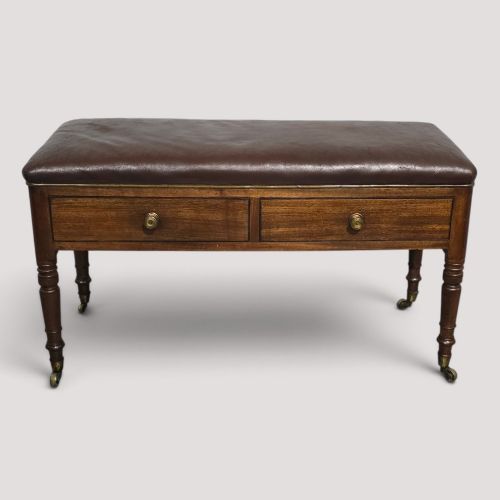
Alongside complete beds, the selection includes related seating and canopy structures such as chaise longues, window stools, and ciels de lit. French provincial and Louis XVI styles dominate the aesthetic, offering curved woodwork and integrated textile panels.
Materials and Construction Techniques
Cabinet makers and joiners built these frames using traditional hardwoods like mahogany, walnut, oak, and rosewood, alongside pine and cast iron for structural support. Painted and giltwood finishes appear frequently on continental frames, often applied over carved mouldings and shaped wooden panels.
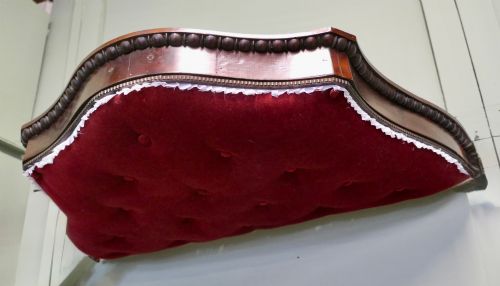
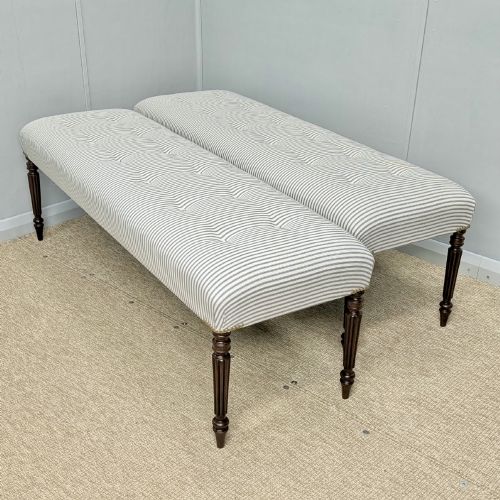
Upholstery techniques rely on traditional stuffing and buttoning methods, securing textiles such as velvet, ticking, and patterned fabric directly to the headboards or accompanying long stools. Skilled joinery underpins the wooden framework, ensuring stability across large double and kingsize proportions.
Upholstered Bed Retail Price Guide 2026
Typical asking prices for upholstered bed among the pieces listed under this phrase on Sellingantiques today, from the lower quarter to the upper quarter. They describe what is for sale here now, not the wider market.
Bobbin daybeds bring wonderfully tactile, spool-turned wooden legs to afternoon naps.
Assessing Craftsmanship and Condition
The distinction between standard and superior pieces rests on the depth of hand-carving in the wooden frame and the integrity of the original structure. Fine examples display crisp moulding details on walnut, mahogany, or giltwood without modern replacement sections compromising the joinery.
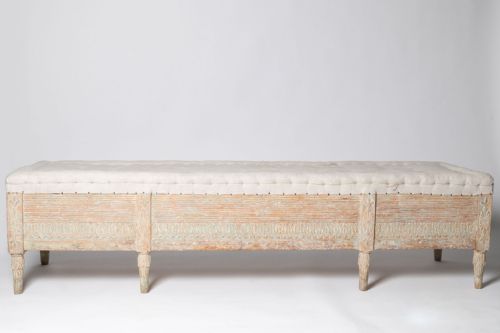
Upholstery execution dictates much of the visual appeal, where precise buttoning and high-grade fabric choices elevate the piece. Original paint or surface patina preserved on French provincial and Gustavian frames further distinguishes the finest examples from heavily restored alternatives.
H. Goodall & Sons
The Upholstered Bed Glossary
- Lit bateau
- A traditional French bed style featuring curved, sweeping headboards and footboards resembling a boat. This form gained popularity during the nineteenth century.
- Duchesse brisee
- A two- or three-part chaise longue comprising an armchair and a stool, or two chairs facing each other with an ottoman between them. It is designed for reclining in domestic interiors.
- Ciel de lit
- A suspended bed canopy or corona framing the upper portion of a bed. These fabric fixtures add vertical drama to historical sleeping quarters.
- Bobbin day bed
- A daybed featuring turned spool or bobbin-shaped woodwork along the frame and legs. This decorative turning technique appears frequently on nineteenth-century pieces.
- Giltwood
- Wood that has been coated with a thin layer of gold leaf. It is characteristic of ornate French period furniture.
Upholstered Bed: Frequently Asked Questions
How do I fit modern mattresses to antique beds?
Many nineteenth-century frames were built to historical sizing conventions that differ from standard contemporary mattress dimensions. Sourcing a bespoke mattress or adjusting the internal slats allows these historic frames to accommodate modern sleep standards safely.
Consulting your dealer regarding internal rail dimensions ensures your chosen mattress rests securely within the upholstered headboard and footboard constraints.
What is the difference between a daybed and a regular bed?
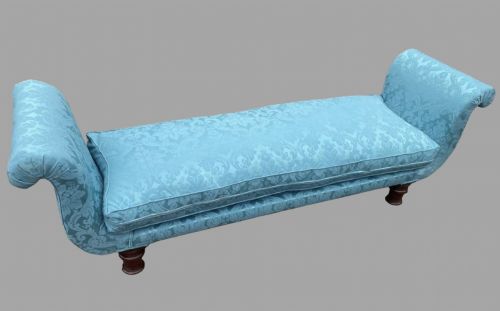
Daybeds are designed primarily for lounging and daytime resting, functioning as both a seating bench and a secondary sleeping platform. They typically feature a raised backrest or curved ends rather than a full enclosed headboard and footboard.
These versatile pieces suit studies, garden rooms, and large living spaces where a full bed frame would overwhelm the room layout.
How should I care for antique upholstery fabrics?
Preserving delicate textiles like velvet, silk, or ticking requires regular gentle vacuuming with a soft brush attachment to remove dust. Avoiding direct sunlight prevents the colours from fading and protects the underlying fibres from premature degradation.
Professional textile conservation cleaning is recommended for antique upholstered panels to maintain the integrity of historic stuffing and buttoning.
Are painted wooden frames original?
Many continental pieces feature painted or limed finishes applied during the nineteenth or early twentieth centuries. Examining the surface for wear patterns, craquelure, and underlying wood preparation helps determine whether the paint is original to the piece.
Original painted surfaces on French and Gustavian frames command strong interest from collectors seeking authentic period character.