

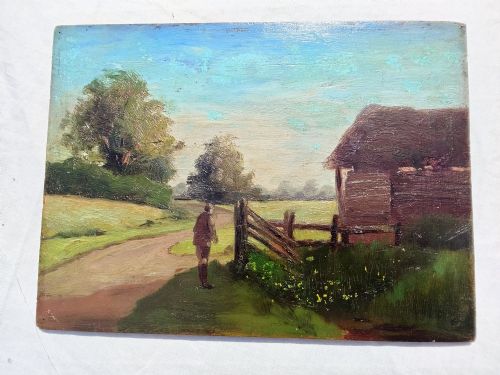
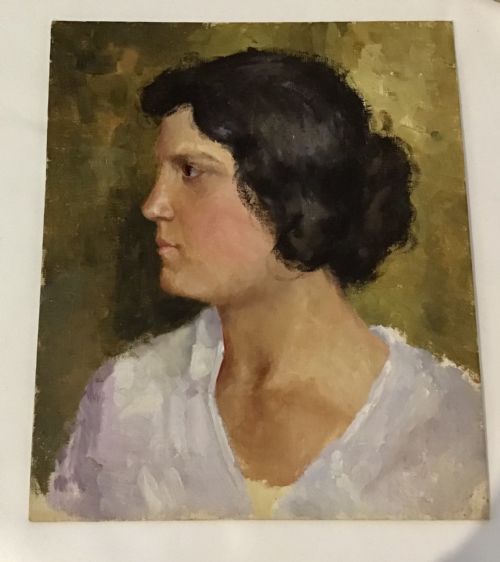
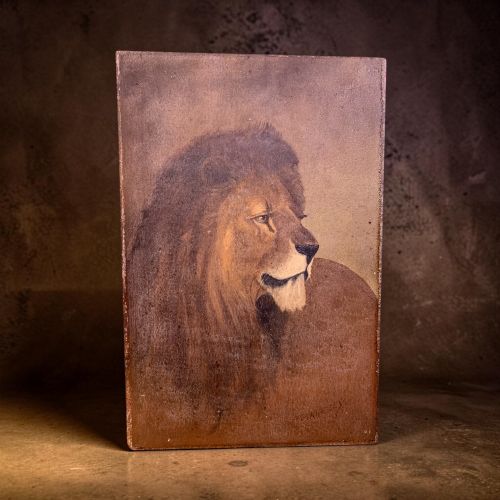


Unframed Oil Painting
An unframed oil painting brings raw texture and direct brushwork straight to the wall, stripped of heavy wooden surrounds.
Unframed Oil Painting
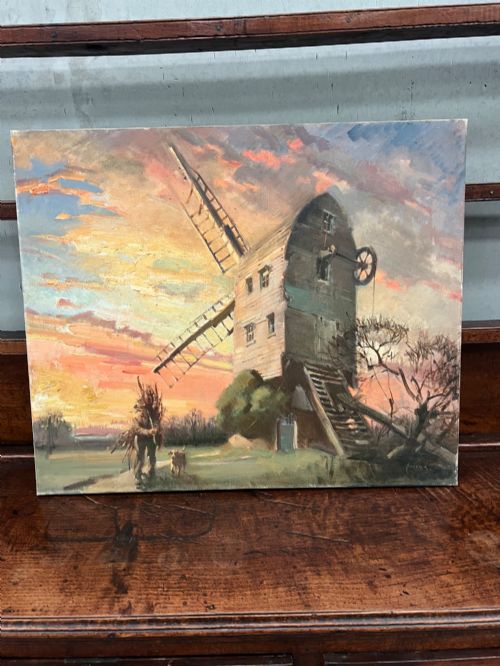
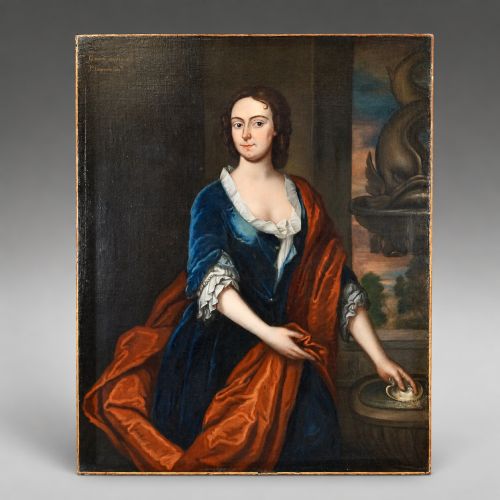
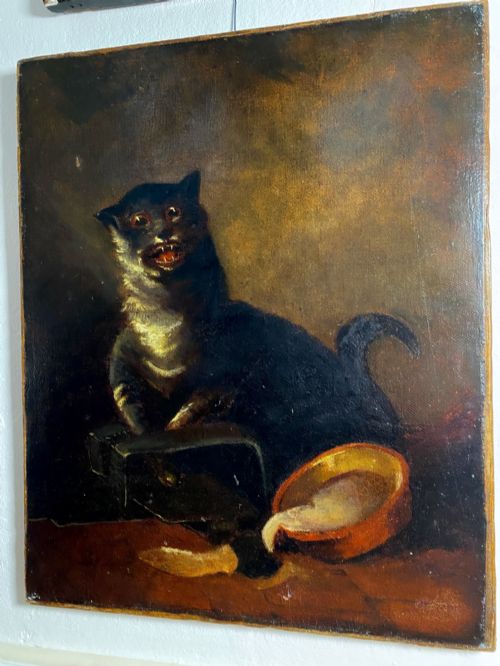
When you search for an unframed oil painting, you encounter works spanning from the eighteenth century to the mid-century, capturing everything from quiet landscapes to naive animal studies. These pieces arrive straight on their original supports without decorative borders, revealing the raw edges of canvas and board.
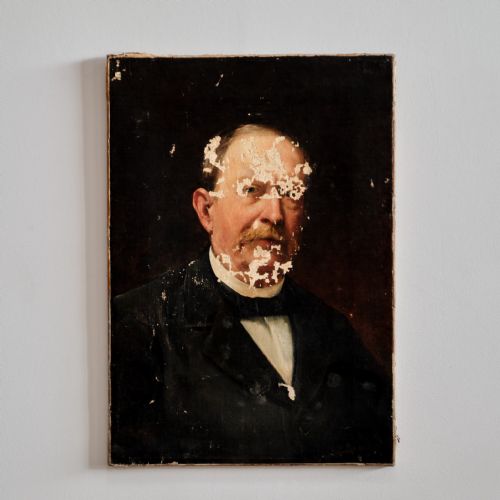
The selections on this page range from early nineteenth-century rustic farmyard scenes to mid-century surrealist canvases and Spanish still-life oil studies. English school landscapes, Italian portraits, and folk art lions appear alongside military portraits and equestrian subjects, offering diverse visual narratives.
You are most likely to meet canvases and wooden boards that have spent generations without glass or frames, bearing the marks of their handling over the decades. These works allow a direct encounter with the artist's surface, showing stretcher marks, tack holes, and unvarnished edges.
Materials and methods
Artists painted these works using oil paint applied directly onto stretched canvas, wooden boards, or loose canvas supports. The medium allows rich build-ups of pigment that retain the distinct movement of the brush and palette knife.
Supports vary between rigid wood boards and woven fabric canvases, some secured to period wooden stretchers while others remain as flexible sheets. These materials determine how the surface ages, showing characteristic craquelure in the oil layers and natural toning in the backing.
Unframed Oil Painting Retail Price Guide 2026
Typical asking prices for unframed oil painting among the pieces listed under this phrase on Sellingantiques today, from the lower quarter to the upper quarter. They describe what is for sale here now, not the wider market.
The selection includes works executed on canvas, wood board, and loose canvas across the 18th, 19th, and 20th centuries.
Judging quality
Quality rests upon the confidence of the brushwork and the clarity of the composition, distinguishing casual output from skilled execution. A masterly hand conveys form and atmosphere swiftly, whether in a detailed military portrait or a naive folk art animal.
The integrity of the painted surface and the character of the support dictate the standing of a piece. Works displaying stable oil layers and expressive handling hold greater visual authority than those with heavy, unsympathetic overpaint.
The Unframed Oil Painting Glossary
- Canvas
- A heavy woven fabric stretched across a wooden frame to serve as a painting support. It provides a slightly flexible surface that responds to atmospheric changes.
- Board
- A rigid wooden or composite panel used instead of canvas for painting. These sturdy supports often show the grain of the wood or preparatory gesso grounds.
- Craquelure
- The fine network of tiny cracks that develops across an ageing oil paint film as it hardens over centuries. This network offers evidence of material age.
- Naive Art
- Artwork created by an artist without formal academic training, often characterised by a charming disregard for strict perspective. These pieces rely instead on strong outlines and direct observation.
- Stretcher
- The wooden frame at the rear that holds a canvas taut. Period stretchers use traditional corner joints and hand-cut wooden pegs.
Unframed Oil Painting: Frequently Asked Questions
Why buy an unframed oil painting?
An unframed oil painting displays the true edges of the canvas and the honest structure of the support without decorative distraction.
Buyers often choose this presentation to place a work into a modern setting or to select a bespoke frame of their own choosing.
How do I hang a canvas without a frame?
Canvases on original stretchers can be hung directly from sturdy wall hooks using the wooden edge or integrated hanging wire.
Boards require careful assessment of the panel weight and suitable mounting hardware attached securely to the back.
How do I date an oil painting?
Dating relies on examining the preparation of the canvas, the construction of the wooden stretcher, and the chemical composition of the oil pigments.
Subject matter, costume details, and stylistic markers also help place a work within periods like the Victorian era or mid-century.
How do I clean an unframed painting?
Dust accumulation should be removed gently using a very soft, dry brush without applying moisture or household cleaners.
Active conservation and deeper cleaning require professional handling to protect vulnerable oil layers and exposed canvas edges.