

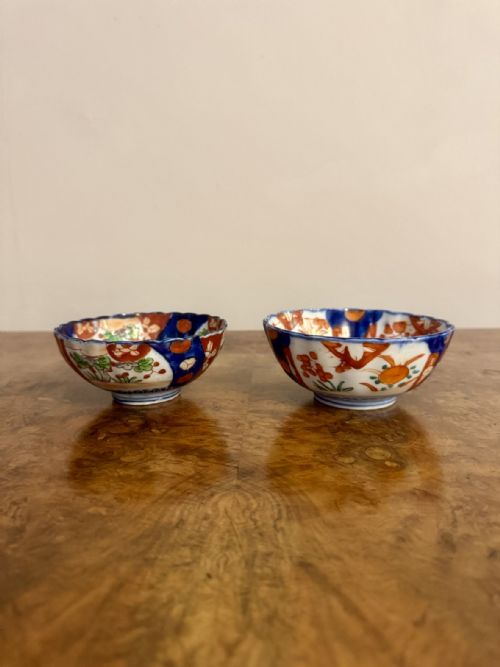


Underglaze Cobalt Blue Bowl
An underglaze cobalt blue bowl is a ceramic vessel decorated with mineral pigment beneath a clear glaze, prized for deep blue tones that endure centuries.
Underglaze Cobalt Blue Bowl
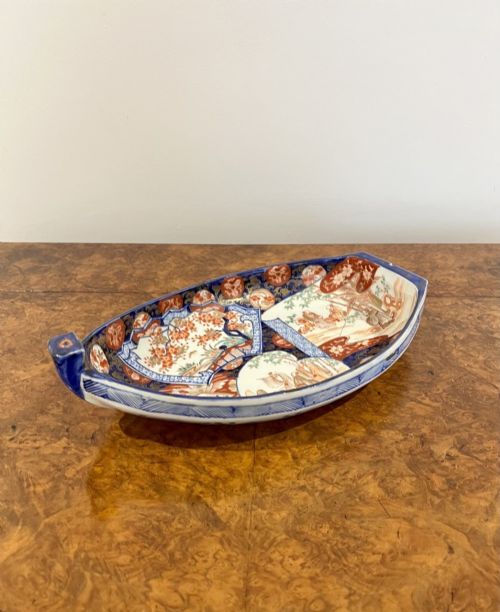
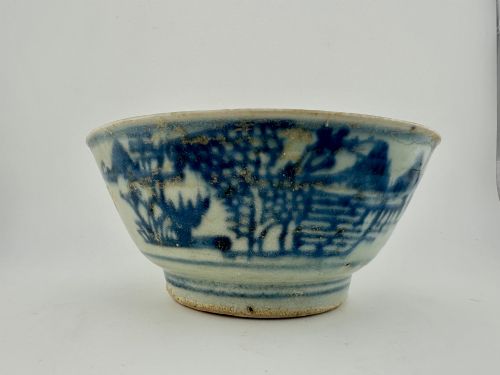
An underglaze cobalt blue bowl is a ceramic vessel painted with cobalt pigment before firing and glazing, sealing the colour beneath a glossy protective layer. You will most frequently meet pieces originating from Chinese Qing and Ming dynasties alongside Japanese Arita and Imari traditions.
The selection ranges from large ceremonial punch bowls to small domestic cups and specialised brush washers. These pieces span multiple centuries, touching seventeenth-century cargo recoveries and eighteenth-century imperial styles.
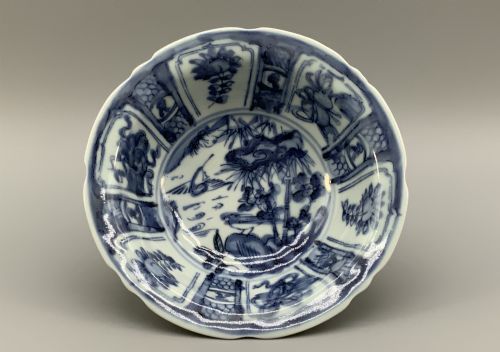
Form varies from lobed and scalloped edges to deep saucer-dishes and standard rounded bowls. Each specimen reflects the specific kiln traditions and domestic or export markets of its origin.
How they were made
Potters painted cobalt pigment directly onto the raw porcelain or ceramic body before applying a transparent glaze and firing the piece at high temperatures. This underglaze technique fuses the blue design permanently into the body, preventing the pigment from wearing down through handling.
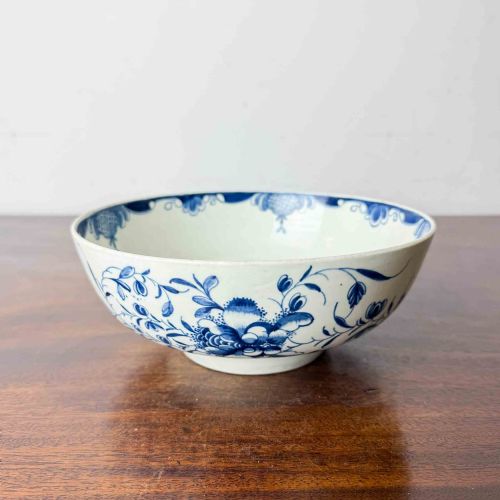
Makers shaped porcelain and soft-paste porcelain on the wheel or pressed clay into moulds, creating balanced walls suited for high-heat kilns. Artisans then layered cobalt oxide beneath clear glaze to achieve the characteristic rich blue and white contrast.
Underglaze Cobalt Blue Bowl Retail Price Guide 2026
Typical asking prices for underglaze cobalt blue bowl among the pieces listed under this phrase on Sellingantiques today, from the lower quarter to the upper quarter. They describe what is for sale here now, not the wider market.
Listings feature porcelain, ceramic, and soft-paste porcelain decorated with cobalt glaze, pigment, and enamel across the seventeenth, eighteenth, and nineteenth centuries.
What varies in quality
Quality rests upon the purity of the cobalt pigment and the precision of the brushwork applied to the ceramic body. Finer examples display deep, luminous blue tones with sharp outlines, whereas lesser pieces show blurred pigment bleeding into the surrounding glaze.
The refinement of the porcelain paste and the control exercised inside the kiln dictate the structural integrity and finish of the vessel. Superior specimens maintain clean glazes free from excessive bubbling, distortion, or firing imperfections.
The Underglaze Cobalt Blue Bowl Glossary
- Underglaze
- Pigment applied to a ceramic body before it is glazed and fired. This method protects the painted design beneath a glassy layer.
- Cobalt pigment
- A mineral oxide used to create deep blue coloration on ceramics. It withstands the extreme heat required to fire porcelain.
- Soft-paste porcelain
- A ceramic material composed of clay and glass frit, fired at lower temperatures than true hard-paste porcelain. It produces a slightly warmer texture.
- Brush washer
- A vessel used in traditional scholarly studies for cleaning painting brushes. These water containers often double as decorative display pieces.
- Imari
- Japanese export porcelain decorated in underglaze blue, iron red, and gilt. Production centred on the town of Arita during the Edo period.
Underglaze Cobalt Blue Bowl: Frequently Asked Questions
How do I care for an antique bowl?
Wash porcelain pieces gently by hand using warm water and mild soap when cleaning is necessary. Avoid harsh scouring pads and dishwashers to protect the historic glaze and pigment.
Keep ceramic vessels away from sudden temperature shifts and direct sunlight to prevent stress on the antique material. Display them on stable, flat surfaces where accidental knocks are minimised.
What is the difference between Chinese and Japanese bowls?
Chinese pieces often feature cobalt blue designs under clear glazes depicting imperial dragons, floral motifs, or symbolic figures. They frequently draw upon dynasties like the Ming and Qing.
Japanese variations, such as Arita and Imari wares, incorporate distinct regional palettes, sometimes combining underglaze blue with iron red and gilt. Their forms often emphasise scalloped edges and asymmetrical compositions.
Can I use these bowls for serving food?
Historic ceramics with centuries of age are best reserved for display rather than daily culinary use. The structural integrity of aged porcelain can be compromised by modern acidic foods and heavy cutlery.
Displaying these vessels safely allows you to appreciate their craftsmanship without risking thermal shock or physical impact. Enjoy them as decorative focal points in your interior space.
How are periods and dates identified on bowls?
Dating relies on stylistic clues, including the composition of the cobalt pigment, brushwork execution, and kiln-firing characteristics. Certain pieces carry reign marks or reflect specific dynasty aesthetics.
Comparing potting techniques, glaze thickness, and form to documented examples helps establish the likely era of manufacture. Consultation with historical material records narrows the timeframe of production.