


Underglaze Blue Porcelain Jar
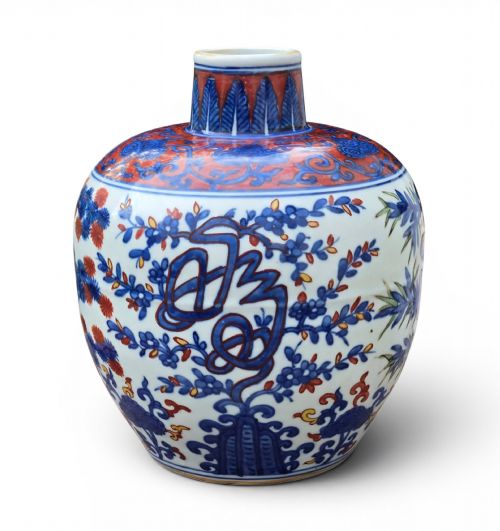
An underglaze blue porcelain jar brings centuries of cobalt pigment artistry into a room, offering both traditional form and lasting decorative weight.
Underglaze Blue Porcelain Jar
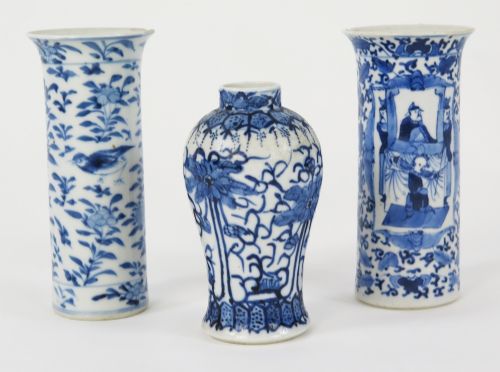
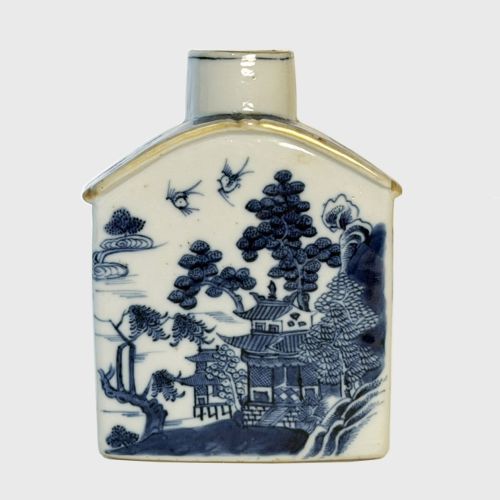
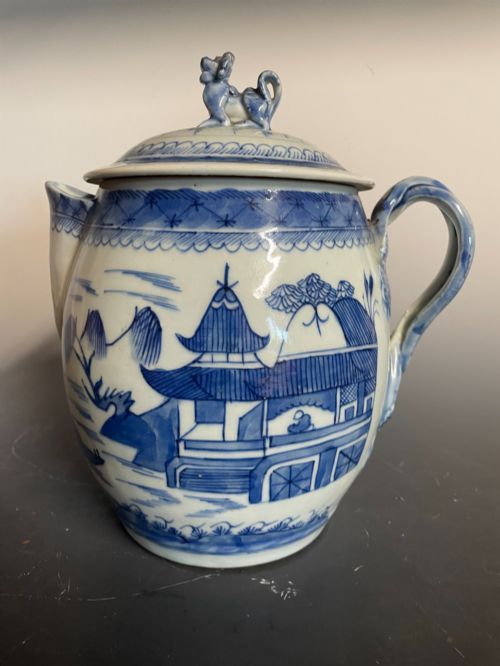
An underglaze blue porcelain jar represents a lineage of ceramic vessels spanning the sixteenth to the early twentieth centuries, encompassing Chinese Qing dynasty pieces, Japanese Imari wares, and English eighteenth-century productions. These objects take forms such as ginger jars, double-gourd vases, kamcheng jars, and tea canisters, originating from diverse periods like the Kangxi and Guangxu eras.
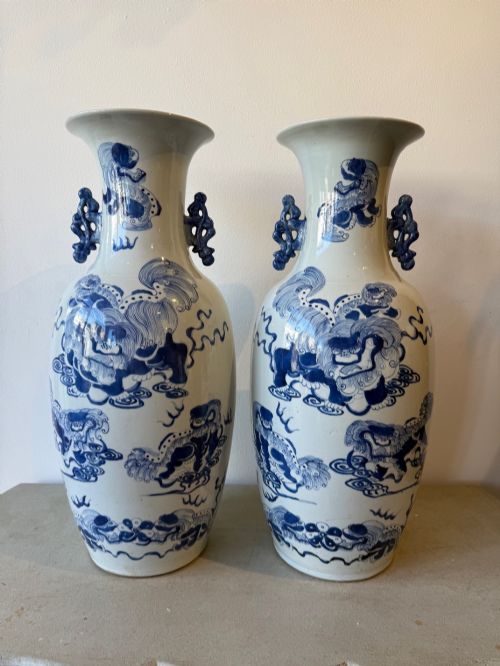
The pieces most frequently met on this page date from the nineteenth century, drawing on Chinese export traditions and Japanese Meiji period outputs. Buyers encounter both utilitarian vessels and decorative objects, ranging from small opium pots to large pairs of baluster or bottle vases.
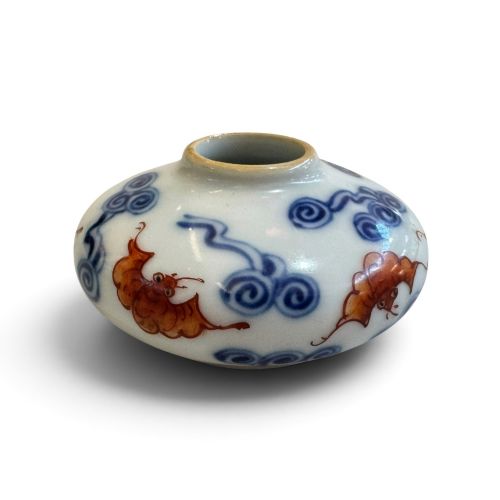
Collector interest centres on the specific period markers, such as apocryphal Kangxi marks or Qianlong seal marks, alongside the integration of cobalt blue with iron-red, enamel, or gold leaf. The survival of original covers or lids often distinguishes a complete jar from a vase adaptation.
Materials and construction
These vessels are built from fine ceramic clay and hard-paste porcelain, painted with cobalt pigment before receiving a clear protective glaze and entering the kiln. The high-temperature firing fuses the cobalt underglaze into the body, producing the characteristic deep blue hue.
Secondary ornamentation occasionally includes enamel colours, iron-red accents, and gold leaf applied over or alongside the primary cobalt design. Transitional pieces combine this blue and white foundation with wucai enamel palettes featuring yellow and green highlights.
Japanese and Chinese workshops utilised wheel-throwing and mould-forming techniques to shape double-gourd profiles, hexagonal bodies, and straight-sided tea caddies. The precision of the potting determines the symmetry and wall thickness of each vessel.
The inventory includes diverse object types such as tea caddies, opium pots, double-gourd vases, and ginger jars from Chinese and Japanese traditions.
Quality variations in underglaze blue porcelain jars
The clarity and depth of the cobalt pigment dictate visual success, ranging from a vibrant, painterly sapphire tone to a grey or muddy wash. Precision in brushwork during the underglaze painting stage separates mass-produced export wares from pieces executed by skilled hands.
The smoothness of the porcelain body and the absence of firing distortions or excessive kiln grit mark the distinction between standard commercial output and fine imperial or exhibition pieces. Glaze consistency, particularly the absence of excessive pitting or pooling, reveals the mastery of the potter.
The preservation of form, including intact rims and matching covers on lidded jars, preserves the integrity of the object. Subtleties in secondary details, such as underglaze red highlights or gold leaf integration, elevate the refinement of the design.
The Underglaze Blue Porcelain Jar Glossary
- Underglaze blue
- A decorative technique where cobalt pigment is painted directly onto the unglazed porcelain body before a transparent glaze is applied and fired at high temperature. This method protects the blue pigment beneath the glassy surface for lasting durability.
- Ginger jar
- A high-shouldered ceramic vessel with a wide mouth, originally used in China for storing spices and preserves. Collectors now prize them for their balanced proportions and classic decorative schemes.
- Kamcheng
- A traditional lidded porcelain jar originating from Chinese export kilns, often decorated in underglaze blue and used for food or medicinal storage. They possess sturdy forms and distinct cover profiles.
- Imari
- A Japanese porcelain style characterised by underglaze blue and iron-red designs, frequently enriched with gold leaf. Production centred on the town of Arita for both domestic use and export markets.
- Double-gourd
- A ceramic vase form shaped like two stacked spheres, symbolising prosperity and auspicious fortune in East Asian traditions. The constricted waist requires careful potting skill to maintain structural stability.
- First Period Worcester
- The initial phase of English porcelain production at the Worcester factory, spanning from the mid-eighteenth century. Pieces from this era often imitated Chinese blue and white export designs.
Underglaze Blue Porcelain Jar: Frequently Asked Questions
How were these jars originally used?
These vessels served practical storage roles for tea, ginger, dry goods, or medicinal substances in Asian and European households. Many functioned as dry containers before transitioning into ornamental display pieces.
Over time, larger jars and pots gained status as decorative interior furnishings, displayed on mantelpieces or architectural ledges to showcase wealth and taste.
How do I care for antique porcelain?
Dust the surface gently with a soft, dry cloth and avoid using harsh chemical cleaners or abrasive scouring pads. Keep the pieces away from direct sunlight and areas prone to sudden temperature changes.
Wash the porcelain by hand in lukewarm water using mild soap only when necessary, ensuring any unglazed foot ring dries completely.
What does a Kangxi mark mean?
A Kangxi mark refers to the reign period of the Qing emperor who ruled from sixteen sixty-one to seventeen twenty-two. These four-character or six-character marks appear on the base as an indicator of imperial patronage.
Many later nineteenth-century pieces also bear these marks as a tribute to earlier craftsmanship rather than a literal dating indicator.