
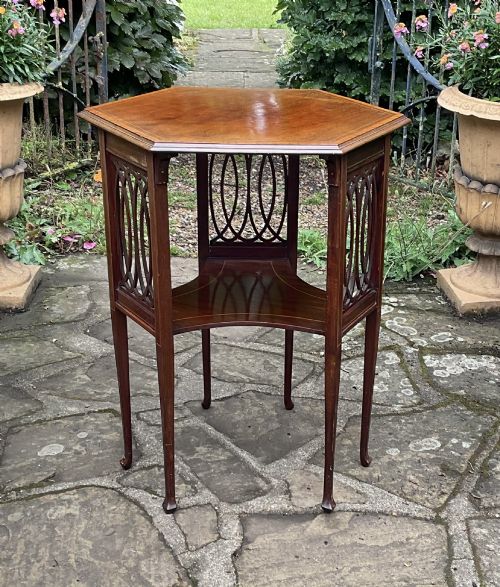
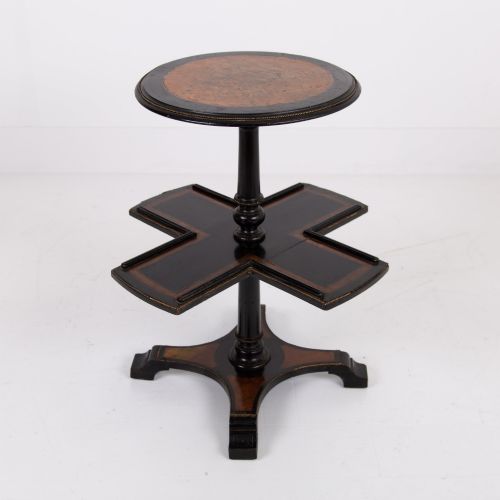
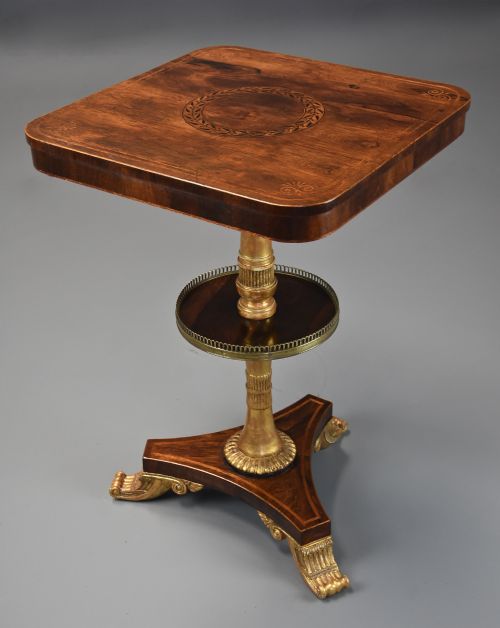


Two Tier Wine Table
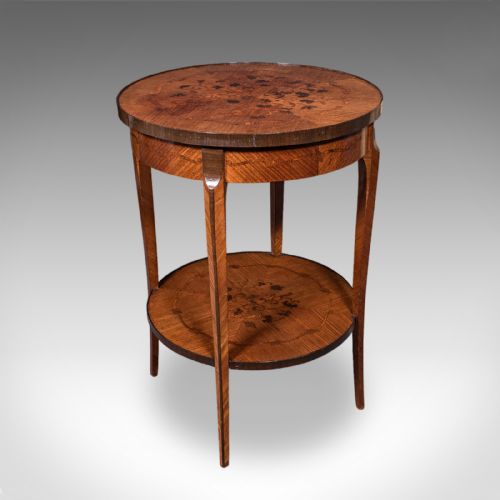
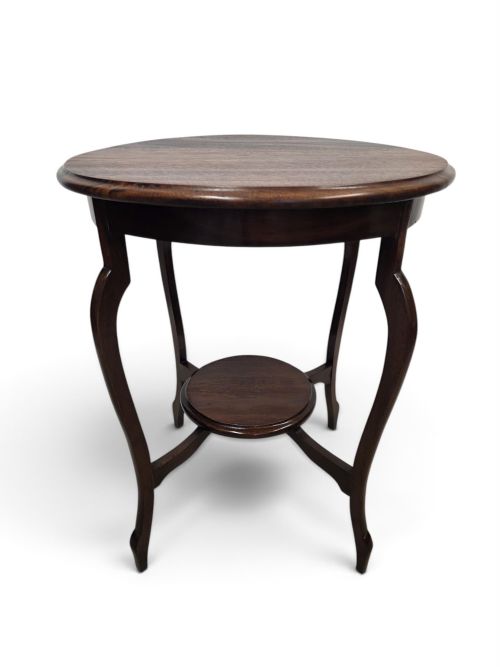
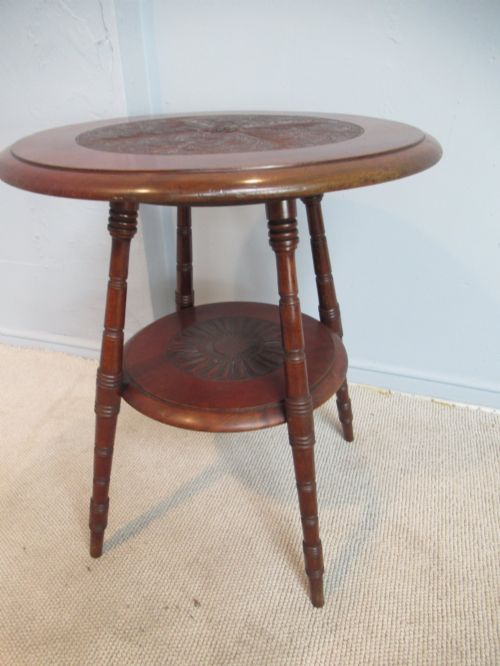
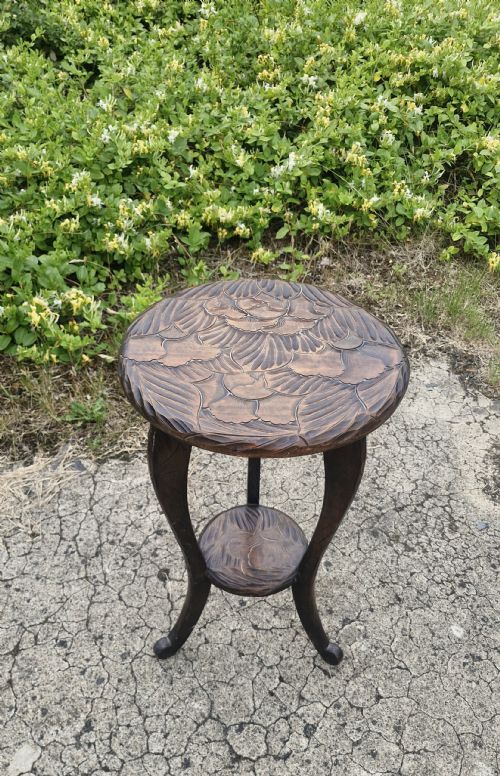
A two tier wine table offers elevated surface space across two distinct levels, bringing practical charm and period character to any corner of a room.
Two Tier Wine Table
A two tier wine table provides a compact footprint with a primary upper surface and a secondary lower shelf for holding glasses, bottles or small decorative objects. These tiered pieces function naturally as lamp tables, side tables or traditional wine stands beside seating.
The selections available here span numerous eras from the Georgian period through the Victorian, Edwardian and 1930s epochs. Mahogany remains the most common timber encountered, accompanied by rosewood, walnut, kingwood and yew wood.
Makers and designers from different decades interpreted the format through various aesthetic lenses, ranging from English Georgian tripod designs to French Louis XV-style gueridons and Edwardian interpretations. Buyers meet both straightforward functional stands and highly decorative marquetry or inlaid pieces.
What varies in quality
Quality rests upon the choice of timber and the precision of the cabinet work, particularly where veneers and delicate inlay meet structural joints. Superior examples display thoughtful grain selection and crisp, hand-carved detailing on the columns and edges.
The integration of secondary materials such as marble tops, gilt brass mounts or bronze hardware distinguishes standard utilitarian stands from finer decorative pieces. Proportions and stability across both tiers dictate the overall success of the form.
Listings feature woods including mahogany, rosewood, walnut, kingwood and yew, spanning styles from Georgian to 1930s British.
George Bullock·Liberty and Co
The Two Tier Wine Table Glossary
- Two tier wine table
- A small stand featuring a main surface and an additional lower shelf, traditionally used for serving wine or holding drinks. These pieces double easily as lamp or occasional tables.
- Dumb waiter
- A multi-tiered freestanding piece originating in the eighteenth century to hold dishes or beverages without servant assistance. They often take the form of stacked circular trays on a central pillar.
- Gueridon
- A small French occasional table or stand, frequently circular and supported by a central column or three legs. Many incorporate marble tops and gilt bronze mounts.
- Marquetry
- The art of applying decorative pieces of veneer to a structure to form intricate pictorial or geometric patterns. It appears frequently on French and revival side tables.
- Tripod table
- A small standalone table supported by three legs radiating from a central pillar. This construction provides stable footing on uneven older flooring.
Two Tier Wine Table: Frequently Asked Questions
What is a two tier wine table used for?
These pieces serve primarily as small accent furniture beside chairs or sofas to hold drinks, lamps or small decorative objects. The secondary lower shelf provides additional storage space without increasing the floor footprint.
Historically, similar small stands held wine bottles or glasses during social gatherings. Today, they function just as readily in hallways, bedrooms and sitting rooms.
How do I distinguish an 18th century table from a Victorian one?
Eighteenth century pieces typically exhibit simpler, restrained Georgian proportions with solid mahogany timbers and straightforward tripod bases. Victorian examples often introduce richer rosewood, amboyna, heavier turning, or ebonised finishes.
Examining the construction methods underneath and inside the joints helps clarify the manufacturing era. Revival styles from later periods can also mimic earlier aesthetics quite closely.
Where should I place a two tier wine table in my home?
Their compact dimensions make them ideal for awkward corners, tight spaces beside armchairs, or between windows. The dual-level design allows you to place a lamp on top while keeping books or small items on the lower shelf.
Avoid placing antique timber tables in direct sunlight or directly beside active heat sources to protect the polished wood finishes and veneers.
Are these tables sturdy enough for daily use?
Most pieces are built from solid hardwoods like mahogany and walnut, making them robust enough for holding lamps, cups and books during daily routines. Tripod bases distribute weight evenly across three contact points.
Care should be taken not to overload the upper tier or lean heavily on the edges, particularly with older or more delicate inlaid examples.