
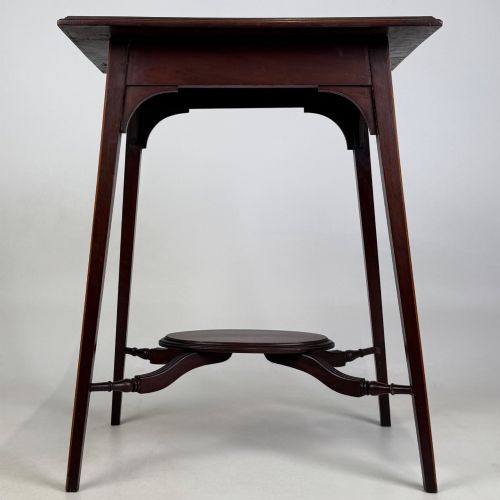
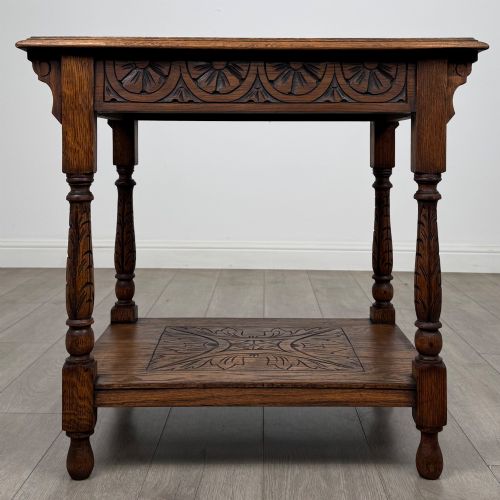
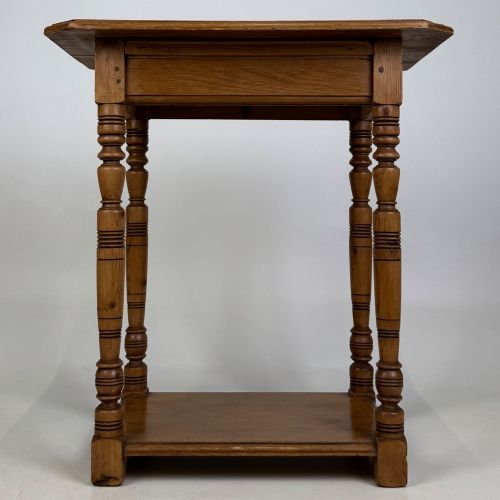
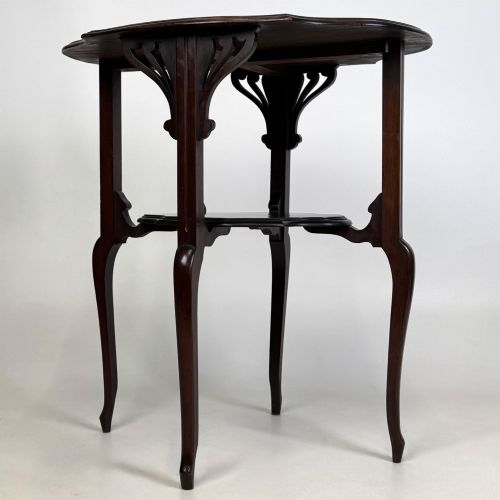
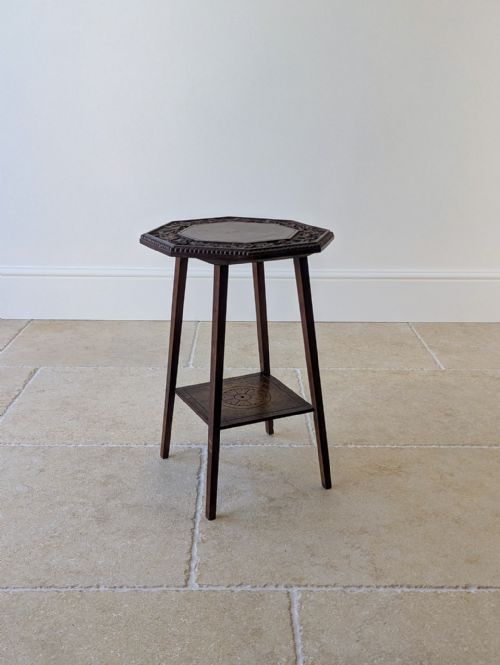
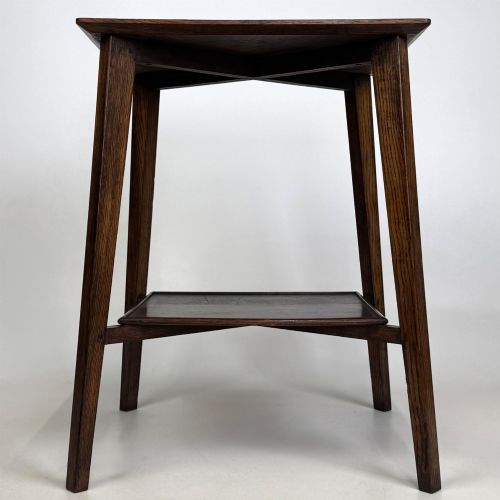
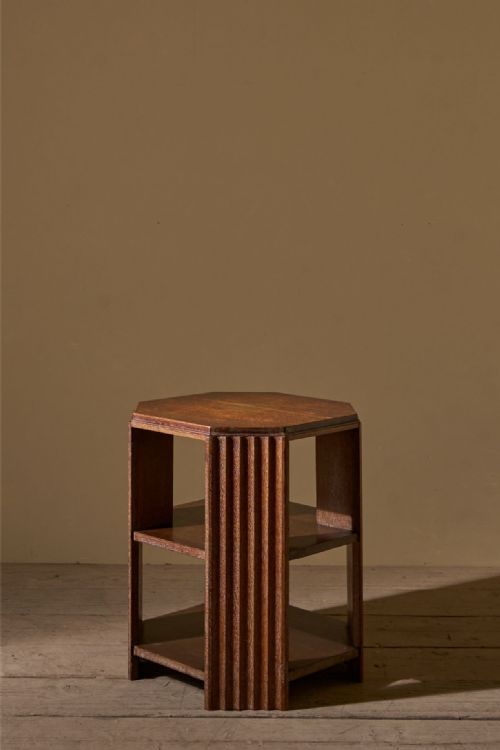
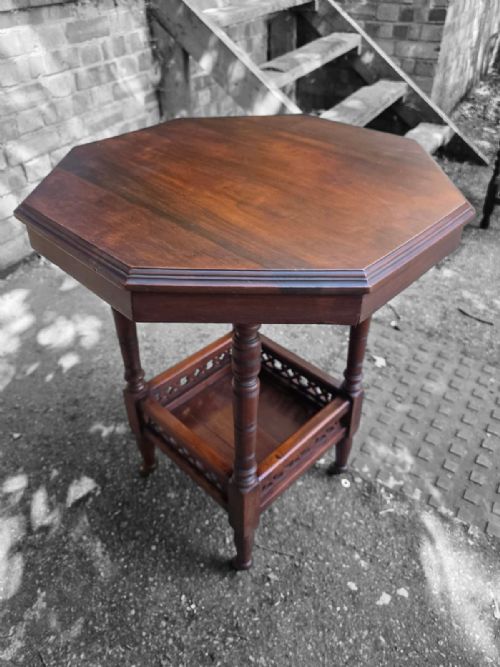

Two Tier Plant Table
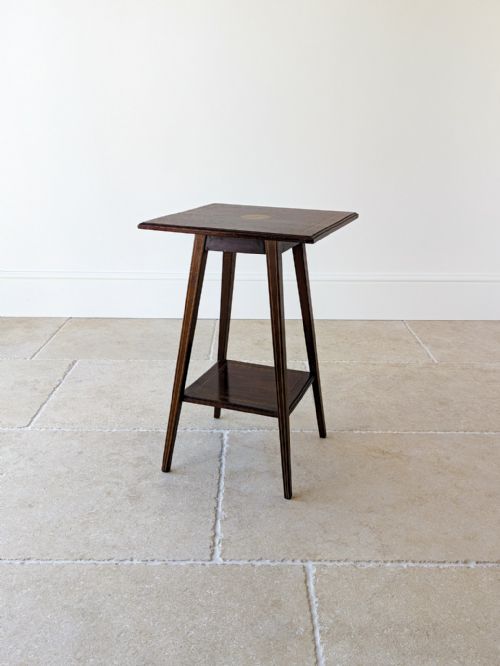
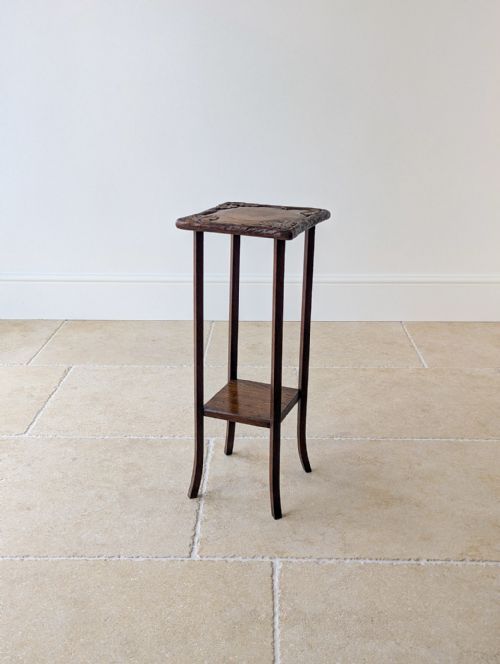
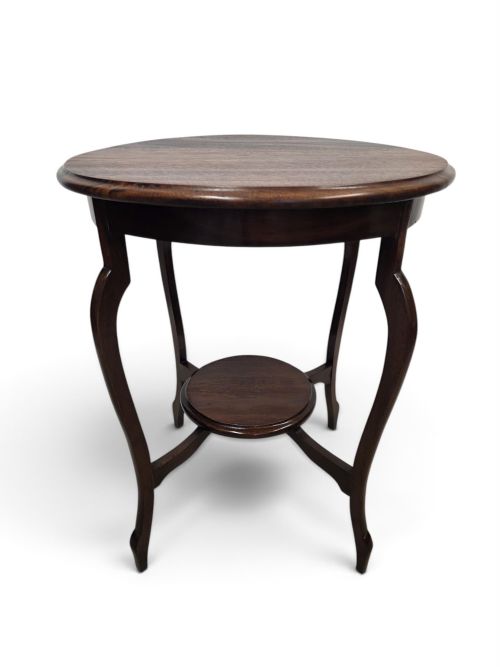
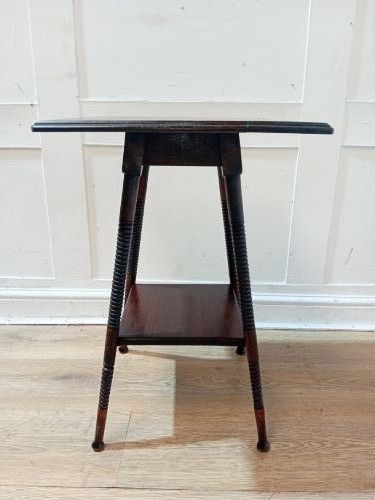
A two tier plant table brings elevated botanical display to a room, offering lower shelving for books or trailing stems.
Two Tier Plant Table
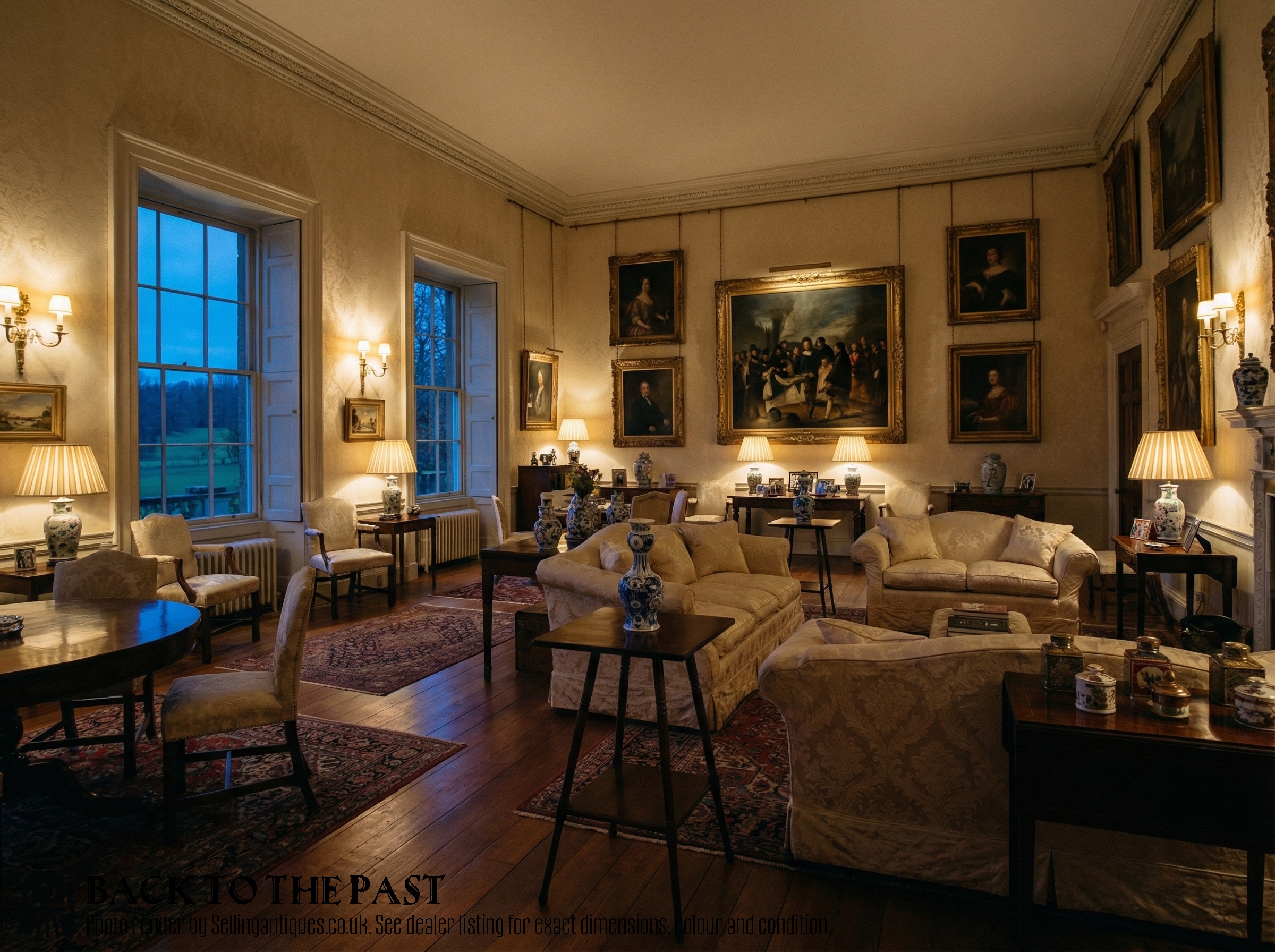
A two tier plant table usually takes the form of an occasional side table, a dedicated plant stand, or a lamp table fitted with a lower shelf. You will frequently encounter Edwardian and Victorian examples on this page, alongside pieces from the Arts and Crafts and Aesthetic Movement periods.
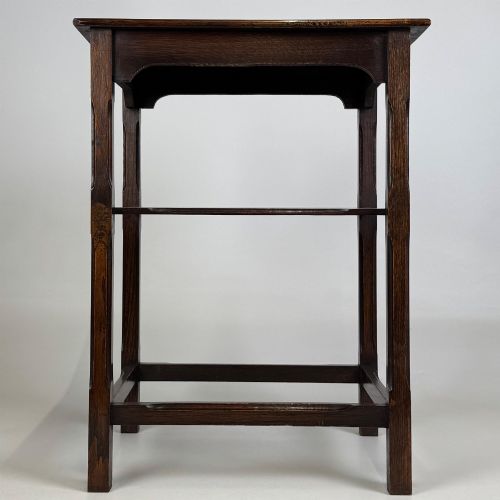
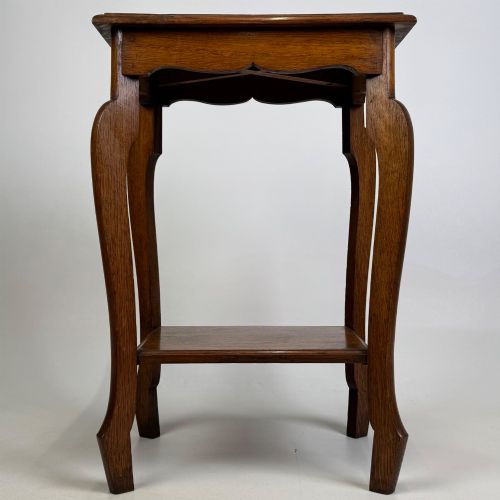
The upper surface holds the pot or display object, while the lower tier provides structural bracing and additional surface area. Forms range from simple square and round oak tables to heart-shaped mahogany designs and exotic hardwood pot stands.
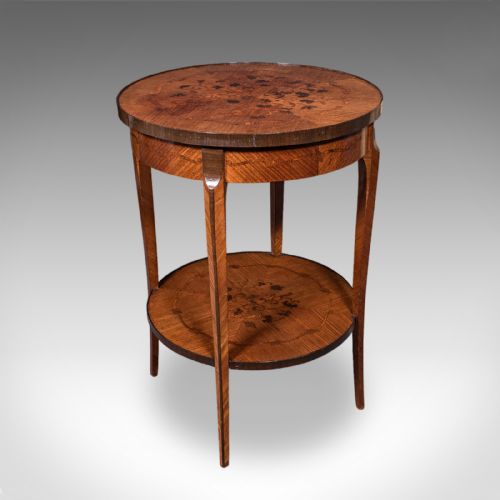
Origin and styling vary widely across the selection, taking in French kingwood pieces, Anglo-Japanese designs, and bamboo constructions. Buyers select these tables to introduce functional vertical tiers into domestic interiors without taking up excessive floor space.
Materials and construction methods
Timbers dominate the construction, with solid oak, mahogany, and walnut appearing alongside decorative veneers like kingwood, satinwood, and amboyna. Makers also utilised alternative natural materials such as bamboo and cane for lighter decorative items.
Surface ornamentation ranges from subtle inlay and crossbanding to carved detailing, fretwork, and inset tiles in the manner of the Arts and Crafts movement. Joinery methods reflect traditional cabinet-making, securing the lower tier firmly between the legs to support upper weight.
The inventory records pieces from the Georgian era through Victorian, Edwardian, and Art Deco periods.
Assessing quality in two tier plant tables
The grade of timber and the precision of the joinery set the baseline for quality, separating sturdy cabinet-work from simpler utilitarian items. Superior pieces display carefully selected wood grain, tight joints, and balanced proportions between the upper top and lower shelf.
Decorative ambition further distinguishes the range, where fine inlay, carved elements, or specialised materials like marble inserts elevate a simple stand into a refined piece of furniture. The integrity of the lower shelf attachment remains central to both stability and overall execution.
William Birch·Liberty and Co
The Two Tier Plant Table Glossary
- Occasional table
- A small, movable table designed for periodic use rather than a fixed room layout. These versatile items often feature a secondary lower shelf for storage.
- Jardiniere
- An ornamental pot or stand designed specifically to hold indoor plants or flowers. They frequently incorporate waterproof linings or tiled surfaces.
- Crossbanded
- A border technique where thin strips of veneer are laid perpendicular to the main grain of the table top. This adds a decorative framing effect to the edge.
- Aesthetic Movement
- A late nineteenth-century design style that emphasised visual beauty over narrative or moral meaning. Pieces often show Japanese influence and ebonised finishes.
Two Tier Plant Table: Frequently Asked Questions
What is a two tier plant table used for?
These tables were originally built to hold heavy potted plants, jardinieres, or lamps at a convenient height within Victorian and Edwardian interiors. The lower shelf provided a stable platform for storing books, extra pots, or decorative ornaments.
Today, they serve equally well as compact bedside surfaces, hallway stands, or living room side tables. Their dual-tier design makes them practical for small spaces where vertical storage is necessary.
How do I identify an Edwardian plant table?
Edwardian tables often feature lighter timbers such as satinwood and mahogany, sometimes decorated with subtle stringing or floral inlay. The construction tends to be lighter and more refined than earlier Victorian equivalents.
You will also find many examples from this era influenced by the Arts and Crafts movement, constructed from solid oak with exposed joinery and hand-carved details. Examining the timber and decorative motifs helps pinpoint this early twentieth-century period.
Are these tables strong enough for heavy plants?
Most antique plant tables were engineered to bear the substantial weight of earthenware pots, damp soil, and watering cans. The lower tier acts as a structural stretcher, locking the legs together and adding significant rigidity to the entire frame.
While robust, the load-bearing capacity depends on the specific timber and the tightness of the original joints. Solid oak and mahogany versions handle heavy pots easily, whereas delicate bamboo or inlaid surfaces suit lighter displays.
What is the difference between an occasional table and a plant stand?
A plant stand is typically taller and has a smaller top surface designed specifically to elevate a single potted plant into the light. An occasional table offers a broader surface area intended for lamps, books, and general use.
Despite these definitions, many antique designs blur the distinction by adding a lower shelf that accommodates small plants or decorative items. Both forms utilise the two-tier structure to maximise display potential in compact areas.